How to Keep Your Hands Warm Outdoors
Cold hands can make outdoor activities uncomfortable and can make simple tasks much harder.
Whether you’re hiking, camping, taking part in a Scout activity or spending time outdoors in winter, knowing how to keep your hands warm is a useful practical skill.
Your hands are particularly exposed to cold weather, and once they become very cold, tasks requiring fine movement can become difficult. Good preparation, suitable gloves and sensible clothing can help prevent this.
Why Do Hands Get Cold?
Your hands are often exposed to the surrounding environment.
They can lose heat through cold air, wind, rain and contact with cold objects. If your gloves become wet, they may also provide much less insulation.
Your body can also reduce blood flow to the extremities in cold conditions as it works to protect your core temperature.
This is one reason your fingers can feel cold even when the rest of your body feels reasonably comfortable.
Keep Your Hands Dry
One of the simplest ways to keep your hands warm is to keep them dry.
Wet gloves can quickly become uncomfortable in cold weather.
Rain, snow, wet grass and handling damp equipment can all introduce moisture.
If you’re going to be outside for a long time, consider carrying spare gloves or a dry pair of hand warmers that are suitable for the activity.
Choose Gloves for the Conditions
There isn’t one perfect pair of gloves for every outdoor activity.
Lightweight gloves may be ideal when you’re walking and need good dexterity.
Thicker insulated gloves may be more appropriate when you’re standing around in cold conditions.
Water-resistant or waterproof gloves can be useful when rain and snow are expected.
Think about what you’ll actually be doing rather than simply choosing the thickest gloves available.
Gloves Need to Fit Properly
Gloves should be comfortable and allow your fingers to move naturally.
Gloves that are too tight can be uncomfortable and may restrict movement.
Gloves that are too loose can make tasks difficult and may allow cold air to enter around the wrists.
A good fit provides insulation without unnecessarily restricting movement.
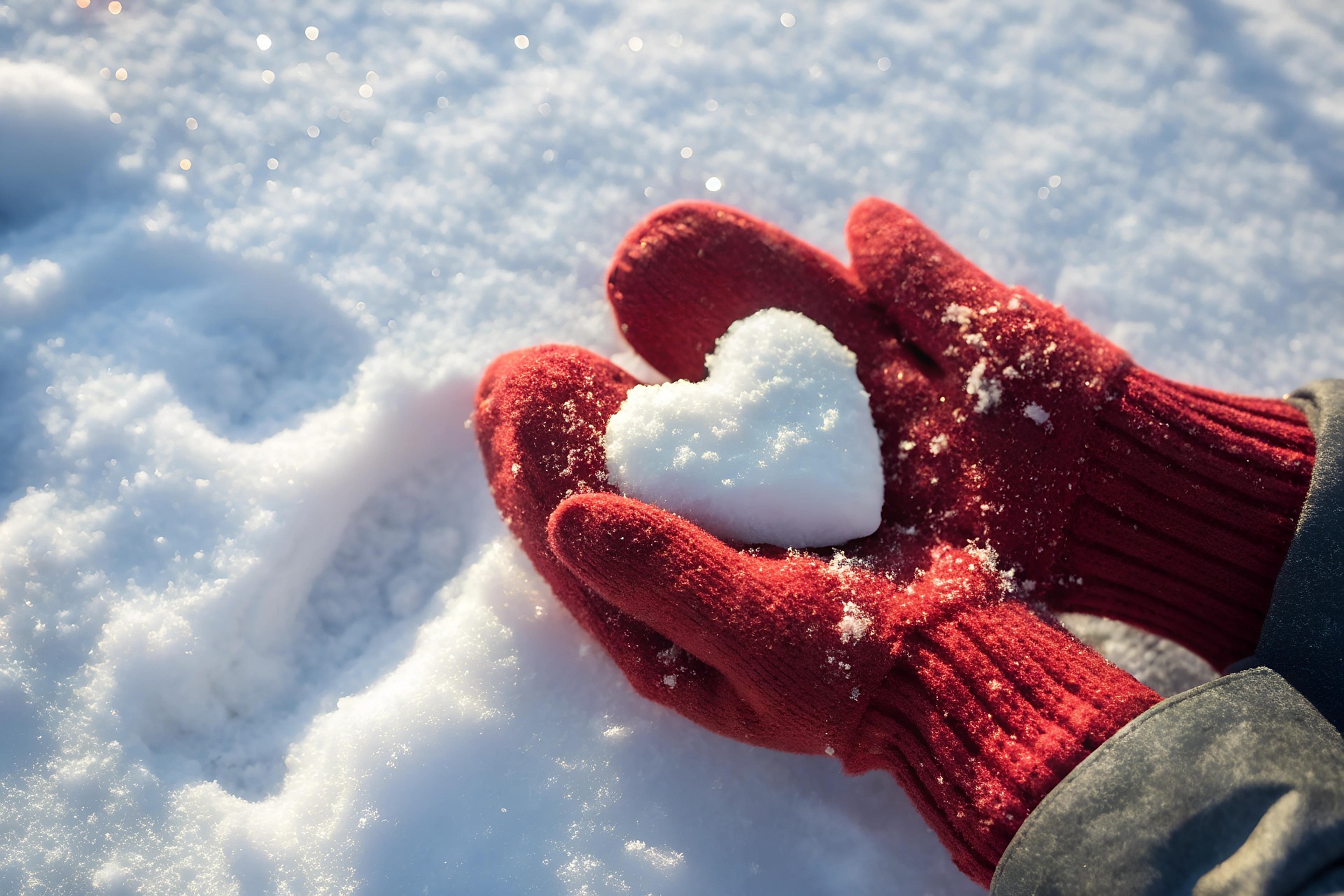
Mittens Can Be Warmer Than Gloves
Gloves separate each finger.
Mittens keep the fingers together in a shared insulated space.
This can make mittens particularly effective for retaining warmth in very cold conditions.
The trade-off is reduced dexterity.
If you don’t need to use your fingers for detailed tasks, mittens can be a useful option.
When Gloves Are Better
Gloves are usually more practical when you need to use your hands.
They can be useful for:
Choose the level of dexterity that matches the activity.
Consider a Layering System for Your Hands
Just like clothing for the rest of your body, hand protection can be layered.
A thin liner glove can provide a basic layer of warmth and allow you to remove a thicker outer glove temporarily when carrying out a task.
This can be particularly useful during camping and hiking.
Keep a Spare Pair
A spare pair of gloves can be surprisingly valuable.
If your gloves become soaked, muddy or damaged, having another pair available gives you an immediate alternative.
Keep spare gloves somewhere protected from rain.
A waterproof bag inside your rucksack is a simple solution.
Don’t Put Spare Gloves at the Bottom of Your Rucksack
If your hands become cold during a walk, you don’t want to unpack your entire rucksack to find your gloves.
Keep them somewhere accessible.
The same applies to hats, waterproofs and other clothing that you may need quickly when the weather changes.
Wind Makes Cold Hands Worse
Cold wind can increase heat loss from exposed skin.
A pair of gloves that feels adequate in calm weather may not be sufficient in strong wind.
An outer layer that blocks wind can make a significant difference.
Sheltering from the wind can also help.
Keep Your Wrists Covered
Cold air can enter around the gap between gloves and sleeves.
Make sure your clothing provides reasonable coverage around your wrists.
Longer cuffs or gloves that overlap your sleeves can help reduce exposed skin.
Keep Your Arms Warm Too
Your hands don’t exist in isolation.
If your arms and upper body are cold, your hands may also become uncomfortable.
Keeping your core and arms adequately insulated is therefore part of keeping your hands warm.
A good overall clothing system is often more effective than simply adding thicker gloves.
Avoid Touching Cold Metal for Long Periods
Metal objects can feel extremely cold in winter.
Handling cold metal for extended periods can rapidly make your fingers uncomfortable.
Use gloves when appropriate and avoid unnecessary contact with very cold surfaces.
This is particularly relevant around camping equipment, outdoor structures and tools.
Be Careful With Wet Equipment
Handling wet ropes, equipment or other materials can make your gloves damp.
If you’re taking part in an outdoor activity where equipment may become wet, consider carrying spare hand protection.
Keep your dry gloves protected until they’re needed.
Don’t Let Gloves Become Soaked
Waterproof gloves can help in wet weather, but no glove is completely immune to moisture in every situation.
If your gloves are becoming saturated, deal with the problem early.
Changing into a dry pair is usually better than continuing until your hands become extremely cold.
Sweat Can Make Your Hands Cold
Sweating isn’t only a problem for your torso.
Active outdoor activities can cause your hands to sweat inside gloves.
When you stop moving, that moisture can contribute to discomfort and cooling.
If appropriate, remove or loosen a glove briefly to allow moisture to escape, while avoiding unnecessary exposure to cold air.
Keep Your Hands Moving
Gentle movement can help keep your hands comfortable.
Opening and closing your hands, moving your fingers and carrying out normal activity can all help prevent stiffness.
However, movement shouldn’t be used to ignore significant cold exposure.
If your hands are becoming numb or losing normal sensation, take the situation seriously.
Don’t Rely on Frantically Rubbing Your Hands
Rubbing cold hands together may provide temporary warmth through friction, but it isn’t a substitute for proper insulation.
If your hands are becoming very cold, put on suitable dry gloves, get somewhere sheltered and warm up appropriately.
Be Careful With Direct Heat
It can be tempting to put cold hands directly against a fire, heater or radiator.
Avoid exposing very cold or numb hands to intense heat.
Reduced sensation can make it difficult to judge how hot something is, increasing the risk of burns.
Warm your hands gradually and safely.
Hand Warmers
Commercial hand warmers can provide additional warmth in cold conditions.
They can be useful for camping, hiking or outdoor activities where temperatures are low.
Follow the manufacturer’s instructions and don’t place a hand warmer directly against bare skin for prolonged periods.
Check the product instructions for safe use, particularly when sleeping.
Don’t Make Hand Warmers Your Only Plan
Hand warmers can be useful, but they shouldn’t replace suitable clothing.
If you’re heading into cold conditions, your main protection should still come from appropriate gloves, clothing and shelter.
Treat hand warmers as an additional source of warmth rather than your primary survival plan.
Keep Your Core Warm
If your whole body is becoming cold, simply putting on thicker gloves may not solve the problem.
Your body prioritises maintaining its core temperature.
Make sure you have suitable clothing for your whole body and deal with cold exposure as a complete problem.
Keeping Hands Warm While Hiking
Walking produces heat, but your hands may still become cold if they’re exposed to wind or rain.
Keep your gloves accessible rather than buried in your rucksack.
If the weather is deteriorating, put them on before your hands become very cold.
Keeping Hands Warm While Camping
Camping often involves periods of standing or sitting still.
You may feel warm while putting up a tent but become cold once you stop moving.
Have warm gloves available for the evening and overnight conditions.
Keeping a dry pair specifically for camp can be useful.
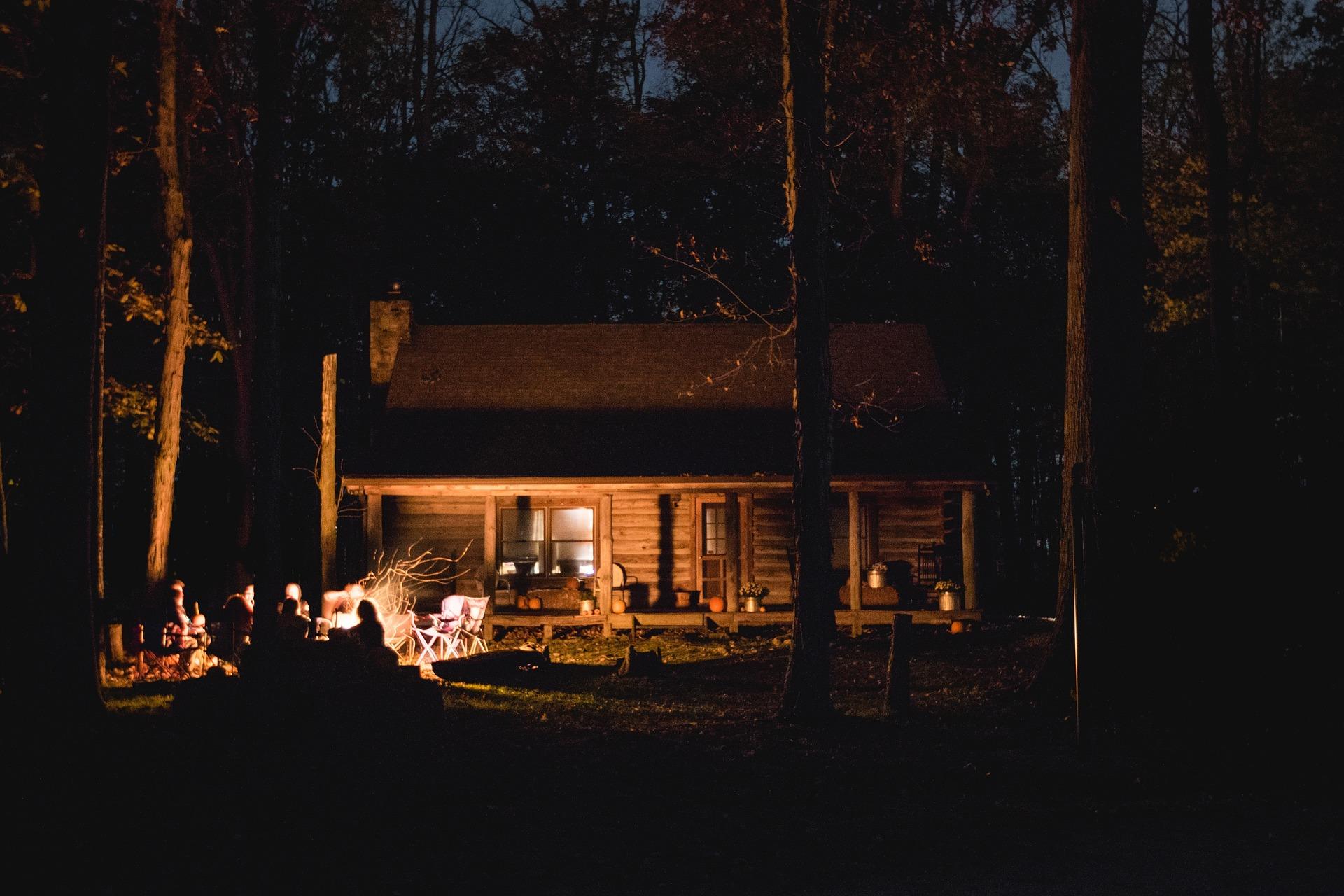
Keeping Hands Warm Around a Campfire
A campfire can provide warmth, but don’t rely on it as your only source of protection from cold conditions.
Keep a safe distance from flames and hot surfaces.
Gloves and clothing can catch fire or melt if they get too close.
Never use a fire as an excuse to ignore suitable cold-weather clothing.
Gloves and Outdoor Tools
Some activities require you to use your hands precisely.
Very thick gloves may make it harder to grip equipment correctly.
If gloves make it difficult to use a tool safely, stop and consider whether the task should be carried out differently.
Never sacrifice safe handling simply to keep your gloves on.
Cold Hands and Knots
Cold fingers can make tying knots and handling rope more difficult.
If you’re teaching or practising knot skills in cold weather, allow time for people to warm their hands.
Choose appropriate gloves that still provide enough dexterity for the task.
Cold Hands and Navigation
Cold weather can make handling a map, compass or other navigation equipment more difficult.
Keep your hands protected between tasks.
If you need to carry out detailed work, use gloves that allow sufficient movement.
Keeping Children’s Hands Warm
Younger Scouts may not always realise how cold their hands have become.
Leaders should keep an eye on the group, particularly in wet and windy conditions.
Encourage children to speak up if their hands are cold, wet, painful or numb.
Spare gloves can be especially useful for younger members.
Signs Your Hands Are Becoming Too Cold
Cold hands can progress from simple discomfort to loss of useful movement.
Watch for:
If these signs appear, take action rather than simply continuing the activity.
What to Do If Your Hands Become Very Cold
Stop and assess the situation.
Get somewhere sheltered from wind and rain.
Replace wet gloves with dry ones if available.
Warm your hands gradually and protect them from further exposure.
If the person is becoming generally cold, confused, unusually tired or unwell, think beyond the hands and consider the possibility of significant cold exposure.
When to Seek Medical Help
Severe cold exposure can cause cold injury or contribute to hypothermia.
If someone has persistent numbness, significant changes in skin colour, severe pain or other concerning symptoms after cold exposure, seek medical advice.
If someone is showing signs of serious cold exposure or hypothermia, call 999 or 112 in an emergency.
A Simple Cold-Weather Hand Checklist
Before heading outdoors, ask:
Are my gloves suitable for the weather?
Will I need good finger movement?
Do I have a spare dry pair?
Can I keep my spare gloves waterproof?
Are my wrists and sleeves well covered?
Will I be exposed to strong wind or rain?
Do I need additional insulation such as mittens or hand warmers?
Thinking about these questions before leaving can prevent many problems later.
Final Thought
Keeping your hands warm outdoors isn’t just about finding the thickest gloves you can buy.
It’s about using the right combination of gloves, clothing, movement, shelter and preparation.
Keep your hands dry, protect them from wind, carry a spare pair when appropriate and pay attention to early signs of excessive cold.
Warm hands start with good preparation before the weather becomes a problem.
🔒Ready to test your survival skills?
Join Survival Guides UK for free, complete challenges, earn badges and increase your Survival Level.
JOIN FREE →
CRAIG BURR
FOUNDER · SURVIVAL GUIDES UK
I'm Craig, the person behind Survival Guides UK. I created SGUK because I wanted somewhere people could learn real outdoor skills in a practical, straightforward way — from lighting a fire and tying knots to navigation, campcraft and everything in between.
You can read more about the story behind SGUK here as well as our approach here.