How to Dress in Layers for Cold Weather: A Practical Guide
Knowing how to dress in layers is one of the simplest ways to stay warm outdoors.
Whether you’re hiking, camping, taking part in a Scout activity or simply spending time outside during colder weather, a good layering system allows you to adjust your clothing as conditions and activity levels change.
The aim isn’t necessarily to wear the thickest clothing possible. Instead, layering helps you manage warmth, moisture and protection from the weather.
Why Is Layering Important?
Your body produces heat all the time, but cold weather can cause you to lose that heat faster than you can replace it.
Clothing helps slow this heat loss by trapping insulating air around your body and protecting you from wind and moisture.
Several clothing layers give you more control than relying on one thick jumper or coat.
If you become too warm, you can remove a layer.
If you become cold, you can add one.
The Three-Layer System
A common approach to outdoor clothing is the three-layer system:
Base layer: Manages moisture next to your skin.
Mid layer: Provides insulation and helps retain body heat.
Outer layer: Protects you from wind and rain.
You don’t always need exactly three layers.
The system can be adapted depending on the temperature, weather and activity.
The Base Layer
The base layer is the clothing worn next to your skin.
Its main job is to help manage moisture.
When you’re walking or carrying equipment, your body can produce sweat even in cold weather.
If that moisture remains against your skin, you can become uncomfortable and may lose heat more quickly when you stop moving.
Choosing a Base Layer
A good base layer should be comfortable and allow you to move freely.
Materials designed to manage moisture can be useful for active outdoor activities.
Avoid choosing a base layer purely because it is thick.
The aim is to manage moisture while providing a comfortable first layer.
What About Cotton?
Cotton can be comfortable in everyday conditions, but it is not always the best choice for prolonged cold or wet outdoor activities.
When cotton becomes wet, it can take a long time to dry and can lose much of its insulating effectiveness.
For cold-weather activities where staying dry is important, moisture-managing outdoor fabrics may be more suitable.
The Mid Layer
The mid layer provides insulation.
Its job is to trap warm air close to your body.
Fleece, wool and other insulating materials can be used as mid layers.
The best choice depends on the conditions and activity.
Why Fleece Is Popular
Fleece is commonly used outdoors because it is lightweight, comfortable and can retain insulating air.
It can also dry relatively quickly compared with some other materials.
A fleece layer can be useful when walking, camping or taking part in outdoor activities.
Wool as an Insulating Layer
Wool is another useful insulating material.
It can provide warmth and can continue to offer some insulation when damp.
Wool garments can be heavier or more expensive than some synthetic alternatives, so the right choice depends on your needs and budget.
The Outer Layer
The outer layer protects you from the weather.
Its main jobs are to reduce the effects of wind and, when appropriate, keep rain out.
A waterproof or weather-resistant jacket can be particularly important during UK outdoor activities.
Waterproof Doesn’t Always Mean Breathable
A jacket can keep rain out while still allowing some moisture vapour to escape.
However, no waterproof garment makes you completely immune to sweating.
If you’re working hard, you may still become damp inside your clothing.
Ventilation and sensible layering can help manage this.
The Importance of Wind Protection
Wind can remove the layer of warm air around your body and increase heat loss.
A wind-resistant outer layer can therefore make a noticeable difference.
This is particularly useful when standing still or when exposed to open ground.
Don’t Forget Your Legs
Layering isn’t just about your upper body.
Your legs can also become cold, particularly when standing around for long periods.
Depending on the weather, you may need suitable base layers, trousers or waterproof over-trousers.
Choose clothing that allows you to move safely.
Keeping Your Feet Warm
Cold or wet feet can quickly make an outdoor activity uncomfortable.
Suitable footwear, socks and insulation from the ground are important.
Avoid wearing so many socks that your footwear becomes tight.
Restricted footwear can be uncomfortable and may affect circulation.
Choosing the Right Socks
Socks should provide warmth and comfort without making your footwear too tight.
Wool and synthetic outdoor socks can both be useful.
Avoid relying on ordinary cotton socks during prolonged cold and wet conditions if you have more suitable alternatives.
Always carry spare dry socks on longer outdoor activities.
Keeping Your Hands Warm
Your hands are exposed to the weather and can become cold quickly.
Gloves provide insulation while still allowing you to carry out tasks.
In particularly cold conditions, mittens can sometimes retain warmth more effectively because the fingers share a larger insulated space.
Choose what is practical for the activity.
Protecting Your Head and Neck
A significant amount of your body’s heat is not simply lost through your head, but exposed skin on your head, ears and neck can still become cold.
A warm hat and suitable neck protection can improve comfort considerably.
They are especially useful in windy weather.
Layering for Activity
Your clothing needs can change depending on what you’re doing.
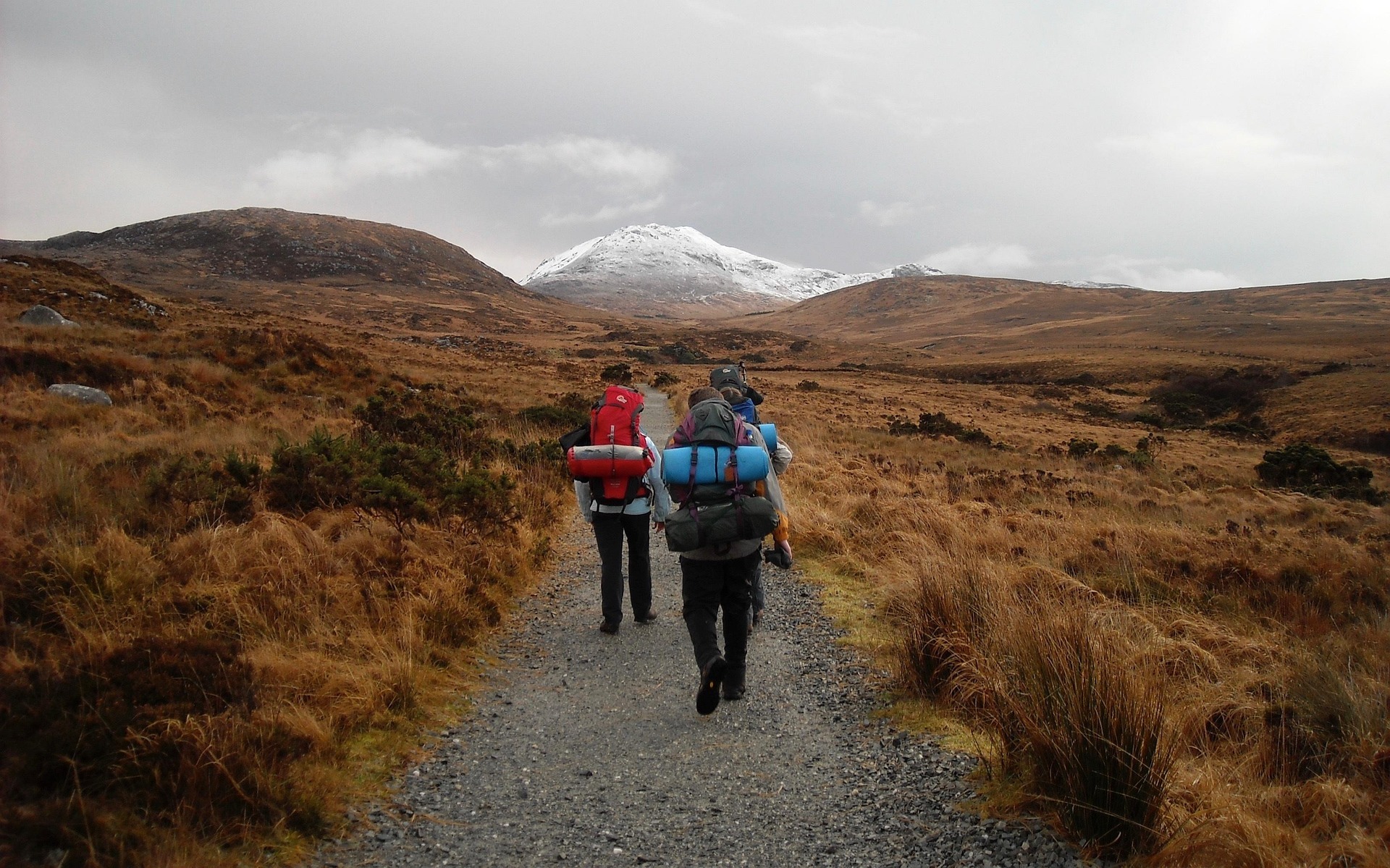
Walking uphill with a heavy rucksack produces much more body heat than sitting around a campsite.
If you wear all your warm layers while working hard, you may become sweaty.
Remove or open layers before you become excessively warm.
Layering for Rest
Once you stop moving, your body may produce less heat.
This is when having spare insulation becomes particularly useful.
Put your warmer layers back on before you become cold rather than waiting until you’re already shivering.
Don’t Wait Until You’re Freezing
Layering works best when you adjust clothing early.
If you are starting to feel cold, add a layer.
If you are becoming hot and sweaty, remove one.
Making small adjustments throughout the activity is usually easier than trying to recover after becoming very cold.
Layering in Wet Weather
Rain creates additional challenges because wet clothing can increase heat loss.
Your outer layer should be appropriate for the conditions.
Keep spare clothing protected in a waterproof bag inside your rucksack.
This means you have something dry to change into if your clothing becomes soaked.
Layering in Windy Weather
Wind can make cold conditions feel significantly more uncomfortable.
A suitable windproof outer layer can help reduce heat loss.
If possible, use natural or artificial shelter to reduce exposure to strong winds.
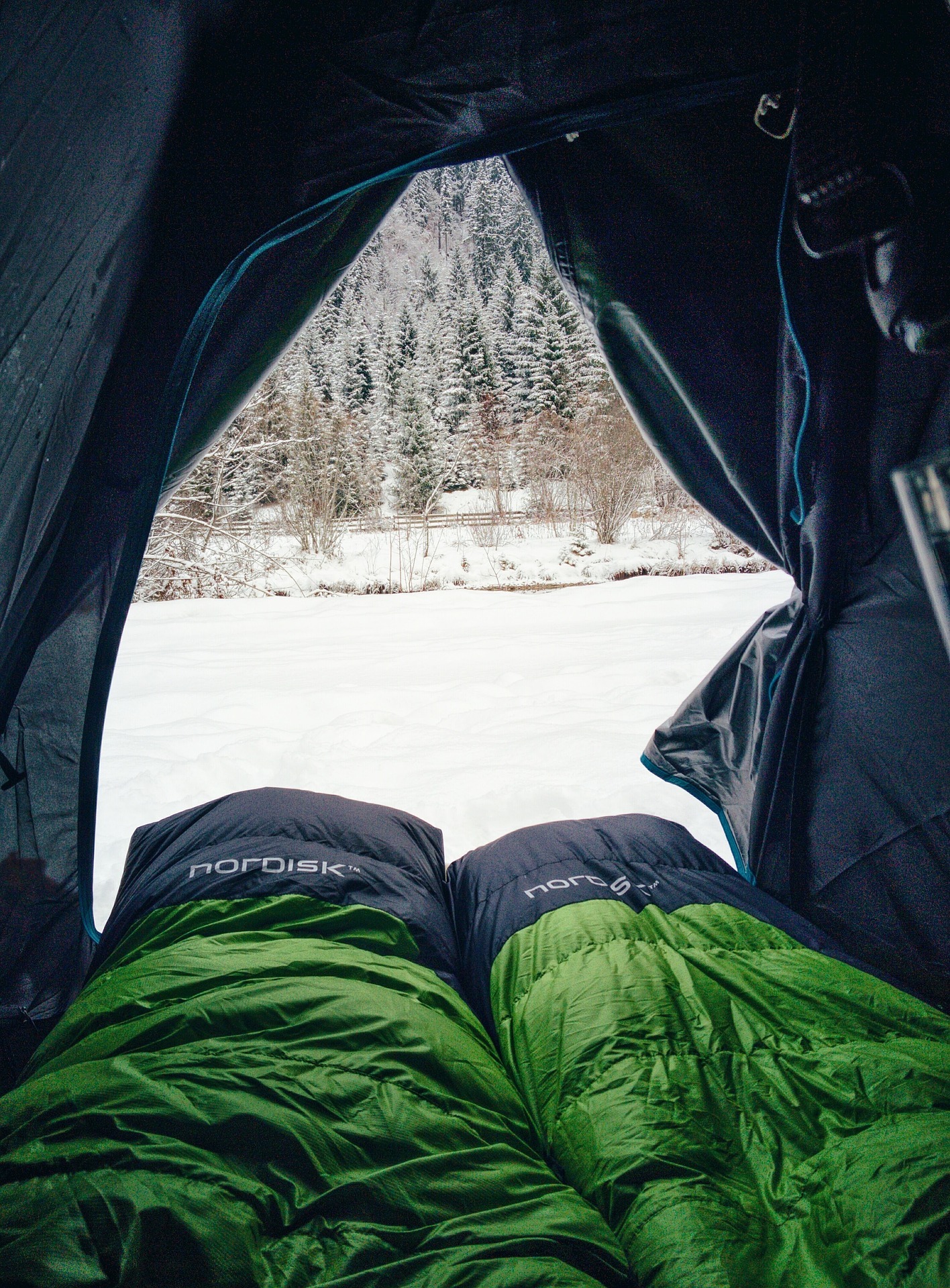
Layering for Camping
Camping requires additional planning because you’re not necessarily moving continuously.
You may be warm while walking to the campsite but cold once you are sitting around in the evening.
Keep warm layers accessible rather than burying them at the bottom of your rucksack.
Layering at Night
Night-time temperatures can drop significantly.
Your clothing system and sleeping equipment need to be suitable for the expected conditions.
Avoid relying on your daytime clothing alone.
A suitable sleeping bag, sleeping mat and dry night clothing all contribute to staying warm.
Keep a Dry Set of Clothes
For camping and longer outdoor activities, keeping some clothing dry can be extremely valuable.
Store spare layers in a waterproof dry bag or suitable waterproof packaging.
Protecting your spare clothing from rain is just as important as carrying it.
Don’t Put Wet Clothes Straight Into Your Sleeping Bag
If you’re wet after walking or an activity, don’t simply crawl into your sleeping bag wearing soaking clothes.
Wet clothing can reduce insulation and make it harder to stay warm.
Change into suitable dry clothing where possible and deal with wet kit appropriately.
Layering for Children and Scouts
Younger Scouts may not always recognise how quickly they are becoming cold or wet.
Leaders should encourage them to check their clothing regularly and speak up if they’re uncomfortable.
A spare warm layer and spare socks can make a significant difference.
Children can also become very warm during active games, so encourage them to remove unnecessary layers before they become excessively sweaty.
Avoid Overdressing
More clothing isn’t always better.
Too many layers can cause overheating and sweating.
Once those layers become damp, you may become colder later.
The goal is to maintain a comfortable temperature while keeping clothing as dry as possible.
Avoid Very Tight Layers
Clothing should allow you to move freely.
Very tight layers can be uncomfortable and may compress insulating materials.
Your footwear also needs enough room for comfortable socks without restricting your feet.
Keep Your Clothing Dry
Dry insulation generally works better than wet insulation.
Use waterproof bags inside your rucksack for spare clothing.
When camping, avoid leaving clothing exposed to rain or condensation.
A dry layer can become one of your most valuable pieces of equipment when conditions deteriorate.
Ventilation Matters Too
Cold-weather clothing isn’t only about keeping everything sealed.
When you’re working hard, opening a jacket or removing a mid layer can help release excess heat and moisture.
Managing ventilation can prevent you from becoming soaked in sweat.
Adjust Layers Before Changes in Weather
If dark clouds are approaching, rain is beginning or the wind is strengthening, don’t wait until conditions become unpleasant.
Put your outer layer somewhere accessible.
Add insulation before you become cold.
Good layering is partly about anticipating changes rather than reacting to them.
A Simple Cold-Weather Clothing Checklist
Before heading outdoors, think about:
Base layer – Is it comfortable and suitable for managing moisture?
Insulation – Do I have enough warmth for the expected conditions?
Outer layer – Can I protect myself from wind and rain?
Hands – Do I have suitable gloves or mittens?
Head and neck – Can I protect exposed areas?
Feet – Do I have suitable socks and footwear?
Spare clothing – Do I have dry layers if something gets wet?
Signs You’re Getting Too Cold
Feeling cold is a useful warning sign.
Pay attention to:
Don’t simply ignore these signs.
Add suitable insulation, get somewhere sheltered and deal with wet clothing.
When Cold Becomes More Serious
Severe cold exposure can lead to hypothermia.
Warning signs can include increasing confusion, unusual drowsiness, difficulty speaking clearly, poor coordination and changes in normal behaviour.
If someone may have hypothermia, get them to a safe, sheltered place, remove wet clothing where practical, insulate them and seek urgent medical help.
Call 999 or 112 in an emergency.
Layering Is About Flexibility
The biggest advantage of layers is flexibility.
Weather changes.
Activity levels change.
Your body changes.
A good clothing system allows you to respond to those changes without carrying one enormous piece of clothing for every situation.
Final Thought
The best cold-weather clothing system isn’t necessarily the most expensive one.
It’s one that allows you to stay reasonably warm, dry and comfortable while adapting to the conditions.
Think about what you’ll be doing, what the weather is likely to be like and what could change during the activity.
Layer your clothing so you can adjust your warmth before the cold becomes a problem.
🔒Ready to test your survival skills?
Join Survival Guides UK for free, complete challenges, earn badges and increase your Survival Level.
JOIN FREE →
CRAIG BURR
FOUNDER · SURVIVAL GUIDES UK
I'm Craig, the person behind Survival Guides UK. I created SGUK because I wanted somewhere people could learn real outdoor skills in a practical, straightforward way — from lighting a fire and tying knots to navigation, campcraft and everything in between.
You can read more about the story behind SGUK here as well as our approach here.