Common Mistakes When Extinguishing a Campfire
Extinguishing a campfire safely is just as important as lighting and maintaining it.
Many fire-related problems happen because people assume a fire is out before it has actually cooled, rush the final checks or use an inappropriate method.
For Scouts, learning about common mistakes can help develop good habits and reinforce the idea that responsibility continues until the fire has been properly dealt with.
Mistake 1: Assuming the Fire Is Out When the Flames Disappear
This is one of the most common mistakes.
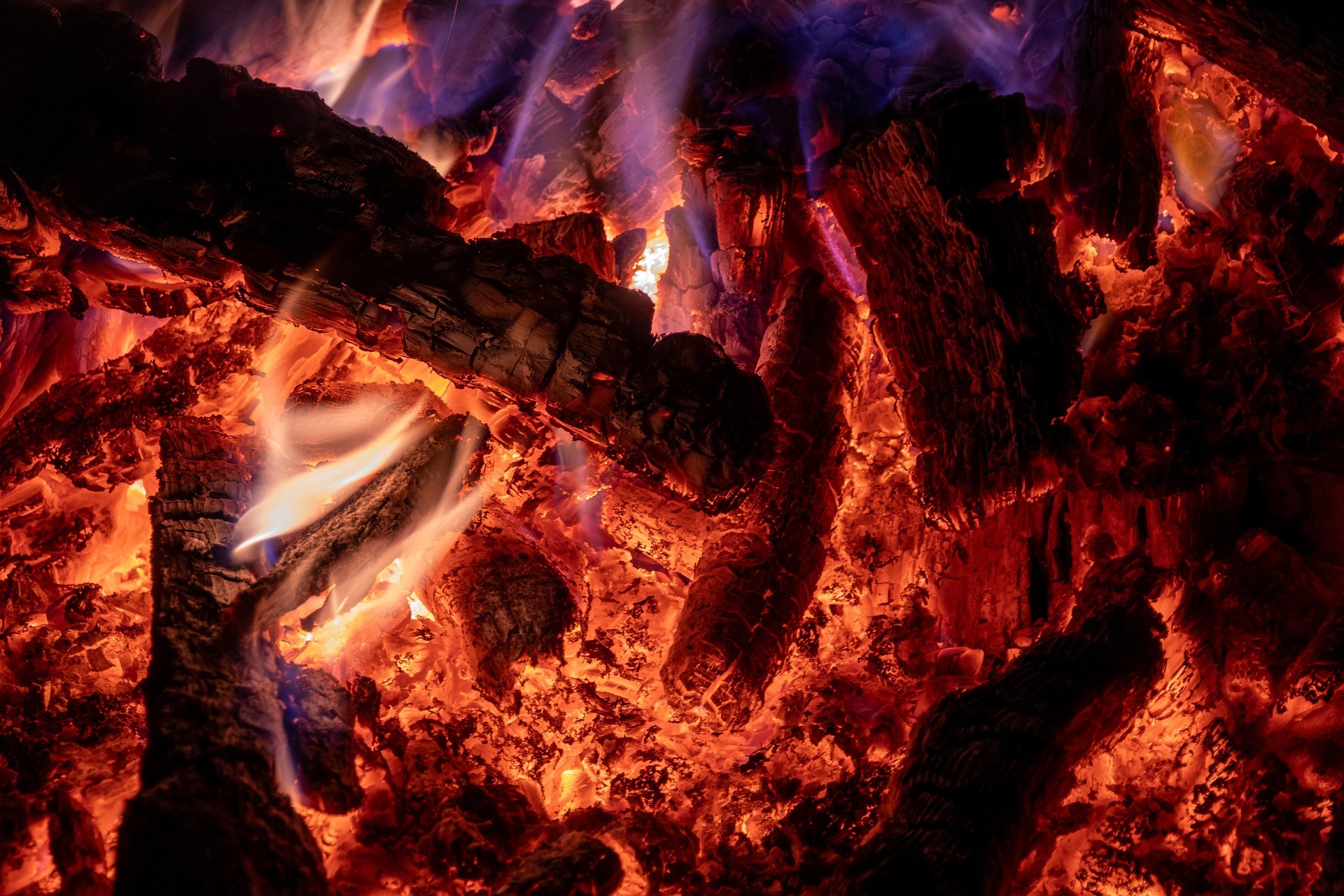
A fire can stop producing visible flames while hot embers remain underneath the ash.
Those embers can stay hot for a considerable time and may reignite if exposed to oxygen or moved into contact with combustible material.
Always complete a proper extinguishing process and final check.
Mistake 2: Leaving a Fire to Burn Down Without Checking It
Allowing a fire to burn down can reduce the amount of fuel, but it doesn’t necessarily make the fire safe to leave.
Hot charcoal and embers can remain after the flames have disappeared.
A fire that has burned down still needs to be properly extinguished and checked.
Mistake 3: Using Water Without Care
Water is often suitable for ordinary campfires, but it needs to be applied carefully.
Pouring water onto extremely hot material can create steam and disturb ash and embers.
Stand safely away from the immediate fire and follow the appropriate procedure for the location.
Mistake 4: Assuming One Application of Water Is Enough
Putting water on the fire once doesn’t necessarily mean it is completely extinguished.
Hot material may remain underneath.
Continue cooling the fire as appropriate and check for:
Mistake 5: Touching Ashes to See If They’re Cool
Never use your hands to test whether ash is cool.
Ash can hide extremely hot embers.
This is an unnecessary burn risk, particularly for children.
Use appropriate methods and equipment instead.
Mistake 6: Kicking the Fire Apart
Kicking burning wood or ash with a boot can spread hot material outside the fire area.
It can also disturb hidden embers and make the fire harder to control.
Keep the fire contained and use appropriate tools when material needs to be moved.
Mistake 7: Spreading the Ashes Around
Scattering ash may expose hot embers and increase the area that needs to be checked.
It can also place hot material onto dry vegetation.
Keep the ash within the designated fire area unless the site’s procedure specifically requires it to be moved.
Mistake 8: Forgetting About Embers Outside the Fire
Sparks and embers can escape during a campfire.
This is particularly important in windy conditions.
Before leaving, inspect the surrounding ground for signs of burning, glowing embers or smoke.
Mistake 9: Ignoring the Wind
Wind can introduce oxygen to hot embers and carry sparks into nearby vegetation.
A fire that appears quiet can become active again if conditions change.
Pay particular attention to wind during the final stages of extinguishing a fire.
Mistake 10: Assuming Rain Has Extinguished the Fire
Rain can help cool a fire, but it doesn’t guarantee that hidden embers are cold.
Water may not reach every part of the fire.
Always carry out the proper extinguishing process even in wet weather.
Mistake 11: Assuming Snow Has Extinguished the Fire
Snow can cover a fire without necessarily cooling everything underneath.
Hot material can remain hidden beneath the surface.
Treat the fire properly and check it before leaving.
Mistake 12: Using the Wrong Extinguishing Method
Not every fire should be treated in the same way.
Water is commonly suitable for ordinary wood fires, but different materials can require different methods.
For example, water should not be used on burning cooking oil or on an electrical fire.
If you’re unsure what is burning, move people away and seek appropriate assistance.
Mistake 13: Using Water on a Cooking-Oil Fire
This deserves particular attention.
Never pour water onto burning cooking oil.
Water can cause burning oil to spread violently and create a much more dangerous fire.
Use appropriate equipment and procedures for cooking-oil fires.
If the fire cannot be safely controlled, evacuate and call 999.
Mistake 14: Using an Extinguisher Without Knowing What It Is For
Fire extinguishers are designed for different types of fire.
Using the wrong extinguisher can be ineffective or dangerous.
Only use an extinguisher when it is appropriate for the fire and you have been trained to use it.
Mistake 15: Trying to Fight a Fire That Has Become Too Large
There is a major difference between extinguishing a controlled campfire and attempting to tackle a fire that has escaped its intended area.
If a fire is spreading or becoming uncontrollable, don’t take unnecessary risks.
Move people away and follow emergency procedures.
Call 999 for the Fire and Rescue Service when required.
Mistake 16: Allowing Scouts to Crowd Around the Fire
When a fire is being extinguished, people can become interested in what is happening.
This can lead to Scouts moving too close.
Keep everyone at a safe distance and give the person responsible enough space to work.
Mistake 17: Rushing Because It’s Time to Go Home
Packing up can create pressure to finish quickly.
However, the final fire check should never be rushed.
Make sure the fire has been properly extinguished before dismantling the rest of the activity area or leaving the site.
Mistake 18: Forgetting About Hot Cooking Equipment
Pans, grills, skewers and other equipment can remain dangerously hot after the fire has been extinguished.
Don’t assume that the end of the flames means the equipment is safe to touch.
Allow it to cool appropriately.
Mistake 19: Putting Hot Ash in a Bin
Hot ash should never be placed in ordinary rubbish.
A hidden ember can ignite combustible waste and cause a fire.
Follow the campsite’s procedure for ash disposal and only dispose of ash when it is completely cool.
Mistake 20: Leaving Ashes for Someone Else
If you’re responsible for the fire, you are responsible for making sure it has been properly dealt with.
Don’t assume campsite staff or the next group will take care of it.
Leave the fire area safe and follow the site’s requirements.
Mistake 21: Not Checking Under Partly Burned Logs
Larger pieces of wood can contain hot material underneath or inside them.
Don’t assume that a log is safe because its outside surface looks dark.
Use appropriate equipment to check and manage remaining fuel where necessary.
Mistake 22: Stirring the Fire Without a Reason
Moving the contents of a fire can expose hidden embers.
This can sometimes be useful during proper extinguishing, but randomly stirring or poking a fire can also spread hot material.
Only move material when there is a clear reason and it can be done safely.
Mistake 23: Using Your Hands to Move Embers
Never pick up hot charcoal or burning wood with your hands.
Even material that appears almost extinguished can cause serious burns.
Use suitable tools and maintain a safe distance.
Mistake 24: Forgetting to Check the Ground
The fire itself isn’t the only thing that needs checking.
Look around the fire area for:
An ember that has escaped the fire can become a separate fire.
Mistake 25: Failing to Check Again Before Leaving
A final inspection is important.
After extinguishing the fire, take time to check the area again before everyone leaves.
This is particularly useful if the weather is windy or conditions have changed.
Mistake 26: Treating Every Fire the Same
An outdoor wood fire, cooking-oil fire and electrical fire are different situations.
The extinguishing method needs to match the type of fire.
Teach Scouts that there isn’t one universal technique for every fire.
Mistake 27: Forgetting About the Environment
Extinguishing a fire safely also means leaving the area responsibly.
Don’t scatter ash across vegetation or leave burning material behind.
Follow the site’s rules and minimise unnecessary environmental damage.
Mistake 28: Letting Everyone Assume Someone Else Checked
If responsibility isn’t clear, a final check can easily be missed.
Nominate someone to be responsible for confirming that the fire is properly extinguished.
At Scout activities, this should ultimately remain under appropriate adult supervision.
A Better Way to Finish a Campfire
A simple routine can prevent many of these mistakes:
Stop adding fuel.
Allow the fire to reduce appropriately.
Extinguish.
Use the appropriate method for the fire and location.
Check.
Look for flames, smoke, embers and heat.
Inspect.
Check the fire area and surrounding ground.
Confirm.
Make sure someone responsible is satisfied that the fire is safe to leave.
Teaching Scouts About Fire Mistakes
Mistakes can provide useful learning opportunities.
Rather than simply telling Scouts that something is wrong, explain what could happen and why.
For example, ask:
What might happen if we kick this log?
Could there still be heat underneath the ash?
Why shouldn’t water be used on burning cooking oil?
This encourages Scouts to understand fire behaviour rather than memorise rules.
A Good Fire-Safety Habit
One of the best habits to develop is:
Stop. Look. Think. Act. Check.
Don’t rush the final stages of a fire activity.
Pause before doing anything, consider the risk, take the appropriate action and then check the result.
When to Get Help
If a fire has escaped its intended area, is spreading rapidly or cannot be safely controlled, move people away.
Don’t put yourself or Scouts at unnecessary risk trying to deal with it.
Follow your emergency procedures and call 999 for the Fire and Rescue Service when appropriate.
Final Thought for Leaders
Most campfire mistakes are avoidable.
Good extinguishing isn’t complicated, but it does require patience and attention.
Teach Scouts that putting out a fire isn’t simply about making the flames disappear. It is about making sure the heat, embers and surrounding area are safe before leaving.
Don’t rush the end of a fire activity. The final check is part of the skill.
🔒Ready to test your survival skills?
Join Survival Guides UK for free, complete challenges, earn badges and increase your Survival Level.
JOIN FREE →
CRAIG BURR
FOUNDER · SURVIVAL GUIDES UK
I'm Craig, the person behind Survival Guides UK. I created SGUK because I wanted somewhere people could learn real outdoor skills in a practical, straightforward way — from lighting a fire and tying knots to navigation, campcraft and everything in between.
You can read more about the story behind SGUK here as well as our approach here.