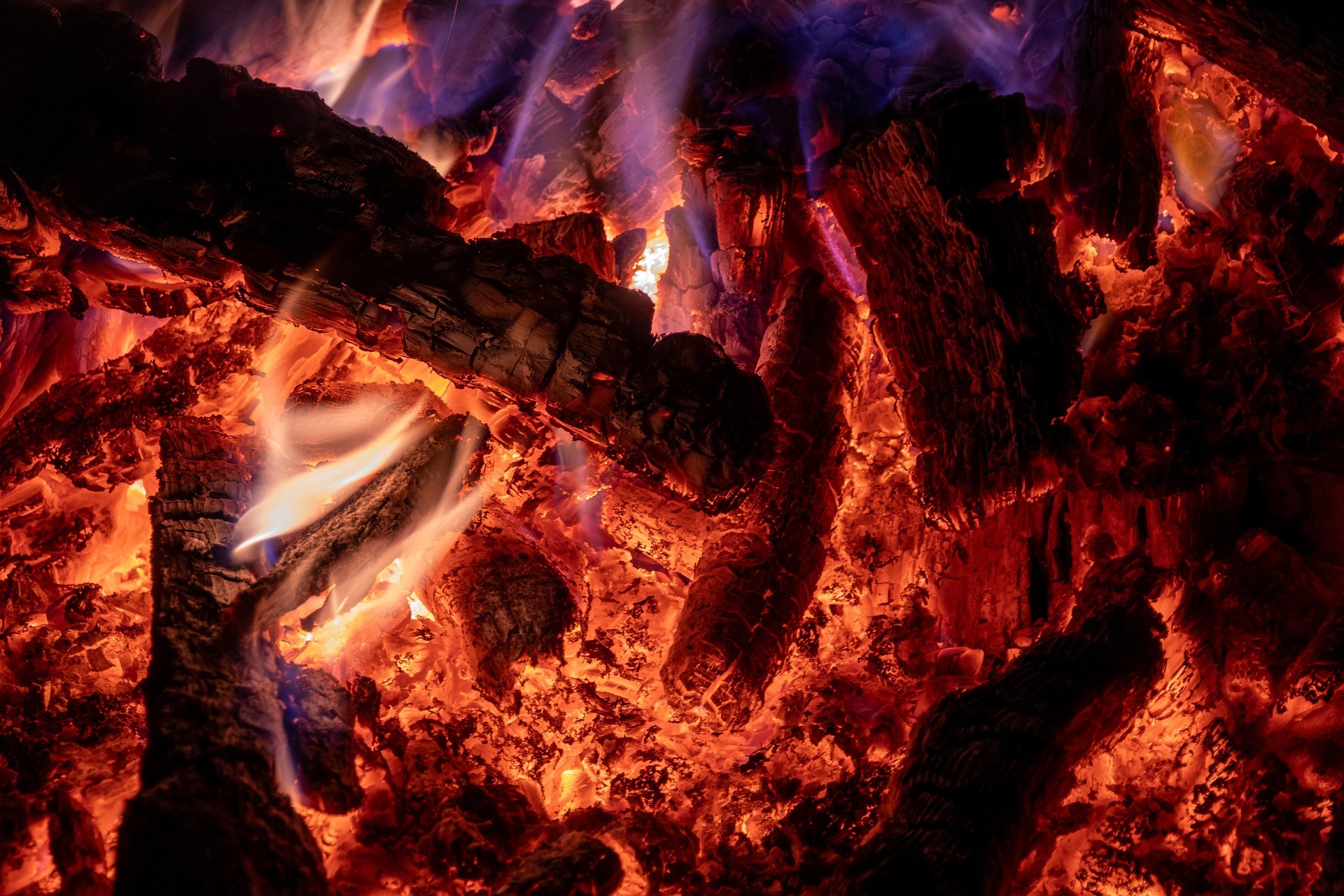
How to Know When a Campfire Is Completely Out
Putting out a campfire is only the first part of extinguishing it safely.
A fire can appear to be out while hot embers and ash remain underneath. These can stay hot for a surprisingly long time and may be capable of reigniting if they are disturbed or exposed to oxygen.
Knowing how to recognise when a campfire is genuinely out is therefore an important outdoor skill.
For Scouts, this is a useful lesson in understanding that fire doesn’t simply disappear when the flames stop.
When Is a Campfire Really Out?
A campfire should be considered out only when there are no remaining signs that it could reignite.
That means looking beyond the visible flames.
A properly extinguished fire should have:
The exact extinguishing procedure will depend on the fire, location and equipment available.
Don’t Rely on Your Eyes Alone
One of the most common mistakes is assuming that a fire is out because there are no visible flames.
Embers can remain hot underneath ash or between pieces of wood.
A fire may therefore look inactive while still containing enough heat to restart.
This is why a proper final check is essential.
Why Embers Stay Hot
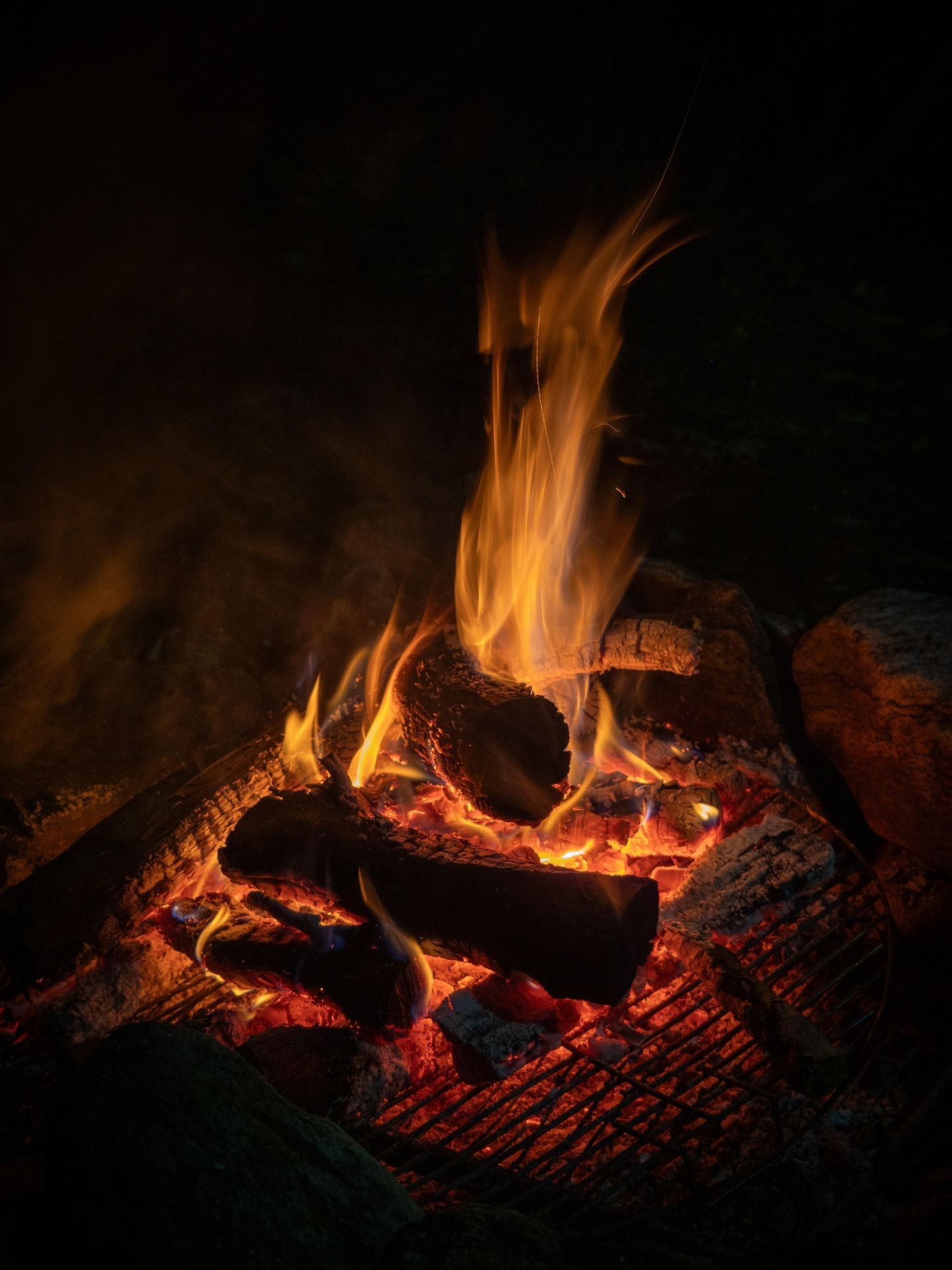
When wood burns, it can leave behind glowing charcoal and embers.
These can retain a considerable amount of heat even after the flames have disappeared.
Ash can also act as an insulating layer, allowing heat to remain underneath.
This is why a fire that looks grey and cold may still be hot below the surface.
Look for Glowing Embers
Visible glowing embers are a clear sign that the fire isn’t completely out.
Red or orange areas indicate that the material is still very hot.
Don’t allow Scouts to approach or touch them.
Continue following the appropriate extinguishing procedure until the fire is properly dealt with.
Look for Smoke
Smoke can also indicate that something is still burning or smouldering.
A small amount of smoke may come from material that is still hot.
Don’t simply assume it will disappear on its own.
Investigate the source safely and continue the appropriate extinguishing process.
Feel for Heat Safely
Heat can remain even when there are no flames or visible embers.
Never test a fire by touching the ash, wood or surrounding material with your bare hands.
Use appropriate methods and equipment to determine whether significant heat remains.
Hot ash can cause serious burns.
Don’t Ask Scouts to Touch the Fire
Scouts should not be encouraged to put their hands near hot ashes or embers to see whether a fire is still warm.
This is unnecessary and creates an avoidable burn risk.
The final inspection should be carried out using appropriate equipment and under suitable adult supervision.
Check the Whole Fire
Don’t inspect only the centre of the fire.
Look across the entire fire area.
Check:
A single hot ember outside the main fire area can still create a problem.
Check Around the Fire
Look beyond the fire itself.
Sparks and embers may have escaped during the activity.
Check nearby vegetation, leaves, wood and other combustible materials.
Pay particular attention downwind, especially if conditions have been windy.
If you see smoke or signs of burning outside the fire area, deal with the situation safely and seek help if necessary.
What Does Cold Ash Look Like?
Cold ash will generally have lost the heat and glowing appearance associated with active embers.
However, appearance alone isn’t enough to confirm that everything is safe.
Ash can hide hot material underneath.
Always follow the appropriate extinguishing procedure rather than relying on colour or appearance.
Extinguishing With Water
Where water is the appropriate method, it can be used as part of the extinguishing process.
Apply it carefully and according to the requirements of the fire and location.
Water can produce steam when it contacts hot material, so don’t stand directly over the fire while applying it.
Continue checking until the fire has been properly extinguished.
Don’t Assume One Application Is Enough
Pouring water onto a fire once doesn’t necessarily mean it is out.
Water may cool the surface while hot material remains underneath.
Continue with the appropriate process and inspect the fire afterwards.
The aim is to make sure the fire cannot readily reignite.
Stirring the Fire
Depending on the fire and site procedures, it may be appropriate to carefully stir or rearrange the material during extinguishing.
This can expose hot embers that would otherwise remain underneath ash.
Only do this with appropriate equipment and by someone who understands the risks.
Never put hands into a fire.
Be Careful With Hot Metal
Cooking grills, pans, skewers and other metal equipment can remain extremely hot after the flames disappear.
Don’t assume that metal is cool because it isn’t glowing.
Allow equipment to cool safely and handle it only when appropriate.
Check for Reignition
After extinguishing the fire, continue observing it for a while.
Look for:
If any of these appear, the fire needs further attention.
Don’t leave the area until the fire has been properly dealt with.
Wind Can Cause Problems
Wind can introduce oxygen to hot embers and can move sparks or ash.
A fire that appears to be finished can therefore become active again if conditions change.
Pay particular attention in windy conditions.
If the weather is changing, carry out another inspection before leaving.
Dry Weather Requires Extra Care
Dry grass, leaves and other vegetation can catch fire from hot embers.
In dry conditions, check the area surrounding the fire carefully.
Don’t assume that a small ember is harmless simply because the main fire has been extinguished.
Snow Doesn’t Prove a Fire Is Out
Snow can cover a fire without necessarily eliminating all heat.
It may melt and expose hot material underneath.
If a fire has been used in snowy conditions, it still needs to be properly extinguished and checked.
Rain Doesn’t Replace a Final Check
Rain can help cool a fire, but it shouldn’t be treated as proof that the fire is out.
Hot embers may remain underneath wet material.
Complete the normal extinguishing process and carry out a proper inspection.
What If You Can Still See Embers?
If glowing embers remain, the fire isn’t completely out.
Continue using the appropriate extinguishing procedure.
Keep Scouts away and make sure someone responsible remains with the fire.
Don’t leave simply because the fire is now much smaller.
What If You Can Still Feel Heat?
If significant heat remains, continue cooling and checking the fire as appropriate.
Never use your hands to test it.
If the fire is difficult to extinguish or appears likely to reignite, don’t leave it unattended.
Seek appropriate assistance if necessary.
What If Smoke Continues?
Continuing smoke suggests that something is still hot or smouldering.
Identify where it is coming from if this can be done safely.
Continue the appropriate extinguishing process.
If the smoke is increasing or the fire appears to be spreading, move people away and follow your emergency procedures.
A Simple Final Check
Before considering a campfire finished, ask:
Can I see any flames?
Can I see any glowing embers?
Is there any continuing smoke?
Is there significant heat remaining?
Could any material reignite?
Have I checked around the whole fire area?
If the answer to any of these raises concern, the fire isn’t ready to be left.
Don’t Rush Because the Activity Has Finished
One of the easiest mistakes is becoming focused on packing up.
Scouts may be ready to leave, tents may need dismantling and leaders may have other jobs to complete.
Don’t let this create pressure to rush the final fire check.
The fire should be dealt with properly before everyone moves on.
Make One Person Responsible
Someone should have clear responsibility for the final fire check.
This avoids the common situation where everyone assumes somebody else has checked it.
At a Scout activity, the responsible adult should make sure the fire has been properly extinguished and inspected.
Teach Scouts What “Out” Really Means
This is a useful opportunity to teach Scouts an important principle:
No flames doesn’t necessarily mean no fire.
Explain that embers and hot ash can remain dangerous even after the visible fire has disappeared.
This helps Scouts understand why extinguishing a fire can take longer than they might expect.
A Useful Scout Activity
If appropriate, leaders can demonstrate the difference between visible flames and retained heat using a controlled, supervised fire.
Ask Scouts to observe the fire before and after extinguishing.
Discuss what signs would indicate that it was still hot.
The emphasis should be on observation rather than allowing Scouts to touch the fire.
Don’t Remove Ash Too Early
Hot ash should not be treated as ordinary waste.
Allow it to cool appropriately and follow the campsite’s instructions for dealing with ash.
If ash is moved while still hot, hidden embers can be exposed or spread.
Check the Fire Area Before Leaving
Once the fire has been extinguished, carry out a final inspection of the surrounding area.
Look for:
Only leave once the area has been made safe.
When to Get Help
If a fire cannot be safely extinguished, is spreading or has escaped the intended fire area, don’t take unnecessary risks.
Move people away from the danger.
Follow your emergency procedures and seek appropriate assistance.
In an emergency in the UK, call 999 and ask for the Fire and Rescue Service.
Final Thought for Leaders
Extinguishing a campfire isn’t finished when the flames disappear.
A responsible fire manager checks for heat, embers, smoke and signs of reignition before leaving.
Teaching Scouts this simple principle can help develop a much better understanding of fire.
A fire is out when it is safe to leave, not simply when you can no longer see the flames.
🔒Ready to test your survival skills?
Join Survival Guides UK for free, complete challenges, earn badges and increase your Survival Level.
JOIN FREE →
CRAIG BURR
FOUNDER · SURVIVAL GUIDES UK
I'm Craig, the person behind Survival Guides UK. I created SGUK because I wanted somewhere people could learn real outdoor skills in a practical, straightforward way — from lighting a fire and tying knots to navigation, campcraft and everything in between.
You can read more about the story behind SGUK here as well as our approach here.