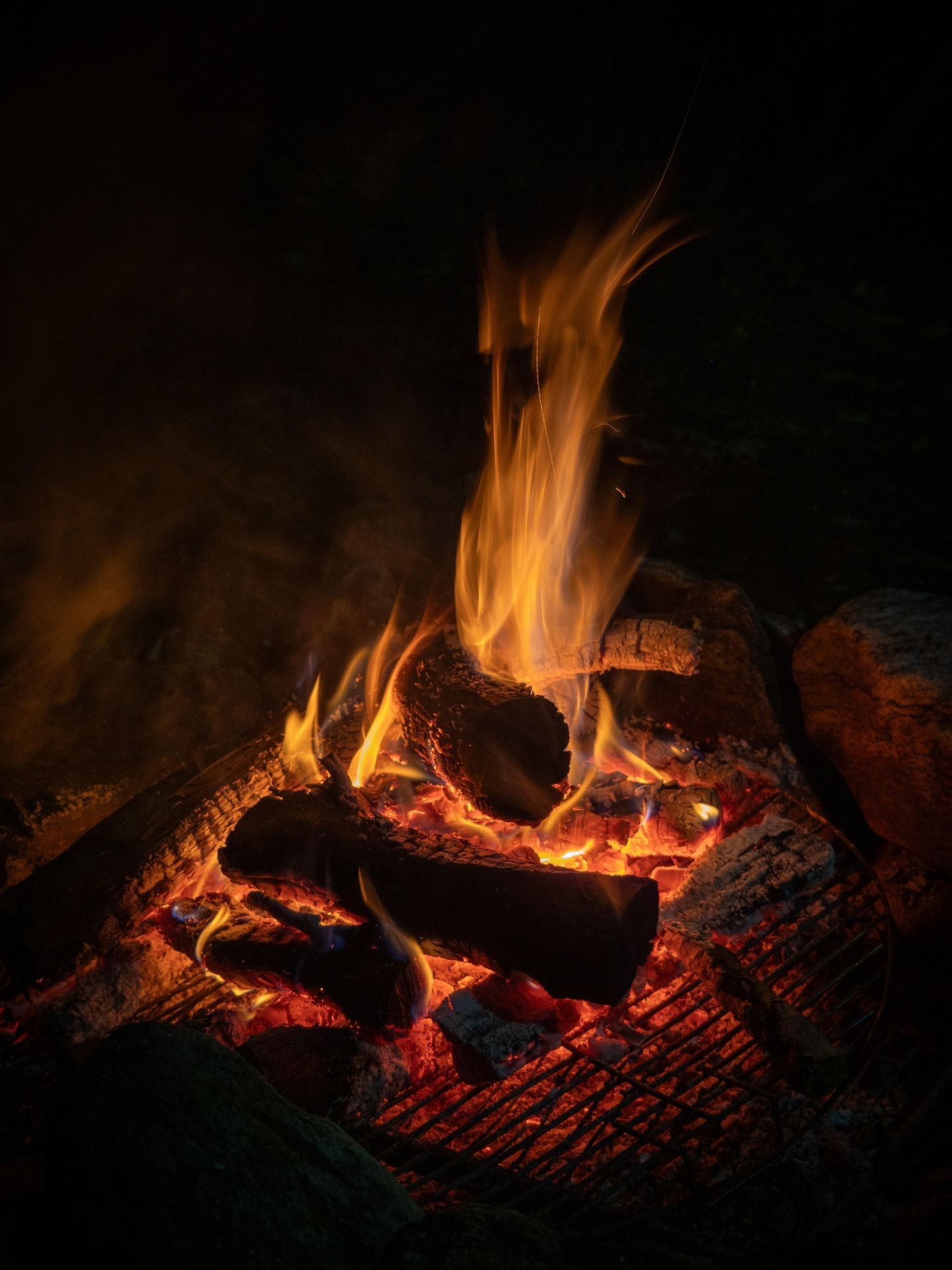
How to Deal With Hot Ashes After a Campfire
A campfire can look finished long before the ashes are actually cool.
Ash can contain hot embers that remain capable of causing burns or reigniting nearby material. This makes dealing with ashes an important part of properly finishing a fire activity.
For Scouts, understanding hot ashes is a useful way of learning that fire safety doesn’t end when the visible flames disappear.
Why Are Campfire Ashes Dangerous?
Ash may look harmless, particularly when it has turned grey or white.
However, hot embers can be hidden underneath the surface.
Ash can also retain heat for a considerable amount of time.
This means that picking up, spreading or moving ashes too soon can result in burns or expose hot material to fresh oxygen.
Ash Is Not Necessarily Cold
One of the most important lessons is:
Grey ash does not automatically mean cold ash.
The colour of the material isn’t enough to confirm that it is safe.
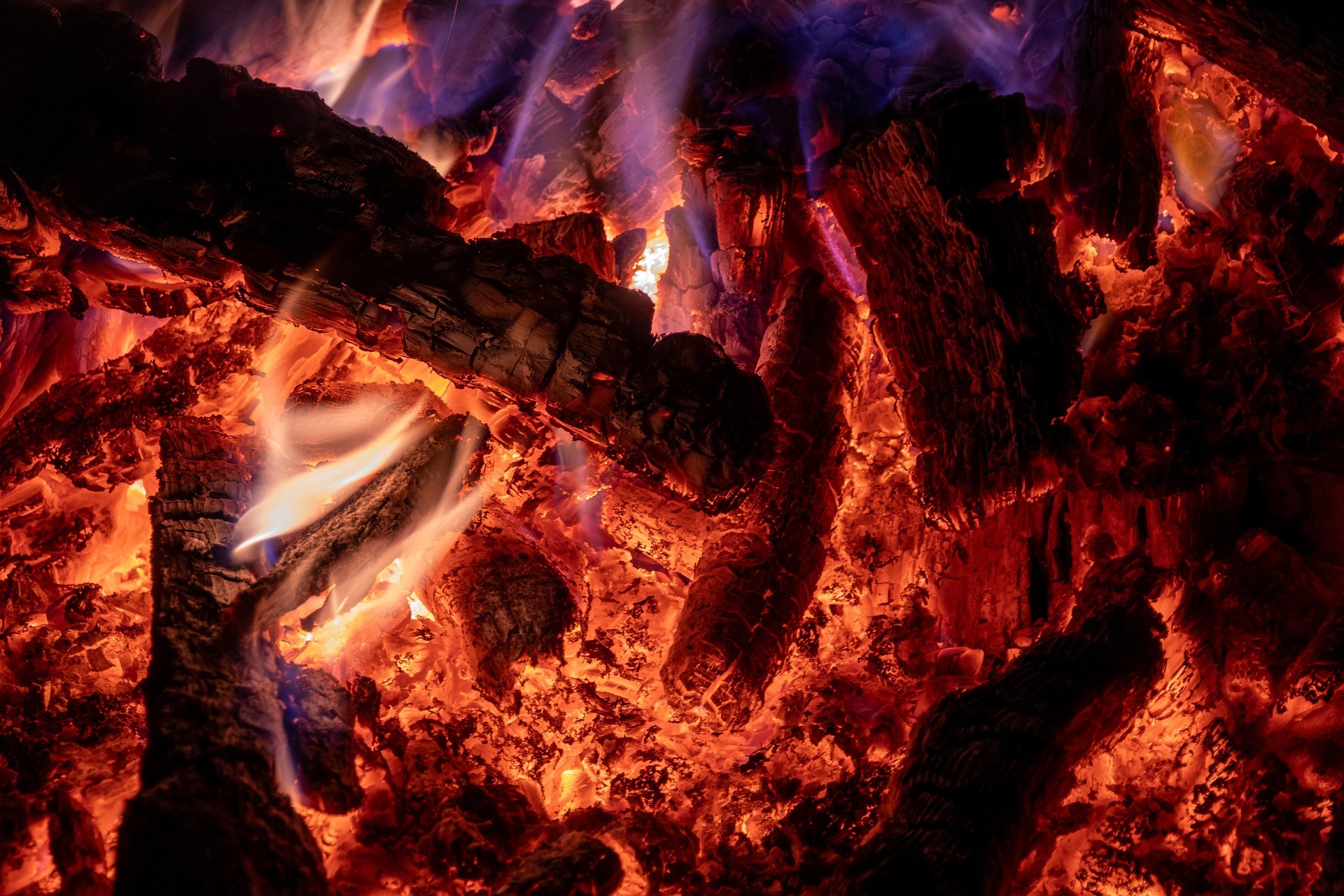
Hot embers may be buried underneath a layer of ash and remain difficult to see.
Always follow the appropriate extinguishing procedure before treating the ashes as safe.
Don’t Touch Hot Ashes
Never test ashes by touching them with your hands.
This is particularly important when teaching Scouts.
Even if the ash doesn’t look hot, it can contain material that is hot enough to cause serious burns.
Use appropriate tools and methods instead.
Keep Scouts Away From Hot Ashes
Scouts should remain at a safe distance while hot ashes are being dealt with.
There is little reason for children to handle hot ash as part of an ordinary fire activity.
Leaders should manage the final stages of the fire and make sure the group understands why the ashes are still dangerous.
Extinguish the Fire First
Don’t start dealing with ashes as though they are ordinary waste while the fire is still active.
The fire should first be properly extinguished using the appropriate method for the fire and location.
Once the fire has been extinguished, continue checking for remaining heat and embers.
Water Can Help Cool Ashes
Where water is the appropriate method for the fire, it can help cool hot ash and remaining embers.
Apply it carefully.
Water contacting very hot material can produce steam, so avoid leaning over the fire while doing this.
Follow the site’s procedures if a specific method or equipment is provided.
Don’t Assume One Pour Is Enough
Water on the surface doesn’t necessarily mean everything underneath has cooled.
Hot material can remain beneath ash or between pieces of charcoal.
Continue with the appropriate extinguishing process and check the fire thoroughly.
The aim is to ensure that remaining material cannot readily reignite.
Stirring Ashes
Depending on the fire and location, carefully stirring or moving the ash may help expose hidden hot embers.
This should only be done by someone who understands the risks and has appropriate equipment.
Never use your hands.
Take care not to scatter hot ash or embers beyond the fire area.
Use Appropriate Tools
If ash needs to be moved, use suitable fire tools.
Remember that metal tools can become hot themselves.
Don’t leave them where Scouts might accidentally pick them up.
Allow equipment to cool safely after use.
Don’t Kick Ashes Around
Kicking or spreading ashes with footwear is not a safe way to deal with a fire.
It can scatter hot material and embers across a wider area.
It can also make it much harder to identify where the remaining heat is located.
Keep the ashes contained.
Don’t Scatter the Ashes
Avoid spreading ash around the campsite simply because the fire has finished.
Scattered embers can create additional hazards.
Keep the material within the appropriate fire area until it has been safely dealt with.
Follow the campsite’s instructions for ash disposal.
Watch for Glowing Embers
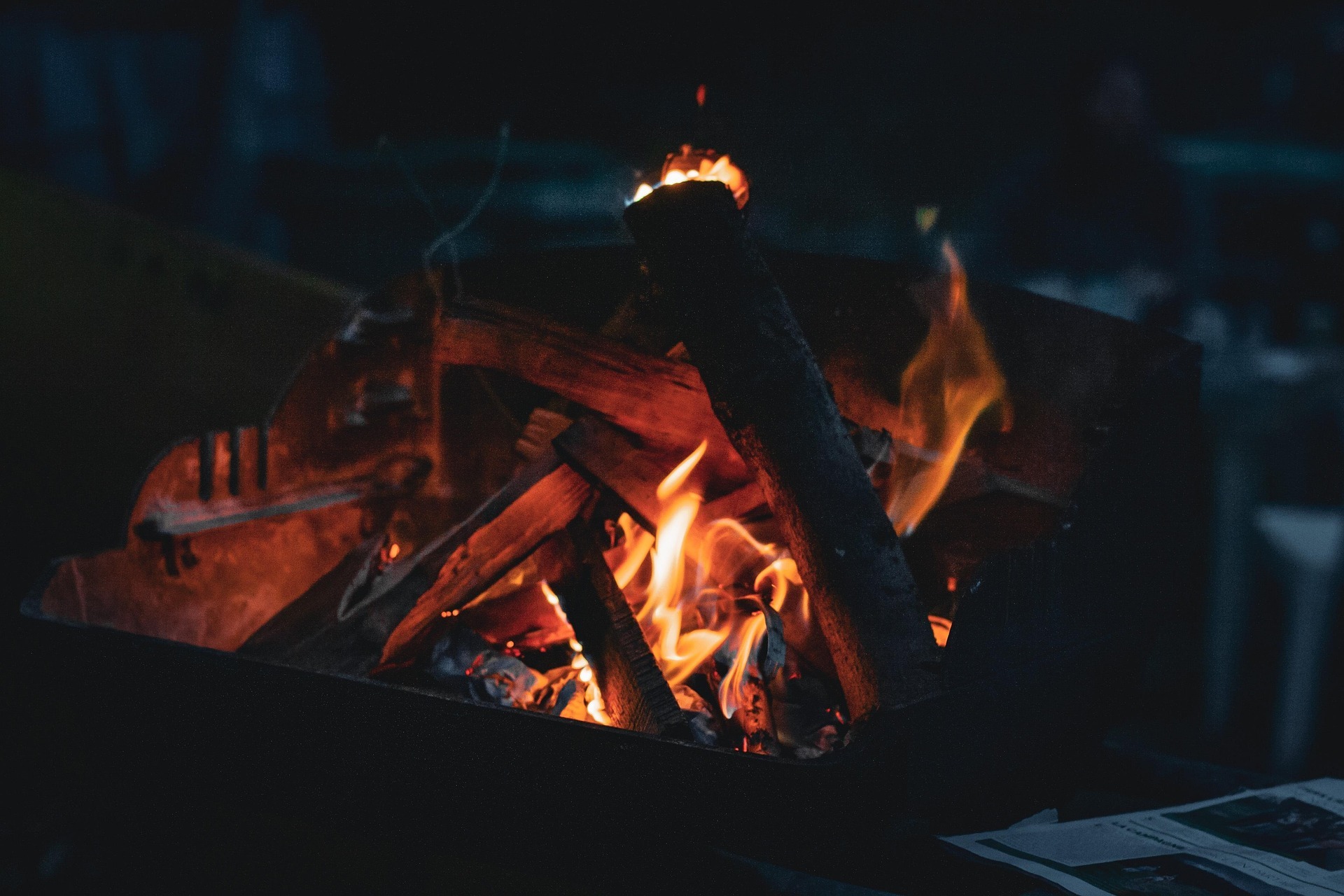
Look carefully for red or orange areas within the ash.
These are clear signs that hot material remains.
Don’t allow Scouts to approach them.
Continue the appropriate extinguishing process until the embers have been dealt with.
Watch for Smoke
Smoke coming from ash indicates that something is still hot or smouldering.
Don’t assume that a small amount of smoke can simply be ignored.
Identify the source if it can be done safely and continue cooling or extinguishing the material as appropriate.
Check Under Logs
Large pieces of partially burned wood can hide hot material underneath.
If the fire contains logs or charcoal, pay attention to areas where embers may remain.
Use appropriate tools to move material only when necessary and safe.
Don’t reach into the fire area.
Hot Charcoal Can Be Particularly Deceptive
Charcoal can retain significant heat even when there are few visible flames.
It may also be capable of reigniting when exposed to air.
Treat charcoal and larger embers as hot until they have been properly extinguished and cooled.
Ash and Cooking Fires
Cooking fires can produce additional material that needs care.
Food residue, grease and charcoal may remain hot after cooking has finished.
Don’t assume that a cooking fire is safe simply because the meal is finished.
Complete the extinguishing process before dealing with the equipment and ash.
Don’t Pour Water on Hot Cooking Equipment
Water can cause hot metal to react rapidly and may produce steam or splashing.
Allow cookware to cool appropriately and follow the manufacturer’s guidance.
If water is being used to extinguish the fire itself, apply it carefully to the fire rather than treating every piece of hot equipment in the same way.
Dealing With Ash in Different Weather
Weather affects how ashes behave.
Wind can blow ash and embers around.
Rain may cool the surface without necessarily cooling everything underneath.
Dry weather can increase the consequences of any remaining ember.
Always carry out a proper final inspection regardless of the weather.
Wind and Ashes
Wind can disturb loose ash and expose hot embers.
It can also carry lightweight embers away from the fire area.
If conditions are windy, be particularly careful about moving or disturbing ash.
Make sure the surrounding area has been checked before leaving.
Ashes on Dry Ground
Dry grass, leaves and other vegetation can catch from hot embers.
Don’t allow ash to be scattered across combustible ground.
Keep the fire contained and inspect the surrounding area for escaped embers.
Don’t Put Hot Ashes in a Bin
Hot ashes should never be placed in ordinary rubbish bins.
They can ignite combustible waste and cause a fire.
Only dispose of ash when it has been properly cooled and according to the campsite’s instructions.
Follow Campsite Rules
Different campsites and outdoor locations may have different procedures for dealing with ash.
Some may provide specific ash pits or disposal facilities.
Others may require you to leave an established fire area in a particular condition.
Always follow the rules of the location.
Don’t Take Ash Home While It Is Hot
If a site requires ashes to be removed, make sure they are completely cool and use a suitable container and procedure.
Never transport hot ash in a normal bag, rucksack or other unsuitable container.
If you’re unsure what the site’s procedure is, ask the campsite or landowner.
Check the Fire Area After Dealing With Ash
Once the ash has been dealt with, inspect the surrounding area.
Look for:
A final inspection helps catch problems that may otherwise be missed.
Teach Scouts About Hidden Heat
A simple demonstration can help Scouts understand why ashes require care.
Show them how a fire can lose its flames while retaining glowing embers.
Explain that the material underneath can remain hot even when the surface looks harmless.
The key lesson should be observation rather than touching or handling the material.
Ash Can Be a Useful Learning Opportunity
Once completely cool and handled according to the site’s rules, ash can also help Scouts understand what happens during combustion.
Wood doesn’t simply disappear.
Some of the material is converted into gases and smoke during burning, while mineral material remains as ash.
This can provide a useful link between practical firecraft and basic science.
Don’t Assume Rain Has Solved the Problem
A heavy shower can make a fire look completely finished.
However, water may not have reached every hot ember.
Don’t rely on weather to extinguish a fire.
Carry out the normal extinguishing and checking process.
Don’t Leave Ash for Someone Else
If you’re responsible for the fire, you’re also responsible for making sure it has been properly dealt with.
Don’t leave hot ash behind for campsite staff or the next group to discover.
Follow the site’s procedures and leave the area in a safe condition.
When Ash Becomes a Fire Hazard
Treat the situation seriously if:
Keep people away and follow the appropriate emergency procedure.
If a fire is spreading or cannot be safely controlled, move to a safe location and call 999 for the Fire and Rescue Service.
A Simple Ash-Safety Routine
A useful routine is:
Extinguish the fire properly.
Cool remaining hot material using the appropriate method.
Check for hidden embers and heat.
Contain the ash within the appropriate fire area.
Inspect the surrounding ground.
Dispose of ash only when completely cool and according to site rules.
This helps make the final stages of a fire activity more consistent.
Final Thought for Leaders
Ashes can look harmless, but they can hide a surprising amount of heat.
Teaching Scouts to treat ash with respect reinforces one of the most important lessons of firecraft: the danger doesn’t necessarily disappear when the flames do.
If the ash could still be hot, the fire isn’t finished yet.
🔒Ready to test your survival skills?
Join Survival Guides UK for free, complete challenges, earn badges and increase your Survival Level.
JOIN FREE →
CRAIG BURR
FOUNDER · SURVIVAL GUIDES UK
I'm Craig, the person behind Survival Guides UK. I created SGUK because I wanted somewhere people could learn real outdoor skills in a practical, straightforward way — from lighting a fire and tying knots to navigation, campcraft and everything in between.
You can read more about the story behind SGUK here as well as our approach here.