How to Extinguish a Fire Safely: A Beginner’s Guide
Putting Your Fire Out Safely
Lighting a fire is an important outdoor skill.
Maintaining one is another.
But knowing when and how to put it out properly is just as important.
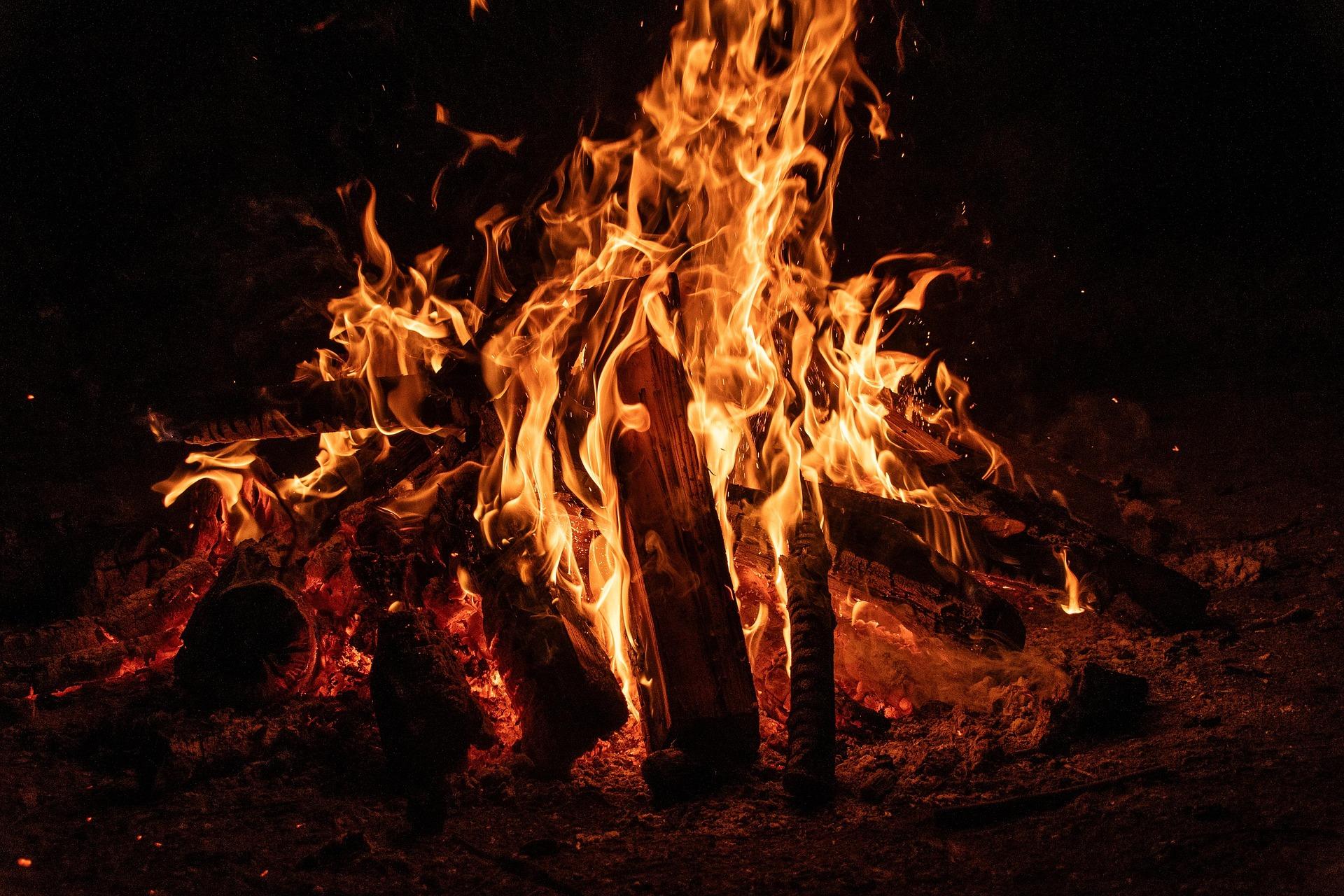
A fire that appears to have gone out can still contain extremely hot embers underneath the ash. These can remain hot for a long time and may be capable of reigniting.
That’s why extinguishing a fire isn’t simply a case of waiting until the flames disappear.
You need to make sure the heat, fuel and embers have all been dealt with.
FIRE SAFETY RULE
If you can still feel heat, the fire isn’t out.
This guide explains the basic principles of safely extinguishing a small, supervised campfire in an appropriate and permitted location.
When Should You Extinguish a Fire?
The best time to think about extinguishing your fire is before you need to leave.
Don’t wait until the last minute.
Allow yourself plenty of time to reduce the fire and make sure it is completely cold.
You should also put a fire out if conditions become unsafe.
For example:
- The wind becomes too strong.
- Sparks are being carried away.
- The fire becomes difficult to control.
- People can no longer safely remain around it.
- You need to leave the area.
- Supervision is no longer available.
TOP TIP
Don’t start extinguishing your fire five minutes before you need to leave.
Give yourself plenty of time to make sure it is completely out.
Stop Adding Fuel
The first step is simple:
Stop feeding the fire.
Don’t add another log just because there are still flames.
Allow the existing fuel to burn down naturally while the fire remains supervised.
This reduces the amount of burning material that needs to be extinguished.
If you know you’re going to be leaving soon, avoid adding large pieces of wood that will continue burning for a long time.
Let the Fire Reduce
Once you’ve stopped adding fuel, allow the fire to reduce.
As the larger pieces of wood burn down, the flames will gradually become smaller and more of the fire will turn into glowing embers.
Don’t rush this stage.
The aim isn’t to make the flames disappear as quickly as possible.
The aim is to safely reduce the amount of burning material before extinguishing the remaining heat.
REMEMBER
Small flames are easier to extinguish than a large burning fire.
Understand the Embers
This is where many beginners make a mistake.
A fire may appear to be finished because there are no tall flames.
But underneath the ash there may still be glowing embers.
These embers can remain extremely hot.
They may also continue burning slowly and can potentially reignite if left unattended.
This is why you should never simply walk away from a fire because the flames have disappeared.
The Fire Triangle
Remember the three things a fire needs:
HEAT
The fire needs sufficient heat to continue burning.
OXYGEN
The fire needs oxygen from the air.
FUEL
There must be something available to burn.
When extinguishing a fire, the aim is to remove or reduce these elements until combustion can no longer continue.
Water is particularly useful because it helps remove heat.
DID YOU KNOW?
The hissing sound you hear when water hits hot embers is caused by water rapidly absorbing heat and turning into steam.
Use Water to Extinguish the Fire
For a suitable campfire where water is an appropriate extinguishing method, thoroughly douse the fire with water.
Don’t just pour a small amount around the outside.
The water needs to reach the burning and smouldering material.
Carefully apply water to the fire and embers.
You may hear hissing as the hot material cools.
Continue until the hissing stops and there are no remaining signs of heat or combustion.
SAFETY TIP
Be careful when adding water to very hot embers.
Steam can rise suddenly and cause burns.
Keep your face and hands away from the area as you add water.
Stir and Soak
Once the fire has been thoroughly doused, carefully stir the ashes and remaining material using an appropriate tool.
This helps expose hot material that may be hidden underneath.
Then apply more water.
The aim is to soak the remaining material, not simply wet the surface.
Continue checking and cooling the fire until it is completely extinguished.
REMEMBER
Don’t just wet the top.
Hot embers can hide underneath ash and partially burned wood.
Check for Heat
This is one of the most important parts of extinguishing a fire.
Don’t rely on sight alone.
Once the fire has been doused and stirred, carefully check for remaining heat using an appropriate method.
The fire should have:
If you find heat, add more water and continue cooling the fire.
The Cold Ash Test
A properly extinguished fire should be cold.
If the remaining material is still hot, the job isn’t finished.
THE GOLDEN RULE
If it’s too hot to touch safely, it’s too hot to leave.
Never put your bare hands into a fire to test whether it is cold.
Use sensible precautions and appropriate tools.
Don’t Forget the Logs
Large pieces of wood can be deceptive.
A log may appear black and burned on the outside while still containing a hot core.
Turn or reposition remaining material carefully using suitable tools and thoroughly wet it.
Pay particular attention to:
- Large logs
- The underside of logs
- Gaps between pieces of wood
- Ash underneath the fire
- Areas that are still glowing
- Partially burned material
Make sure everything has been cooled.
What About Ash?
Ash can retain heat for much longer than you might expect.
Don’t assume that a pile of grey ash is automatically cold.
Hot embers can be hidden underneath.
Thoroughly cool the ash before leaving the site.
If you’re using a campsite or designated fire area, follow the site’s instructions for disposing of or leaving cooled ash.
TOP TIP
Ash isn’t automatically cold.
Treat it as potentially hot until you’ve checked it properly.
Never Leave a Fire Smouldering
A smouldering fire is not a safe fire.
You may not see flames, but combustion can still be taking place underneath the surface.
A smouldering fire can produce smoke, retain significant heat and potentially reignite.
If you’re leaving the area, the fire needs to be fully extinguished, not simply reduced to a few glowing embers.
What If You Don’t Have Water?
Water is commonly used for extinguishing campfires, but you should always consider the particular fire, location and equipment available.
Don’t improvise with unsuitable substances.
If you are running an organised activity, you should have an appropriate means of extinguishing the fire planned before it is lit.
If a fire becomes unsafe or you cannot safely extinguish it, move people away and seek appropriate emergency assistance.
SAFETY FIRST
Never put yourself in danger trying to extinguish a fire.
If the fire is spreading or beyond your ability to control, get everyone to safety and call 999.
What You Should Never Do
There are some important things to avoid when extinguishing a fire.
Never:
Fire and Wind
Wind can continue to be a problem even while you’re putting the fire out.
A gust can carry hot ash and embers away from the fire area.
Watch the surrounding ground as you extinguish the fire.
Look for:
- Flying embers
- Smoke
- Glowing material
- Burning vegetation
- Sparks being carried by the wind
If you discover that the fire has spread beyond the original fire area, move people away and treat it as an emergency rather than trying to deal with it yourself.
The Final Check
Once you believe the fire is out, stop and check it again.
Look carefully around the whole fire area.
Ask yourself:
Can I see any flames?
Can I see any glowing embers?
Can I see smoke?
Can I detect remaining heat?
Could anything reignite?
If the answer to any of these questions is yes, continue extinguishing the fire.
Only leave once you’re satisfied that it is completely cold and safe.
THE COLD FIRE RULE
No flames. No smoke. No glowing embers. No significant heat.
That’s what you’re looking for before you leave.
Leaving the Fire Area
Extinguishing the fire is only part of leaving the site safely.
Once the fire is completely cold, check the surrounding area.
Make sure:
- No burning material has escaped.
- No hot embers remain outside the fire area.
- All appropriate equipment has been dealt with.
- The area has been left according to the site’s instructions.
- No rubbish has been left behind.
If you’re camping on managed land, follow the campsite or landowner’s instructions.
The goal is to leave the site safe for the next person — and safe from the risk of fire.
Fire Extinguishing Challenge
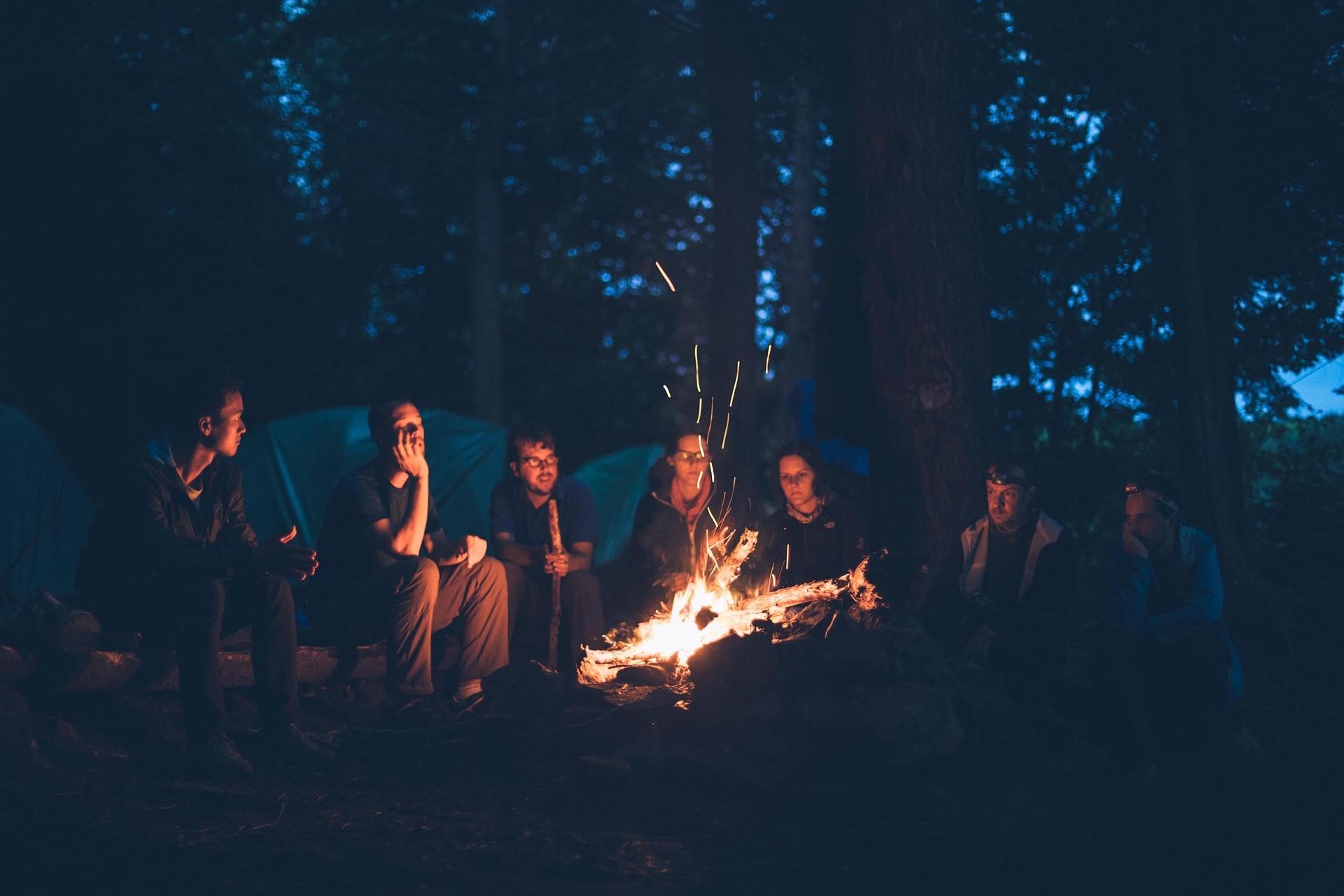
The next time you’re taking part in a supervised campfire, don’t just watch the flames disappear.
Watch the whole process.
Can you identify:
- When the fire has stopped receiving fuel?
- When the flames have reduced?
- Where the hottest embers are?
- Which logs still contain heat?
- Where ash is hiding hot material?
- When the fire is genuinely cold?
Understanding what is happening makes you a much better fire manager.
Extinguishing Fire Checklist
Fire Extinguishing and Scouts
Learning how to safely extinguish a fire is an important part of responsible outdoor skills.
For Scouts, the lesson goes beyond simply putting water on a campfire.
Young people can learn about the fire triangle, heat, embers, risk assessment and responsibility.
Most importantly, they learn that starting a fire creates a responsibility to finish the job properly.
SCOUT TIP
A good firelighter knows how to start a fire.
A skilled firelighter knows how to put it out properly.
Always follow the current Scouts guidance and the instructions of your Scout leader when taking part in fire activities.
SurvivalGuidesUK is an independent educational resource and isn’t an official Scouts website. Always follow the current Scouts programme requirements and your leader’s instructions.
Final Thoughts
Putting a fire out properly might not be the most exciting part of learning firecraft, but it is one of the most important.
Anyone can watch flames disappear.
A skilled firelighter understands what happens afterwards.
They know that embers can remain hot.
They know that ash can hide burning material.
And they know that a fire isn’t finished until it is completely cold and safe.
Take your time.
Cool it thoroughly.
Check it carefully.
And never be tempted to leave a fire that is still producing heat.
Learning how to extinguish a fire properly is the final step in responsible firecraft.
SurvivalGuidesUK Safety Notice
Fire can cause serious injury, property damage and wildfires.
This article provides general educational information and does not replace appropriate training, supervision, risk assessment, local restrictions, landowner requirements or organisational safety procedures.
Children and young people should only participate in fire-related activities with appropriate adult supervision and suitable safety arrangements.
Always follow the current guidance provided by the landowner, campsite, emergency services, Scouts or other organisation responsible for the activity.
🔒Ready to test your survival skills?
Join Survival Guides UK for free, complete challenges, earn badges and increase your Survival Level.
JOIN FREE →
CRAIG BURR
FOUNDER · SURVIVAL GUIDES UK
I'm Craig, the person behind Survival Guides UK. I created SGUK because I wanted somewhere people could learn real outdoor skills in a practical, straightforward way — from lighting a fire and tying knots to navigation, campcraft and everything in between.
You can read more about the story behind SGUK here as well as our approach here.