Fire Maintenance: How to Keep a Campfire Burning Safely and Efficiently
Keeping Your Fire Burning
Lighting a fire is only the beginning.
Once you’ve successfully built and lit a fire, you need to know how to keep it burning properly.
This is where fire maintenance comes in.
A well-maintained fire should provide the heat and light you need without becoming unnecessarily large, smoky or difficult to control.
Learning how to maintain a fire is an important outdoor skill for campers, Scouts, bushcrafters and anyone who wants to become more confident around a campfire.
The key is understanding what your fire needs — and knowing when it needs less.
The key is understanding what your fire needs — and knowing when it needs less.
FIRE SKILL
A good fire isn’t simply one that burns.
A good fire is one that you can control.
Safety First
Never light an open fire simply because you are outdoors.
In England, government guidance advises avoiding open fires in the countryside and only having them in safe, designated areas. Always follow local restrictions, landowner or campsite rules and the requirements of the organisation you are taking part with.
For Scout activities, follow the current Scouts safety guidance, including permission, risk assessment, appropriate supervision and an appropriate emergency plan.
FIRE SAFETY RULE
If you aren’t sure whether a fire is allowed or safe, don’t light it.
A portable camping stove may be a safer and more appropriate alternative.
What Does Fire Need?
Before learning how to maintain a fire, it helps to understand what keeps it burning.
Remember the Fire Triangle:
HEAT
The fire needs enough heat to keep the fuel burning.
OXYGEN
The fire needs a supply of oxygen to continue combustion.
FUEL
Something needs to burn.
If one of these is missing, the fire will eventually go out.
Fire maintenance is largely about keeping these three elements in balance.
Too little fuel and the fire dies.
Too much fuel and you can create a large, smoky and difficult-to-control fire.
Too little oxygen and the fire struggles to burn properly.
DID YOU KNOW?
Sometimes adding more wood isn’t the answer when a fire is struggling.
The problem may simply be a lack of airflow.
Choosing the Right Firewood
The fuel you use has a huge effect on how your fire behaves.
For a typical campfire, you want suitable, dry firewood that burns predictably.
Different sizes of wood have different jobs.
Tinder
Tinder consists of small, easily ignited material used to get the initial flame established.
Kindling
Kindling is slightly larger and helps transfer the flame from the tinder to your main fuel.
Fuel Wood
Larger pieces of wood provide the longer-lasting heat needed to maintain the fire.
You can read more about starting a fire in our guide:
How to Light a Fire Safely: A Beginner’s Guide
Dry Wood Burns Better
Dry wood is generally much easier to burn than wet wood.
Wet wood has to lose much of its moisture before it can burn efficiently, which means it can produce more smoke and less useful heat.
If you’re collecting wood outdoors, always follow the rules of the land you’re on. Don’t assume that fallen wood can be collected or that cutting living trees is permitted.
Where possible, use suitable firewood provided by the campsite or landowner.
TOP TIP
Keep your unused firewood dry and away from rain, damp ground and the immediate heat of the fire.
Feed the Fire Gradually
One of the most common mistakes beginners make is adding too much wood.
It can be tempting to throw several large logs onto the fire when the flames begin to reduce.
Instead, add fuel gradually.
Watch how the fire responds before adding more.
A few appropriately sized pieces can often maintain a useful fire without creating excessive flames.
The Aim
You’re not trying to make the biggest fire possible.
You’re trying to maintain the right amount of fire for what you’re doing.
Cooking may require a different fire from one being used simply for warmth.
A group sitting around a fire may need less heat than someone cooking over it.
Give Your Fire Enough Air
Oxygen is one of the three things your fire needs to keep burning.
If your fuel is packed together too tightly, air may not be able to circulate properly.
This can result in a fire that smoulders and produces lots of smoke rather than burning cleanly.
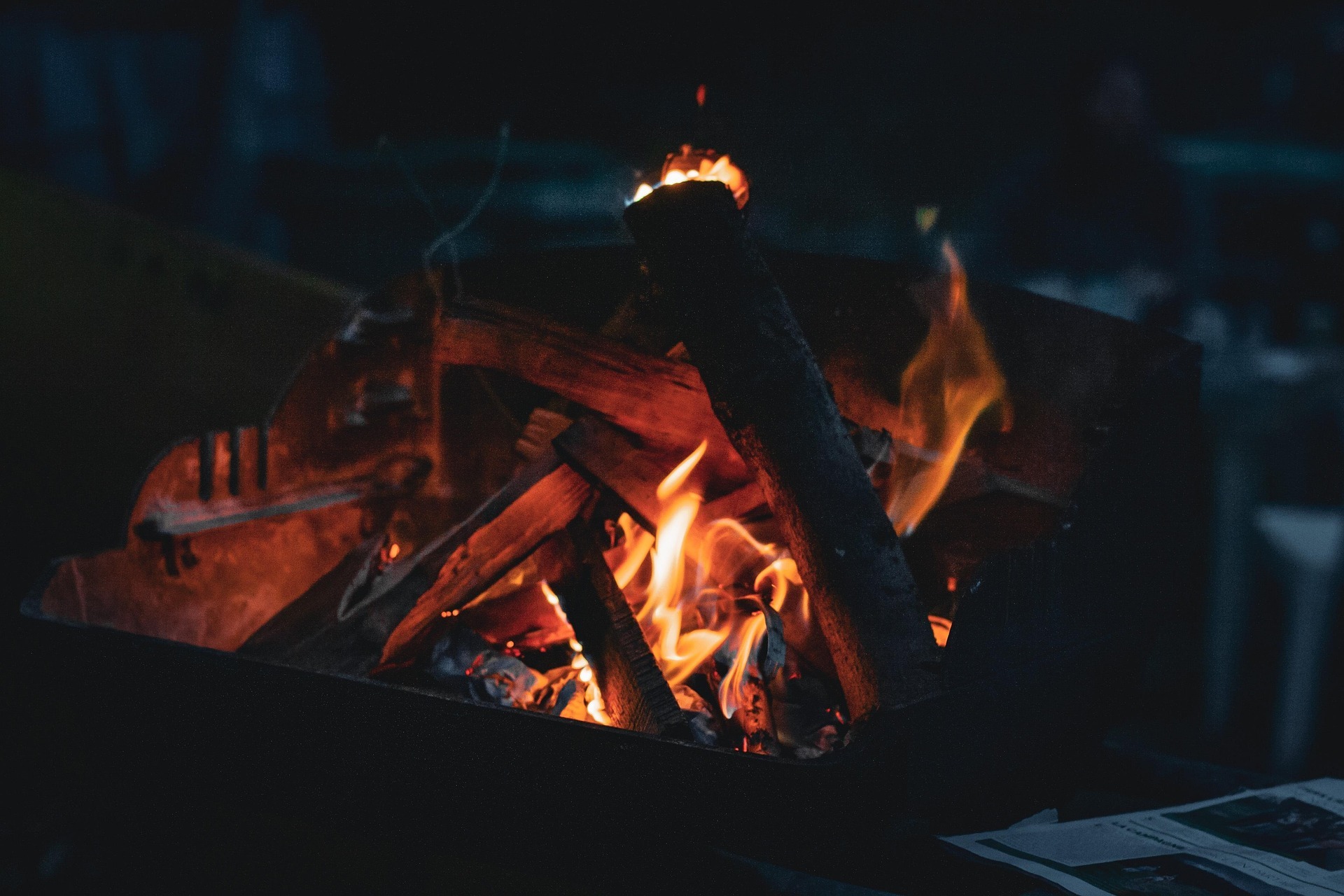
When adding logs, avoid completely smothering the flames.
Leave enough space for air to move around the fuel.
REMEMBER
Fire needs air.
Don’t bury a healthy flame under a huge pile of wood.
Understanding Flames
The flames can tell you a lot about what is happening inside your fire.
A healthy, active flame generally means that the fire has sufficient heat, fuel and oxygen.
A fire that is producing lots of smoke may indicate:
- Damp fuel
- Insufficient airflow
- Too much fuel
- Poorly arranged wood
- Material that isn’t suitable for burning
Smoke isn’t always a sign that something is wrong, but a persistently smoky fire is worth investigating.
Rather than simply adding more wood, look at the whole fire.
Managing the Heat
Not every fire needs to be roaring.
In fact, controlling the heat is an important part of fire maintenance.
If the flames become larger than necessary, reduce the amount of fuel being added.
If you need more heat, you may need to add suitable fuel gradually or adjust the arrangement of the existing wood.
For cooking, managing heat becomes particularly important.
A huge flame isn’t necessarily better for cooking. In many situations, a bed of hot embers can provide more useful and controllable heat than tall flames.
COOKING TIP
Don’t judge the heat of a cooking fire by the height of the flames alone.
Hot embers can provide steady heat without large flames.
Managing the Embers
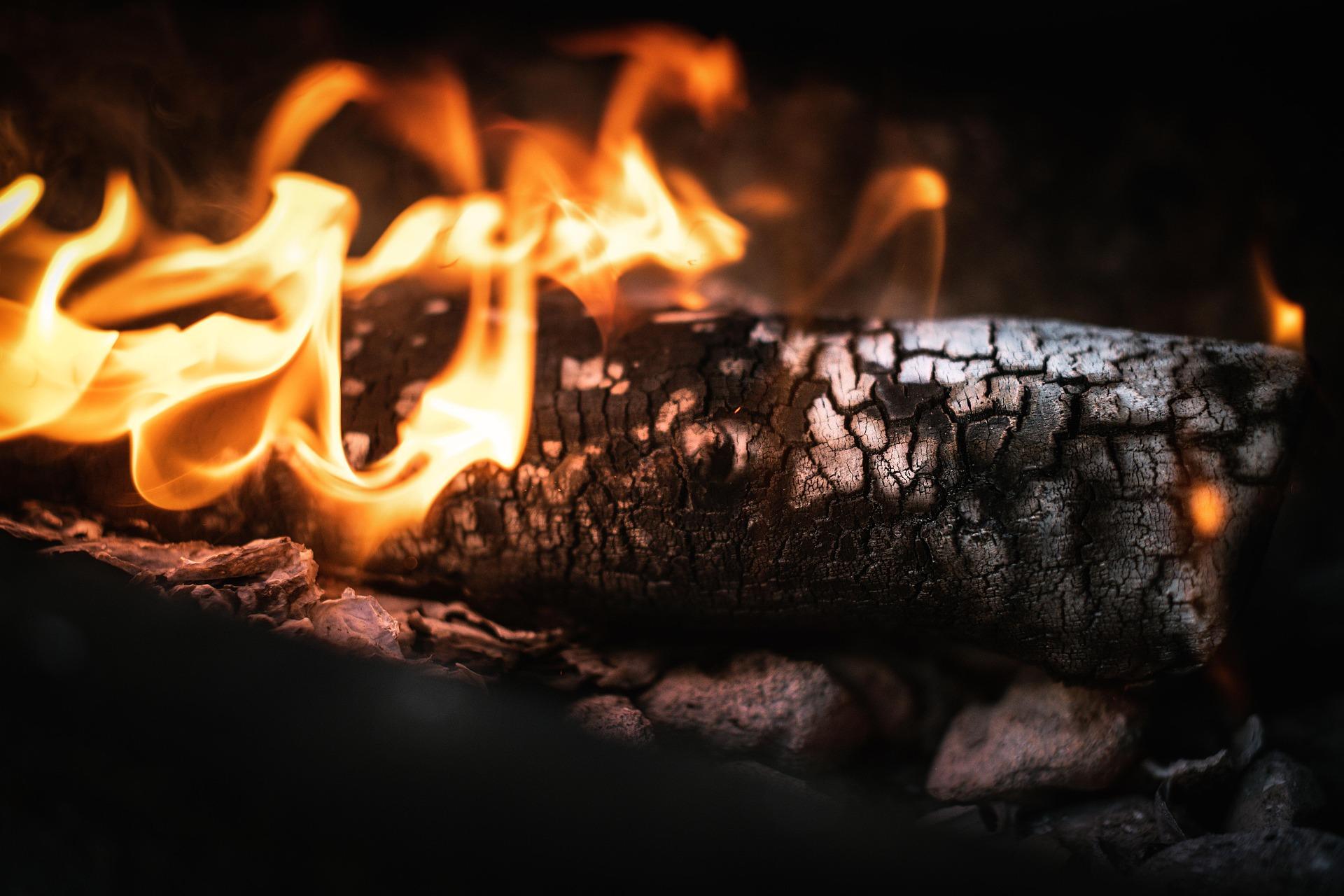
Embers are an important part of a campfire.
Once wood has burned down, the glowing embers can continue producing significant heat.
A good bed of embers can help maintain the temperature of a fire and is particularly useful for cooking.
However, embers can also remain dangerously hot for a long time.
Treat them with the same respect as flames.
Never assume that a piece of wood is safe to touch simply because there are no flames coming from it.
SAFETY REMINDER
Glowing embers are still extremely hot.
Never handle them with your bare hands.
Moving Burning Logs
Sometimes a log may need repositioning.
This should only be done with appropriate equipment and by someone who understands the risks.
Never use your hands.
A burning log can roll unexpectedly, sending sparks or embers outside the fire area.
If you’re using tools such as a fire poker, make small, controlled movements.
Don’t aggressively stir or scatter the fire.
The aim is to improve the arrangement of the fire, not to spread it around.
Don’t Constantly Disturb the Fire
Fire maintenance doesn’t mean constantly poking the flames.
A fire needs time to burn.
If you continually move the wood around, you can disturb the structure of the fire and cause burning material to collapse.
Instead, watch the fire and make adjustments when they’re actually needed.
Good fire management is often about doing less, but doing it at the right time.
How to Tell When Your Fire Needs More Fuel
There are several signs that your fire may need additional fuel.
You might notice:
- Flames becoming smaller
- Logs burning down
- Less heat being produced
- The fire becoming mostly embers
- Fuel no longer maintaining a useful flame
If the fire is still producing enough heat for what you’re doing, you may not need to add anything.
Don’t add fuel simply because you can.
TOP TIP
Before adding another log, ask yourself:
“Do I actually need more fire?”
How to Tell When Your Fire Has Too Much Fuel
The opposite problem is adding too much.
Signs can include:
- Excessively large flames
- Lots of sparks
- Logs collapsing into the fire
- Heat becoming uncomfortable or unsafe
- The fire becoming difficult to control
- Flames spreading beyond the intended fire area
If this happens, stop adding fuel and allow the fire to reduce.
If conditions become unsafe, follow your fire safety procedures and extinguish the fire.
Fire Maintenance in Windy Conditions
Wind can make maintaining a fire much more difficult.
A strong or changing wind can increase the amount of oxygen reaching the fire and can carry sparks and embers away from it.
If the wind increases:
- Stop adding unnecessary fuel.
- Watch for flying sparks.
- Check the surrounding area.
- Keep people at a safe distance.
- Be prepared to extinguish the fire.
There is no prize for keeping a fire burning in unsuitable conditions.
FIRE SAFETY
If you can no longer confidently control your fire, put it out.
Maintaining a Fire Overnight
If you’re camping overnight, you may be tempted to keep a fire burning for warmth.
This requires particular care.
Never assume that a fire can simply be left burning while everyone sleeps.
An unattended fire can spread, produce sparks or cause nearby materials to catch fire.
If a fire is not being actively supervised, it should be extinguished according to the appropriate safety procedure.
Fire Maintenance and Scouts
Learning to maintain a fire is a useful part of developing outdoor skills.
Scouts can learn how fuel, airflow, heat and fire structure affect the way a fire burns.
The important lesson isn’t simply being able to keep a fire going.
It’s learning to make sensible decisions.
When should you add fuel?
When should you leave the fire alone?
When should you reduce it?
And when is it time to put it out?
These decisions develop observation, judgement and responsibility — all important outdoor skills.
SCOUT TIP
A skilled firelighter doesn’t fight the fire.
They observe what the fire is doing and make small adjustments to keep it under control.
Common Fire Maintenance Mistakes
Adding Too Much Wood
More wood doesn’t automatically mean a better fire.
Add fuel gradually.
Using Wet Wood
Wet wood can produce excessive smoke and make it difficult to maintain a useful fire.
Blocking the Airflow
Packing logs too tightly can restrict the oxygen the fire needs.
Making the Fire Too Large
A fire should be appropriate for its purpose and surroundings.
Constantly Poking the Fire
Only adjust the fire when necessary.
Ignoring the Embers
Embers remain extremely hot and can stay dangerous long after the flames disappear.
Forgetting About the Wind
A changing wind can quickly alter the behaviour of a fire.
The Fire Maintenance Challenge
Next time you’re using a supervised campfire, spend some time simply observing it.
Before adding anything, ask yourself:
- What is the fire doing?
- Is it producing enough heat?
- Does it need more fuel?
- Is there enough airflow?
- Are the logs arranged effectively?
- Is the fire getting too large?
- Are sparks escaping?
- Are the conditions still suitable?
Try to make the smallest adjustment necessary.
This is one of the best ways to develop your understanding of fire.
Fire Maintenance Checklist
Final Thoughts
Maintaining a fire is about much more than keeping the flames alive.
It’s about understanding how the fire responds to fuel, oxygen, heat and the surrounding conditions.
Once you learn to recognise what your fire is telling you, maintaining it becomes much easier.
Add fuel when it’s needed.
Give it enough air.
Control the heat.
Respect the embers.
And always keep the fire within your ability to manage safely.
Fire maintenance is one of those outdoor skills that improves with practice and observation.
The more time you spend safely watching a fire, the more you’ll begin to understand how it behaves.
And that understanding is what turns fire lighting into genuine firecraft.
SurvivalGuidesUK is an independent educational resource and isn’t an official Scouts website. Always follow the current Scouts programme requirements and your leader’s instructions.
SurvivalGuidesUK Safety Notice
Fire can cause serious injury, property damage and wildfires.
This article provides general educational information and does not replace appropriate training, supervision, risk assessment, local restrictions, landowner requirements or organisational safety procedures.
Children and young people should only participate in fire-related activities with appropriate adult supervision and suitable safety arrangements.
Always follow the current guidance provided by the landowner, campsite, emergency services, Scouts or other organisation responsible for the activity.
🔒Ready to test your survival skills?
Join Survival Guides UK for free, complete challenges, earn badges and increase your Survival Level.
JOIN FREE →
CRAIG BURR
FOUNDER · SURVIVAL GUIDES UK
I'm Craig, the person behind Survival Guides UK. I created SGUK because I wanted somewhere people could learn real outdoor skills in a practical, straightforward way — from lighting a fire and tying knots to navigation, campcraft and everything in between.
You can read more about the story behind SGUK here as well as our approach here.