How to Keep a Campfire Burning Evenly
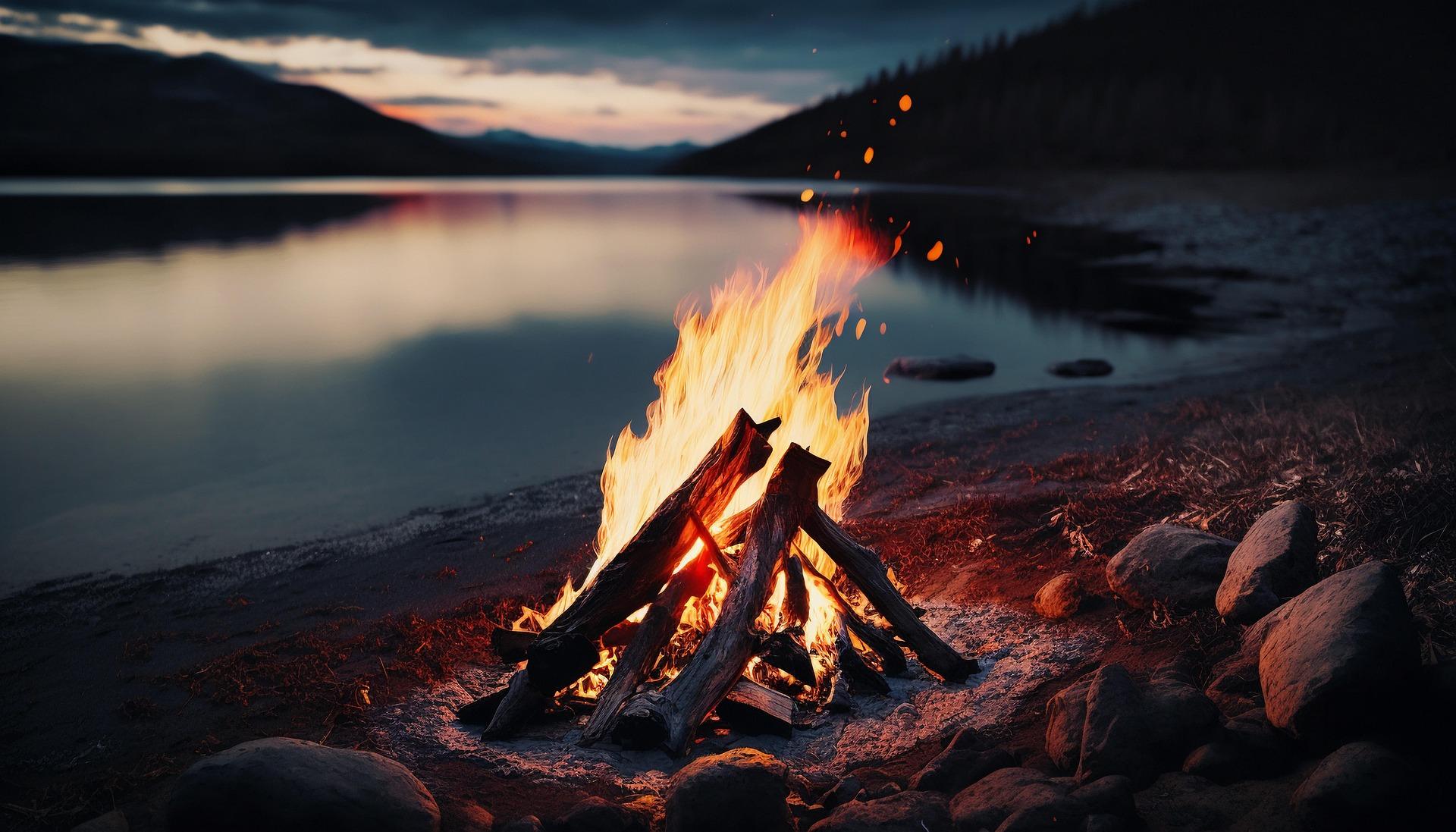
A good campfire doesn’t need to have huge flames to be effective.
For many outdoor activities, the most useful fire is one that burns steadily and predictably, providing a consistent amount of heat without constantly flaring up, smoking or dying down.
Keeping a campfire burning evenly is an important part of fire maintenance. It involves paying attention to the fuel, airflow, fire lay and weather rather than continually adding more wood.
For Scouts, it is a useful skill because it encourages observation and teaches how small changes can affect a fire.
What Does an Evenly Burning Fire Look Like?
An evenly burning fire should be reasonably steady for its purpose.
It doesn’t necessarily mean that every part of the fire looks identical.
Depending on the fire lay and what it is being used for, you may have different areas of flame and hot embers.
The important thing is that the fire remains controlled and provides the heat required without unnecessary fluctuations.
Start With a Suitable Fire Lay
The arrangement of the fire affects how it burns.
Different fire lays can provide different airflow, fuel arrangements and heat patterns.
Choose a fire lay that suits the purpose of the activity and the conditions.
A fire intended for cooking may need a different arrangement from one being used for warmth or a demonstration.
Use Suitable Fuel
The quality and condition of the fuel can have a major effect on how evenly a fire burns.
Use appropriate, reasonably dry firewood where fires are permitted.
Try to use fuel that is reasonably consistent in size and suitable for the fire.
Very wet or unsuitable fuel can cause the fire to alternate between flames and smoke.
Build a Good Foundation
A fire needs an established base before it can be expected to burn steadily.
Start with suitable tinder and kindling before introducing larger fuel.
Allow the fire to establish itself rather than immediately placing large logs onto a weak flame.
A strong foundation makes later fire maintenance much easier.
Think About Airflow
Fire needs oxygen.
If fuel is packed too tightly together, airflow can be restricted and the fire may begin to smoulder.
On the other hand, excessive airflow can make flames burn very vigorously.
The arrangement of the fuel should allow the fire to breathe without making it unnecessarily exposed to wind.
Don’t Keep Rearranging the Fire
Constantly moving wood around can make a fire less predictable.
Every time fuel is disturbed, the airflow and position of the embers can change.
Make adjustments when there is a good reason rather than continually poking or rebuilding the fire.
Sometimes the best way to maintain a fire is simply to leave it alone for a while.
Add Fuel Gradually
Adding too much fuel at once can cause a sudden increase in flame and heat.
Instead, add suitable pieces gradually.
Give the new fuel time to catch before deciding whether more is required.
This gives you much greater control over the fire.
Keep the Fuel Arranged
Try to keep burning fuel within the intended fire area.
Don’t allow logs to roll randomly towards the edge.
A tidy arrangement also makes it easier to understand what the fire is doing and where additional fuel should be placed.
If burning wood moves unexpectedly, don’t handle it with your bare hands.
Watch the Embers
Flames aren’t the only important part of a campfire.
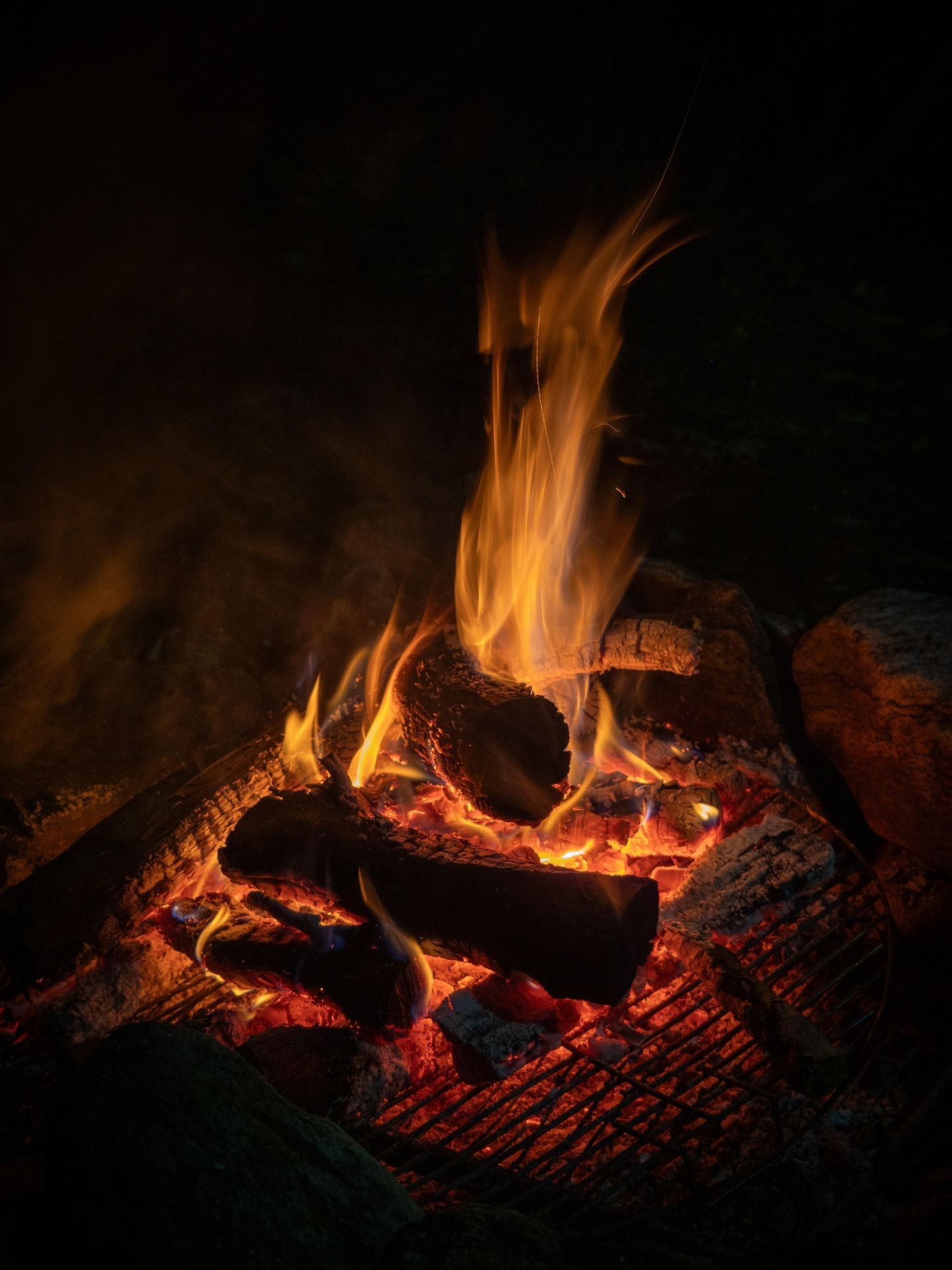
A healthy bed of hot embers can provide steady heat even when flames are relatively small.
This can be particularly useful for cooking.
Don’t assume that a fire with smaller flames is failing.
Look at the overall heat and condition of the fire.
Don’t Chase Big Flames
Large flames aren’t necessarily a sign that a fire is burning well.
A fire that repeatedly flares up may be consuming fuel too quickly.
For many purposes, a controlled flame and steady bed of embers are more useful.
Manage the fire for its purpose rather than for appearance.
What Causes a Fire to Burn Unevenly?
Several things can cause an inconsistent fire.
These include:
Identifying the cause is more useful than simply adding more wood.
When the Fire Keeps Going Out
If flames repeatedly disappear, don’t immediately pile on more fuel.
Check whether the existing fuel is actually burning.
There may be insufficient airflow, damp fuel or too much large wood for the fire’s current size.
Correct the underlying problem where it is safe to do so.
When One Side Burns Faster
A fire may naturally burn more strongly in one area.
This can happen because of the arrangement of the fuel, airflow or the location of the hottest embers.
You don’t necessarily need to correct every small difference.
If the imbalance is affecting the purpose of the fire, carefully adjust the fuel arrangement using appropriate tools and only when safe.
Managing Fuel Sizes
A useful supply of firewood will usually contain pieces of different sizes.
Smaller pieces can help establish or maintain flames, while larger pieces can provide longer-lasting fuel.
Use them appropriately rather than putting large logs onto a weak fire.
The exact arrangement depends on the fire lay and its purpose.
Don’t Overload the Fire
Too much fuel can actually make a fire burn less effectively.
A large pile of wood can restrict airflow and create a smoky, smouldering fire.
It can also produce more heat and flame than required.
If the fire is struggling, adding even more wood may make the problem worse.
Don’t Let the Fire Become Too Small
The opposite problem can also occur.
If the fuel burns away completely, the fire may lose its useful heat.
Watch the fire and add suitable fuel before it gets to that point if the activity still requires it.
Gradual maintenance is easier than trying to rebuild a fire from a few remaining embers.
Weather Can Change the Fire
Even a well-built fire can behave differently when weather conditions change.
Wind can increase airflow and carry sparks.
Rain can dampen fuel and reduce combustion.
Cold temperatures can make people want a larger fire.
Monitor the conditions throughout the activity and adjust the fire appropriately.
If conditions become unsuitable, reduce or extinguish the fire.
Avoid Constantly Poking the Fire
Poking a fire can be useful when there is a specific reason to reposition fuel or improve airflow.
Doing it continuously, however, can disturb the structure of the fire.
It can also break burning wood apart and send embers moving.
Teach Scouts that fire maintenance doesn’t mean constantly interfering with the flames.
Use Tools Carefully
If fire tools are needed, use appropriate equipment and make sure anyone handling it understands the risks.
Metal tools can become extremely hot.
Don’t leave them where Scouts might accidentally touch them.
After use, place them somewhere safe where they can cool.
Keeping a Cooking Fire Even
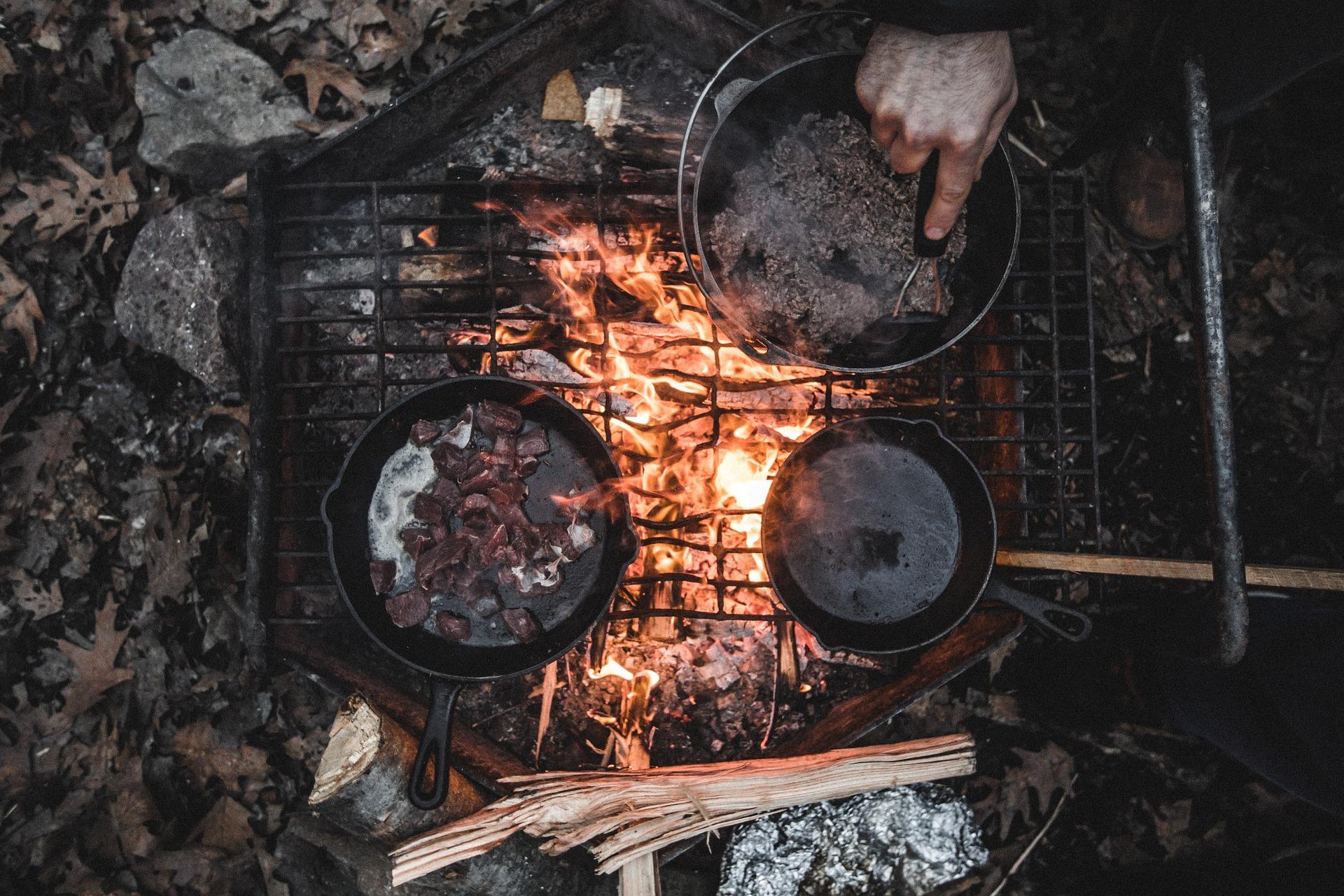
A steady cooking fire can make outdoor cooking much easier.
Rather than aiming for tall flames, focus on creating the appropriate heat for the cooking method.
Depending on the equipment, this may mean maintaining hot embers and adding small amounts of fuel when necessary.
Avoid allowing flames to become so large that they reach around the cookware unnecessarily.
Don’t Constantly Add Fuel While Cooking
When cooking, there can be a temptation to keep feeding the fire.
This can result in excessive heat and make it difficult to control cooking temperatures.
Watch the food and the fire together.
Add fuel when it is actually needed.
Maintaining a Campfire for Warmth
A fire intended to provide warmth should still be appropriately sized.
Don’t continually increase the fire simply because the temperature outside is low.
Position people safely and use suitable clothing and shelter alongside the fire.
A campfire shouldn’t be the only way the group manages cold conditions.
Keep People at a Safe Distance
As the fire changes, the group should not automatically move closer or further away without considering the safety boundary.
Make sure Scouts understand where they should sit or stand.
Keep walkways clear and avoid allowing people to crowd the fire.
Teach Scouts to Observe Before Acting
One of the best fire-maintenance lessons is to pause before changing anything.
Ask:
What is the fire doing?
Why might it be doing that?
Does it actually need adjusting?
What might happen if we add more fuel?
This encourages Scouts to understand the fire rather than simply react to it.
A Simple Fire-Maintenance Routine
A useful routine is:
Observe.
Look at the flames, embers, fuel and smoke.
Assess.
Decide whether the fire needs attention.
Adjust.
Make a small, deliberate change if necessary.
Wait.
Give the fire time to respond.
Observe again.
This avoids making several changes at once and then not knowing which one affected the fire.
Signs That the Fire Is Burning Well
Depending on the type of fire and fuel, positive signs can include:
Remember that every fire behaves differently.
The goal is controlled and useful burning, not a particular appearance.
Signs That Something Needs Attention
Watch for:
If something changes, stop and assess the situation before interfering.
When to Stop Maintaining the Fire
Eventually, the fire no longer needs to be maintained.
If the activity is ending, stop adding fuel and allow it to reduce appropriately.
Then follow the correct procedure for extinguishing and checking the fire.
Don’t leave it burning simply because it is still producing useful heat.
Fire Maintenance Is About Balance
Keeping a fire burning evenly is really about balance.
There needs to be enough fuel without overloading the fire.
There needs to be enough oxygen without excessive airflow.
There needs to be enough heat to keep the fuel burning without creating unnecessary flames.
Understanding this balance is what turns fire lighting into proper fire management.
Final Thought for Leaders
A well-maintained campfire shouldn’t need constant attention.
The aim is to understand what the fire needs, make small adjustments when necessary and then give it time to respond.
Teaching Scouts to observe before acting is one of the most valuable lessons they can take from fire activities.
A good fire manager doesn’t fight the fire. They learn to work with it.
🔒Ready to test your survival skills?
Join Survival Guides UK for free, complete challenges, earn badges and increase your Survival Level.
JOIN FREE →
CRAIG BURR
FOUNDER · SURVIVAL GUIDES UK
I'm Craig, the person behind Survival Guides UK. I created SGUK because I wanted somewhere people could learn real outdoor skills in a practical, straightforward way — from lighting a fire and tying knots to navigation, campcraft and everything in between.
You can read more about the story behind SGUK here as well as our approach here.