Fire Safety in Hot and Dry Weather
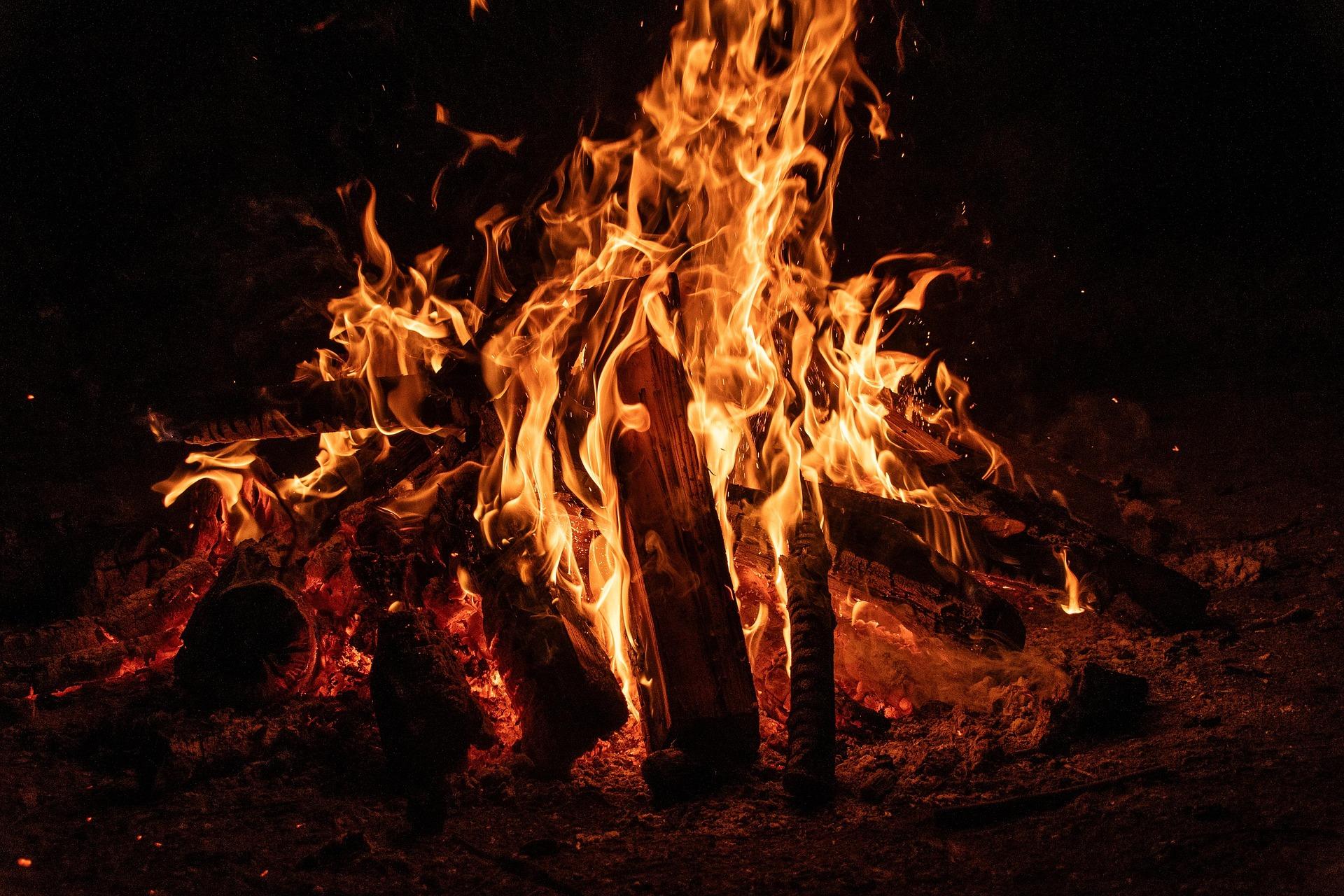
Hot, dry weather can significantly increase the risk associated with outdoor fires.
Grass, leaves, bracken and other vegetation can dry out quickly, making them easier to ignite. A fire that would normally be manageable can also spread much more rapidly when the surrounding environment is dry.
For Scouts and leaders, this means that warm weather should never automatically be treated as ideal campfire weather. The condition of the ground, vegetation and wider environment needs to be considered before deciding whether a fire is appropriate.
Sometimes the safest choice is to leave the matches packed away and choose a different activity.
Why Does Dry Weather Increase Fire Risk?
A fire needs combustible material to spread.
During dry weather, natural materials such as grass, leaves, fallen branches and other vegetation can contain much less moisture than they normally would.
This means they may ignite more readily when exposed to flames, sparks or hot embers.
Dry conditions can also mean that a fire spreads more quickly once it escapes its intended area.
This is why the surrounding environment is just as important as the fire itself.
Hot Weather Doesn’t Always Mean Fire Restrictions
It is important not to make assumptions based solely on temperature.
A hot day doesn’t automatically mean that fires are prohibited, but it can contribute to increased fire risk when combined with dry vegetation, low rainfall or strong winds.
Always check the rules for the particular campsite or location.
There may be temporary restrictions or bans during periods of high fire risk.
Follow the instructions of the landowner, campsite operator and relevant authorities.
Check the Ground Before Lighting a Fire
Look carefully at the proposed fire area.
Is the ground dry?
Is there dead grass or leaf litter nearby?
Are there exposed roots?
Is the surrounding vegetation particularly dry?
Could an ember travel into combustible material?
If the answer to these questions suggests that the fire could spread easily, reconsider whether it should go ahead.
Dry Grass Can Be a Serious Hazard
Grass can become highly flammable during prolonged dry weather.
A fire should not be built directly on long, dry grass.
Even a small ember can potentially ignite dry vegetation.
If the area around an established fire site has become unusually dry, don’t assume that the site is still suitable simply because fires were previously allowed there.
Conditions can change.
Be Careful Around Woodland
Woodland can contain large amounts of dry combustible material during hot weather.
Fallen leaves, dead branches, dry grass and other material can provide a pathway for fire to spread.
Avoid lighting fires close to dry woodland vegetation.
Don’t burn material simply because it is already on the ground.
Use an established and approved fire area where one is available, and follow the site’s rules.
Peat and Other Sensitive Ground
Some ground types can retain heat and allow fire to spread beneath the surface.
Peat is particularly important to consider.
A fire that appears to have been extinguished may continue burning below the surface and potentially spread.
Don’t light fires directly on peat or other unsuitable ground.
If you are unsure about the ground conditions, seek advice from the site operator or choose another activity.
Don’t Assume Green Vegetation Is Safe
Not all vegetation will dry at the same rate.
Some areas may appear green while nearby dead material is extremely dry.
Look beyond the immediate fire site.
Check the wider area for dry grass, dead leaves, fallen branches and other combustible material.
The potential route of a spreading fire matters more than whether the ground immediately beneath the fire looks green.
Check for Fire Restrictions
During periods of increased fire risk, restrictions may be introduced.
These can vary depending on the location and conditions.
Before an outdoor activity, check any relevant campsite rules and current restrictions.
If fires are prohibited, don’t try to find a way around the restriction.
Plan an alternative activity.
Don’t Rely on Yesterday’s Conditions
Fire safety decisions should be based on current conditions.
A site that was suitable for a fire a week ago may no longer be suitable after a prolonged dry spell.
Similarly, rainfall can change conditions considerably.
Leaders should reassess the situation rather than relying on what has happened during previous visits.
Keep the Fire Small
If a fire is permitted and conditions are suitable, don’t make it larger than necessary.
A small, controlled fire is generally easier to manage than a large one.
Consider what the fire is actually needed for.
A cooking activity may only require a modest fire.
A demonstration may require even less.
There is rarely a good reason to make an outdoor fire larger simply because more fuel is available.
Keep Fuel Away From the Fire
Store spare wood away from the immediate fire area.
In dry weather, even a small spark can ignite dry fuel.
Keep the area organised and only bring additional wood forward when it is needed.
Don’t create a large pile of dry material immediately beside a fire.
Watch for Sparks and Embers
Dry conditions make sparks and embers particularly important.
Watch for burning material leaving the main fire area.
If sparks are regularly escaping, stop and reassess the situation.
Wind can make this problem considerably worse.
Even when the air feels relatively calm, a sudden gust can carry a glowing ember into dry vegetation.
Wind and Dry Weather Together
Hot and dry weather becomes an even greater concern when combined with wind.
Wind can carry sparks into dry vegetation and make a spreading fire much more difficult to control.
If conditions are both dry and windy, the threshold for deciding not to light a fire should be much lower.
There is no need to take unnecessary risks simply to continue with a planned campfire.
Don’t Burn Vegetation
Never deliberately burn grass, leaves, bracken or other vegetation as part of a campfire activity.
Dry vegetation can cause a fire to spread rapidly.
It can also be difficult to control once burning begins.
Use appropriate fuel for the fire and keep combustible vegetation away from it.
Keep Tents and Equipment Away
Dry conditions increase the importance of keeping combustible camping equipment away from the fire.
This includes tents, shelters, tarpaulins, bags, clothing and other equipment.
Take wind direction into account as well.
A safe separation distance in still conditions may not be sufficient if sparks are travelling further than normal.
Be Careful With Clothing
Hot weather can mean Scouts are wearing lighter clothing, but this doesn’t remove the risk of burns.
Loose clothing should still be kept away from flames.
Don’t allow Scouts to lean over the fire.
Long hair should be secured where appropriate.
Remember that the risk comes from heat and flames, not just from the wood itself.
Cooking in Hot Weather
Cooking fires require the same careful assessment as campfires.
Don’t allow the desire to prepare food to override concerns about the conditions.
Keep hot cookware stable and ensure Scouts aren’t crowded around the fire.
If the weather or ground conditions make the fire unsafe, choose another cooking method.
A meal can be prepared another way; an uncontrolled fire can create a much more serious problem.
Water and Fire-Control Equipment
Before lighting a fire, make sure appropriate fire-control arrangements are available.
The exact equipment required will depend on the fire, activity and location.
Where water is the appropriate method, make sure a suitable supply is available and can be accessed safely.
Don’t assume that because there is a stream, lake or tap somewhere nearby, it will be practical to use in an emergency.
Plan the fire-control arrangements beforehand.
Extinguishing a Fire in Dry Conditions
Extinguishing the fire properly is especially important when conditions are dry.
Don’t simply wait for the flames to disappear.
Check for glowing embers and hot material.
Inspect the surrounding area for sparks or burning vegetation.
Follow the appropriate method for the site and fire, and make sure the fire is completely out before leaving it.
Check Beyond the Fire Area
After extinguishing a fire in dry conditions, look beyond the immediate fire area.
Check for:
Wind may have carried material further than expected.
A careful final check can help identify a problem before it becomes a larger fire.
What If Dry Conditions Develop During the Activity?
Weather and ground conditions can change while an activity is underway.
If conditions become noticeably hotter, drier or windier, reassess the fire.
You don’t have to wait for an obvious emergency before changing the plan.
Stop adding fuel and consider extinguishing the fire if conditions are becoming unsuitable.
Good leadership means responding to changing conditions.
When Should You Not Light a Fire?
There is no single temperature at which every outdoor fire becomes unsafe.
Instead, consider the overall conditions.
A fire may be inappropriate when:
If several of these factors are present, choosing an alternative activity is likely to be the sensible option.
Teaching Scouts About Fire Risk
Hot weather provides a good opportunity to teach Scouts that fire safety isn’t based on the fire alone.
Ask Scouts to look at the surrounding area.
What could catch?
Where could a spark travel?
What happens if the wind changes?
Is the ground suitable?
What would happen if the fire escaped its intended area?
The final decision about whether a fire is safe to light should remain with the responsible leader, but Scouts can learn a great deal by being involved in identifying potential hazards.
Environmental Responsibility
Dry conditions can make accidental fires particularly damaging to wildlife and habitats.
A spreading fire can destroy vegetation, disturb wildlife and damage areas that may take years to recover.
Avoid unnecessary fires during periods of high environmental risk.
Follow site rules and any relevant restrictions.
If conditions aren’t suitable, choose an activity that doesn’t involve fire.
Final Thought for Leaders
Warm weather can make a campfire seem like an obvious choice, but heat alone doesn’t tell you whether a fire is safe.
Look at the whole environment.
Dry grass, woodland debris, peat, wind and nearby equipment can all change the risk.
The most important decision may be the one made before the fire is lit.
If conditions aren’t right, put the fire activity aside and choose something else. There will always be another opportunity for a campfire.
🔒Ready to test your survival skills?
Join Survival Guides UK for free, complete challenges, earn badges and increase your Survival Level.
JOIN FREE →
CRAIG BURR
FOUNDER · SURVIVAL GUIDES UK
I'm Craig, the person behind Survival Guides UK. I created SGUK because I wanted somewhere people could learn real outdoor skills in a practical, straightforward way — from lighting a fire and tying knots to navigation, campcraft and everything in between.
You can read more about the story behind SGUK here as well as our approach here.