Campfires: A Beginner’s Guide to Building and Enjoying a Safe Campfire
Affiliate disclosure: This article contains affiliate links. If you purchase something through one of our links, we may earn a commission at no additional cost to you.
What Is a Campfire?
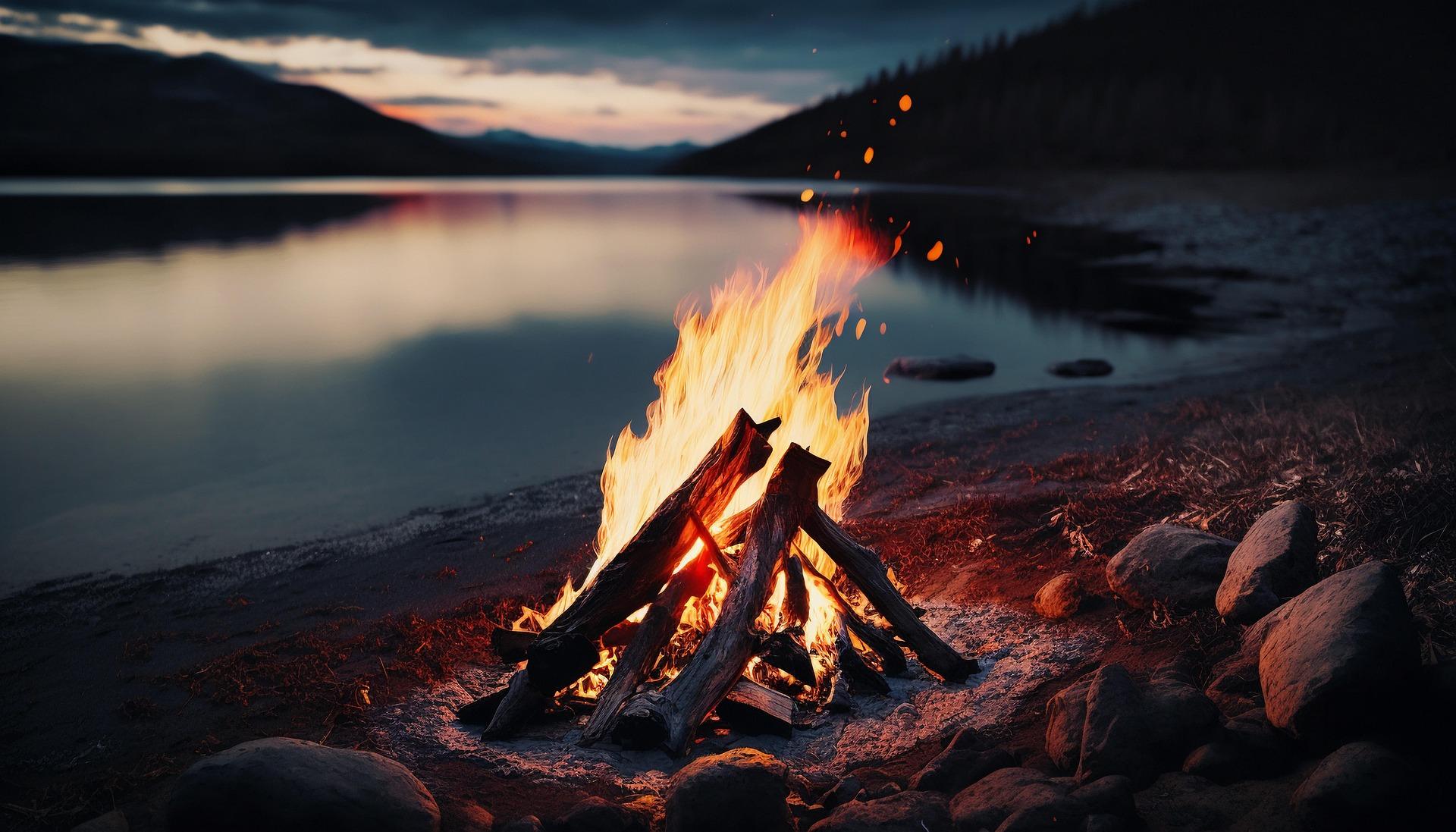
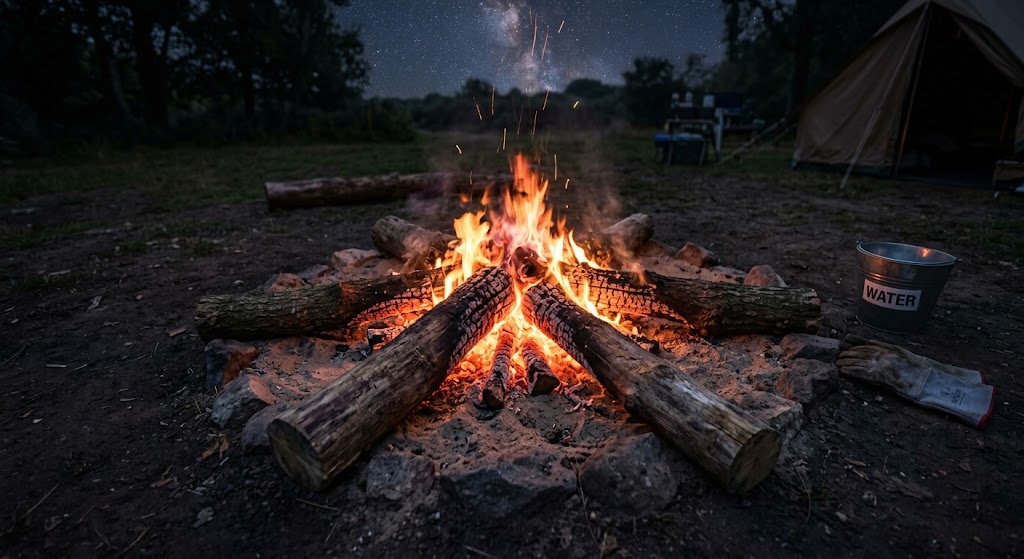
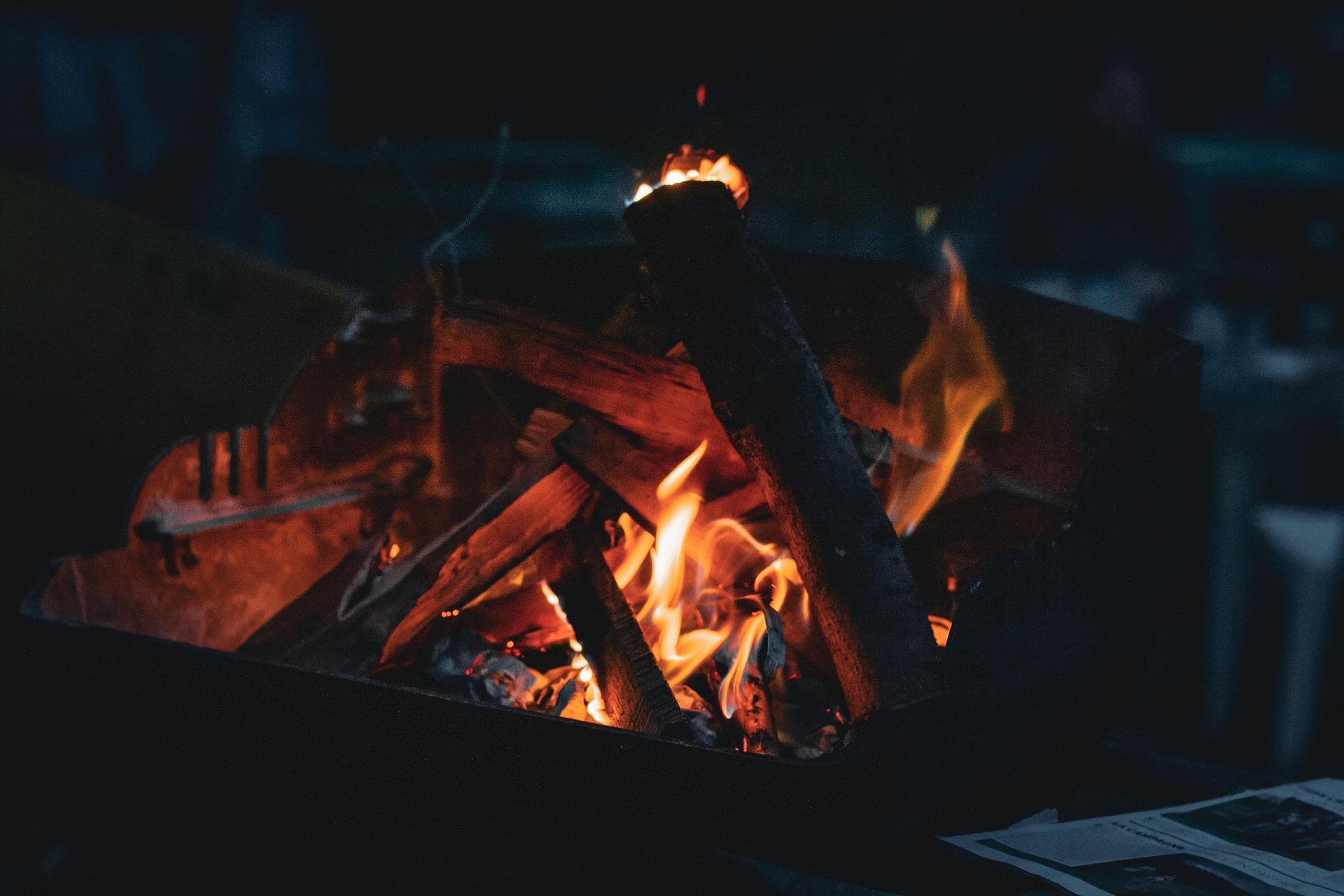
Few things are more closely associated with camping than a campfire.
A campfire can provide warmth, light and a place to cook. It can also bring people together at the end of a long day outdoors.
For Scouts and other youth groups, the campfire can be an important part of learning outdoor skills.
But a campfire is much more than simply a pile of burning wood.
A good campfire requires planning, preparation, supervision and responsible management.
You need to understand where to put it, how to build it, how to keep it under control and, most importantly, how to safely extinguish it when you’re finished.
CAMPFIRE RULE
A campfire should always be useful, manageable and appropriate for its surroundings.
Are Campfires Allowed?
Before doing anything else, find out whether you are actually allowed to have a fire.
Never assume that being outdoors means you can light one.
Rules can vary depending on where you are, who owns the land, local restrictions, weather conditions and the type of site you’re using.
If you’re camping at an established campsite, use the designated fire area and follow the site’s rules.
For Scout activities, follow the current Scouts guidance and your leader’s instructions.
SAFETY FIRST
If you’re not sure whether a fire is permitted, don’t light it.
A camping stove can often be a safer and more appropriate option where an open fire isn’t suitable.
Choosing a Campfire Location
If fires are permitted, choosing the right location is one of the most important decisions you will make.
A good fire location should be:
Where possible, use an established fire area rather than creating a new one.
Look Up as Well as Down
When choosing a fire location, don’t just look at the ground.
Look upwards.
Low branches can become dangerously hot and may catch fire from flames or sparks.
Also consider anything else above the fire that could be affected by heat or smoke.
TOP TIP
When checking a fire site, look up, down and around.
Fire safety isn’t just about what’s directly underneath the flames.
Think About the Wind
Wind is one of the most important things to consider when having an outdoor fire.
It can:
- Carry sparks
- Move hot embers
- Change the direction of flames
- Spread smoke
- Make the fire burn more rapidly
A calm fire can become much more difficult to manage when the wind increases.
Check the weather before starting your fire and continue watching conditions throughout the activity.
If the weather becomes unsuitable, put the fire out.
How Big Should a Campfire Be?
There’s often a temptation to build a huge campfire.
After all, a large fire looks impressive.
But bigger doesn’t necessarily mean better.
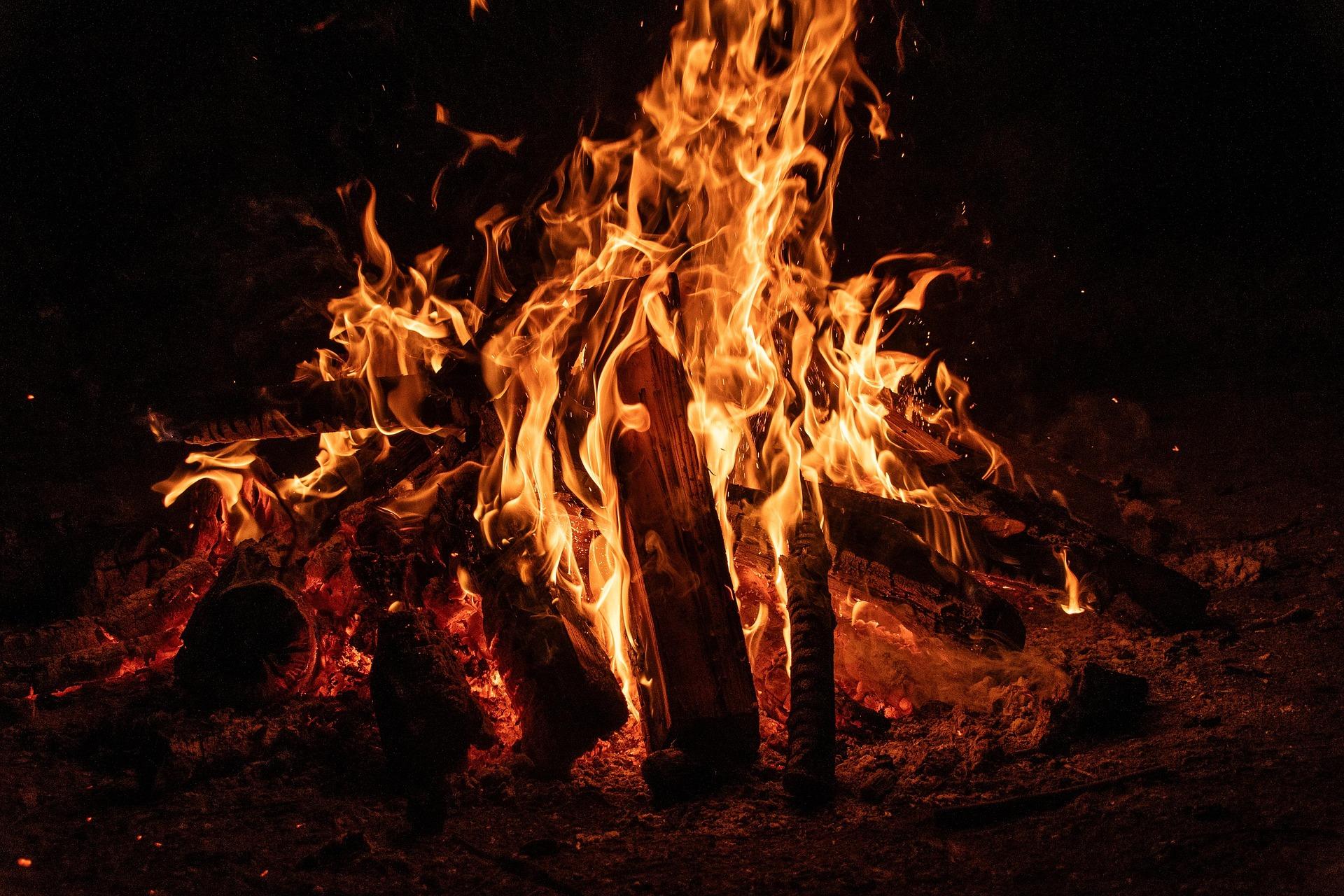
A large fire produces:
- More heat
- More smoke
- More sparks
- More embers
- Greater risk
- More work to extinguish
Build the fire to suit its purpose.
A small group may only need a modest fire.
A cooking fire may need a different arrangement from a fire designed for warmth.
REMEMBER
Build the fire you need — not the biggest fire you can make.
The Basic Parts of a Campfire
A well-built campfire normally develops through several stages.
TINDER
Tinder is your easiest-to-light material.
It catches the initial flame and provides enough heat to ignite the kindling.
KINDLING
Kindling is slightly larger material that bridges the gap between tinder and your main fuel.
FUEL WOOD
Larger pieces of suitable firewood provide the longer-lasting heat needed to keep the fire burning.
Understanding these three stages makes fire building much easier.
Campfire Shapes and Fire Lays
There isn’t just one way to build a campfire.
Different fire lays have different characteristics.
Some are designed to make starting easier.
Others are useful for cooking, warmth or creating a longer-lasting bed of embers.
Common traditional fire lays include:
The Teepee
Wood is arranged around the tinder and kindling in a roughly cone-shaped structure.
It provides good airflow and can be useful when getting a fire started.
The Log Cabin
Wood is arranged in alternating layers to create a square or cabin-like structure.
This can provide a stable arrangement and good airflow.
The Lean-To
Kindling and fuel are arranged against a larger piece of wood or another support.
It can be useful when working with wind direction and protecting the initial flame.
DID YOU KNOW?
Learning different fire lays isn’t about memorising shapes.
Each arrangement teaches you something about airflow, fuel and heat.
Building Your Campfire
Once you’ve selected an appropriate fire lay, build it carefully.
Start with your tinder.
Add kindling in a way that allows air to circulate.
Once the kindling is burning well, gradually introduce larger pieces of fuel.
Don’t rush the process.
One of the most common beginner mistakes is putting large logs onto the fire before it has enough heat to burn them properly.
The result is often a smoky fire that struggles to establish itself.
Give Your Fire Air
Fire needs oxygen.
When building and maintaining a campfire, make sure there is enough space for air to move through the fuel.
A fire that is packed too tightly may struggle to burn.
A fire with good airflow can burn more efficiently.
This is one of the reasons different fire lays work differently.
FIRE SKILL
When a fire struggles, don’t automatically add more wood.
First ask:
“Does it have enough air?”
Choosing Firewood
Good fuel makes a huge difference to your campfire.
Suitable, dry firewood generally burns more effectively than wet wood.
Different types of wood can also behave differently, with some producing long-lasting heat and others burning more quickly.
If you’re camping at a managed site, use the firewood provided or recommended by the campsite.
If you’re in the countryside, never assume that collecting or cutting wood is permitted.
Always follow the rules of the landowner.
Don’t Burn Everything
A campfire isn’t a rubbish disposal system.
Don’t burn:
Only burn suitable materials.
Sitting Around the Campfire
A campfire is often as much about people as it is about fire.
Stories, songs, food and conversation are all part of the traditional campfire experience.
But everyone should understand the safety rules.
Stay a safe distance from the flames.
Don’t run around the fire.
Don’t reach across it.
Don’t throw objects into it.
Don’t wave sticks around other people.
And never leave children around a fire without appropriate supervision.
SCOUT TIP
Before lighting a campfire at a group activity, make sure everyone knows the rules.
A few minutes of explanation can prevent accidents later.
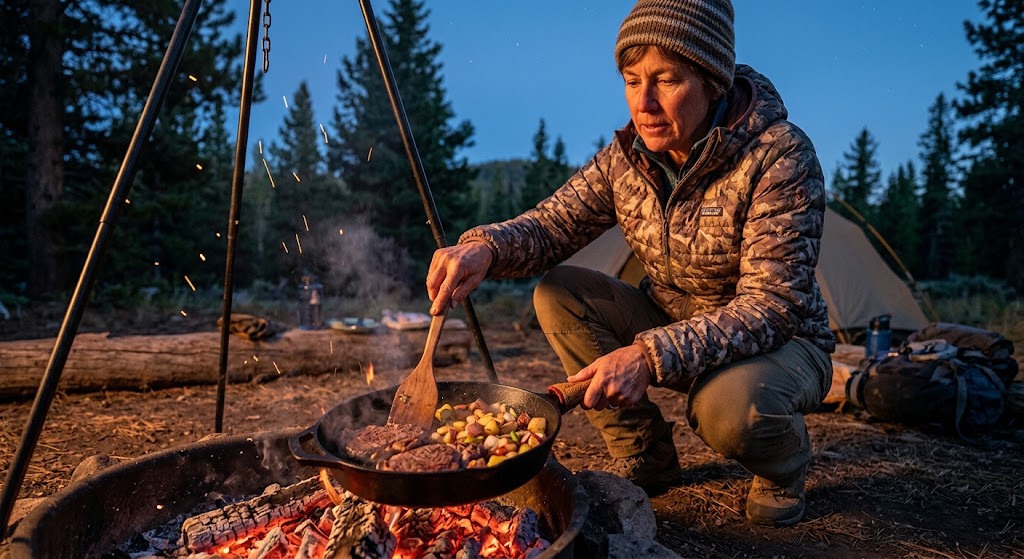
Campfire Cooking
Cooking over a campfire is a great outdoor skill.
You can use a suitable fire to boil water, heat food or cook directly over the embers.
But cooking adds another set of considerations.
Keep cooking equipment stable.
Use appropriate tools.
Don’t lean across flames.
And remember that pots, pans and cooking equipment can remain extremely hot even after they have been removed from the fire.
Flames or Embers?
For some types of cooking, a bed of hot embers can provide more even and controllable heat than large flames.
Learning to manage the heat of your fire is therefore an important part of campfire cooking.
COOKING TIP
A roaring fire isn’t always the best cooking fire.
Sometimes steady hot embers are exactly what you need.
Campfire Safety
A campfire should always be supervised while it is burning.
Keep water or suitable firefighting equipment readily available.
Keep unused firewood safely away from the flames.
Watch the weather.
Watch the people around the fire.
And keep an eye on the fire itself.
If something changes, be prepared to act.
For a more detailed look at fire safety, see our guide:
Fire Safety: A Beginner’s Guide
Maintaining Your Campfire
Once your fire is established, it needs to be managed.
Add fuel gradually.
Maintain airflow.
Keep the fire at an appropriate size.
Watch the flames and embers.
Don’t constantly poke or rearrange the fire.
A good fire doesn’t need constant attention — it needs appropriate attention.
TOP TIP
Before adding another log, stop and look at the fire.
Ask yourself what it actually needs.
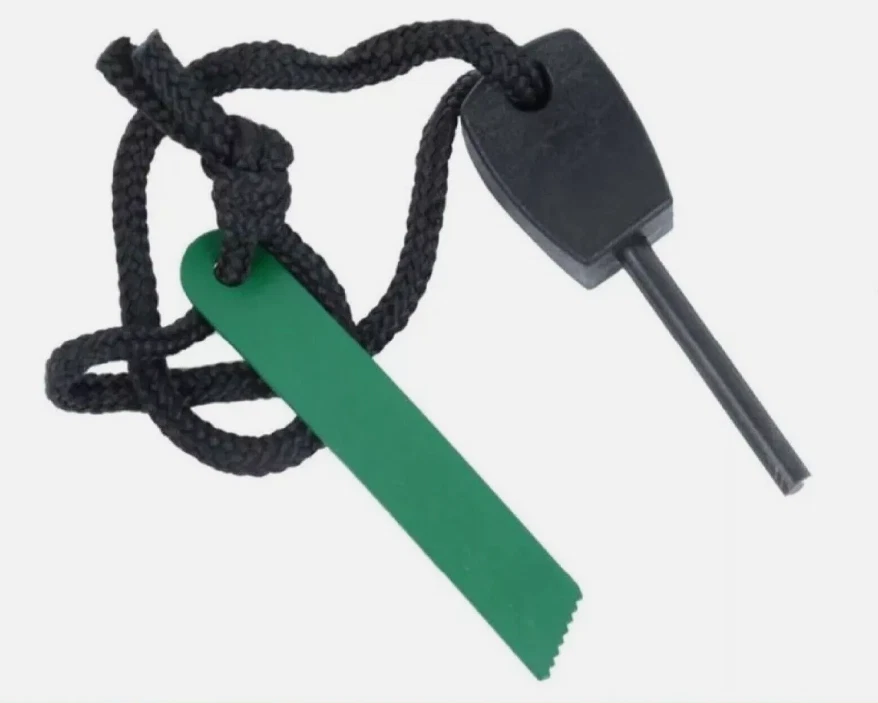
FLINT STEEL MAGNESIUM FERRO ROD
An entry level flint steel with practice can easily and quickly start a fire. It is the most important tool in your survival kit.
Applicable at anywhere, anytime and any condition, including moist wet weather or low temperature.
Campfire Etiquette
A good campfire isn’t just about safety.
It’s also about being considerate.
Think about:
SMOKE
Don’t deliberately create excessive smoke that blows towards other people or neighbouring camps.
NOISE
Remember that other campers may be nearby.
RUBBISH
Don’t throw rubbish into the fire.
THE SITE
Leave the area in accordance with the site’s rules when you’re finished.
OTHER PEOPLE
Make sure everyone has enough space to enjoy the fire safely.
Being a responsible camper means thinking beyond your own camp.
Campfires and Children
Children can learn a great deal from campfires.
They can learn about fire behaviour, fuel, heat, responsibility and outdoor safety.
But fire should never be treated as a toy.
Children and young people should take part in fire activities with appropriate adult supervision and clear safety rules.
Give them responsibilities that are appropriate for their age and ability.
Learning to respect fire is far more valuable than simply being told to stay away from it.
When It’s Time to Put the Fire Out
Every campfire eventually needs to end.
Don’t leave extinguishing until everyone is ready to go home.
Allow plenty of time.
Stop adding fuel and allow the fire to reduce.
Then thoroughly extinguish the fire using the appropriate method for the location and fire.
For a suitable campfire, this commonly involves thoroughly dousing the fire and remaining embers with water, carefully checking and cooling any remaining hot material.
The fire should be completely cold before you leave.
REMEMBER
No flames doesn’t necessarily mean no fire.
Hot embers can remain underneath ash long after the flames disappear.
For a detailed guide, see:
How to Extinguish a Fire Safely: A Beginner’s Guide
Leaving No Trace
Once your fire is completely extinguished, think about the site.
Leave it according to the instructions of the campsite or landowner.
Remove rubbish.
Deal with ash appropriately.
Make sure there are no hot embers outside the designated fire area.
A good outdoor skill is knowing how to enjoy a place without leaving unnecessary evidence that you’ve been there.
Common Campfire Mistakes
Building the Fire Too Large
A larger fire is harder to manage and extinguish.
Using Wet Wood
Wet fuel can create excessive smoke and make the fire difficult to maintain.
Adding Too Much Wood
Overloading the fire can create excessive flames and heat.
Ignoring the Wind
Changing conditions can quickly increase the risk.
Leaving the Fire Unattended
A fire should never simply be left burning.
Throwing Rubbish Into the Fire
Some materials can produce dangerous fumes or unpredictable reactions.
Leaving Hot Embers Behind
The fire isn’t finished until it is properly extinguished and cold.
The Campfire Challenge
Next time you’re taking part in a supervised campfire, try to look at the whole process rather than just the flames.
Can you identify:
- The tinder?
- The kindling?
- The main fuel?
- The direction of the wind?
- The hottest part of the fire?
- The areas where air is entering?
- The bed of embers?
- When the fire needs more fuel?
- When it needs less?
- When it is time to extinguish it?
Understanding these things will help you become a much more capable firelighter.
Campfire Checklist
Campfires and Scouts
Campfires have a long tradition within Scouting and can be a great way to develop practical outdoor skills.
But the most important lesson isn’t simply learning how to make a fire.
It’s learning how to use fire responsibly.
Scouts can learn about fire lays, fuel, heat, cooking, fire safety, teamwork and environmental responsibility.
The exact requirements for badges and awards can change, so always check the current official Scouts guidance and speak to your leader when working towards a particular activity or badge.
SCOUT TIP
A great campfire isn’t the biggest or brightest.
It’s one where everyone stays safe, learns something and enjoys being outdoors.
Final Thoughts
A campfire is one of the oldest and most rewarding outdoor skills.
It can keep you warm.
It can help you cook.
It can provide light.
And it can bring people together.
But the best campfires aren’t created by simply piling up wood and lighting it.
They come from understanding fire.
Choose the right location.
Use the right fuel.
Build an appropriate fire.
Maintain it carefully.
Respect the flames and embers.
And when the evening is over, extinguish it properly.
The more you learn about campfires, the more you’ll realise that the real skill isn’t simply making a fire.
It’s knowing what to do with it.
SurvivalGuidesUK is an independent educational resource and isn’t an official Scouts website. Always follow the current Scouts programme requirements and your leader’s instructions.
SurvivalGuidesUK Safety Notice
Fire can cause serious injury, property damage and wildfires.
This article provides general educational information and does not replace appropriate training, supervision, risk assessment, local restrictions, landowner requirements or organisational safety procedures.
Children and young people should only participate in fire-related activities with appropriate adult supervision and suitable safety arrangements.
Always follow the current guidance provided by the landowner, campsite, emergency services, Scouts or other organisation responsible for the activity.
🔒Ready to test your survival skills?
Join Survival Guides UK for free, complete challenges, earn badges and increase your Survival Level.
JOIN FREE →
CRAIG BURR
FOUNDER · SURVIVAL GUIDES UK
I'm Craig, the person behind Survival Guides UK. I created SGUK because I wanted somewhere people could learn real outdoor skills in a practical, straightforward way — from lighting a fire and tying knots to navigation, campcraft and everything in between.
You can read more about the story behind SGUK here as well as our approach here.