How to Light a Fire With a Firesteel
Affiliate disclosure: This article contains affiliate links. If you purchase something through one of our links, we may earn a commission at no additional cost to you.
A firesteel is one of the most useful fire-lighting tools to learn because it can produce a hot shower of sparks even when matches and lighters aren’t practical. The firesteel itself is simple to use, but getting a fire going reliably depends much more on what you do before you strike the first spark.
The biggest mistake beginners make is trying to strike sparks onto a poor piece of tinder and expecting it to burst into flame. If only it was that easy. Spend a little time preparing the tinder and kindling first, and the actual firesteel technique becomes much easier.
What Is a Firesteel?
A firesteel, sometimes called a ferro rod or ferrocerium rod, produces sparks when a hard striker is scraped firmly along the rod.
The sparks are very small but extremely hot, so they need to land on material that can catch them and turn that brief burst of heat into a sustained flame.
Firesteels come in different sizes and designs. A larger rod is generally easier for beginners because it produces a bigger shower of sparks and gives you more material to work with.
Choose Your Tinder First
Before touching the firesteel, you need to prepare your tinder.
Good tinder needs to catch a spark easily and continue burning long enough to ignite your kindling. Dry natural materials such as finely prepared birch bark, dry grass, scraped wood fibres or a good tinder bundle can work well.
If you’re using natural materials, prepare plenty rather than relying on a single small handful. It’s always better to have a little extra rather that not enough. Once the first flame appears, you want enough tinder ready to build it into something larger.
Prepare Your Kindling
Your tinder won’t produce a useful fire unless you have something ready for the flame to catch.
Prepare small, dry sticks before you start. Begin with material that is very thin and gradually work up to larger pieces. Feather sticks can be particularly useful when conditions are damp because the fine shavings provide more surface area for the flame.
Arrange your kindling so that air can reach the fire. Don’t bury the tinder underneath a pile of wood.
Keep the Tinder Under Control
Wind can make fire-lighting much harder, particularly when you’re trying to create the first flame.
Position your tinder somewhere protected from strong wind, but don’t completely block the airflow. If you’re working on the ground, you can use your body or a natural windbreak to shield the tinder while still allowing enough oxygen to reach it.
Keep your prepared tinder and kindling close by so you don’t have to move a fragile flame very far.
Hold the Firesteel Correctly
Hold the firesteel close enough to the tinder that the sparks don’t have far to travel.
Place the striker against the rod and use a firm, controlled movement. Many beginners make the mistake of moving the striker too gently because they are worried about doing it wrong.
You need enough pressure and speed to scrape material from the rod and create a good shower of sparks.
Try Striking the Firesteel Towards the Tinder
One useful technique is to keep the striker relatively steady and pull the firesteel backwards, directing the sparks towards your tinder.
This gives you good control over where the sparks land and reduces the chance of accidentally hitting the tinder with the striker.
You can also use the more familiar technique of holding the firesteel steady and pulling the striker along it. The important thing is to find a movement that gives you consistent sparks without disturbing your tinder.
Aim for the Tinder, Not the Fire
Don’t worry about producing the biggest possible shower of sparks.
The aim is to get several hot sparks onto the same area of tinder. Once one catches, stop striking and concentrate on nurturing that tiny ember or flame.
If your tinder is prepared correctly, it may begin to glow before producing a visible flame.
Give the Ember Some Air
Once the tinder catches a spark, don’t immediately throw more material on top of it.
Give the ember time to develop. Carefully blow gently towards the base of the tinder to provide additional oxygen. As the glow becomes stronger, you can gradually increase the airflow.
The key word here is gently. Blowing too hard can scatter the tinder or extinguish a tiny ember before it can develop into a flame.
Build the Flame Gradually
Once you have a flame, add your smallest kindling first.
Place the pieces carefully rather than dropping them onto the fire and leave enough space between them for air to move through the developing fire.
As the small sticks begin to burn, gradually add larger pieces. If you put large logs on too soon, you can easily smother the flame you have just worked so hard to create.
What If the Firesteel Isn’t Working?
If you’re producing sparks but the tinder isn’t catching, the problem is usually the tinder rather than the firesteel.
Try preparing finer material and making sure it is genuinely dry. You can also move somewhere more sheltered from the wind.
If you’re getting very few sparks, check that you’re using the striker correctly and that you’re scraping firmly enough. A firesteel does wear down with use, so eventually the rod will need replacing but in most cases, even a simple ferro rod can handle thousands of scrapes.
Practise With Different Tinder
Firesteel skills become much more useful when you can adapt to whatever materials are available.
Practise with different types of tinder and see how they behave. Try preparing wood shavings, feather sticks and natural tinder bundles so that you understand how fine the material needs to be before it will reliably catch a spark.
This is much more useful than simply learning one trick with one type of commercial tinder.
Safety When Using a Firesteel
Always use a firesteel in a suitable fire area and follow the rules of the land or campsite. Make sure you have permission to light a fire and check whether fires are permitted where you are.
Keep flammable materials, loose clothing and equipment away from the flame. Children should be supervised closely when using a firesteel, as the sparks can ignite dry material very easily.
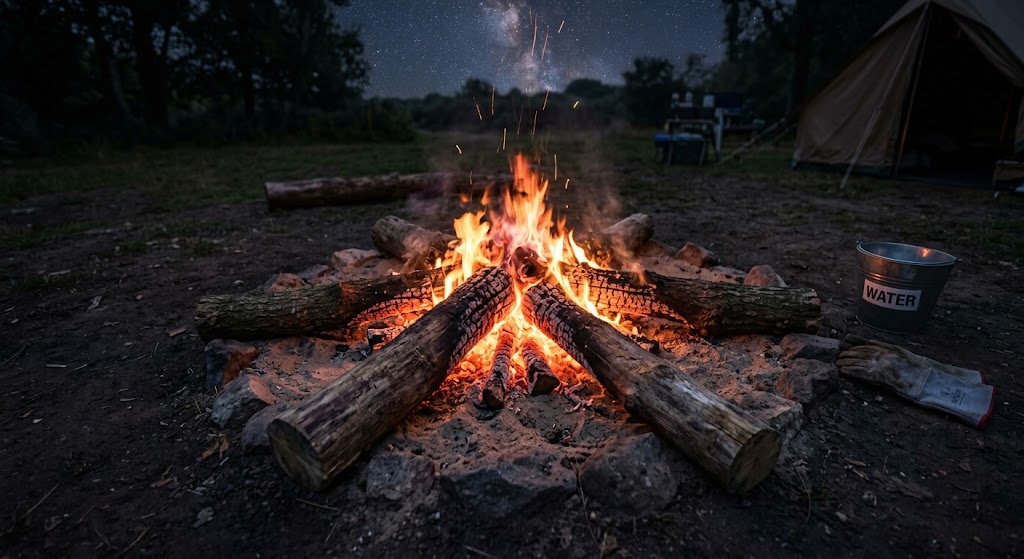
Have enough water available to extinguish the fire properly when you’re finished. Make sure the fire is completely out and cold before leaving it.
Practise Before You Need the Skill
The first few attempts may take longer than you expect. That’s normal. Firelighting becomes much easier when you understand what makes tinder catch and how much preparation is needed before you strike the firesteel.
Practise when conditions are safe and you don’t actually need the fire. Work on producing a good spark, catching it in tinder and then building that tiny flame into a sustainable fire.
Once you can do those three things consistently, a firesteel becomes a remarkably dependable fire-lighting tool.
🔒Ready to test your survival skills?
Join Survival Guides UK for free, complete challenges, earn badges and increase your Survival Level.
JOIN FREE →
CRAIG BURR
FOUNDER · SURVIVAL GUIDES UK
I'm Craig, the person behind Survival Guides UK. I created SGUK because I wanted somewhere people could learn real outdoor skills in a practical, straightforward way — from lighting a fire and tying knots to navigation, campcraft and everything in between.
You can read more about the story behind SGUK here as well as our approach here.