Smoke Safety Around Campfires
Smoke is an often-overlooked part of campfire safety.
When people think about the dangers of a campfire, they usually think about flames, hot embers and burns. Smoke can also cause problems, particularly when a fire is producing a lot of it or wind is blowing it towards people.
For Scouts and leaders, understanding smoke safety is part of managing a campfire responsibly. A well-managed fire should minimise unnecessary smoke, while everyone around the fire should know what to do if smoke becomes uncomfortable or difficult to avoid.
What Makes Campfire Smoke a Problem?
Campfire smoke contains gases and very small particles produced when wood and other materials burn.
Breathing smoke can irritate the eyes, nose and throat. It can also make breathing uncomfortable.
Some people are more sensitive to smoke than others.
This means a fire that seems manageable to one person may cause significant discomfort for someone else.
Why Does a Campfire Produce Smoke?
Smoke is produced when material doesn’t burn completely.
Several things can increase smoke production, including:
Choosing appropriate, reasonably dry firewood and building a suitable fire can help reduce unnecessary smoke.
Wet Wood and Smoke
Wet wood can produce a lot of smoke.
Water in the wood needs to be driven off before the wood can burn effectively, which can result in a smoky fire.
Don’t deliberately use very wet wood simply because it is available.
If the fire is intended for cooking or warmth, suitable dry fuel will generally provide a cleaner and more manageable burn.
Don’t Burn Rubbish
Never use a campfire as a rubbish bin.
Plastics, packaging, treated materials and unknown substances can produce unpleasant or potentially harmful fumes when burned.
Some items may also melt, flare up or behave unpredictably.
Only burn appropriate fuel that is permitted at the location.
Dispose of rubbish using the appropriate arrangements instead.
Smoke and Wind Direction
Wind has a major effect on where smoke travels.
Before lighting a fire, consider the prevailing wind direction and where the smoke is likely to go.
Avoid positioning the fire where smoke will regularly blow towards tents, shelters, buildings or areas where people will be sitting.
Remember that wind can change.
Continue monitoring the direction of the smoke throughout the activity.
Don’t Sit Directly in the Smoke
Smoke can drift unpredictably around a campfire.
If smoke begins blowing towards someone, move them to a clearer area rather than expecting them to remain there.
Scouts should know that they are allowed to move away from smoke.
There’s no reason for someone to sit uncomfortably in thick smoke simply to stay in their assigned seat.
Smoke and Campfire Seating
When arranging seating, think about both fire and smoke.
People should be far enough away from the flames, but they should also have enough space to move if the smoke changes direction.
Avoid packing people tightly around a fire.
A little extra space makes it easier to respond if conditions change.
Smoke and Children
Children may be less able to recognise when smoke is becoming uncomfortable.
Younger children may also be reluctant to move because they don’t want to miss part of an activity.
Adults should watch for signs that children are being affected by smoke.
If a child is coughing, rubbing their eyes or complaining about smoke, move them away from it.
Don’t treat discomfort as something they simply need to put up with.
People Who Are More Sensitive to Smoke
Some people can be particularly affected by smoke.
This may include people with existing breathing difficulties, smoke sensitivity or other health considerations.
Leaders should take individual needs into account when planning activities.
If someone becomes unwell around a campfire, move them away from the smoke and seek appropriate assistance if their symptoms do not settle or are serious.
Eye Irritation
Campfire smoke can cause eyes to water, sting or become irritated.
If someone is struggling with smoke in their eyes, move them to fresh air.
Avoid rubbing irritated eyes.
If significant irritation continues or there is concern about an injury, seek appropriate medical advice.
Smoke and Visibility
Heavy smoke can reduce visibility.
This can become a safety issue around a fire because people may not be able to see flames, hot equipment, tools or where they are walking.
If smoke becomes thick enough to interfere with visibility, reassess the fire.
Don’t allow people to move through thick smoke unnecessarily.
Smoke at Night
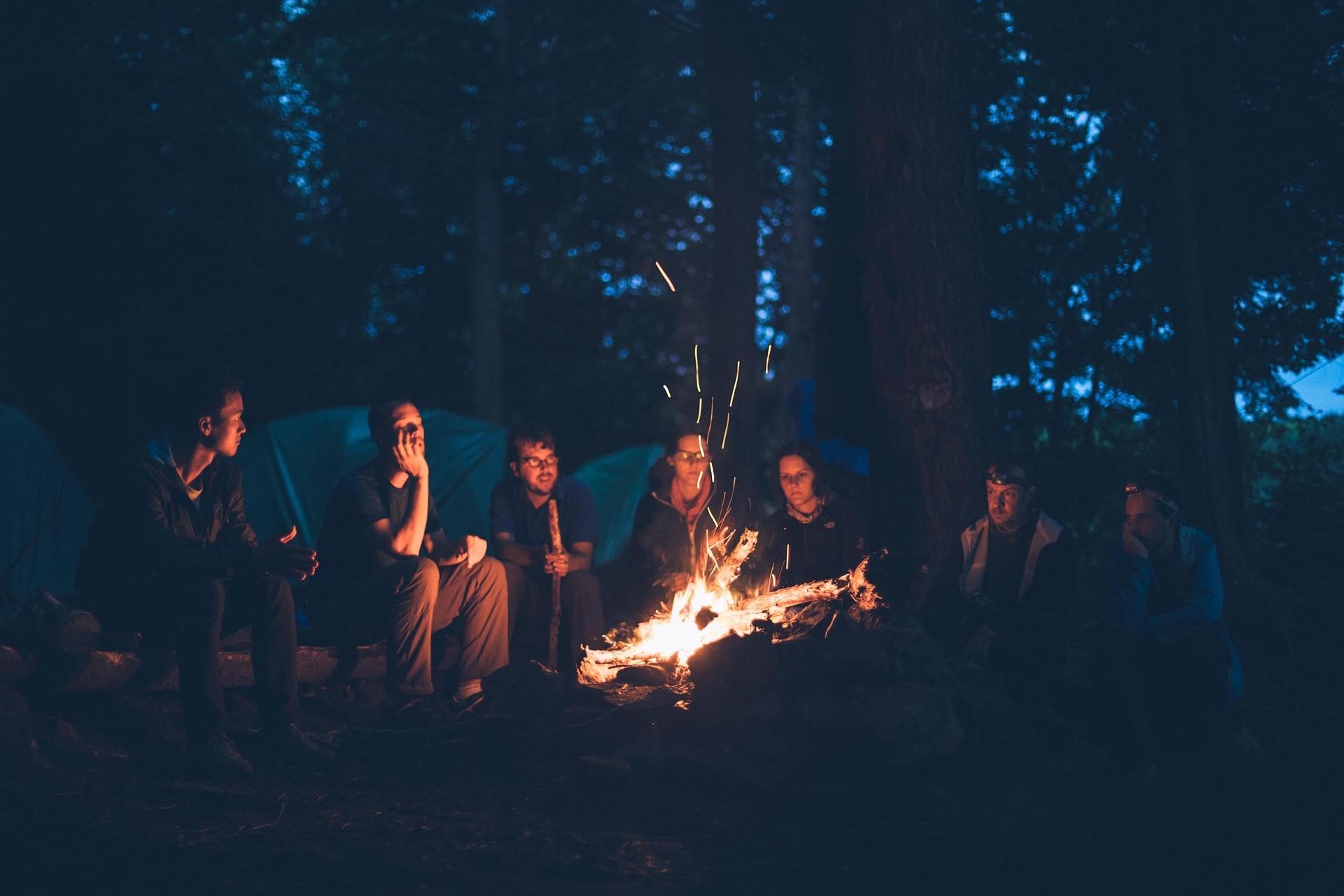
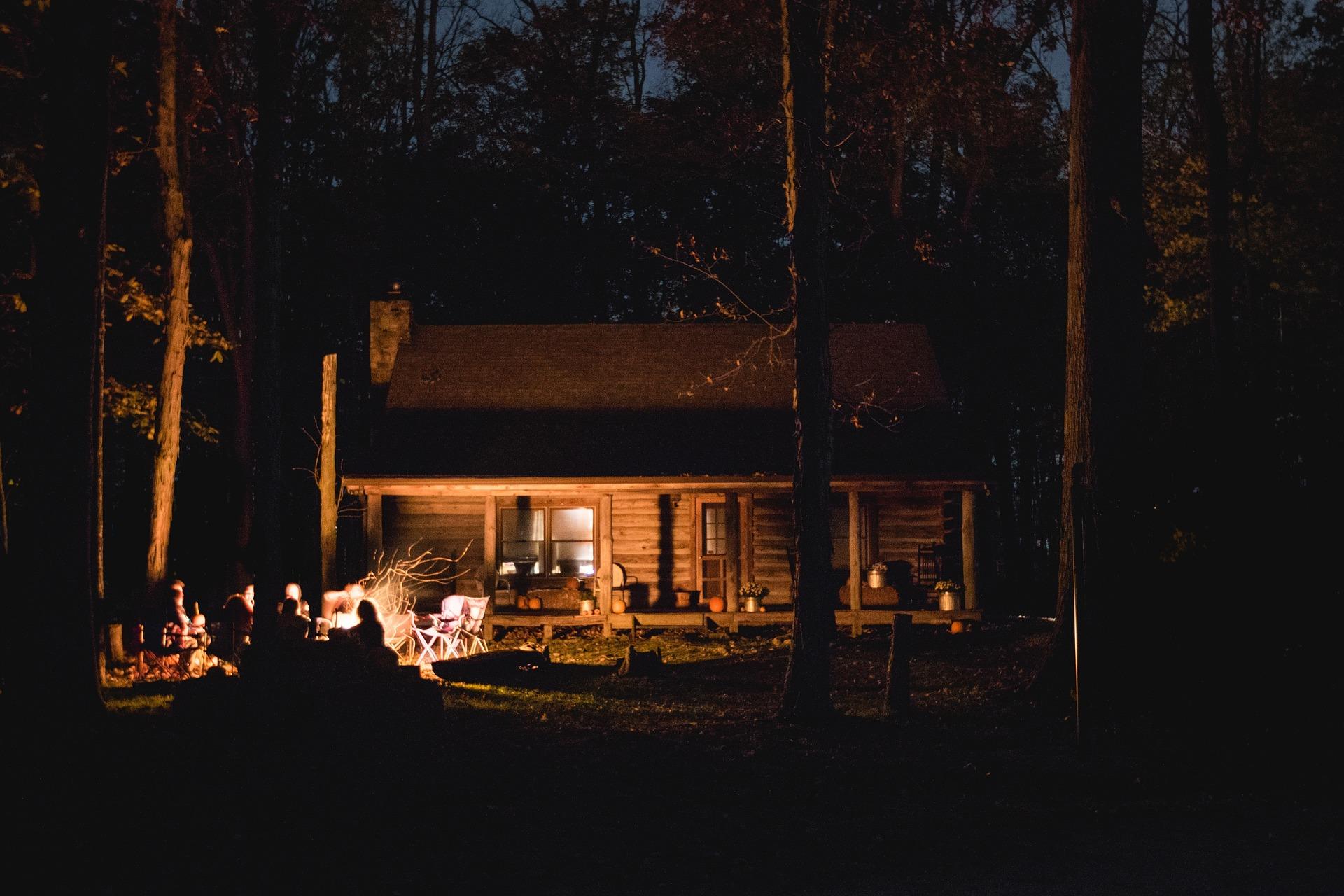
Smoke can be more difficult to notice in the dark.
People may not see exactly where it is coming from or where it is travelling.
Campfires used after dark should still have clear access routes and appropriate supervision.
Keep the area around the fire organised so people aren’t stumbling through equipment while trying to avoid smoke.
Cooking Smoke
Cooking can produce additional smoke, particularly when food or grease comes into contact with flames.
Use suitable cooking equipment and methods.
Avoid placing unsuitable materials into the fire.
If a cooking fire begins producing excessive smoke, stop and assess what is causing it.
Don’t simply continue cooking because the food needs to be finished.
Smoke From Wet Leaves
Burning wet leaves, grass or similar material can produce large amounts of smoke.
These materials may also smoulder rather than burn cleanly.
They aren’t a good substitute for suitable firewood.
Keep leaves and other vegetation away from the fire rather than using them as fuel.
Don’t Burn Green Wood
Freshly cut or green wood contains significant moisture and can produce considerable smoke.
Use suitable seasoned or properly prepared firewood where fires are permitted.
Scouts should also understand that collecting branches from living trees isn’t appropriate simply to obtain fuel.
Smoke and Fire Lays
The way a fire is constructed can affect how it burns.
A fire that has poor airflow may produce more smoke because the fuel isn’t burning efficiently.
Learning about fire lays can therefore help Scouts understand the relationship between airflow, fuel and combustion.
However, no particular fire lay should be treated as a guarantee of a smoke-free fire.
Conditions, fuel and weather all matter.
What If the Smoke Gets Worse?
If smoke suddenly increases, don’t ignore it.
Look at what is happening with the fire.
The cause could be wet fuel, poor airflow, unsuitable material or changing wind conditions.
If the smoke is becoming a problem, move people away and assess whether the fire should be adjusted or extinguished.
Don’t Add More Fuel to a Smoky Fire
Adding more wood to a smoky fire doesn’t necessarily solve the problem.
It can make the fire larger while producing even more smoke.
Before adding fuel, consider whether the fire needs more fuel at all.
A smaller, better-burning fire may be safer and more comfortable.
Smoke and Tents
Smoke can enter tents and shelters.
Avoid placing tents where smoke from an outdoor fire is likely to drift towards them.
Never use an outdoor campfire inside a tent, shelter or other enclosed space.
Open flames and combustion in enclosed areas can also create a serious risk from carbon monoxide.
Never Use a Campfire Inside a Tent
A campfire should never be used inside a tent.
Tents are not designed to contain an open fire, and combustion in an enclosed space can create dangerous gases.
There is also a significant risk of the tent material catching fire.
Cooking and heating equipment should only be used inside shelters when it is specifically designed and approved for that purpose and the manufacturer’s safety instructions are followed.
Smoke and Carbon Monoxide
Carbon monoxide is a poisonous gas produced when fuels don’t burn completely.
It is particularly dangerous because it cannot be seen or smelled.
Outdoor campfires should never be brought inside tents, caravans or enclosed shelters.
Don’t assume that opening a door or flap makes it safe.
Combustion appliances and fires need appropriate ventilation and must be used exactly as intended.
Don’t Create Smoke Deliberately
Making a smoky fire might seem entertaining, particularly for younger Scouts.
However, deliberately producing large amounts of smoke isn’t a sensible activity.
It can expose people to unnecessary smoke, affect nearby campers and potentially create confusion if others think there is an emergency.
Campfires should be managed to burn safely and appropriately.
Smoke and Nearby Campers
Smoke doesn’t stop at the boundary of your campsite.
It can drift towards neighbouring tents, paths, buildings or other groups.
Be considerate of other people using the area.
If your fire is repeatedly producing smoke that affects others, reassess the fire and the conditions.
Environmental Considerations
Smoke is also a reminder that everything burned in a fire becomes part of the environment.
Don’t burn plastics, painted wood, treated timber or other inappropriate materials.
Follow campsite rules about what can be burned and where fires can be used.
A responsible fire should minimise unnecessary pollution and disturbance.
Extinguishing a Smoky Fire
A fire that is producing excessive smoke may need to be extinguished.
Follow the appropriate method for the fire and location.
Once extinguished, check that the fire is completely out and that there are no remaining hot or smouldering materials.
Don’t assume that a fire is safe simply because there are no visible flames.
What If Someone Becomes Unwell?
Move the person away from the smoke and into fresh air.
Monitor their condition.
If they are having significant difficulty breathing, become confused, lose consciousness or otherwise appear seriously unwell, call 999 and request appropriate emergency assistance.
Don’t allow someone who is seriously affected by smoke to remain beside the fire.
Teaching Scouts About Smoke
Smoke safety can be incorporated into normal campfire activities.
Ask Scouts to observe:
Where the smoke is travelling.
How wind changes its direction.
What happens when wet wood is added.
How a well-burning fire differs from a smouldering fire.
Why unsuitable materials shouldn’t be burned.
This helps Scouts understand that good fire management involves more than simply keeping flames under control.
A Simple Rule for Scouts
A useful rule is:
If smoke is bothering you, move away and tell a leader.
Scouts shouldn’t feel that they have to sit in smoke because they have been given a particular place around the campfire.
Good campfire management should allow people to enjoy the activity without unnecessary exposure to smoke.
Final Thought for Leaders
A little smoke is normal around an outdoor fire, but large amounts of smoke shouldn’t simply be accepted as part of having a campfire.
Think about the fuel, airflow, weather and position of the fire.
If smoke is regularly affecting the group or neighbouring people, something needs to change.
A good campfire should be controlled, appropriate for the conditions and considerate of everyone nearby.
🔒Ready to test your survival skills?
Join Survival Guides UK for free, complete challenges, earn badges and increase your Survival Level.
JOIN FREE →
CRAIG BURR
FOUNDER · SURVIVAL GUIDES UK
I'm Craig, the person behind Survival Guides UK. I created SGUK because I wanted somewhere people could learn real outdoor skills in a practical, straightforward way — from lighting a fire and tying knots to navigation, campcraft and everything in between.
You can read more about the story behind SGUK here as well as our approach here.