Campfire Safety Around Children
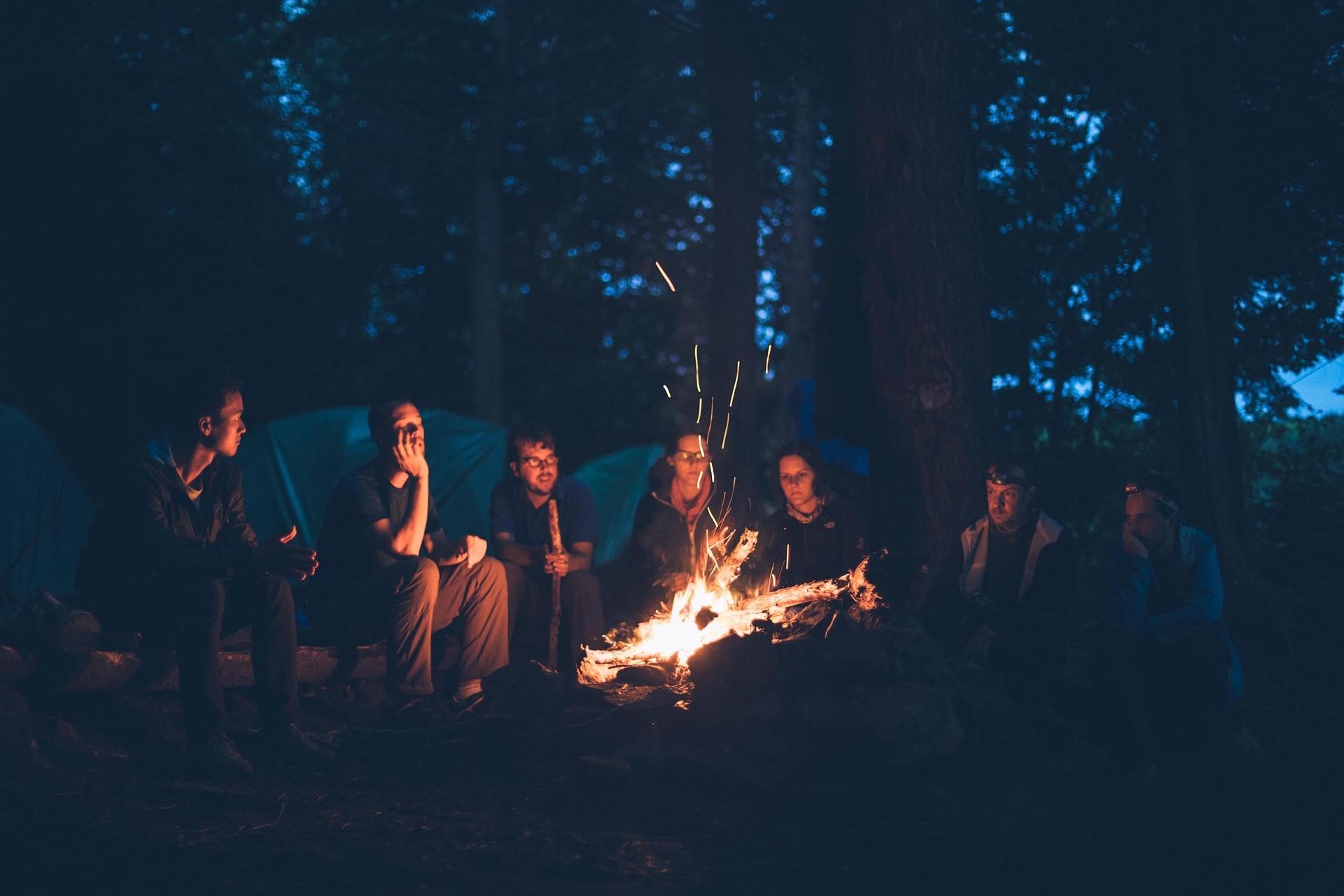
Campfires can be a memorable part of camping and outdoor activities, but children need clear boundaries and appropriate supervision around fire.
Younger children may not fully understand how quickly flames can cause burns or how hot embers and equipment can remain after the flames disappear. They may also be curious about the fire and want to get closer, add wood or investigate what is happening.
Good campfire safety isn’t about keeping children away from every outdoor learning opportunity. It is about making sure their involvement is appropriate for their age and ability, with sensible supervision and clear expectations.
Why Do Children Need Extra Care Around Fire?
Children are naturally curious.
A fire can be fascinating, particularly when it is something they don’t regularly encounter.
However, young children may not appreciate how quickly a situation can become dangerous.
They may also have difficulty judging distances or recognising that something which looks harmless can still be extremely hot.
This means adults need to establish clear boundaries rather than relying on children to judge the risk for themselves.
Set Clear Boundaries
Before anyone approaches the campfire, explain where children are allowed to go.
A clearly defined area around the fire helps children understand that there is a space they shouldn’t enter without permission.
Use simple language that younger children can understand.
For example, explain that:
The fire area is for adults or people who have been told they can enter it.
We don’t run near the fire.
We don’t touch the fire, wood or ashes.
We don’t throw anything into the fire.
If something falls into the fire, tell an adult.
Clear rules are easier for children to remember than a long list of warnings.
Supervision Matters
Children should have appropriate adult supervision around a campfire.
The level of supervision should reflect the children’s ages, numbers, behaviour and the type of activity taking place.
Don’t assume that a child who has behaved well around fire previously will always do so.
Excitement, tiredness, darkness or distractions can change behaviour.
Adults should remain attentive rather than assuming that someone else is watching.
Keep Young Children Away From the Fire Area
Very young children generally should not be allowed to move freely around an active campfire.
Keep them in a safe, supervised area where they can enjoy the activity without being able to wander into the fire space.
This is particularly important during busy campfire activities when adults may be distracted by cooking, storytelling or other tasks.
Use Safe Seating
Seating should be stable and positioned at a sensible distance from the fire.
Avoid using unstable logs or makeshift seats that could tip over.
Children shouldn’t have to squeeze between people or equipment to get to their seats.
Leave enough space for adults to move around and supervise the group.
Don’t Allow Running Near a Fire
Running is particularly dangerous around an open fire.
A child could trip, collide with another person or fall towards the flames.
Make walking around the fire area the normal expectation.
If a child needs to go somewhere on the other side of the fire, they should go around safely rather than attempting to cross through the fire area.
Teach Children Not to Reach Into a Fire
Children should never reach into a fire, even if they believe an object is safe to retrieve.
This includes sticks, toys, food or other belongings.
If something falls into the fire, tell them to leave it and get an adult.
Adults can decide whether the item needs to be recovered or whether it should be left alone.
Don’t Let Children Throw Things Into the Fire
Throwing objects into a fire can cause sparks, flames and embers to move unexpectedly.
Children may also throw materials that are unsuitable for burning.
Explain that only appropriate fuel should go into the fire.
A campfire is not a rubbish bin.
Keep Matches and Lighters Away
Matches, lighters and other ignition sources should be kept securely away from children who aren’t involved in the activity.
Don’t leave them lying on tables, in pockets that children can access or beside the fire.
Children may be curious about how fire starts, but learning about ignition should take place under appropriate adult supervision.
Clothing and Hair
Clothing needs particular attention around children.
Avoid loose sleeves, scarves or other items hanging close to flames.
Long hair should be tied back where appropriate.
Children should not lean over fires or attempt to get unusually close to see the flames.
Synthetic fabrics can melt when exposed to heat, so clothing material is also worth considering.
Footwear
Children should wear suitable footwear around outdoor fires.
Open footwear provides less protection from hot embers and other hazards.
Stable footwear also reduces the risk of slipping or tripping around the fire area.
Don’t allow children to walk barefoot around a campsite where hot ash or embers could be present.
Keep Equipment Out of Reach
Firewood, tools and cooking equipment should be kept organised.
Don’t leave fire tools where a child could pick them up without supervision.
Hot pans, kettles and other cookware should be positioned where children cannot accidentally knock them over.
Keep fuel and other potentially hazardous materials appropriately stored.
Campfire Cooking With Children
Cooking around a fire can be a valuable learning experience, but it introduces additional risks.
Hot food and liquids can cause serious burns.
Children should only take part in cooking activities that are appropriate for their age and ability.
Use stable equipment and provide clear instructions.
Don’t allow children to crowd around the cooking area.
An adult should remain responsible for hot cookware and any activity involving significant heat.
Hot Drinks
Hot drinks can cause serious scalds.
Don’t leave mugs or kettles containing hot liquids where children can easily knock them over.
Avoid passing hot drinks across groups of children.
Give hot liquids a safe place to cool away from the edge of tables and seating.
Remember that a drink can remain hot long after it has been removed from the fire.
Sparks and Embers
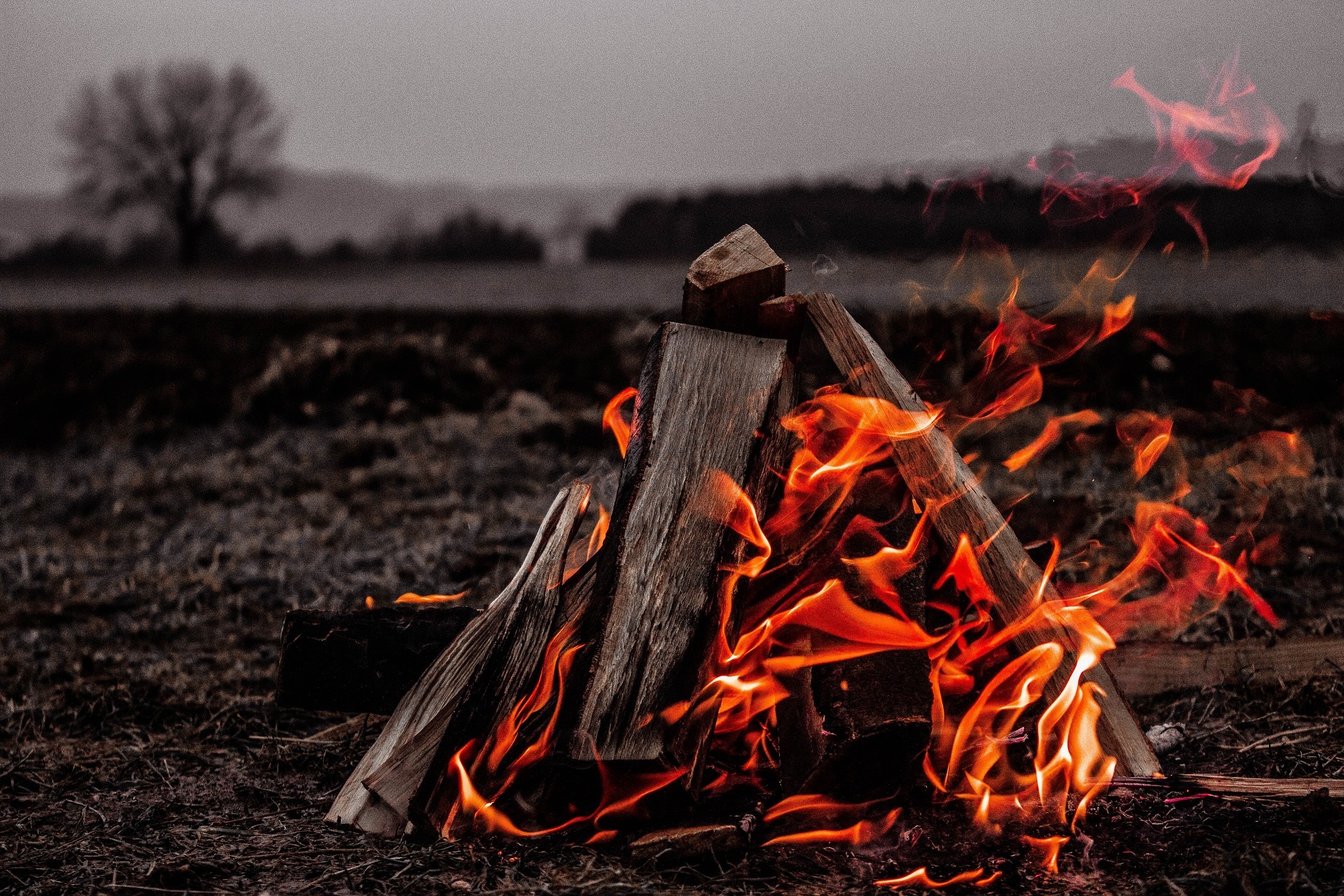
Children may be fascinated by sparks rising from a campfire.
Explain that sparks and embers can be hot and can travel outside the main fire area.
Don’t encourage children to chase or catch them.
If sparks are regularly escaping the fire, the leader should reassess the fire and the surrounding conditions.
Campfires After Dark
Darkness can make hazards harder to see.
Children may trip over equipment, move closer to the fire without realising it or struggle to see where they are walking.
Keep the area around the fire organised and make sure there is a safe route in and out.
Adults should remain particularly aware of where children are during evening activities.
Children and Fire Tools
Children should not pick up fire tools unless they have been specifically instructed and appropriately supervised.
Hot metal tools can remain dangerous even after they have been removed from the flames.
Keep tools in a designated location when they aren’t being used.
If children are old enough to use a particular tool as part of a planned activity, make sure they understand how to handle and return it safely.
Teaching Children About Fire
Fire safety works best when children understand the reasons behind the rules.
Rather than simply saying “don’t go near the fire”, explain what can happen.
For example:
“Fire is very hot and can burn you even if you only touch something that has been near the flames.”
“Hot ash can look like ordinary ash but may still burn you.”
“Throwing things into a fire can make sparks fly out.”
Simple explanations help children understand that the rules exist for a reason.
Give Children Safe Ways to Be Involved
Keeping children completely separate from an activity isn’t always necessary.
Depending on their age and the activity, they may be able to:
The level of involvement should always be appropriate to the child and the circumstances.
Don’t Encourage Children to “Test” Fire
Children shouldn’t be encouraged to discover what happens when different materials are put into a fire.
Experiments involving unknown materials can produce unexpected flames, sparks or fumes.
Fire activities should have a clear purpose and use appropriate materials.
Curiosity is valuable, but it needs to be channelled safely.
What If a Child Gets Too Close?
Deal with the situation calmly.
Move the child away from the fire and remind them of the boundary.
Avoid creating unnecessary panic.
If children repeatedly ignore the boundary, reconsider whether they are able to remain safely near the fire.
A child who cannot follow the safety rules may need to be moved further away or supervised separately.
What If a Child Falls?
If someone falls near a campfire, don’t immediately rush into the fire area without considering your own safety.
Move them away from the hazard safely and assess whether they are injured.
If they have suffered a burn, cool the affected area with cool running water for at least 20 minutes where practical and appropriate.
Don’t apply creams, butter or other substances to a fresh burn.
Don’t burst blisters.
For serious burns or other significant injuries, seek medical assistance and call 999 in an emergency.
What If Clothing Catches Fire?
Children need to know what to do if clothing catches fire, but this should be taught in an age-appropriate way.
The key message is that a person should not run.
Follow the appropriate emergency procedure to stop the flames and provide first aid.
Adults supervising fire activities should know the relevant emergency and first-aid procedures before the activity begins.
Keep Emergency Procedures in Mind
A responsible fire activity should include plans for dealing with emergencies.
Leaders should know:
Where first-aid equipment is located.
How to contact emergency services.
Where the group would move if there were a fire emergency.
How children would be supervised if one child needed medical attention.
Where appropriate fire-control equipment is located.
Having these arrangements ready makes it easier to respond calmly if something goes wrong.
Mixed-Age Groups
Mixed-age groups can present additional challenges.
Older Scouts may be capable of taking on more responsibility, while younger children may need closer supervision.
Don’t assume that the same rules or level of involvement are appropriate for everyone.
Set expectations according to age, experience and ability.
Older Scouts can also help younger Scouts understand the rules, but they should not be made responsible for supervising younger children around a live fire unless this is specifically appropriate and properly managed.
Parents and Family Campfires
Parents planning a campfire with children should follow the same basic principles.
Choose a suitable location.
Keep children at a safe distance.
Don’t leave the fire unattended.
Keep matches and lighters secure.
Keep flammable materials away from the fire.
Have a suitable way to extinguish the fire.
Make sure the fire is completely out before leaving.
A family campfire can be enjoyable without becoming a large or complicated fire.
When a Child Isn’t Ready
Not every child will be ready to participate closely in a fire activity.
A child may be too young, tired, impulsive or uncomfortable around the fire.
That’s fine.
They can still learn about fire safety without being involved directly.
There is no benefit in allowing a child closer to a fire simply because other children are participating.
When Not to Have a Campfire
Children can make the decision to cancel a fire even more important.
If the weather is unsuitable, the site is inappropriate or adequate supervision isn’t available, don’t light the fire.
Similarly, if the group cannot maintain safe boundaries, choose another activity.
A campfire is an optional activity.
There is always another way to spend an evening outdoors.
Environmental Responsibility
Children can also learn that fire affects more than people.
Explain that fires can damage vegetation, wildlife habitats and the ground beneath them.
Use designated fire areas where available.
Don’t damage living trees to obtain fuel.
Don’t leave hot embers or burning material behind.
Following the site’s rules helps protect the environment as well as the people using it.
Final Thought for Parents and Leaders
Children don’t need to be frightened of fire to respect it.
The most effective approach is to set clear boundaries, explain the reasons behind the rules and provide supervision appropriate to the child’s age and ability.
A well-managed campfire can become a useful learning experience.
Children can discover how fire works, learn practical safety skills and enjoy the atmosphere of an outdoor campfire while understanding that fire always needs to be treated with care.
🔒Ready to test your survival skills?
Join Survival Guides UK for free, complete challenges, earn badges and increase your Survival Level.
JOIN FREE →
CRAIG BURR
FOUNDER · SURVIVAL GUIDES UK
I'm Craig, the person behind Survival Guides UK. I created SGUK because I wanted somewhere people could learn real outdoor skills in a practical, straightforward way — from lighting a fire and tying knots to navigation, campcraft and everything in between.
You can read more about the story behind SGUK here as well as our approach here.