Water vs Other Methods for Extinguishing a Campfire
Water is often the first thing people think of when they need to extinguish a campfire, but it isn’t the only consideration.
The right way to extinguish a fire depends on the type of fire, the location, the fuel being burned and the equipment available. In many ordinary campfire situations, water is an effective way of cooling the fire, but it still needs to be used correctly.
For Scouts, understanding why different extinguishing methods work is more useful than simply memorising one technique.
Why Does a Campfire Need to Be Extinguished Properly?
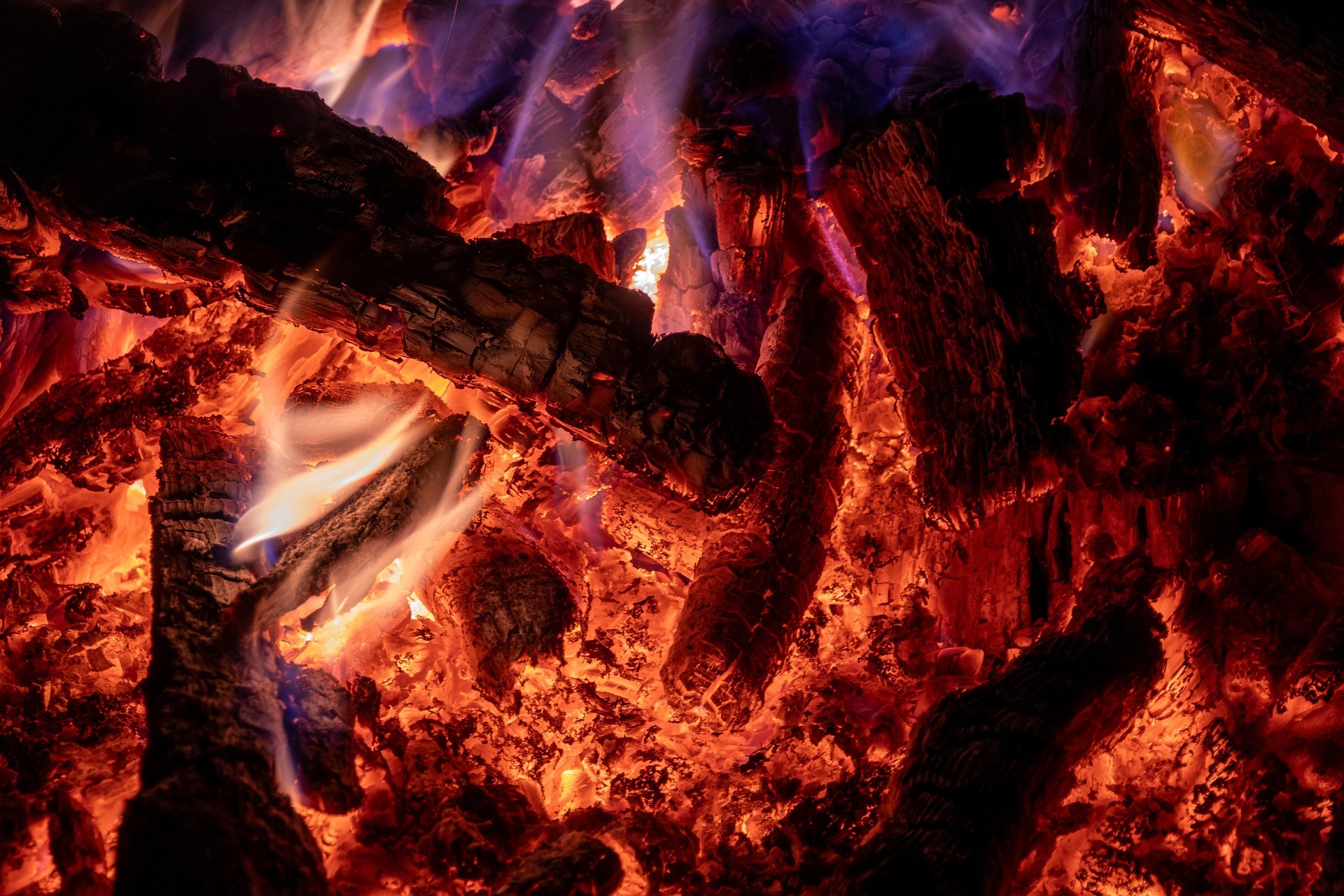
A fire that has stopped producing visible flames can still contain hot embers and fuel capable of reigniting.
Leaving a fire to burn down without properly checking it can therefore create a risk.
Extinguishing a fire is about removing the heat and making sure remaining fuel cannot readily reignite.
Water as an Extinguishing Method
Water is commonly used for ordinary campfires because it can rapidly cool hot fuel and embers.
When applied appropriately, it can reduce the temperature of the fire and help prevent remaining material from reigniting.
However, water isn’t something that should simply be thrown onto a fire from a distance.
It needs to be used carefully and in accordance with the site’s procedures.
How Water Works
Fire needs heat, fuel and oxygen.
Water primarily works by removing heat.
As the water cools burning and glowing material, the temperature can fall below the point needed to continue combustion.
This is why thoroughly cooling the remaining embers is so important.
Don’t Assume Water Has Done the Job
One application of water doesn’t automatically mean a fire is completely out.
Water may cool the surface while hot material remains underneath.
Continue the appropriate extinguishing process and check for:
Steam Is a Hazard
Water contacting very hot embers or metal can rapidly produce steam.
This can cause burns.
Avoid leaning over the fire while applying water.
Stand in a safe position and use an appropriate method for the fire and equipment available.
Pour Water Carefully
Don’t throw a large amount of water directly onto a fire without considering what might happen.
A sudden application can disturb ash and embers and may produce steam.
Where water is appropriate, apply it carefully and progressively while remaining at a safe distance.
What About Stirring?
For some fires, carefully stirring or moving the remaining material can help expose hidden hot embers.
This should only be done using suitable equipment and by someone who understands the risks.
Once hot material is exposed, the appropriate extinguishing method can be applied.
Never put your hands into a fire or hot ash.
Water Isn’t Always Appropriate
Although water is useful for many ordinary campfires, it shouldn’t automatically be used on every type of fire.
Some materials react dangerously with water.
There can also be electrical hazards or specialist situations where a different extinguishing method is required.
This is why identifying the fire and following appropriate procedures matters.
Don’t Use Water on Electrical Fires
Water and electricity can create a serious shock hazard.
If an electrical appliance, cable or electrical equipment is involved in a fire, don’t treat it like an ordinary campfire.
Move people away and follow the appropriate emergency procedure.
For a serious or spreading fire in the UK, call 999 and ask for the Fire and Rescue Service.
Don’t Use Water on Unknown Substances
If you don’t know what is burning, don’t automatically assume that water is safe.
Some chemicals and materials can react with water or spread when water is applied.
Keep people away and seek appropriate assistance.
What About Cooking Oil?
Cooking oil fires require particular care.
Never pour water onto a cooking-oil fire.
Water can cause burning oil to spread violently.
If a cooking-oil fire occurs, follow the appropriate fire-safety procedure for the equipment and situation and use a suitable extinguisher or fire blanket where appropriate.
If it cannot be safely controlled, evacuate the area and call 999.
Fire Blankets
A fire blanket can be useful for certain small cooking fires, particularly where the blanket is specifically designed and appropriate for the situation.
It works by helping cut off the oxygen supply to the fire.
Fire blankets are not a replacement for proper campfire extinguishing procedures.
They are specialist equipment for particular types of fire.
Fire Extinguishers
Different fire extinguishers are designed for different types of fire.
They should only be used by people who have been appropriately trained and who understand which extinguisher is suitable.
Don’t assume that any extinguisher can be used on any fire.
For a normal outdoor campfire, following the site’s established extinguishing procedure is generally more appropriate than improvising with an extinguisher.
Dry Powder Extinguishers
Dry powder extinguishers can be suitable for certain types of fire, but they have limitations and can create visibility problems in enclosed areas.
They should be selected and used according to the type of fire and manufacturer’s guidance.
They are not something Scouts should experiment with.
Foam Extinguishers
Foam extinguishers are designed for particular classes of fire.
Their suitability depends on what is burning.
Never assume that because an extinguisher is available it is automatically appropriate for the fire in front of you.
Carbon Dioxide Extinguishers
Carbon dioxide extinguishers are commonly associated with electrical equipment and certain other fire risks.
They are not a general-purpose solution for an outdoor campfire.
Use the extinguisher appropriate to the fire and follow its instructions.
Sand and Soil
Sand or soil can sometimes be used to smother a small fire by cutting off its oxygen supply.
However, this is not automatically suitable for every campfire or location.
Using soil may also damage the ground or spread hot material.
Only use it where appropriate and permitted by the site or fire procedure.
Smothering a Fire
Smothering works by reducing the oxygen available to the fire.
This is one of the basic principles behind some extinguishing equipment.
However, simply piling material onto a campfire can create additional problems if hot embers remain underneath.
The fire still needs to be properly checked and cooled.
Letting a Fire Burn Out
Allowing a fire to burn down naturally may be appropriate as part of managing a fire, but it shouldn’t automatically be treated as the final extinguishing method.
Even when flames disappear, hot embers can remain.
A fire that has burned down still needs to be checked and dealt with according to the site’s procedures.
What About Rain?
Rain may help cool a fire, but it shouldn’t be relied upon to extinguish it.
Water may not reach every hot ember.
Complete the normal extinguishing process and inspect the fire afterwards.
What About Snow?
Snow can also cool a fire, but it doesn’t guarantee that hidden embers have been extinguished.
Snow may melt around the fire while leaving hotter material underneath.
Treat the fire properly and check it before leaving.
Choosing the Right Method
When deciding how to extinguish a fire, consider:
What is burning?
Is the fire contained?
What extinguishing equipment is available?
Is the method suitable for the material?
Could the method create another hazard?
Are people at a safe distance?
These questions are more useful than simply asking whether water is available.
Follow the Site’s Instructions
Campsites and activity locations may have specific requirements for extinguishing fires.
There may be designated water supplies, fire buckets, extinguishing points or other equipment.
Always follow the site’s instructions.
Don’t assume that a technique used at home is appropriate for every outdoor location.
Consider the Environment
The extinguishing method should also take the surrounding environment into account.
Avoid spreading hot ash, burning material or contaminated water beyond the fire area.
Don’t damage vegetation unnecessarily.
Where fires are permitted, leave the site in the condition required by the landowner or campsite.
Teaching Scouts About Extinguishing Methods
A practical demonstration can help Scouts understand that different extinguishing methods work in different ways.
Explain the basic principles of:
The emphasis should be on understanding rather than allowing Scouts to experiment with live fires or extinguishing equipment without appropriate supervision.
A Useful Rule for Scouts
A simple rule is:
Use the method that is appropriate for the fire, not simply the method that is easiest to reach.
If a Scout isn’t sure what to do, they should step back and tell a leader.
Common Mistake: Using Too Much Water Too Quickly
More isn’t always better.
A large amount of water applied suddenly can create steam, disturb ash and make the area difficult to manage.
Use water carefully when it is the appropriate method.
Common Mistake: Assuming Small Means Safe
A small fire can still cause serious burns.
A small amount of hot charcoal or an ember can also ignite nearby material.
Never let the size of the remaining fire determine whether it needs proper attention.
Common Mistake: Using the Wrong Extinguisher
Fire extinguishers are not interchangeable.
Using the wrong type can make a fire worse or create another hazard.
Only use appropriate equipment and follow training and manufacturer’s instructions.
Common Mistake: Forgetting Hidden Heat
The visible flame is only part of a fire.
Hot embers can remain underneath ash and partially burned wood.
Always complete a final inspection.
When to Stop Trying to Extinguish a Fire Yourself
If a fire is growing, spreading or becoming difficult to control, don’t take unnecessary risks.
Move people away from the danger.
Raise the alarm and follow your emergency procedures.
In the UK, call 999 for the Fire and Rescue Service when there is an emergency.
Final Checks
Whatever method has been used, the job isn’t finished until the fire has been checked.
Look for:
Only leave once the fire has been properly dealt with.
Final Thought for Leaders
Water is an important tool for extinguishing many ordinary campfires, but the bigger lesson is understanding how and why extinguishing methods work.
Teach Scouts to identify the situation, choose an appropriate method and never assume that a fire is safe simply because the flames have disappeared.
The right way to extinguish a fire depends on the fire you’re dealing with.
🔒Ready to test your survival skills?
Join Survival Guides UK for free, complete challenges, earn badges and increase your Survival Level.
JOIN FREE →
CRAIG BURR
FOUNDER · SURVIVAL GUIDES UK
I'm Craig, the person behind Survival Guides UK. I created SGUK because I wanted somewhere people could learn real outdoor skills in a practical, straightforward way — from lighting a fire and tying knots to navigation, campcraft and everything in between.
You can read more about the story behind SGUK here as well as our approach here.