Storm Safety: A Beginner’s Guide to Staying Safe Outdoors
Why Storm Safety Matters
Storms are one of those hazards that can change an outdoor situation very quickly.
A walk that started in sunshine can become cold, wet and windy.
A campsite that seemed perfectly safe can suddenly be surrounded by falling branches.
A stream that was easy to cross can become dangerously fast after heavy rain.
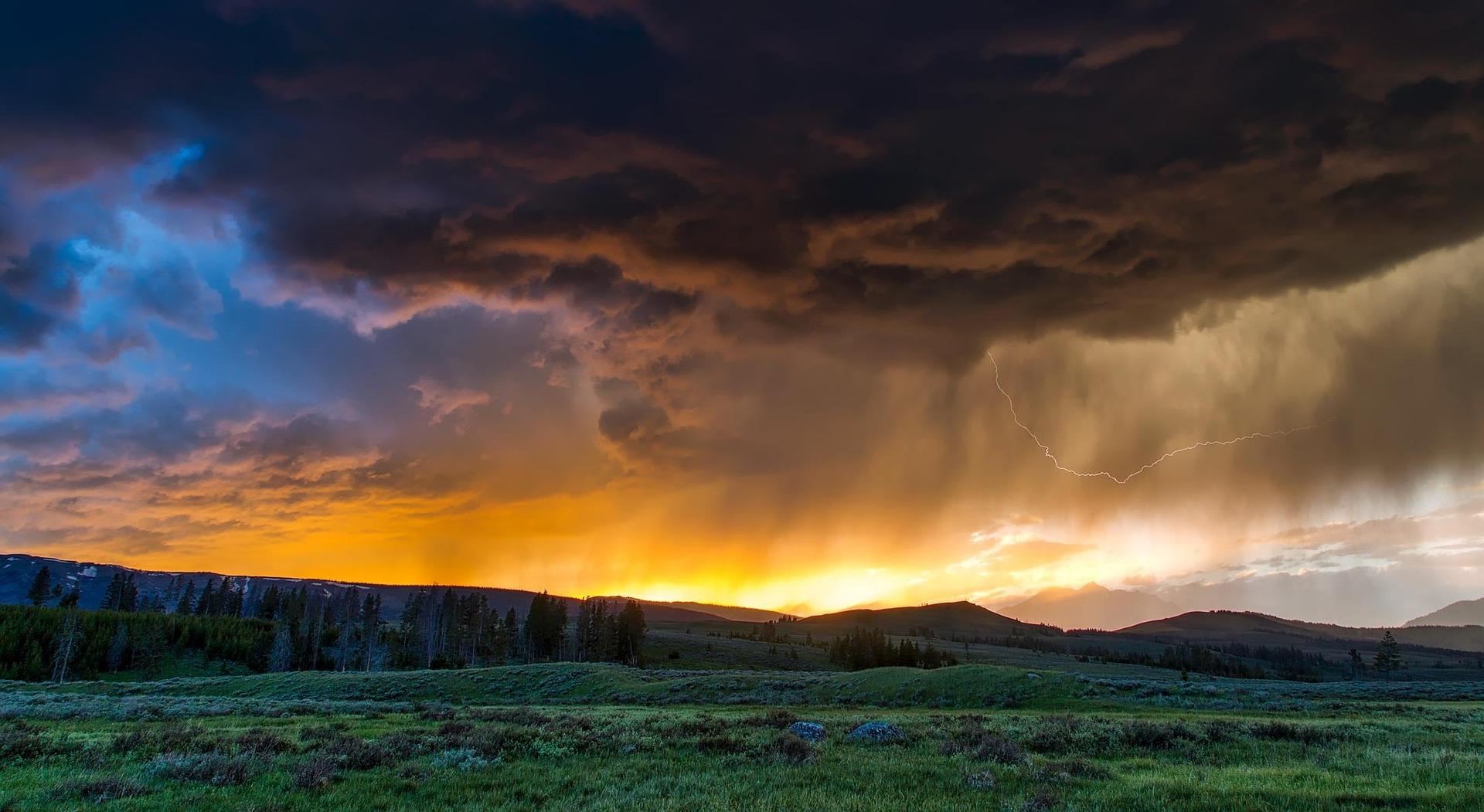
A thunderstorm can introduce lightning.
The important lesson is that weather changes the risk of everything else you’re doing outdoors.
SURVIVAL PRINCIPLE
Don’t just ask:
“Can I do this activity?”
Ask:
“Can I safely do this activity in these conditions?”
⚠️ SAFETY FIRST
Severe weather can become dangerous very quickly.
Strong winds can bring down trees and branches, lightning can cause serious injury, and heavy rainfall can cause flooding and rapidly changing conditions.
If severe weather is forecast, the safest option is often to change your plans or stay indoors.
If you’re already outdoors and conditions deteriorate, don’t take unnecessary risks trying to complete your original route.
In a life-threatening emergency in the UK, call 999 or 112.
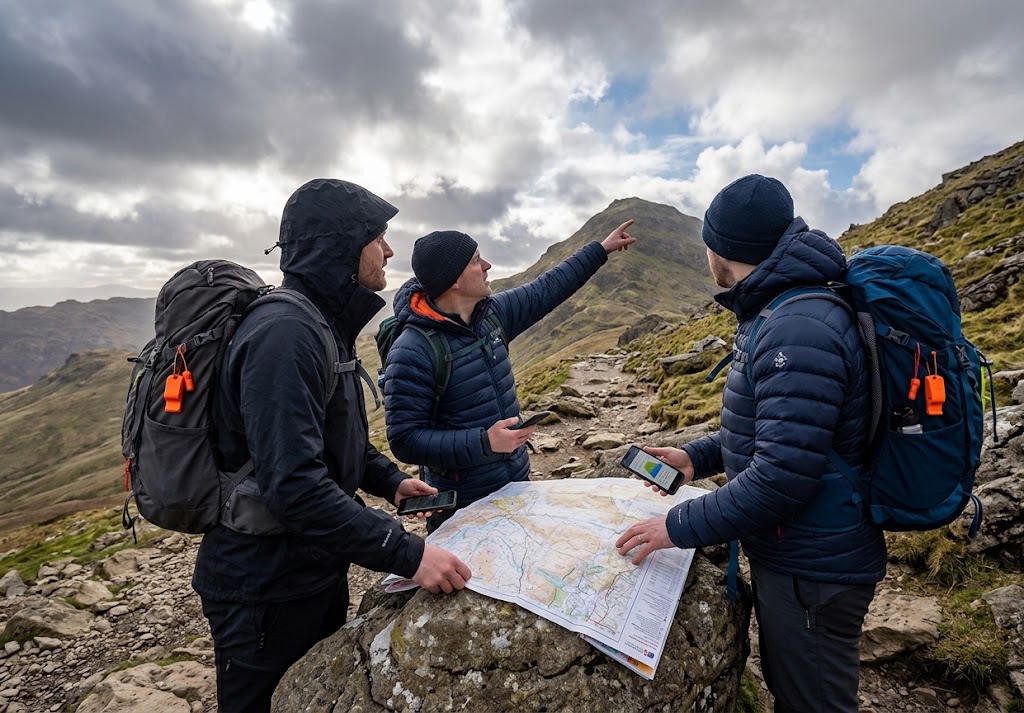
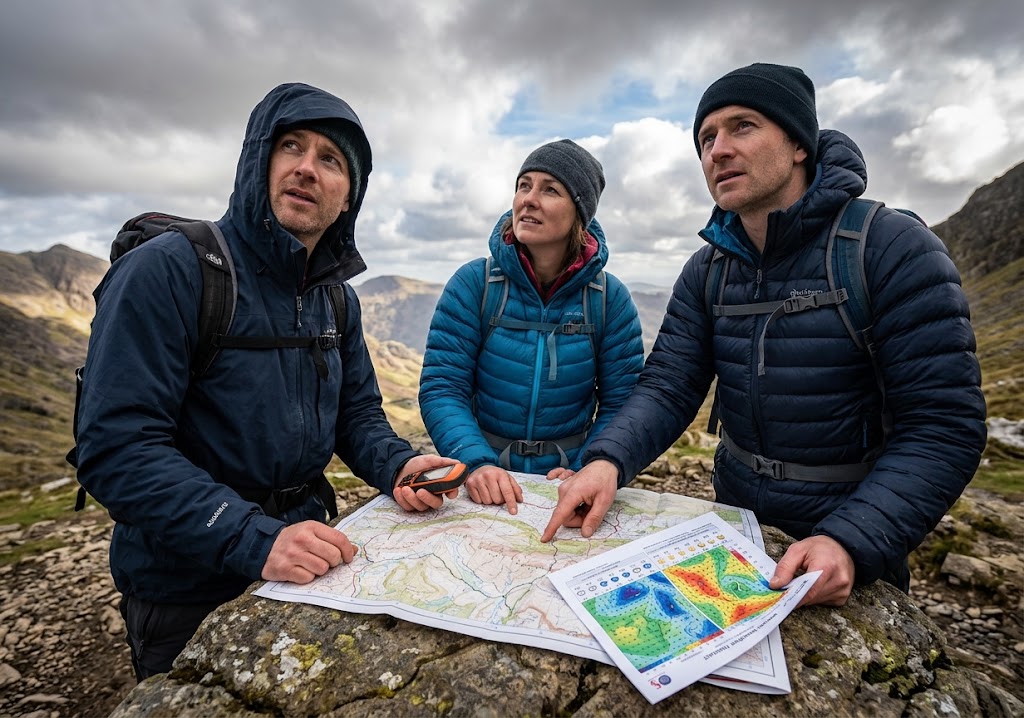
Check the Weather Before You Go
The best storm-safety strategy happens before you leave home.
Check the forecast for the area you’re visiting.
Don’t rely solely on the weather where you live.
Conditions can be very different only a short distance away.
Check for:
- Thunderstorms
- Lightning
- Strong winds
- Heavy rain
- Flooding
- Snow
- Very low temperatures
- Extreme heat
- Weather warnings
The Met Office provides UK weather forecasts, warnings and advice.
Met Office – UK Weather Warnings
TOP TIP
Check the forecast before you leave and again before starting a longer activity.
Understand Weather Warnings
Weather warnings can help you decide whether to continue with your plans.
A warning doesn’t necessarily mean that severe weather will affect every location within the warning area.
But it means you should consider the potential impacts and whether your activity remains appropriate.
The Met Office uses a colour-coded warning system to communicate the potential impact of severe weather.
Always check the current forecast and warnings rather than relying on an old screenshot or social-media post.
Storms and Camping
Camping during severe weather can be particularly challenging.
A tent provides shelter from the elements, but it isn’t a substitute for a robust building.
Before camping, consider:
- Weather forecast
- Wind exposure
- Flood risk
- Trees
- Ground conditions
- Escape routes
- Nearby buildings
- Emergency communications
If severe weather is forecast, consider postponing the trip.
CAMPING RULE
A good camper knows when not to camp.
Choosing a Safe Campsite
If you’re camping, the location of your tent matters enormously.
Avoid pitching:
- Under dead trees
- Beneath large branches
- On exposed ridges during strong winds
- In obvious drainage channels
- Next to rivers
- In low-lying flood-prone areas
- Near unstable cliffs
- Beneath unstable rock
A location that looks sheltered in calm weather may become dangerous during a storm.
Never Camp Under Dead Trees
Strong winds can bring down branches and entire trees.
Dead or damaged trees present an obvious hazard.
Look up before pitching your tent.
Check for:
- Dead branches
- Broken limbs
- Leaning trees
- Signs of decay
- Hanging branches
If you’re unsure, choose another location.
STORM TIP
Look up before you look around.
Strong Winds
High winds can cause problems even when there is no rain or lightning.
Wind can:
- Damage tents
- Blow equipment away
- Break branches
- Bring down trees
- Make walking difficult
- Create waves on lakes and the sea
- Make exposed terrain dangerous
If strong winds are forecast, avoid exposed locations.
Secure loose equipment before conditions deteriorate.
What to Do if You’re Camping in Strong Winds
If strong winds develop:
Secure anything that could blow away.
This includes:
- Chairs
- Cooking equipment
- Tarps
- Bags
- Loose clothing
- Camping equipment
Check your tent.
Make sure guy lines are secure and pegs remain firmly in the ground.
If conditions become severe, consider whether your tent remains the safest place to be.
A tent can be damaged by falling trees or branches, so don’t assume that remaining inside is always the safest option.
Lightning Safety
Lightning can be extremely dangerous.
Thunderstorms are often accompanied by heavy rain and strong winds, but lightning itself presents a serious hazard.
If you hear thunder, lightning may be close enough to pose a risk.
LIGHTNING RULE
If you can hear thunder, you are close enough to be affected by the storm.
Don’t wait until lightning appears directly overhead before taking precautions.
Where Is Safest During a Thunderstorm?
The safest place during a thunderstorm is generally inside a substantial enclosed building or an enclosed hard-topped vehicle.
A car can provide protection from lightning when its windows are closed.
If you are indoors:
- Stay inside
- Keep away from windows
- Avoid unnecessary contact with electrical equipment
- Follow appropriate safety advice
If you’re outdoors and can’t reach a suitable building, reduce your exposure to hazards.
Don’t Shelter Under a Tree
This is one of the most important storm-safety rules.
Don’t stand under an isolated tree during a thunderstorm.
A tree can become a dangerous point for a lightning strike.
It can also shed branches or fall in strong winds.
The tree may look like a convenient shelter.
It isn’t.
REMEMBER
A tree is not a lightning shelter.
If You’re Caught Outdoors During Lightning
If there is no safe building nearby, move away from obvious hazards.
Avoid:
- Isolated trees
- Open hilltops
- Ridges
- Fences
- Poles
- Tall isolated objects
- Water
If possible, move towards safer shelter.
Avoid standing in large exposed open areas.
Stay Away From Water
Water and thunderstorms are a particularly bad combination.
If you’re:
- Swimming
- Fishing
- Kayaking
- Paddleboarding
- Camping beside a lake
- Walking beside a river
and a thunderstorm approaches, get away from the water.
Don’t wait for the rain to become heavy.
Lightning can strike the water and surrounding areas.
WATER + LIGHTNING
Get out of the water and seek safer shelter as soon as you can.
Heavy Rain
Heavy rain creates more problems than simply getting wet.
It can cause:
- Flooding
- Slippery paths
- Reduced visibility
- Rising rivers
- Mud
- Landslips
- Difficult road conditions
- Hypothermia
A small stream can become a powerful torrent surprisingly quickly.
Never Cross Fast-Flowing Floodwater
This is one of the most important rules in this entire article.
Don’t attempt to walk or drive through floodwater unless you have been specifically instructed to do so by the appropriate authorities.
Water can be deeper and faster than it appears.
It can also hide:
- Open drains
- Uneven ground
- Debris
- Broken roads
- Other hazards
FLOOD RULE
Turn around. Don’t drown.
If water is blocking your route, find another safe option.
Don’t Camp Next to Rivers During Heavy Rain
A campsite beside a peaceful river may seem attractive.
But heavy rainfall upstream can cause river levels to rise rapidly.
You may not even see the rain that is causing the water level to increase.
Avoid camping on:
- River banks
- Flood plains
- Dry river channels
- Low-lying ground near streams
Check local flood information before camping near waterways.
Storms and Trees
Trees can become one of the biggest hazards during high winds.
Branches can fall without much warning.
Large trees can also be uprooted.
If you’re walking through woodland during a severe wind event, consider whether you should leave the area.
Don’t stop beneath trees simply because they provide shelter from the rain.
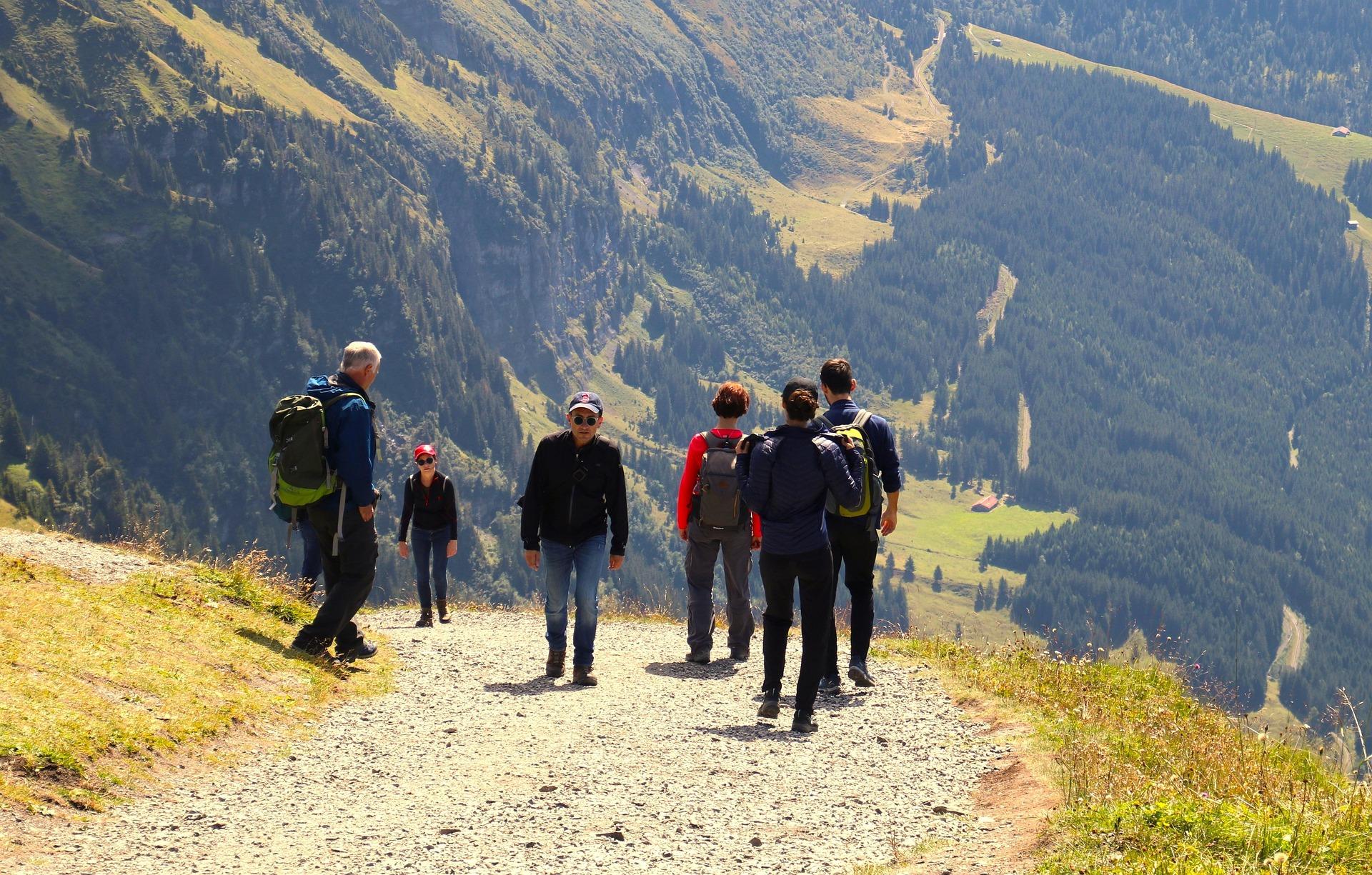
What If You’re Walking When a Storm Arrives?
If you’re outdoors when weather conditions deteriorate:
Stop and Assess
Don’t blindly continue.
Check the Weather
If you have a phone signal, check current information.
Identify Shelter
Look for a safe substantial building where appropriate.
Avoid Exposed Areas
Move away from ridges, high points and isolated objects.
Stay Away From Water
Especially during thunderstorms or flooding.
Reconsider Your Route
Turning around is not failure.
OUTDOOR RULE
The safest route isn’t always the route you originally planned.
Don’t Climb Higher During a Thunderstorm
If you’re on a hill, mountain or exposed ridge when a thunderstorm approaches, don’t deliberately climb higher to get a better view or find your route.
Your priority is reducing exposure and reaching appropriate shelter where possible.
Mountain environments can also experience rapidly changing weather.
Mountain Rescue England and Wales recommends checking conditions, carrying suitable equipment and being prepared to change your plans when weather deteriorates.
Mountain Rescue England and Wales – Safety Advice
What About Your Tent?
A tent is useful protection from wind and rain, but it isn’t a safe substitute for a substantial building during a severe thunderstorm.
If there is a suitable building nearby, that is generally preferable.
Don’t touch tent poles unnecessarily during lightning activity and avoid positioning your tent under trees or in exposed locations.
Most importantly, don’t pitch your tent in an unsafe place simply because it’s convenient.
Storms and Campfires
Stormy weather and fire can be a dangerous combination.
Strong winds can carry sparks and embers.
Wet conditions can also encourage people to build larger fires in an attempt to stay warm.
Don’t.
Always follow local fire restrictions and campsite rules.
Never leave a fire unattended.
Make sure it is completely extinguished before leaving.
If strong winds make fire control difficult, don’t light one.
Don’t Use a Barbecue Inside a Tent
This deserves a separate warning.
Never use a barbecue, camp stove or other fuel-burning appliance inside a tent or enclosed shelter.
Combustion can produce carbon monoxide.
There is also a serious fire risk.
🚫 NEVER DO THIS
Never bring a barbecue, campfire or unsuitable fuel-burning appliance inside your tent.
A tent is not a fireplace.
Keep Warm and Dry
Storms can create a dangerous combination of:
Wind + rain + cold.
Even in summer, prolonged exposure to wet and windy conditions can cause problems.
Wear suitable layers.
Keep waterproof clothing accessible.
Don’t pack your waterproof jacket at the bottom of your bag because the forecast looked good when you left.
PACKING TIP
Keep essential weather protection somewhere you can reach it quickly.
What If You’re Already Wet?
Don’t ignore it.
If you’re able to reach safe shelter:
- Get out of the rain
- Remove wet layers where practical
- Replace them with dry clothing
- Insulate yourself from cold surfaces
- Protect yourself from wind
If someone is becoming confused, unusually tired, shivering heavily or showing other signs of serious cold exposure, seek appropriate emergency assistance.
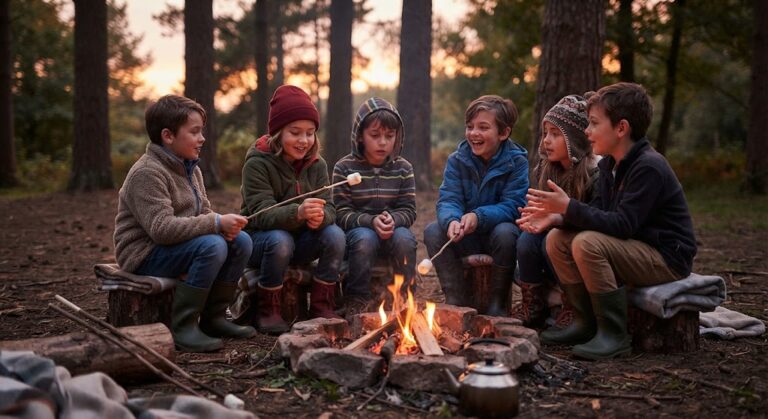
Storm Safety and Children
Children can find storms exciting.
Thunder and lightning may seem like an adventure.
But young people may not recognise the hazards.
Teach simple rules:
- Don’t stand under trees during lightning
- Stay away from water
- Follow adult instructions
- Don’t run around during severe weather
- Stay away from cliffs and exposed areas
- Don’t touch dangerous equipment
- Tell an adult if you’re frightened or cold
For Scout activities, always follow the current Scouts guidance and the activity leader’s risk assessment.
Storm Safety for Scouts
Storms make an excellent opportunity for teaching risk assessment.
Rather than simply telling young people:
“Storms are dangerous.”
Ask them:
“What has changed?”
A dry path may become slippery.
A stream may become dangerous.
A campsite beneath trees may become unsafe.
A hilltop may become exposed.
A fire may become difficult to control.
This teaches an important outdoor skill:
The environment changes, so your decisions need to change too.
Scouts’ outdoor activities emphasise planning, risk assessment and adapting to changing conditions.
Scouts – Outdoor Activities and Safety
SurvivalGuidesUK is an independent educational resource and isn’t an official Scouts website.
Storm Safety Checklist
Before heading outdoors:
What to Do If a Storm Catches You
If you’re already outdoors and the weather suddenly turns severe, remember:
1. Stop
Don’t rush blindly.
2. Assess
What is the biggest immediate danger?
3. Get Away From Hazards
Move away from water, exposed ridges, unstable trees and other obvious dangers.
4. Find Appropriate Shelter
A substantial building is preferable where available.
5. Keep Warm and Dry
Use your clothing and equipment.
6. Contact Help if Necessary
If you’re lost, injured or in immediate danger, call 999 or 112.
7. Reassess
Conditions can change.
Don’t assume your original plan remains safe.
Storm Safety: The 5 Golden Rules
If you remember nothing else from this article, remember these:
🌩️ 1. Check the Forecast
Don’t knowingly walk into severe weather without good reason.
🌳 2. Avoid Trees in High Winds and Lightning
They can become serious hazards.
💧 3. Stay Away From Floodwater
Never underestimate moving water.
🏠 4. Seek Proper Shelter
A substantial building is preferable to a tent during severe thunderstorms.
🔄 5. Be Prepared to Change Your Plans
Turning around can be the smartest decision of the day.
Final Thoughts
Storms are a reminder that outdoor survival isn’t just about knowing how to build a fire or shelter.
It’s about reading the environment and making good decisions.
The safest way to deal with severe weather is often to avoid being caught in it.
Check the forecast.
Plan ahead.
Carry appropriate equipment.
Know where you can shelter.
And if conditions deteriorate, don’t be afraid to change your plans.
A successful outdoor trip isn’t one where you stubbornly complete the route despite dangerous weather.
It’s one where everyone gets home safely.
REMEMBER
The weather doesn’t care about your plans.
If the conditions change, change the plan.
⚠️ SurvivalGuidesUK Safety Notice
Severe weather can cause serious injury or death.
This article provides general educational information and does not replace official weather warnings, emergency advice, professional training or local safety instructions.
Always check current weather conditions before outdoor activities and follow instructions from the Met Office, emergency services, landowners, lifeguards and activity leaders where applicable.
If you’re in immediate danger in the UK, call 999 or 112.
Respect the weather, know your limits and don’t be afraid to turn back.
🔒Ready to test your survival skills?
Join Survival Guides UK for free, complete challenges, earn badges and increase your Survival Level.
JOIN FREE →
CRAIG BURR
FOUNDER · SURVIVAL GUIDES UK
I'm Craig, the person behind Survival Guides UK. I created SGUK because I wanted somewhere people could learn real outdoor skills in a practical, straightforward way — from lighting a fire and tying knots to navigation, campcraft and everything in between.
You can read more about the story behind SGUK here as well as our approach here.