Mountain Clothing Selection
Activity Overview
Difficulty: Intermediate
Time: 30–45 minutes
Location: Indoors for planning and equipment checks; outdoors for practical use
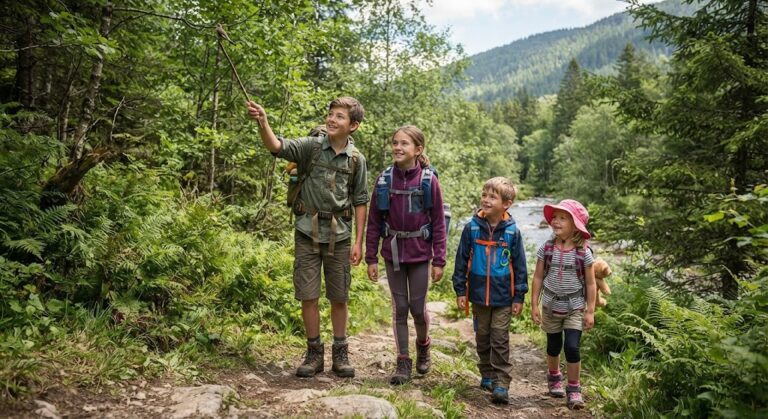
Best for: Scouts and Explorers
Skills: Clothing selection, weather awareness, layering, preparation, mountain safety
Mountain clothing should be selected according to the weather, terrain, season, duration and difficulty of the activity. The aim is to stay warm, dry and comfortable while being prepared for conditions to become worse.
A practical layering system normally consists of a moisture-managing base layer, an insulating middle layer and a waterproof, windproof outer layer. Your clothing should also protect your hands, head and feet, with spare clothing carried in the rucksack.
What You’ll Learn
You will learn how to choose clothing for mountain activities, understand the purpose of different layers and prepare for changes in temperature, wind and rain.
You will also learn why clothing needs to be selected for the conditions you could encounter at higher ground rather than simply what the weather feels like when you leave home.
🟡 SAFETY – MODERATE RISK
Poor clothing choices can contribute to cold stress, hypothermia, heat exhaustion, discomfort and fatigue. Mountain conditions can change quickly, so clothing should be appropriate for the worst reasonably expected conditions.
Never rely on a waterproof jacket alone to keep you warm. Insulation and layering are equally important.
Avoid cotton as the main base layer for cold or wet mountain activities because it can retain moisture and become slow to dry. Choose clothing that remains comfortable when damp and dries reasonably quickly.
Clothing should allow you to move freely without loose items becoming caught on equipment or vegetation.
Equipment
For a typical mountain day, clothing will include suitable walking boots or footwear, walking socks, a base layer, an insulating layer and a waterproof outer layer.
Depending on conditions, you may also need waterproof trousers, a warm hat, gloves, spare gloves, additional insulation and spare socks.
Carry important spare clothing inside waterproof bags or dry bags within the rucksack. Even waterproof rucksacks can allow water in during prolonged rain.
Prerequisites
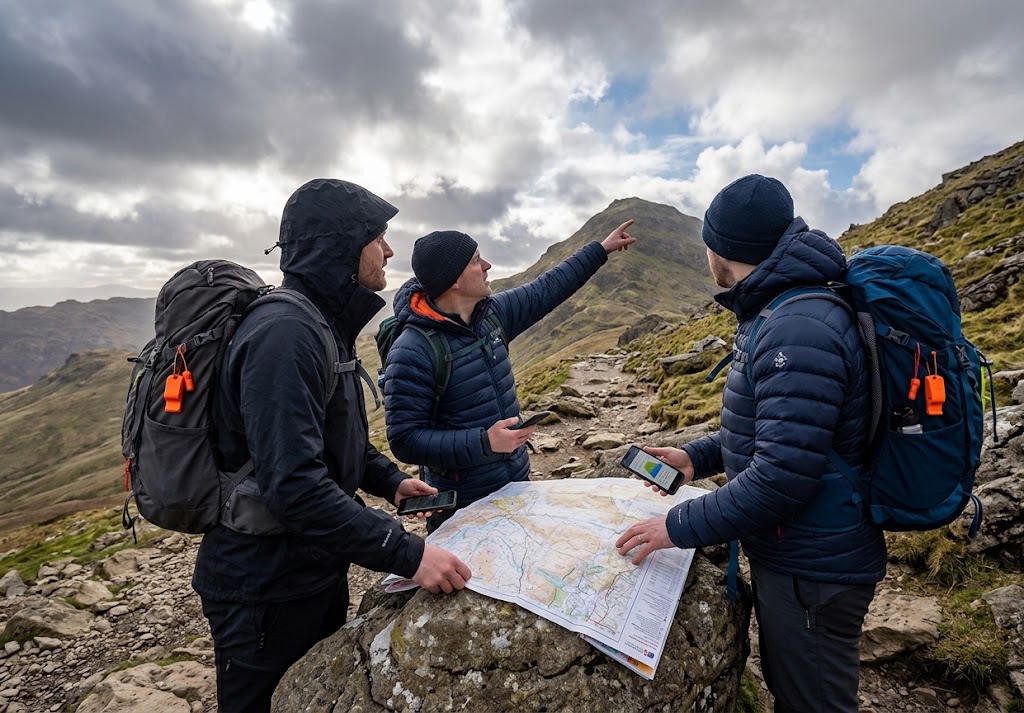
Before choosing your clothing, understand the forecast, route, expected temperature, wind and precipitation.
You should also consider the season, altitude, length of the activity and how exposed the route will be.
For winter conditions, more advanced equipment and clothing may be required. Winter mountain clothing should be selected according to the actual conditions and the competence and experience of the group.
Instructions
1. Check the weather
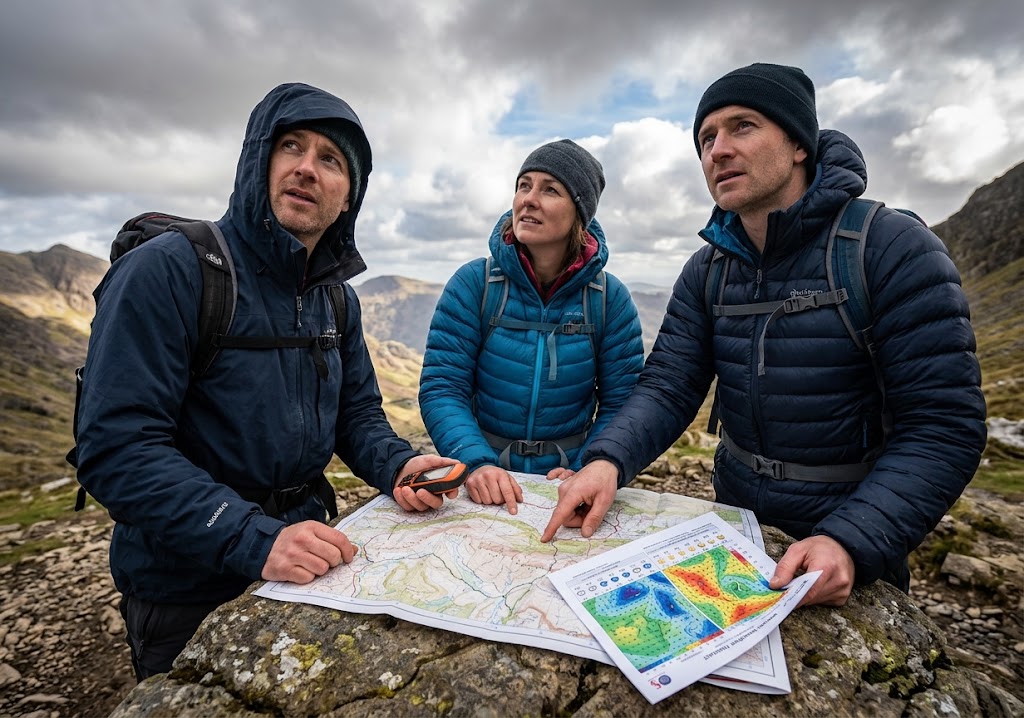
Start by checking an appropriate mountain forecast.
Look beyond the temperature and consider wind, rain, snow, cloud and visibility. Strong winds can make conditions feel considerably colder than the air temperature suggests.
2. Choose a base layer
The base layer sits next to your skin and helps manage moisture.
A suitable synthetic or wool-based layer can help move moisture away from the skin while remaining useful when conditions are damp.
Avoid wearing too many thick layers underneath your waterproof jacket, as this can make you sweat excessively.
3. Choose an insulating layer
Your middle layer provides warmth.
A fleece or suitable insulated jacket can work well because it provides warmth without being excessively bulky.
The amount of insulation required depends on the temperature, wind and how active you expect to be.
4. Select the outer layer
Your outer layer should protect you from wind and rain.
A proper waterproof jacket should have a hood and be suitable for prolonged outdoor use. It should allow enough room for your other layers without restricting movement.
Waterproof trousers are particularly useful when heavy rain is expected or when walking through wet vegetation.
5. Protect your head and hands
A significant amount of heat can be lost from exposed areas, and cold hands can make navigation and equipment handling difficult.
Carry a warm hat and suitable gloves even if conditions look mild at the start.
For changeable mountain weather, carrying a spare pair of gloves is sensible because wet gloves can become much less effective.
6. Choose suitable socks
Good walking socks can improve comfort and help reduce rubbing and blisters.
Choose socks that fit properly inside your boots without making the footwear excessively tight.
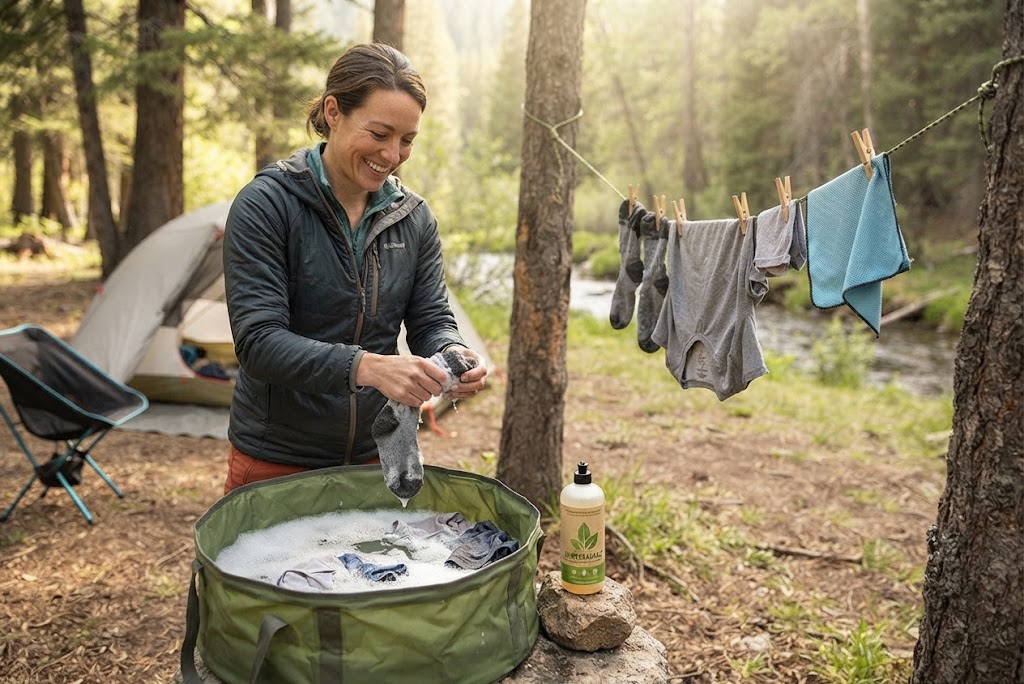
Carry spare socks on longer or wetter activities so that you can change if your feet become wet.
7. Select appropriate footwear
Mountain footwear needs to suit the terrain and conditions.
For rough or wet mountain routes, supportive walking boots with suitable grip may be more appropriate than lightweight trainers.
Make sure footwear is comfortable and already broken in before a long mountain activity.
8. Think about the whole day
Do not select clothing based only on the first hour of the activity.
Consider what will happen if the group gets caught in heavy rain, strong winds or much colder conditions later in the day.
Carry additional layers rather than assuming you can simply return to the start before conditions deteriorate.
9. Pack clothing properly
Keep waterproofs near the top of the rucksack so they can be put on quickly.
Protect spare clothing from rain by using waterproof bags or dry bags.
Avoid packing everything tightly together if doing so makes essential clothing difficult to reach.
10. Check everyone’s clothing before departure
Before leaving, check that everyone has the clothing required for the planned activity.
A group should not depend on one person having lots of spare equipment. Each participant needs appropriate personal clothing and enough protection for the conditions.
If someone is inadequately equipped, address the problem before starting the route.
11. Adjust layers during the walk
Layering works best when you adjust it as conditions change.
If you are becoming too warm, remove a layer before you become excessively sweaty. If you are becoming cold, add insulation before you become chilled.
During stops, you may need to put an insulating layer on because your body produces less heat when you stop walking.
Final Tip
Think in layers, not one big coat. Mountain weather can change quickly, and a good layering system lets you add or remove clothing as your activity and the conditions change.
🔒Ready to test your survival skills?
Join Survival Guides UK for free, complete challenges, earn badges and increase your Survival Level.
JOIN FREE →
CRAIG BURR
FOUNDER · SURVIVAL GUIDES UK
I'm Craig, the person behind Survival Guides UK. I created SGUK because I wanted somewhere people could learn real outdoor skills in a practical, straightforward way — from lighting a fire and tying knots to navigation, campcraft and everything in between.
You can read more about the story behind SGUK here as well as our approach here.