How to Stay Dry and Manage Sweat Outdoors
Staying dry outdoors is not simply a matter of putting on a waterproof jacket. Rain is an obvious source of moisture, but sweat can leave you just as wet, particularly when you’re walking uphill, carrying a heavy rucksack or working hard around camp.
The trick is to manage both at the same time. You want to keep rain and wet vegetation away from your skin while allowing excess heat and moisture from your body to escape. Once you get used to adjusting your clothing before you become too hot or too cold, staying comfortable outdoors becomes much easier and makes for a much more pleasant time outdoors.
Start With the Right Clothing
The clothing you choose has the biggest effect on how easily you can manage moisture.
A good outdoor clothing system usually uses several layers rather than one thick item. This allows you to add or remove insulation as your activity level and the weather change.
Avoid relying on cotton as your main clothing layer in cold or wet conditions. Cotton can absorb a lot of moisture and dries relatively slowly, leaving you feeling cold once you stop moving.
Don’t Wait Until You’re Sweating
One of the most common mistakes made by people outdoors is waiting until they’re already too hot before removing a layer.
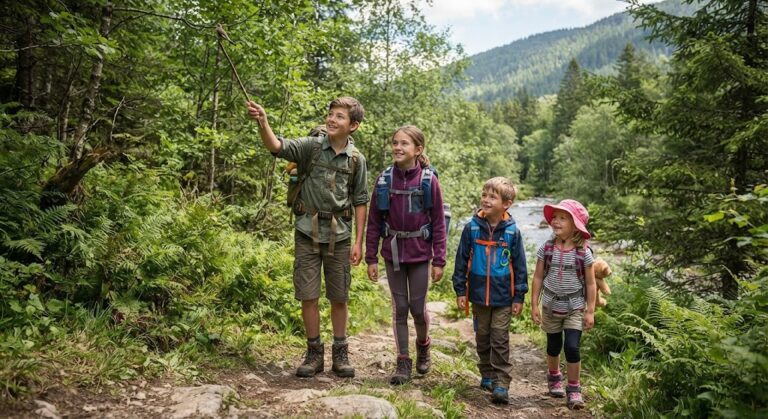
If you’re starting a walk and you know you’ll soon be climbing a hill, you may be better off removing a layer before you start rather than walking until you’re sweating heavily and then trying to cool your body down.
It can feel slightly strange to start a walk feeling a little cool, but your body will soon generate more heat once you get moving. Adjust your clothing early rather than trying to recover from being soaked with sweat later.
Use Layers You Can Adjust
Layers give you control.
A base layer can help move moisture away from your skin, while an insulating layer provides warmth and an outer layer protects you from wind and rain. You don’t necessarily need all three layers on all the time. The beauty of layers is that they can be adjusted to your needs.
If the temperature rises or you start working hard, remove an insulating layer. If the wind picks up or rain starts, put your outer layer back on.
The aim is to stay comfortable rather than keeping exactly the same clothing combination for the entire day.
Use Your Jacket’s Ventilation
If your waterproof jacket has ventilation zips, pit zips or adjustable openings, use them when you need to release heat.
You don’t always need to take the whole jacket off just because you’re getting warm. Opening a zip slightly can sometimes provide enough ventilation to stop you overheating while still protecting you from rain.
If the weather is dry, you may be able to remove the waterproof layer completely while you’re working hard.
Don’t Wear More Than You Need
It is easy to put on too many clothes because you are worried about getting cold.
This is particularly common when setting off on a chilly morning. Once you start walking, though, all those layers can quickly become too much.
Before adding another layer, ask yourself whether you actually need more insulation or whether you simply need to move a little more slowly. Carrying spare layers is sensible; wearing every layer at once isn’t always the answer.
Keep Rain Out
When rain arrives, your outer layer needs to protect the clothing underneath it.
Put your waterproof jacket on before you’re completely soaked. Use a hood when appropriate and make sure the cuffs and openings are adjusted so that water isn’t running straight inside.
If you’re carrying a rucksack, consider how its straps and cover affect your waterproof clothing. Water can find its way through gaps surprisingly easily.
Protect Your Legs and Feet
It is easy to concentrate on your upper body and forget about your legs and feet.
Wet trousers can become uncomfortable very quickly, particularly if you’re walking through long grass or vegetation after rain. Waterproof overtrousers can be useful in persistent rain, especially when you need to stay outside for a long time.
For your feet, choose footwear and socks that suit the conditions. If your boots or shoes become wet, change into dry socks when you can and allow wet boots to dry properly rather than simply putting them back on the next morning.
Manage Sweat When Working Around Camp
Sweating isn’t only a problem while walking.
Building shelters, collecting firewood, digging, carrying equipment and other camp activities can make you surprisingly hot, even when the air temperature is low.
If you’re working hard, remove unnecessary layers and open ventilation before you become drenched. Once you’ve finished the task, put your insulating layer back on promptly so you don’t sit around in damp clothing while your body cools down.
Keep Spare Dry Clothing Protected
Dry clothing is valuable outdoors, so protect it.
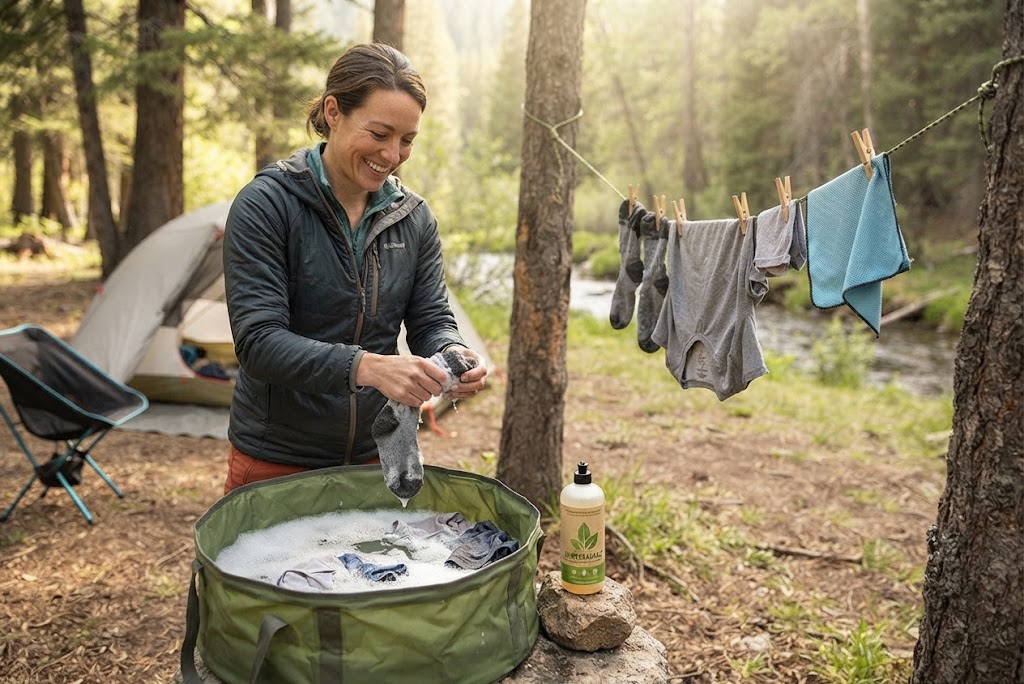
Keep spare socks, base layers and other important clothing inside a waterproof bag or dry bag rather than simply putting them loose inside your rucksack. A rucksack cover can help with rain, but it isn’t always enough to guarantee that everything inside stays dry.
Having one genuinely dry layer available at the end of a wet day can make a huge difference to your comfort, as well as your morale.
Change Out of Wet Clothing When You Stop
Clothing that feels fine while you’re moving can become a problem when you stop.
Your body produces much less heat when you’re sitting around camp, and damp clothing can make you feel cold surprisingly quickly. If your base layer is wet with sweat, change into something dry when practical.
This is particularly important before settling down for the evening. Don’t sit around for an hour in damp clothing simply because you were comfortable while walking.
Learn to Recognise When You’re Getting Too Cold
Being wet and cold is more than a comfort problem.
Shivering, unusual tiredness, poor coordination, confusion and difficulty thinking clearly can all be warning signs that someone is becoming dangerously cold. If this starts happening, don’t simply add another layer and carry on as though nothing is wrong.
Get out of the wet and wind, replace wet clothing where possible, add dry insulation and seek appropriate help if the person’s condition is worsening.
Don’t Forget That Wind Makes You Colder
Even if your clothing isn’t wet from rain or sweat, wind can remove heat from your body quickly.
A breathable outer layer that blocks the wind can therefore be extremely useful. You may not need a heavy insulated jacket while you’re walking, but having something that stops the wind reaching your base and mid-layers can make a noticeable difference.
This is one reason why layering works so well: different layers can deal with different problems.
Learn to Adjust Before Conditions Change
Good clothing management is largely about thinking ahead.
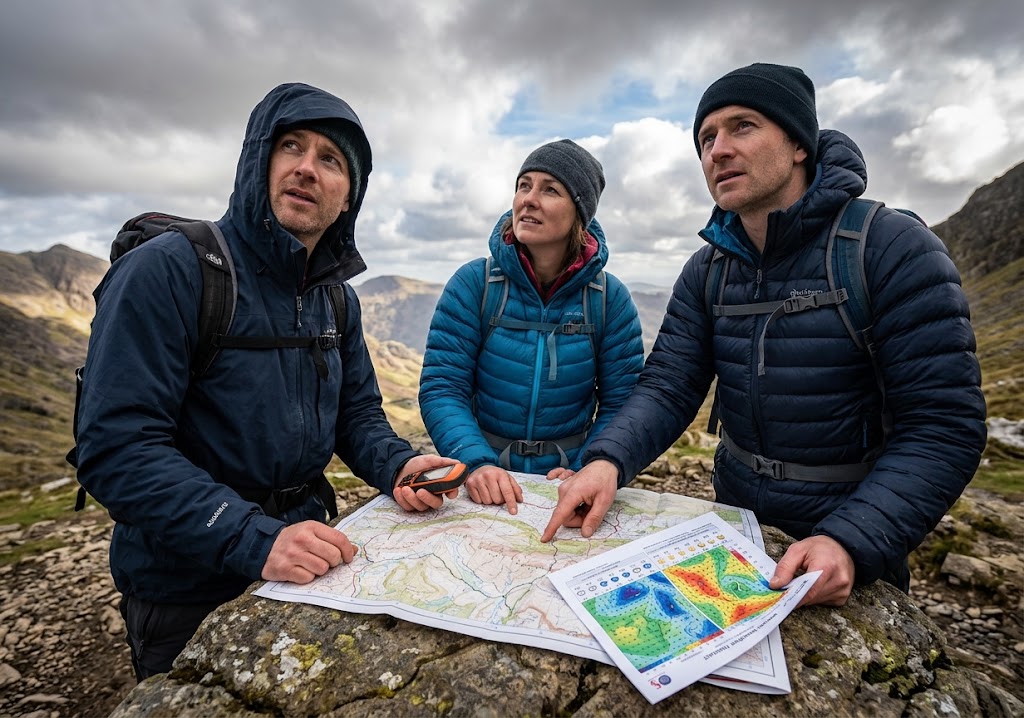
If the clouds are building, put your waterproof somewhere accessible rather than buried at the bottom of your rucksack. If you’re approaching a long climb, consider removing a layer before you start. If you’re reaching an exposed section of the route, have your windproof layer ready.
Small adjustments made early are much easier than trying to solve a clothing problem once you’re already soaked or shivering.
Stay Dry From the Inside and Outside
The goal isn’t to avoid every drop of moisture. That’s rarely possible outdoors.
Instead, learn to control where the moisture comes from and how long it stays against your skin. Protect yourself from rain, choose sensible layers, ventilate when you’re working hard and change damp clothing when you stop.
Once you start paying attention to how your body responds to different conditions, you’ll become much better at staying comfortable outdoors without carrying or wearing far more clothing than you actually need.
🔒Ready to test your survival skills?
Join Survival Guides UK for free, complete challenges, earn badges and increase your Survival Level.
JOIN FREE →
CRAIG BURR
FOUNDER · SURVIVAL GUIDES UK
I'm Craig, the person behind Survival Guides UK. I created SGUK because I wanted somewhere people could learn real outdoor skills in a practical, straightforward way — from lighting a fire and tying knots to navigation, campcraft and everything in between.
You can read more about the story behind SGUK here as well as our approach here.