How to Use a Bivvy Bag or Emergency Blanket
A bivvy bag and an emergency blanket are both useful pieces of outdoor equipment, but they have different important jobs. A bivvy bag is designed to go around you and your sleeping system, while an emergency blanket is much more flexible and can be used to reflect heat, provide some protection from wind and rain, or form part of a basic emergency shelter.
Knowing how to use either one properly is worth practising before you actually need it. In cold or wet conditions, simply carrying one in your rucksack isn’t enough — you need to know how to use it properly and get the most protection from it.
What Is a Bivvy Bag?
A bivvy bag is a protective outer bag that goes over your sleeping bag or, depending on the design, can be used around you directly.
Its main purpose is to provide another layer of protection from the weather. It can help keep rain, wind and condensation away from your sleeping bag, while some models are designed to provide additional warmth or breathability.
A bivvy bag is not a replacement for a proper sleeping bag though. Think of it as an additional layer that helps your sleeping system perform better.
How to Use a Bivvy Bag
Choose a suitable place to lie down before getting inside. Look for ground that is reasonably dry, level and free from sharp stones, sticks and other objects that could damage the bag.
Put your sleeping mat down first if you have one. The mat is important because the ground can conduct heat away from your body surprisingly quickly. Place your sleeping bag on top and then get into the bivvy bag, making sure the sleeping bag is fully inside.
If the bivvy has a hood or opening that can be closed, adjust it so that you have protection without restricting your breathing. Don’t completely seal yourself inside a bivvy bag.
Keep the Bivvy Off Wet Ground
A bivvy bag is designed to protect your sleeping system, but that doesn’t mean you should deliberately place it in a puddle or an area where water collects.
Before settling down, look at the ground around you and think about where rainwater will go. A slight hollow can become much wetter during a night of rain.
If the ground is particularly wet, use a suitable groundsheet or shelter in addition to the bivvy rather than relying on the bivvy bag to solve every problem.
Understand Condensation
One thing that catches people out with bivvy bags is condensation.
Your body produces moisture while you sleep, and some of that moisture can collect inside the bivvy depending on the material, temperature and conditions. A breathable bivvy can reduce this problem, but it cannot eliminate it completely.
Avoid unnecessarily sealing the opening tightly around your face. Good ventilation is important, particularly in cold conditions when condensation can become noticeable.
What Is an Emergency Blanket?
An emergency blanket is a lightweight sheet with a reflective surface. It is often called a survival blanket or space blanket.
It is particularly useful because it takes up very little room in a rucksack but can be used in several different ways. It can reflect some of your body heat back towards you, provide a barrier against wind and rain, or be incorporated into an emergency shelter.
The important thing to remember is that it works best when you use it as part of a system rather than simply wrapping it around yourself and expecting it to keep you warm on its own.
Use an Emergency Blanket to Reflect Heat
The reflective surface can help reduce heat loss by reflecting radiant heat back towards your body.
If you’re cold, get yourself somewhere protected from the wind first and then use the blanket around your body or sleeping system. Try to create a layer of trapped air between your body and the blanket rather than pressing the material tightly against yourself.
It is particularly useful when combined with insulation underneath you. An emergency blanket cannot replace a sleeping mat, warm clothing or a sleeping bag.
Use an Emergency Blanket as a Shelter
You can also use an emergency blanket as part of a basic shelter.
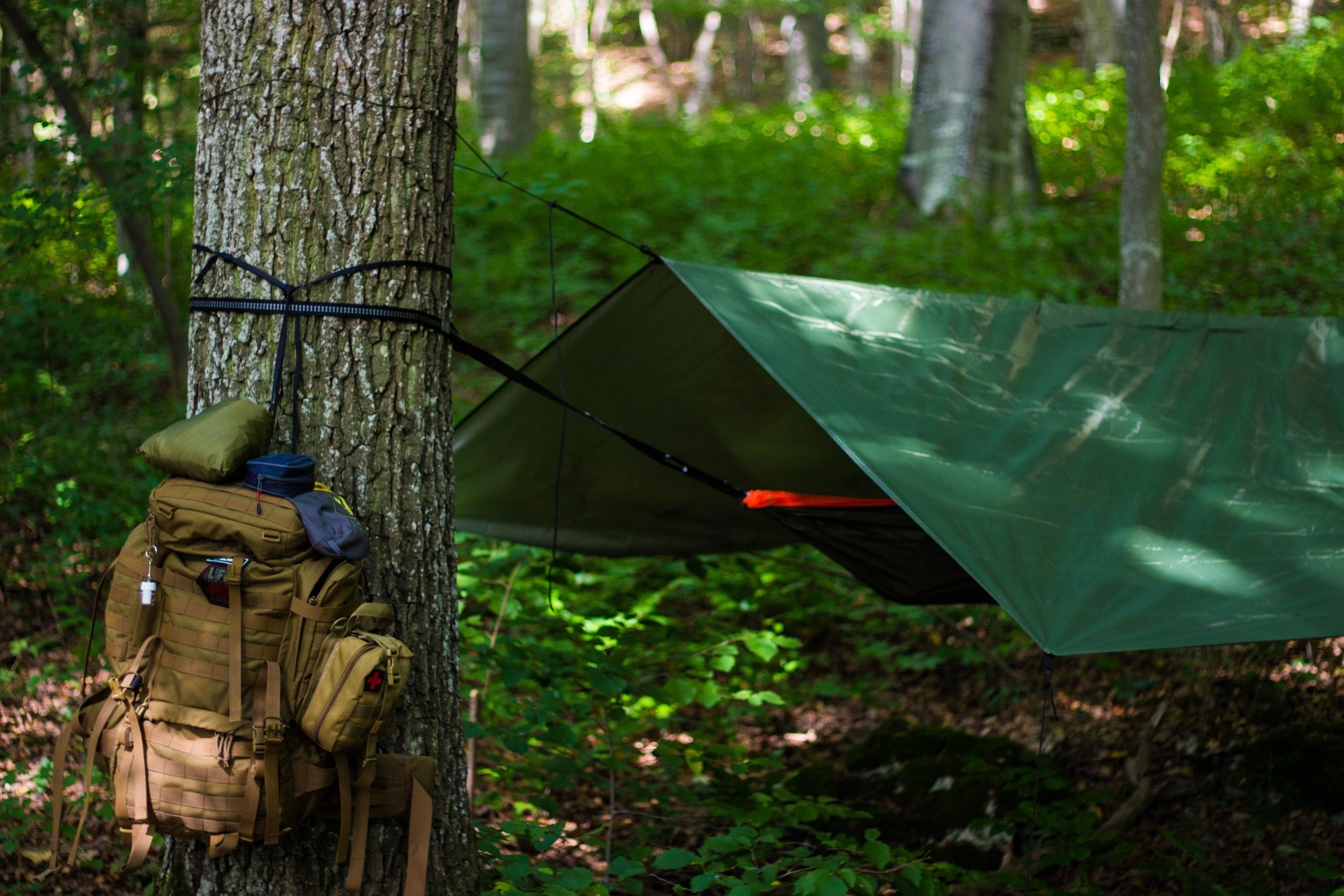
For example, you can suspend it between suitable supports or use it as a windbreak. If it is large enough and properly secured, it can provide some protection from rain as well.
Be careful when pitching a lightweight emergency blanket because strong wind can easily turn it into a sail. Secure it properly and avoid placing unnecessary strain on the material.
Don’t Rely on an Emergency Blanket Alone
An emergency blanket is extremely useful for its size and weight, but it has limitations.
It doesn’t provide the same insulation as a sleeping bag, and it doesn’t have the structural strength of a proper tarp. In cold conditions, your priority should be getting out of wind and rain, insulating yourself from the ground and retaining as much warmth as possible.
Think of the blanket as one part of your emergency kit rather than the complete solution.
Use the Blanket Underneath You
An emergency blanket can also be useful underneath you as a reflective layer, but don’t assume that simply putting the shiny side underneath will keep you warm.
The biggest problem with sleeping outdoors is often heat loss to the cold ground. A proper insulating mat is much more effective because it traps air and reduces heat transfer.
If you have a mat, use it. The emergency blanket can then provide additional protection from moisture or be kept available for another purpose.
Combine Your Equipment
The real advantage comes from combining simple pieces of equipment.
For example, you might use a bivvy bag around your sleeping bag, a sleeping mat underneath you and an emergency blanket as an additional wind or weather barrier. A tarp can then provide overhead protection.
Each item has a different job. The bivvy protects the sleeping system, the mat provides ground insulation and the tarp keeps much of the weather away before it reaches you.
Bivvy Bag or Emergency Blanket?
The best choice depends on what you’re actually trying to achieve.
A bivvy bag is generally better when you need a protective outer layer for a sleeping bag and want something designed specifically for that purpose. An emergency blanket is better as a lightweight backup that can be used in several different ways.
For regular overnight camping, a proper sleeping system with suitable shelter is the better option. For an emergency kit, an emergency blanket is extremely useful because it is so small and versatile.
Practise Using Them Before You Need Them
Don’t wait until you’re cold, wet and tired to work out how your emergency blanket folds out or how your bivvy bag works.
Take both outside on a dry day and practise setting up your sleeping system. Try using the emergency blanket as a windbreak or part of a basic shelter and see how easily it can be secured.
You’ll quickly discover what works, what doesn’t and what extra cordage or equipment would make the setup easier.
Safety When Using a Bivvy Bag or Emergency Blanket
Neither item should be treated as a substitute for proper shelter in dangerous weather. If conditions are severe, your priority should be getting to a safe location rather than trying to spend the night outside with minimal equipment.
Never cover your face or restrict your breathing with either item. Keep emergency blankets and bivvy bags well away from naked flames, stoves and other sources of heat that could melt or ignite the material.
If you become very cold, wet, confused, unusually tired or start losing coordination, treat that as a serious warning rather than simply trying to make yourself more comfortable. Get somewhere warm and seek help if necessary.
Learn What Each Piece of Kit Can Do
A bivvy bag and an emergency blanket are both simple pieces of equipment, but knowing how to use them properly makes them much more useful.
The important thing is not to rely on one item to solve every problem. Stay insulated from the ground, protect yourself from wind and rain, keep your sleeping system dry and use the equipment you have together. That’s what turns a few lightweight pieces of kit into a much more effective emergency setup.
🔒Ready to test your survival skills?
Join Survival Guides UK for free, complete challenges, earn badges and increase your Survival Level.
JOIN FREE →
CRAIG BURR
FOUNDER · SURVIVAL GUIDES UK
I'm Craig, the person behind Survival Guides UK. I created SGUK because I wanted somewhere people could learn real outdoor skills in a practical, straightforward way — from lighting a fire and tying knots to navigation, campcraft and everything in between.
You can read more about the story behind SGUK here as well as our approach here.