How to Choose the Right Outdoor Clothing for Children
What you wear outdoors can make a surprisingly big difference to how much you enjoy yourself. A sunny morning can turn into a cold, wet afternoon, and a pair of shoes that feel fine on a pavement might not be so comfortable after a few hours on a muddy woodland path.
Choosing outdoor clothing isn’t about having the most expensive equipment. It’s about understanding the conditions and wearing things that help keep you comfortable.
What You’ll Learn
This guide will help you understand the basics of choosing clothing for outdoor activities, including layers, footwear and protection from rain and cold.
Think About the Weather
Before heading outside, have a look at the weather forecast and think about what you are likely to encounter.
Cold weather requires different clothing from a warm summer day, while rain can change what you need even if the temperature isn’t particularly low.
Remember that the weather can change. If you’re going somewhere for several hours, don’t only dress for how it looks when you leave the house.
Use Layers
Layers are one of the most useful ideas to understand.
Instead of relying on one very thick item of clothing, several layers allow you to adjust what you’re wearing as the conditions change.
A base layer sits next to your skin, an insulating layer helps keep you warm and an outer layer protects you from wind and rain.
You don’t always need all three. The important thing is understanding that you can add or remove layers when necessary.
Keep Rain Out
A waterproof jacket is useful for many outdoor activities, particularly in Britain where a dry morning can become a wet afternoon surprisingly quickly.
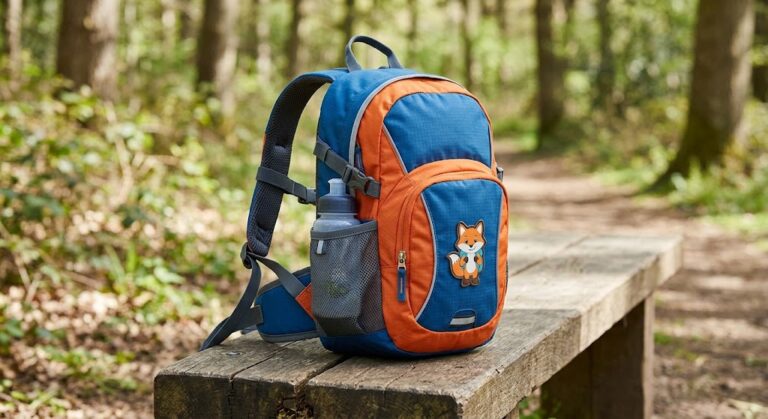
A waterproof jacket should fit properly and allow you to move comfortably. If you’re carrying a small backpack, make sure you can still wear the jacket comfortably over it or have another way of keeping yourself and your equipment dry.
Look After Your Feet
Your feet do a lot of work outdoors, so don’t overlook footwear.
For a short walk on a dry path, ordinary trainers may be perfectly suitable. Longer walks, muddy ground or rough terrain may require more supportive footwear.
Whatever you wear, make sure it fits properly and is comfortable. Wearing suitable socks can also make a big difference.
Don’t Forget the Sun
Cold weather isn’t the only thing you need to think about.
On sunny days, protect yourself from the sun with suitable clothing, a hat and sun protection. Drink plenty of water and remember that you can still get too much sun when you’re busy having fun outdoors.
Keep a Spare Layer Handy
One of the best habits you can develop is carrying an extra layer when appropriate.
A fleece, warm top or waterproof jacket can make a huge difference if the temperature drops or the weather changes.
It doesn’t take much space in a day bag, and you’ll be glad you brought it when you need it.
Final Tip
The best outdoor clothing is clothing that lets you concentrate on what you’re doing instead of thinking about how cold, wet or uncomfortable you are.
You don’t need a huge collection of specialist kit. Learn to look at the weather, choose sensible layers and take care of your feet, and you’ll already be much better prepared for your next adventure.
🔒Ready to test your survival skills?
Join Survival Guides UK for free, complete challenges, earn badges and increase your Survival Level.
JOIN FREE →
CRAIG BURR
FOUNDER · SURVIVAL GUIDES UK
I'm Craig, the person behind Survival Guides UK. I created SGUK because I wanted somewhere people could learn real outdoor skills in a practical, straightforward way — from lighting a fire and tying knots to navigation, campcraft and everything in between.
You can read more about the story behind SGUK here as well as our approach here.