Natural Signs of Changing Weather
When you’re outdoors, knowing what the weather might do next is an important skill.
Weather forecasts are extremely useful, but scouts and outdoor explorers can also learn to notice changes in the world around them.
The clouds may start to change. The wind might suddenly become stronger. The air may feel different, or the temperature may drop.
Animals and birds can sometimes behave differently too.
None of these signs can tell you exactly what the weather will do. However, when several signs appear together, they can give you a reason to pay closer attention and check the forecast or prepare for changing conditions.
Watch the Clouds
Clouds are one of the easiest natural signs to observe.
Different types of clouds form at different heights and in different weather conditions.
You don’t need to know every type of cloud to learn something useful. Start by watching how they change.
Dark, Thick Clouds
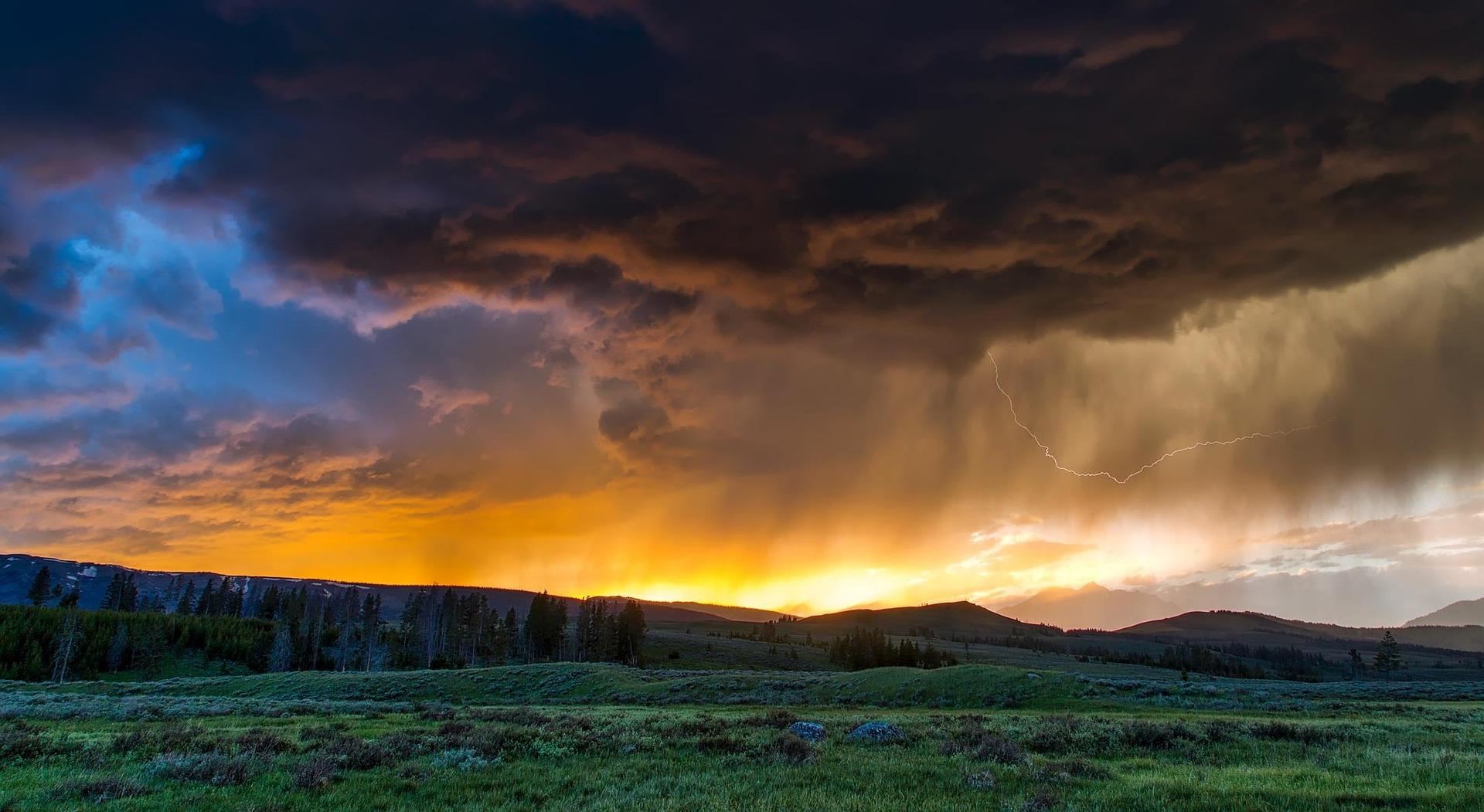
Large, dark clouds can be a sign that rain or a storm is approaching.
If a cloud is growing quickly and becoming darker underneath, conditions may be changing.
Large towering clouds can produce heavy rain, strong winds, thunder and lightning.
If you see these developing while you’re out walking, it is a good time to think about where you could shelter and whether you should change your plans.
High, Thin Clouds
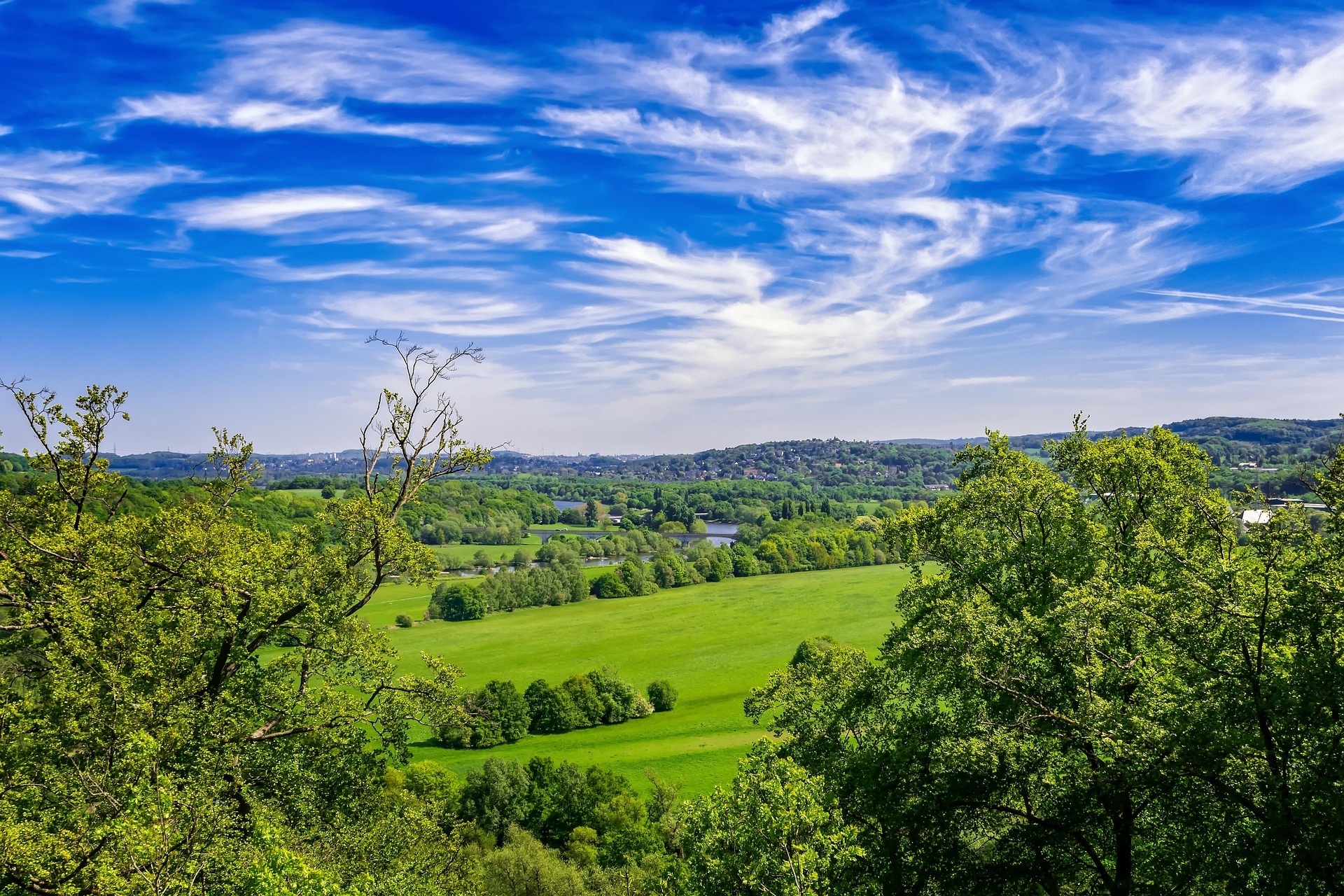
Thin, wispy clouds high in the sky can sometimes appear before a change in weather.
They may gradually become thicker and spread across more of the sky.
This doesn’t mean rain is definitely coming, but it can be a useful reason to keep watching the sky and checking the forecast.
A Rapidly Changing Sky
One of the most useful things to watch is not just what the clouds look like, but how quickly they are changing.
A sky that changes from mostly clear to increasingly cloudy can indicate that a weather system is moving in.
The direction the clouds are moving can also give you a clue about where the weather is coming from, although wind at different heights can move clouds in different directions.
Watch the Wind
A change in wind can be an important warning that the weather is changing.
If the wind suddenly becomes stronger, particularly after a period of calm weather, conditions may be changing nearby.
You might notice:
- Leaves suddenly moving
- Tree branches bending
- Gusts becoming stronger
- A change in wind direction
- Cooler air arriving with the wind
- Clouds moving more quickly
Wind can also make a mild day feel much colder.
This is particularly important when you’re hiking in exposed places such as hills and moorland.
Notice a Change in Temperature
A sudden change in temperature can be another clue.
If the air suddenly becomes much cooler, there may be a change in wind, cloud cover or approaching weather.
A drop in temperature can also happen as evening approaches, so don’t assume that every temperature change means bad weather is coming.
Think about other clues as well.
If the temperature is falling while the wind is increasing and dark clouds are moving in, you have several reasons to pay closer attention.
Watch for Changes in Air Pressure
Air pressure is one of the things that meteorologists use when forecasting weather.
You don’t need to understand all the science behind it to make use of a barometer.
A falling air pressure can be associated with unsettled or worsening weather, while rising pressure is often associated with improving conditions.
Some outdoor watches and weather instruments include a barometer, which can show changes in pressure.
The important thing is to watch the trend rather than one single reading.
Look at the Horizon
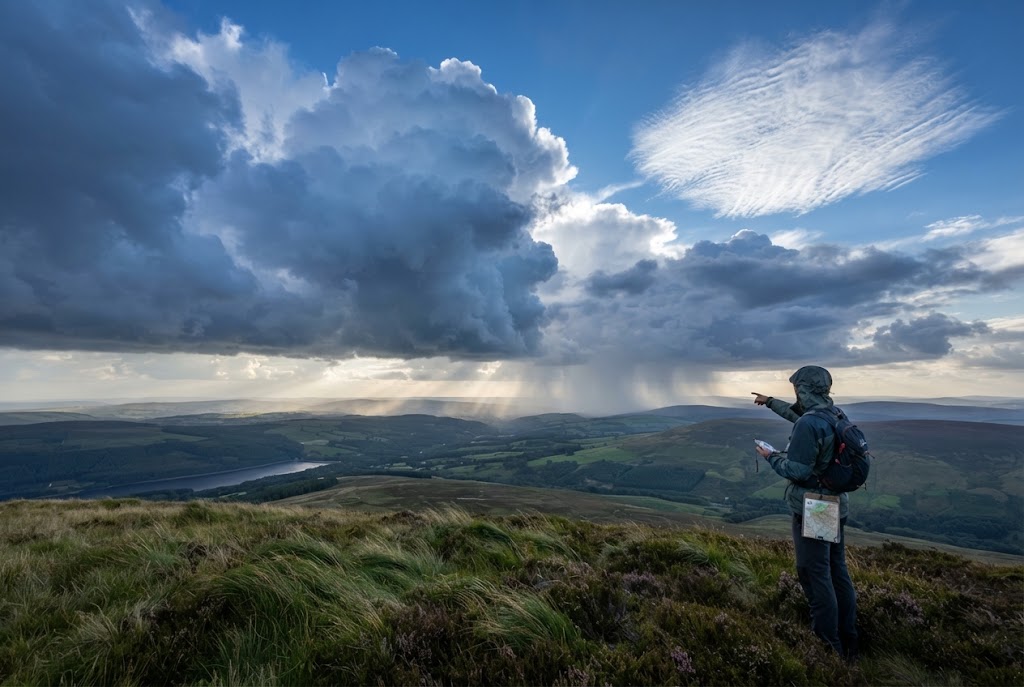
The horizon can give you an early view of weather that is still some distance away.
When you’re in an open area, look around occasionally.
You might notice:
- A dark band of cloud
- Rain falling in the distance
- A line of approaching cloud
- Haze becoming thicker
- Clouds building over distant hills
- Lightning in the distance
This can give you more warning than simply looking straight above your head.
If you can see heavy rain falling several kilometres away, for example, you know that poor weather may be approaching even though you are still dry.
Watch for Rain Shafts
Sometimes you can see rain falling from clouds in the distance.
These areas can look like grey or darker curtains hanging from the clouds.
They are sometimes called rain shafts.
If you see several rain shafts moving towards your area, it is a good reason to prepare for wet weather.
Rain can also be difficult to see from a distance in low light or hilly terrain, so don’t rely on this sign alone.
Pay Attention to Fog and Mist
Fog can make navigation much more difficult.
It can appear quickly, particularly in valleys, near water or in the hills.
A clear morning can sometimes turn into a foggy one as conditions change.
Fog is not necessarily a sign that a storm is coming, but it is a sign that you need to think about visibility.
If you’re navigating across open countryside and visibility suddenly becomes poor, slow down and use your map and compass rather than relying on what you can see in the distance.
Watch the Behaviour of Birds
Bird behaviour has been used as a weather clue for hundreds of years.
You might notice birds flying lower than usual or becoming less active before poor weather.
However, bird behaviour can change for many reasons, including feeding, predators and the time of day.
Don’t assume that a particular bird flying low means rain is definitely coming.
Treat animal behaviour as one clue among many.
Listen for Changes in Nature
Your ears can sometimes tell you that conditions are changing before your eyes do.
Listen for:
- Increasing wind
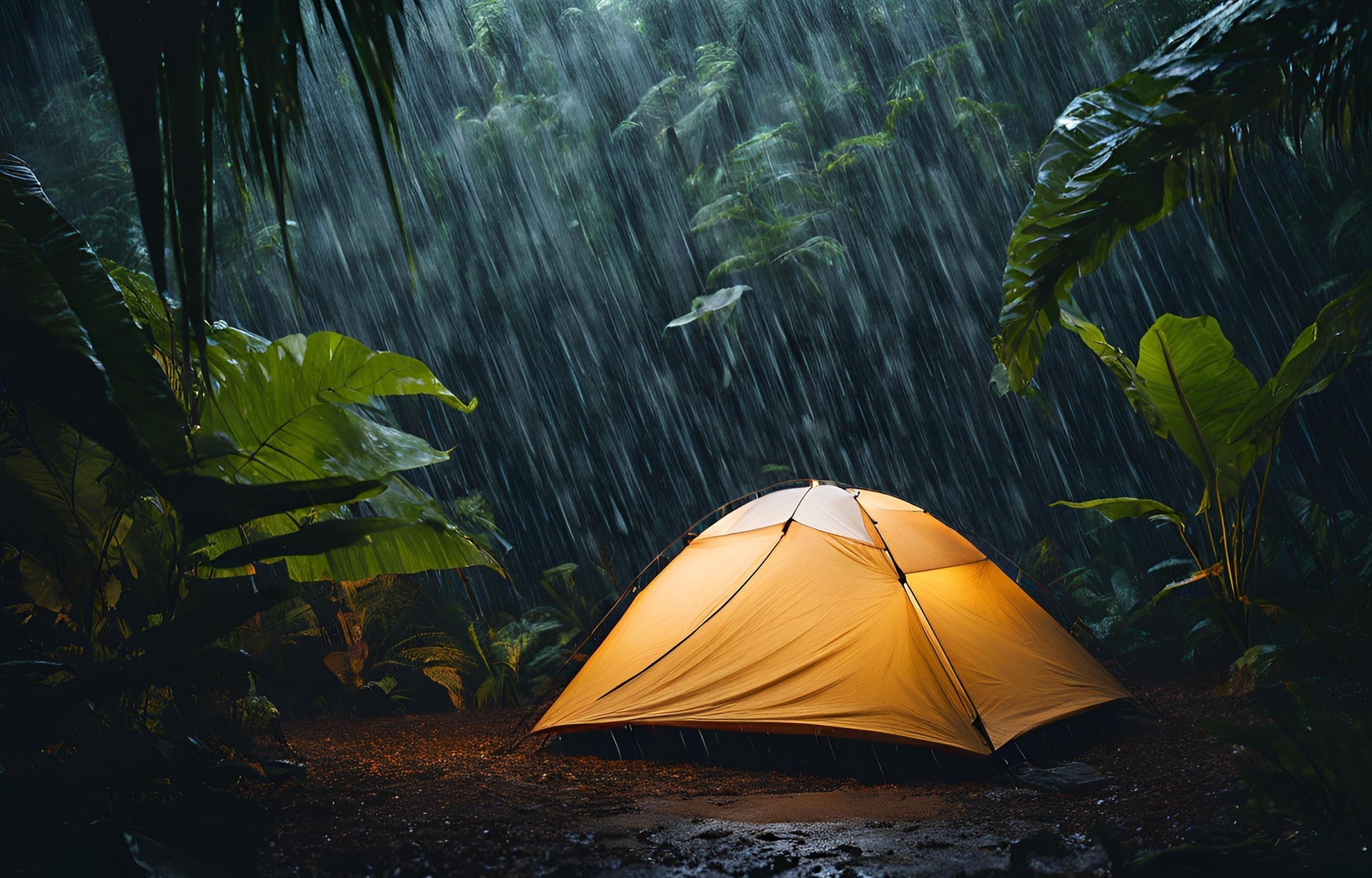
- Rain hitting leaves
- Distant thunder
- Changes in bird activity
- Branches moving in stronger gusts
Sound can travel differently in different weather conditions, so what you hear isn’t always a reliable forecast.
However, if you suddenly hear thunder in the distance, that’s a much more useful warning that a storm may be approaching.
Listen for Thunder
Thunder means there is lightning associated with the storm.
If you hear thunder while you’re outdoors, don’t ignore it.
A storm may be closer than it appears.
Move away from exposed high ground and think about where you can find safer shelter.
Remember that you don’t need to wait for heavy rain to arrive before taking a storm seriously.
Watch for Lightning
Lightning is one of the clearest signs that conditions have become dangerous.
If you can see lightning or hear thunder, consider your location carefully.
Avoid exposed high ground, isolated tall objects and open areas where you could become the highest point around.
If you’re on a hill or mountain, don’t wait until the storm is directly overhead before deciding what to do.
This is where good outdoor planning matters. Knowing where you can descend or find suitable shelter before bad weather arrives is much easier than trying to work it out during a storm.
Notice Changes Around Water
Weather can also affect rivers and streams.
Heavy rain further upstream can cause water levels to rise, sometimes even when it isn’t raining heavily where you are.
If a stream suddenly looks higher, faster or more powerful than expected, don’t assume that you can cross it safely because you crossed it earlier.
Water conditions can change quickly.
A safe crossing in the morning may not be safe later in the day.
Watch the Sea
If you’re exploring the coast, weather awareness becomes even more important.
Wind, waves and tides can create dangerous conditions.
Watch for:
- Increasing wave height
- Stronger winds
- Spray being blown from waves
- Dark clouds approaching
- Rapidly changing visibility
Remember that the weather isn’t the only thing that matters on the coast.
Tides can change your route even when the weather is calm.
Always know the tide times before setting out on a coastal walk.
Be Careful With Old Weather Sayings
You may have heard sayings such as:
“Red sky at night, shepherd’s delight.”
There is some science behind the idea that the colour of the sky can sometimes provide clues about approaching weather, particularly in certain weather patterns.
But weather sayings are not guaranteed forecasts.
Other traditional signs can be useful observations, but they should not replace a proper weather forecast.
Think of them as pieces of information rather than rules.
Don’t Rely on One Sign
This is one of the most important lessons for scouts.
A single sign doesn’t necessarily tell you what the weather is going to do.
For example, a red sunset doesn’t guarantee good weather tomorrow.
Instead, look for several clues at the same time.
You might notice:
- Clouds becoming thicker
- Wind increasing
- Temperature falling
- Pressure dropping
- Rain visible in the distance
When several things are changing together, it is sensible to take the possibility of worsening weather more seriously.
Compare What You See With the Forecast
Natural signs are useful, but modern weather forecasts give you much more information.
Before heading outdoors, check the forecast for the area you will be visiting.
Look at:
- Temperature
- Rain
- Wind speed
- Wind direction
- Visibility
- Thunderstorms
- Warnings
- Sunrise and sunset times
Then compare the forecast with what you see when you’re outside.
This is a great way to improve your weather knowledge.
Over time, you will start to recognise how the conditions described in a forecast actually look and feel outdoors.
Learn the Weather Before You Need It
Don’t wait until you’re halfway up a hill to start learning about weather.
Practise at home or while walking locally.
Look at the forecast and then go outside.
Try to identify:
- The direction of the wind
- Different types of clouds
- Changes in temperature
- Signs of rain
- Changes in visibility
Then see what happens over the next few hours.
You won’t get every prediction right, and that’s fine.
The aim is to become better at noticing changes and understanding what they might mean.
Know When to Change Your Plans
Being able to recognise changing weather is only useful if you act on what you see.
If conditions are getting worse, you may need to:
- Turn around
- Take a shorter route
- Find shelter
- Put on waterproof clothing
- Leave exposed ground
- Delay your activity
- Return to camp
- Contact someone for advice
There is nothing wrong with changing your plans.
Good outdoor skills are not about proving that you can continue in difficult conditions.
They are about making sensible decisions and getting home safely.
A Simple Weather Checklist for Scouts
Before and during an outdoor activity, remember to check:
Clouds
Are they becoming darker, thicker or taller?
Wind
Is it getting stronger or changing direction?
Temperature
Is the air suddenly becoming colder or warmer?
Visibility
Is fog, mist or heavy rain reducing what you can see?
Rain
Can you see rain falling nearby or approaching?
Thunder
Can you hear thunder or see lightning?
Water
Are streams, rivers or waves becoming more dangerous?
Forecast
Does what you are seeing match the weather forecast?
Final Thoughts
Learning to spot natural signs of changing weather is a useful skill for scouts and anyone who spends time outdoors.
The key is to look at the whole picture.
Watch the clouds, feel changes in the wind, notice temperature and visibility, and pay attention to what is happening around you.
But remember that natural signs are clues, not guaranteed predictions.
The safest approach is to check the weather forecast before you leave, keep watching conditions while you’re outside and be prepared to change your plans if the weather turns against you.
Good scouts don’t just know how to build shelters and read maps.
They learn to read the environment around them.
🔒Ready to test your survival skills?
Join Survival Guides UK for free, complete challenges, earn badges and increase your Survival Level.
JOIN FREE →
CRAIG BURR
FOUNDER · SURVIVAL GUIDES UK
I'm Craig, the person behind Survival Guides UK. I created SGUK because I wanted somewhere people could learn real outdoor skills in a practical, straightforward way — from lighting a fire and tying knots to navigation, campcraft and everything in between.
You can read more about the story behind SGUK here as well as our approach here.