How to Read a Basic Weather Forecast
Checking the weather before heading outdoors is a simple habit that can make a big difference. A forecast can help you decide what to wear, what to pack and whether your planned activity is suitable for the conditions.
You don’t need to understand complicated weather charts to get started. A basic forecast gives you several useful pieces of information, and learning what they mean is a great outdoor skill.
What You’ll Learn
By the end of this guide, you should understand:
- How to find a basic weather forecast
- What temperature means
- How to understand rain forecasts
- What wind information tells you
- Why forecasts can change
- How to use a forecast when planning an outdoor activity
Look at the Overall Forecast
Start by looking at the forecast for the place you’re actually going.
Don’t rely on the weather where you live if you’re going to be travelling somewhere else. Conditions can be very different only a few miles away, particularly in areas with hills, coastlines or other changes in terrain.
Look at the forecast for the day you’re going out and, if you’re going to be outside for several hours, check the forecast for the different parts of the day.
Understand Temperature
Temperature tells you how warm or cold the air is expected to be.
A forecast might show a high temperature and a low temperature for the day. Remember that the temperature isn’t the same as how warm it will necessarily feel. Wind, rain and sunshine can all affect how comfortable you will feel outdoors.
A cold forecast means you’ll need to think about suitable layers. If it’s going to be warm, you’ll need to consider water, shade and protection from the sun.
Check for Rain
The rain forecast is particularly useful when planning outdoor activities.
You might see a rain cloud symbol, a percentage or information showing when rain is expected. Don’t just look at whether rain is forecast for the whole day. If possible, look at when the rain is expected to arrive.
A short walk might still be perfectly enjoyable if there is a brief shower, but several hours of heavy rain could make some routes muddy, slippery or unsuitable.
Remember that rain forecasts aren’t guarantees. Weather can change.
Look at the Wind
Wind is another important part of a forecast.
A forecast may give you the wind speed and direction. Strong winds can make exposed areas unpleasant and can affect activities involving tents, shelters or fires.
If you’re camping, walking in open countryside or spending time near the coast, pay particular attention to the wind.
You don’t need to memorise complicated numbers straight away. Start by recognising the difference between light winds and conditions where strong winds could affect your plans.
Check for Sunshine
Sunshine can make a day feel very different from the temperature alone.
On a warm or sunny day, think about drinking enough water, using sun protection and taking breaks in the shade where appropriate.
Don’t assume that you can’t get too much sun simply because the temperature doesn’t feel particularly high.
Look for Warnings
Weather services may issue warnings when conditions could cause problems.
These can cover things such as strong winds, heavy rain, snow, ice or very high temperatures. If a warning has been issued for the area you’re planning to visit, make sure a responsible adult knows about it and consider whether the activity should be changed or postponed.
A good outdoor plan is always flexible enough to change when conditions become unsuitable.
Compare the Forecast With Your Plans
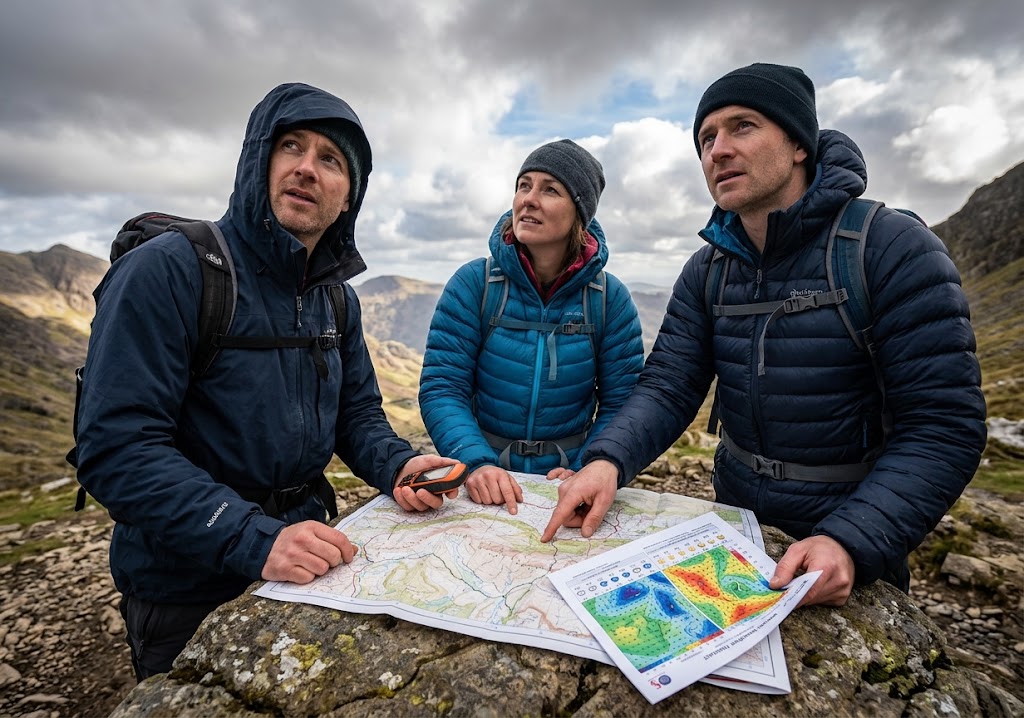
Once you’ve looked at the forecast, think about what it means for your activity.
If you’re planning a short woodland walk, a little rain might simply mean taking waterproof clothing. If you’re planning a long walk on exposed ground, strong winds might mean choosing a different route.
The forecast doesn’t make the decision for you. It gives you information that helps you make a sensible decision.
Check Again Before You Go
Weather forecasts can change, particularly several days in advance.
If you’re planning an outdoor activity for later in the week, check the forecast again closer to the time. Then have another look before you leave.
This gives you the most up-to-date information and gives you a chance to change your clothing, equipment or plans if necessary.
Final Tip
You don’t need to become a weather expert to use a forecast well. Look at the temperature, rain, wind and any warnings, then think about what they mean for your plans.
The more often you check the forecast before going outdoors, the more naturally you’ll start connecting weather conditions with the clothing, equipment and decisions you need to make.
🔒Ready to test your survival skills?
Join Survival Guides UK for free, complete challenges, earn badges and increase your Survival Level.
JOIN FREE →
CRAIG BURR
FOUNDER · SURVIVAL GUIDES UK
I'm Craig, the person behind Survival Guides UK. I created SGUK because I wanted somewhere people could learn real outdoor skills in a practical, straightforward way — from lighting a fire and tying knots to navigation, campcraft and everything in between.
You can read more about the story behind SGUK here as well as our approach here.