Environmental Responsibility UK: Caring for the Outdoors
Activity Overview
Difficulty: Easy
Time: 15–30 minutes to learn; ongoing practice
Location: Countryside, woodland, campsite, coast, hills and other outdoor areas
Best for: Cubs, Scouts, Explorers, Patrol Leaders and outdoor enthusiasts
Skills: Conservation, environmental awareness, responsible camping, planning and outdoor ethics
Environmental responsibility means enjoying the outdoors without unnecessarily damaging the places, wildlife and communities around you.
For anyone spending time outdoors, this means thinking about the impact of your activities before, during and after they happen. Take rubbish home, avoid damaging vegetation, respect wildlife, use resources carefully and follow local access and conservation rules.
It also means thinking beyond litter. Noise, fires, erosion, pollution, disturbance to wildlife and inappropriate camping can all have an environmental impact.
The simplest principle is:
Take care of the place while you’re using it, and leave it ready for the next person.
What You’ll Learn
You’ll learn how everyday outdoor decisions can affect the environment and how to reduce unnecessary damage when hiking, camping and taking part in outdoor activities.
You’ll also learn how to make responsible choices about waste, water, fires, wildlife, transport and equipment, while understanding why local rules and conditions matter.
🟢 SAFETY – LOW RISK
Environmental responsibility is generally a low-risk activity, although some methods of reducing environmental impact can involve additional hazards.
Never put environmental considerations ahead of immediate safety. For example, don’t attempt to retrieve rubbish from dangerous water or climb an unstable slope simply because you want to remove litter.
Follow local restrictions and land-management instructions, particularly regarding fires, camping, access and wildlife.
Equipment
Environmental responsibility doesn’t require specialist equipment.
Reusable water bottles, food containers and shopping bags can help reduce waste. Rubbish bags are useful for carrying waste out of campsites and hiking routes.
For camping, efficient stoves, reusable equipment and durable clothing can reduce the need for disposable alternatives.
The most important equipment, however, is often simply the ability to plan ahead.
Prerequisites
No previous experience is required.
Before visiting an outdoor area, find out about any access restrictions, protected areas, fire restrictions, camping arrangements and local environmental guidance.
Different places have different vulnerabilities. What is appropriate on a robust campsite may not be appropriate in a sensitive woodland, peatland, coastal area or nature reserve.
Instructions
1. Think About Your Impact Before You Go
Environmental responsibility starts before leaving home.
Consider how you are going to travel, what equipment you need, how much packaging you’re taking and what waste you’ll produce.
Avoid taking unnecessary disposable items simply because they are convenient.
Good preparation can reduce both the amount of waste produced and the likelihood of damaging the environment once you arrive.
2. Use Established Routes
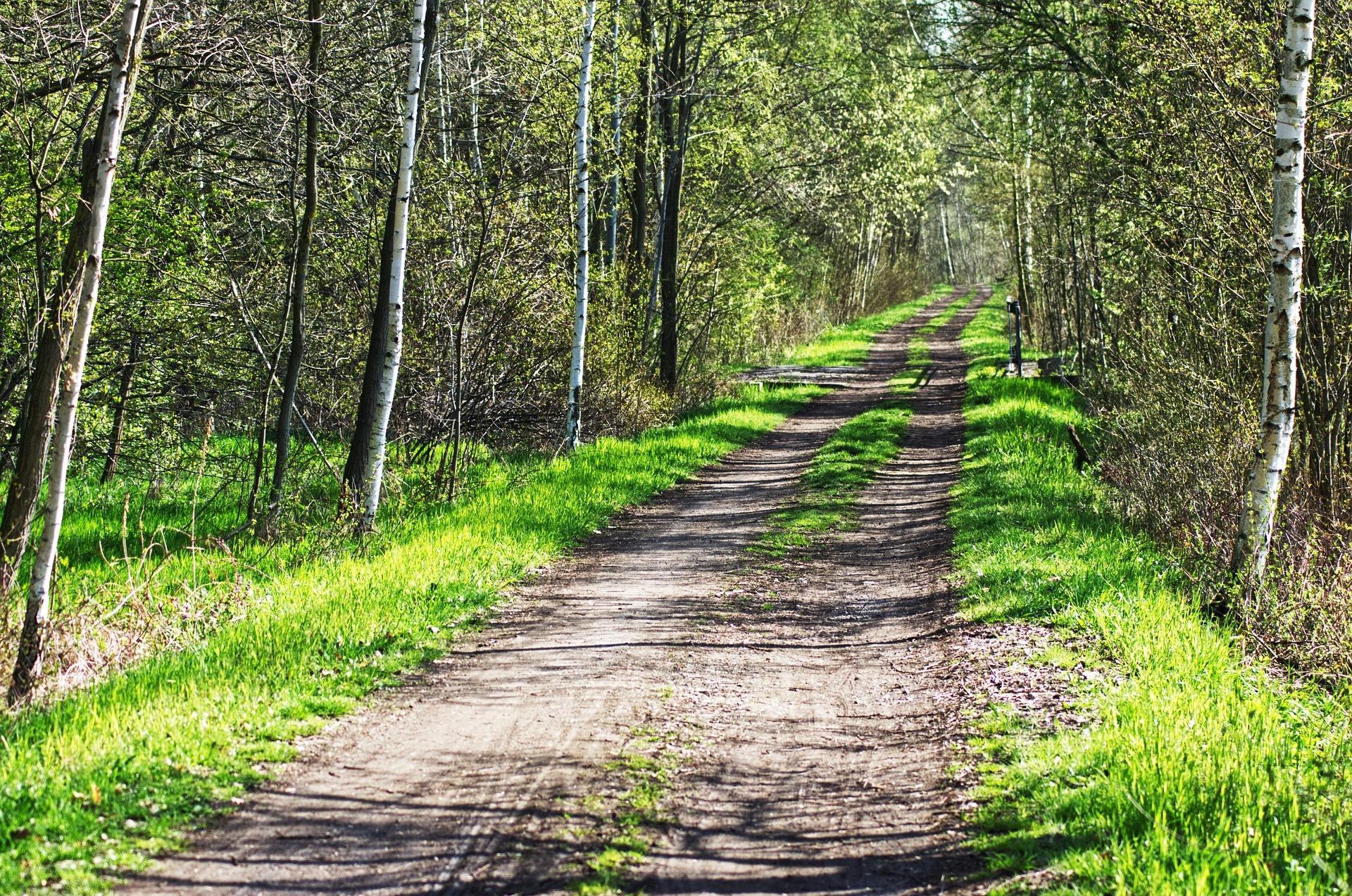
Where appropriate, stick to established paths and follow local access guidance.
Walking repeatedly across vegetation can damage plants and gradually create informal tracks. In sensitive environments, this can contribute to erosion and habitat damage.
Don’t create shortcuts simply to save a few minutes.
If a path is particularly muddy or damaged, follow local guidance rather than automatically creating a new route around it.
3. Choose Campsites Carefully
Use established campsites where they are provided and appropriate.
If camping somewhere more remote is permitted, consider how sensitive the ground and vegetation are before choosing a location.
Avoid fragile habitats, young vegetation and areas showing obvious signs of environmental damage.
A good campsite should leave as little lasting evidence of your stay as possible.
4. Take Your Waste Home
The most straightforward environmental rule is to take your rubbish with you.
This includes food packaging, bottles, tins, wipes and small pieces of equipment.
Don’t assume that something is harmless because it is small or biodegradable-looking. Even food waste can attract wildlife and alter their behaviour.
Reduce the amount of waste you take outdoors in the first place, then make sure anything you do produce is dealt with properly.
5. Reduce Single-Use Items
Reusable equipment can reduce waste over time.
A reusable bottle, mug or food container can replace numerous disposable alternatives.
This doesn’t mean buying new “eco” equipment for every activity. Often the most environmentally responsible option is to use the equipment you already own for as long as possible.
Replacing perfectly good kit simply because a newer product is marketed as sustainable can create unnecessary consumption.
6. Look After Water
Natural water sources are part of the environment and should be treated carefully.
Don’t pour chemicals, detergents, food waste or other pollutants into streams, lakes or rivers.
When washing equipment outdoors, follow local guidance and keep soaps and contaminants away from natural water.
If you need drinking water, use a suitable source and treat it appropriately rather than assuming clear water is safe.
7. Use Fire Responsibly
Fires can have a significant environmental impact.
Only light fires where they are permitted and appropriate.
Use established fire areas where available and avoid damaging living trees or vegetation.
Keep fires small and make sure they are completely extinguished before leaving.
For many camping situations, a suitable stove is a lower-impact and more practical option than a campfire.
8. Respect Wildlife
Wild animals need space.
Observe them quietly from a suitable distance and don’t attempt to chase, feed or handle them.
Feeding wildlife can make animals dependent on human food and may encourage them to approach campsites or people.
Keep dogs under appropriate control and follow local restrictions, particularly around livestock and wildlife.
During nesting and breeding seasons, be especially careful around sensitive areas.
9. Don’t Remove Natural Objects
Avoid collecting plants, flowers, rocks, feathers, shells or other natural objects simply as souvenirs.
One person taking a single object may seem insignificant, but repeated collection by large numbers of visitors can have an effect.
Take photographs instead.
The same principle applies to archaeological and historical features. Leave them where they are and report significant discoveries through appropriate channels rather than disturbing them.
10. Reduce Noise
Environmental responsibility includes sound.
Loud music, shouting and unnecessary noise can disturb wildlife and reduce other people’s enjoyment of the countryside.
This is particularly important around campsites, nature reserves and areas where wildlife may be nesting or resting.
Enjoy the outdoors without assuming that everyone else wants to hear your activity.
11. Consider How You Travel
Getting to and from an outdoor activity can form a significant part of its environmental impact.
Where practical, consider walking, cycling, public transport or sharing vehicles.
This isn’t always possible, particularly when carrying camping equipment or travelling to remote locations.
The aim isn’t perfection. It’s to consider whether there is a practical way to reduce unnecessary journeys.
12. Look After Equipment
Taking care of outdoor equipment has an environmental benefit because it means you don’t have to replace things unnecessarily.
Clean equipment after use, dry it properly and repair minor damage when possible.
A repaired tent, rucksack or jacket can often remain useful for many more years.
Before buying something new, ask whether you actually need it and whether an existing item can do the job.
13. Respect Protected Areas
Some environments are particularly sensitive or important for wildlife.
Follow signs, barriers and local instructions in nature reserves, conservation areas and other protected locations.
Restrictions may apply to dogs, fires, camping, access or particular times of year.
These restrictions exist because different environments can tolerate different levels of human activity.
14. Consider the Impact of Group Activities
A large group can have a greater environmental impact than an individual.
Think about how many people are using a particular area, where they are walking and whether they are concentrating use on already durable locations.
For group activities, simple organisation can make a significant difference.
Keep people on appropriate routes, concentrate activities where suitable and avoid repeatedly using fragile areas.
15. Leave the Area Ready for the Next Visitor
Before leaving, look around carefully.
Check for rubbish, food scraps, tent pegs, string, ash and other small items.
Ask yourself:
“If I hadn’t been here, would this place look different?”
You won’t always be able to make the answer “no”, but minimising the difference you leave behind is a useful goal.
Environmental Responsibility on a Hike
A responsible hike involves more than carrying your rubbish home.
Use established paths, follow access guidance, avoid disturbing wildlife and keep noise at a reasonable level.
Plan food and water so that you don’t create unnecessary waste, and make sure anything you carry into the countryside comes back out with you.
Environmental Responsibility at Camp
Camping creates a larger environmental footprint because you’re staying in one location for longer.
Use established facilities where available, manage food and waste carefully and avoid unnecessary damage to vegetation.
Keep cooking and washing areas under control, follow fire restrictions and check the campsite thoroughly before leaving.
The longer you stay, the more important it becomes to think about the cumulative effect of your activities.
Teaching Environmental Responsibility
Environmental responsibility is particularly effective when it is taught through practical action.
Instead of simply telling young people that litter is bad, give them responsibility for checking a campsite before leaving.
Instead of telling them not to disturb wildlife, encourage them to identify animals from a distance using tracks, signs or photographs.
The objective is to develop good habits and sound judgement, rather than a list of rules that only apply during organised activities.
Environmental Responsibility vs Leave No Trace
Environmental responsibility is a broader idea than Leave No Trace.
Leave No Trace provides a specific set of principles for reducing the impact of outdoor recreation.
Environmental responsibility can include those principles but also covers wider choices such as transport, equipment consumption, energy use, conservation and supporting the places you visit.
They work well together: Leave No Trace provides practical guidance for being outdoors, while environmental responsibility encourages you to consider the bigger picture.
Final Tip
You don’t have to be perfectly sustainable to be environmentally responsible.
Start with the things that make the biggest practical difference: plan ahead, reduce waste, respect wildlife, protect the ground you’re using and leave places clean.
The outdoors belongs to everyone, but every visit has an impact. Good environmental responsibility means making sure that impact is as small and positive as reasonably possible.
🔒Ready to test your survival skills?
Join Survival Guides UK for free, complete challenges, earn badges and increase your Survival Level.
JOIN FREE →
CRAIG BURR
FOUNDER · SURVIVAL GUIDES UK
I'm Craig, the person behind Survival Guides UK. I created SGUK because I wanted somewhere people could learn real outdoor skills in a practical, straightforward way — from lighting a fire and tying knots to navigation, campcraft and everything in between.
You can read more about the story behind SGUK here as well as our approach here.