Managing Campfire Smoke
Activity Overview
Difficulty: Easy–Moderate
Time: 15–30 minutes
Location: Scout campsites and outdoor camps
Best for: Cubs, Scouts, Explorers, Patrol Leaders and adult leaders
Skills: Fire lighting, campcraft, observation, fire management and environmental responsibility
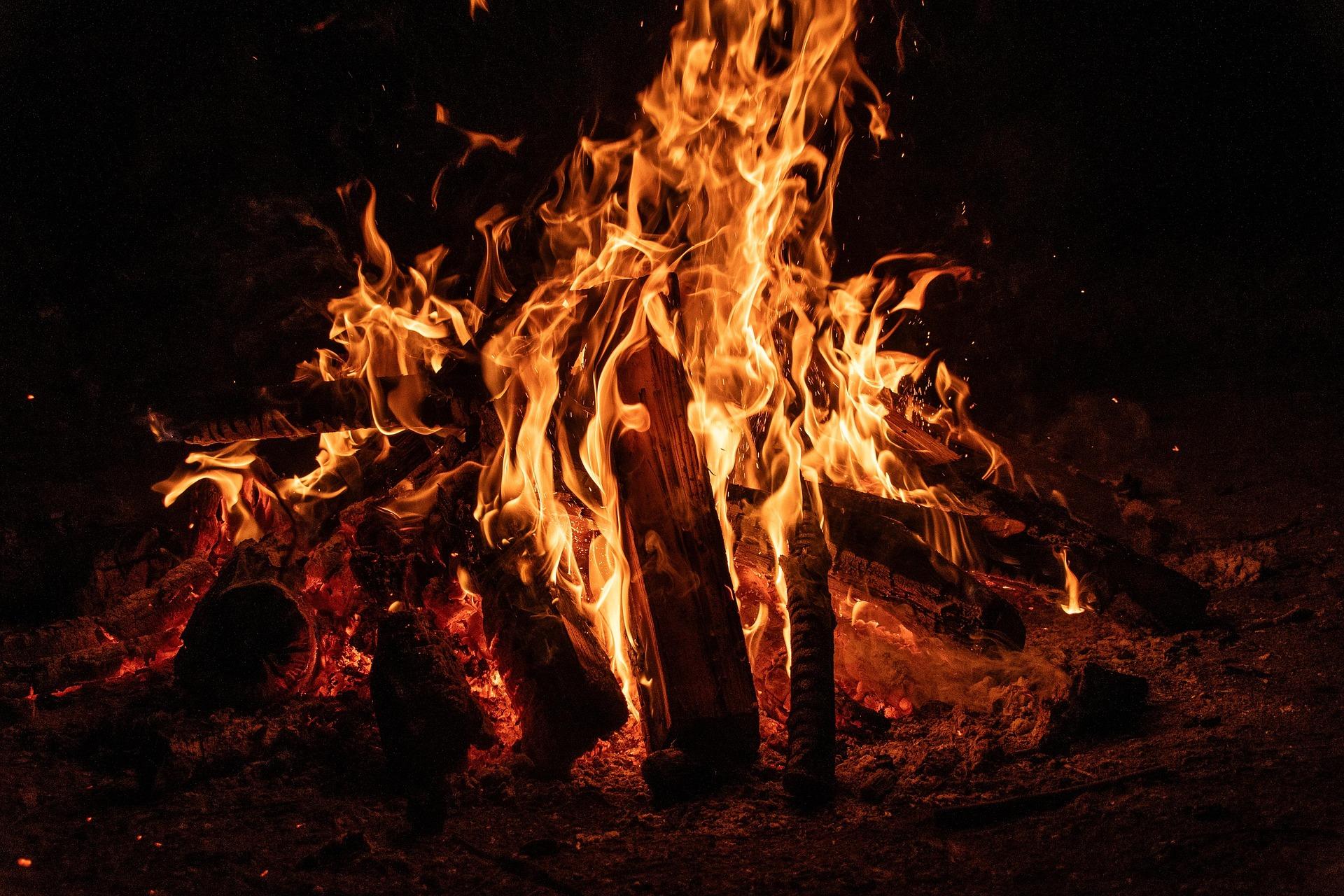
A smoky campfire is usually caused by damp fuel, poor airflow, unsuitable fuel or a fire that isn’t burning hot enough.
A well-built fire with dry, suitable wood and good airflow generally produces much less smoke.
Wind direction is also important. Before lighting a fire, consider where smoke will travel and whether it could affect tents, people, roads, neighbouring campers or buildings.
What You’ll Learn
You’ll learn how to identify the common causes of campfire smoke and how to reduce unnecessary smoke.
You’ll also learn how fire layout, fuel selection, airflow and weather affect smoke production.
🔴 SAFETY – HIGH RISK
Campfires involve flames, high temperatures, embers and potentially unpredictable changes in wind.
Only light a campfire where fires are permitted and follow the campsite’s fire arrangements.
A responsible person should supervise the fire throughout its use.
Keep people, tents, clothing and other combustible materials at a safe distance.
Never use petrol or other inappropriate accelerants to try to make a smoky fire burn more quickly.
If wind conditions become unsuitable, extinguish the fire safely rather than attempting to control it.
Equipment
You’ll need a suitable fire area or approved fire container, appropriate dry fuel and a safe means of lighting the fire.
A bucket or other suitable water supply should be readily available for extinguishing the fire, in accordance with the campsite’s arrangements.
A poker or suitable fire-management tool can be useful where appropriate.
Prerequisites
Before lighting a fire, check the campsite rules and any restrictions caused by weather or local conditions.
Scouts should understand basic fire safety and the correct use of the fire area.
Make sure everyone knows who is responsible for supervising the fire.
Instructions
1. Check Whether Fires Are Allowed
Before thinking about smoke, establish whether you are actually permitted to have a fire.
Some campsites prohibit open fires or require specific fire containers.
Follow the site’s instructions rather than assuming that a traditional campfire is acceptable.
2. Check the Wind
Look at the direction and strength of the wind before lighting the fire.
Smoke should not be directed towards tents, buildings, roads or areas where other people are likely to be affected.
Strong or unpredictable winds may make a fire unsuitable altogether.
3. Use Dry Fuel
Damp wood is one of the biggest causes of smoky fires.
Use properly seasoned, dry wood suitable for burning.
Wet wood can produce large amounts of smoke and may be difficult to burn efficiently.
Don’t burn treated, painted or otherwise unsuitable wood.
4. Use Suitable Firewood
Different types and sizes of wood behave differently.
Dry kindling helps establish the fire, while appropriately sized fuel maintains it.
Avoid adding large pieces of wood to a fire that isn’t hot enough to burn them properly.
5. Give the Fire Enough Air
Fire needs oxygen.
Don’t build the fire so tightly that air cannot circulate through it.
A suitable structure allows air to reach the burning material and helps the fire burn more efficiently.
If smoke suddenly increases, poor airflow may be part of the problem.
6. Build a Hot Fire
A properly established fire generally produces less smoke than a weak, smouldering one.
Use suitable dry kindling to establish a good initial flame before gradually adding larger pieces of fuel.
Don’t overload the fire with wood.
7. Add Fuel Gradually
Adding too much wood at once can smother the flames.
Place additional fuel where it can catch properly and leave enough space for air to circulate.
If the fire starts producing thick smoke after adding wood, allow the existing fuel to burn properly before adding more.
8. Don’t Burn Rubbish
Don’t use the campfire as a general waste-disposal system.
Plastic, packaging, treated materials and other rubbish can produce unpleasant or potentially harmful smoke.
Dispose of waste according to the campsite’s arrangements.
9. Keep Wet Materials Away
Don’t deliberately add wet leaves, grass or freshly cut green wood to the fire.
These materials can smoulder and create considerable smoke.
Use suitable dry fuel instead.
10. Consider the People Around You
Even a well-managed fire produces some smoke.
Avoid positioning a fire where smoke will repeatedly blow across people sitting around the camp.
Remember that neighbouring campers may also be affected.
Good fire management includes consideration for everyone using the campsite.
11. Don’t Stand Directly in the Smoke
Smoke can irritate the eyes and respiratory system.
If the wind changes and smoke begins blowing towards people, move away from the smoke rather than expecting everyone to tolerate it.
Adjust the fire only if it can be done safely.
12. Monitor Changing Weather
Wind direction can change during an evening.
Keep an eye on conditions rather than assuming the wind will remain constant.
If smoke begins travelling towards tents or other sensitive areas, reconsider whether the fire should continue.
13. Manage the Fire, Don’t Fight It
A fire that is producing smoke isn’t necessarily dangerous, but persistent heavy smoke is a sign that something isn’t right.
Check fuel, airflow and fire structure.
If conditions are becoming unsafe, stop adding fuel and extinguish the fire according to the campsite’s procedure.
14. Extinguish the Fire Properly
When the fire is finished, extinguish it thoroughly.
Follow the campsite’s instructions for dealing with ashes and embers.
Don’t leave a fire smouldering simply because the flames have disappeared.
Make sure the area is safe before leaving it unattended.
Why Does a Campfire Smoke?
Smoke is produced when fuel isn’t burning completely.
Common causes include:
Damp wood: Water has to evaporate before the wood can burn effectively.
Poor airflow: Insufficient oxygen can cause the fuel to smoulder.
Too much fuel: A fire can become smothered when overloaded.
Green wood: Fresh wood contains more moisture and can burn poorly.
Cold or weak fire: Fuel may smoke before there is enough heat to burn it efficiently.
Understanding these causes makes it much easier to manage a fire.
Campfire Smoke and Tents
Never deliberately position a campfire so that smoke blows towards tents.
Smoke can enter through vents and openings and make the tent unpleasant to occupy.
More importantly, never use a fuel-burning stove, barbecue or campfire inside a tent or enclosed shelter. Combustion can produce carbon monoxide, and the fire also creates a serious fire risk.
Campfire Smoke and Other Campers
A campsite is a shared environment.
Before lighting a fire, consider nearby pitches and prevailing wind conditions.
If smoke is consistently drifting into another group’s campsite, adjust your arrangements if it is safe and permitted to do so.
Being considerate is part of good campcraft.
Final Tip
The best way to manage campfire smoke is to prevent excessive smoke in the first place.
Use dry, suitable fuel, build the fire so it gets enough air and don’t overload it. Keep an eye on wind direction and be prepared to extinguish the fire if conditions become unsuitable.
A good Scout fire should be warm, useful and well controlled—not a smoke generator.
🔒Ready to test your survival skills?
Join Survival Guides UK for free, complete challenges, earn badges and increase your Survival Level.
JOIN FREE →
CRAIG BURR
FOUNDER · SURVIVAL GUIDES UK
I'm Craig, the person behind Survival Guides UK. I created SGUK because I wanted somewhere people could learn real outdoor skills in a practical, straightforward way — from lighting a fire and tying knots to navigation, campcraft and everything in between.
You can read more about the story behind SGUK here as well as our approach here.