How to Explore the Outdoors Without Damaging the Environment
Getting outside is one of the best ways to appreciate the natural world. But the more people who visit outdoor spaces, the more important it becomes to think about the effect we have while we’re there.
That doesn’t mean you need to tiptoe through the countryside afraid of touching anything.
It mostly comes down to a few simple habits: stick to appropriate paths, take your rubbish home, leave wildlife alone and think about what you’re doing before you change anything around you.
The aim is simple. Enjoy the outdoors without leaving it worse than you found it.
Stay on Appropriate Paths
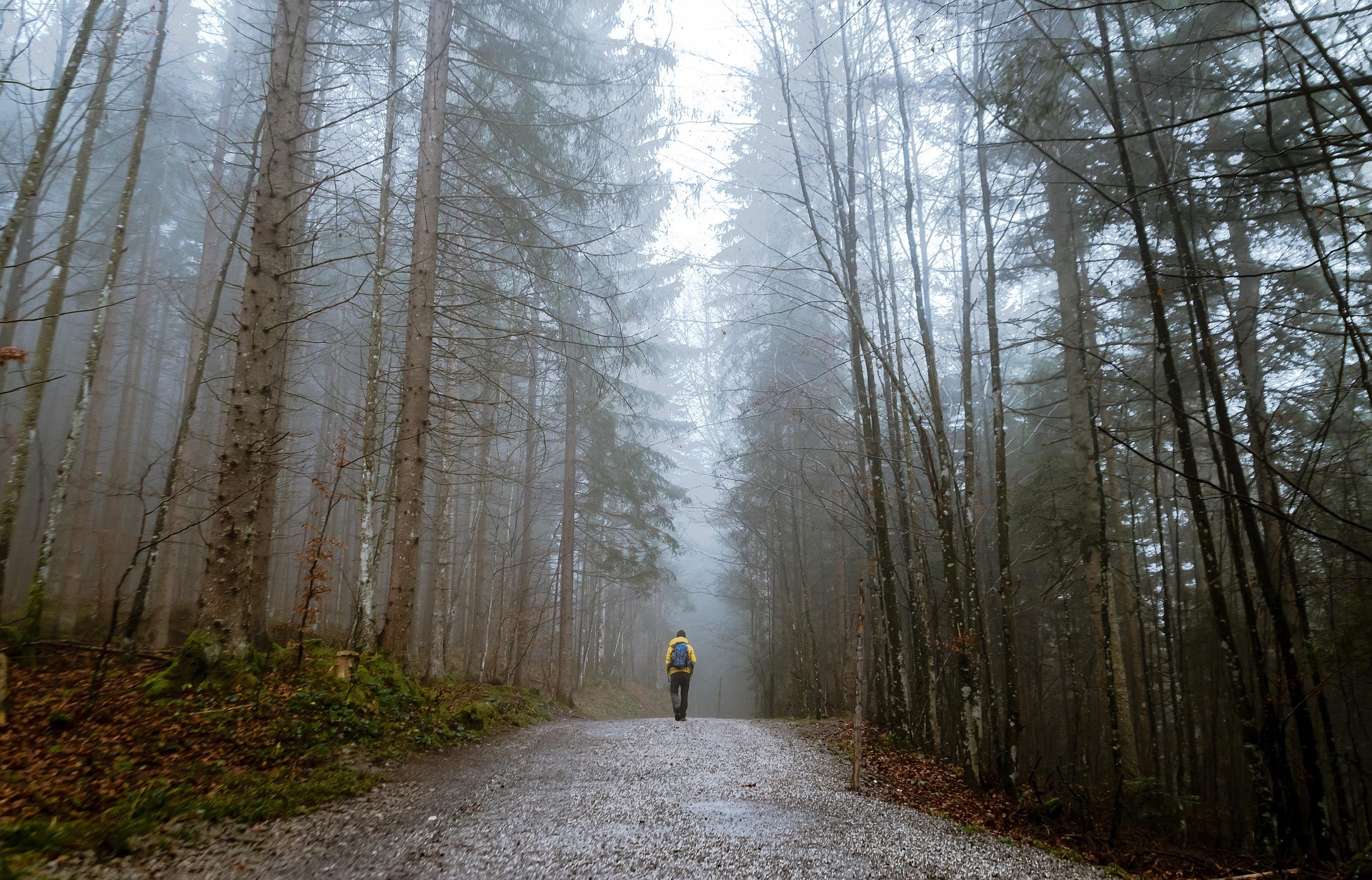
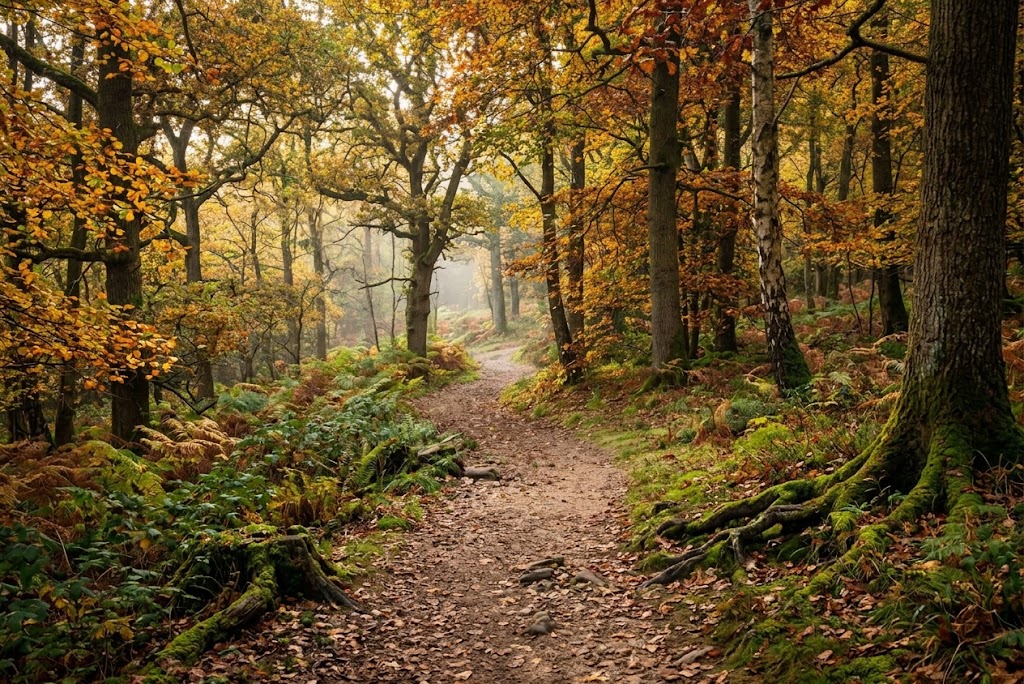
Paths are there for a reason.
Walking across vegetation might not seem like a problem when you’re on your own, but repeated foot traffic can damage plants and gradually create new tracks.
In some places, leaving the path can also cause erosion, particularly on steep ground or in areas where the soil is easily damaged.
That doesn’t mean you should never leave a path. There are plenty of situations where exploring away from established routes is perfectly reasonable.
Just think about the ground you’re walking on and whether your route is likely to cause damage.
If a path is clearly marked or you’re in an area where visitors are expected to stick to certain routes, follow the local guidance.
Take Everything You Bring With You Home
This is probably the simplest rule of all.
If you brought it in, take it back out.
That includes obvious things such as food packaging and drink bottles, but also smaller pieces of rubbish that are easy to forget.
Things like tissues, fruit peel, food scraps and bits of string can still affect the environment or wildlife.
Don’t assume something is harmless just because it will eventually break down. Some things take much longer than you might expect, and wildlife can interact with discarded food or materials before they disappear.
A small rubbish bag in your rucksack takes up very little space and makes it much easier to take your waste home.
Leave Plants Where They Are
It can be tempting to pick a particularly interesting flower, take a branch from a tree or collect plants that look useful.
Try not to.
Plants are part of the habitat you’re visiting, and removing them can affect insects, birds and other wildlife that depend on them.
There is also a difference between finding something interesting and needing to take it home.
A photograph costs nothing and lets you keep the memory without removing anything from the environment.
Give Wildlife Plenty of Space
Seeing wildlife is one of the best parts of being outdoors.
It’s also one of the easiest opportunities to accidentally cause a problem.
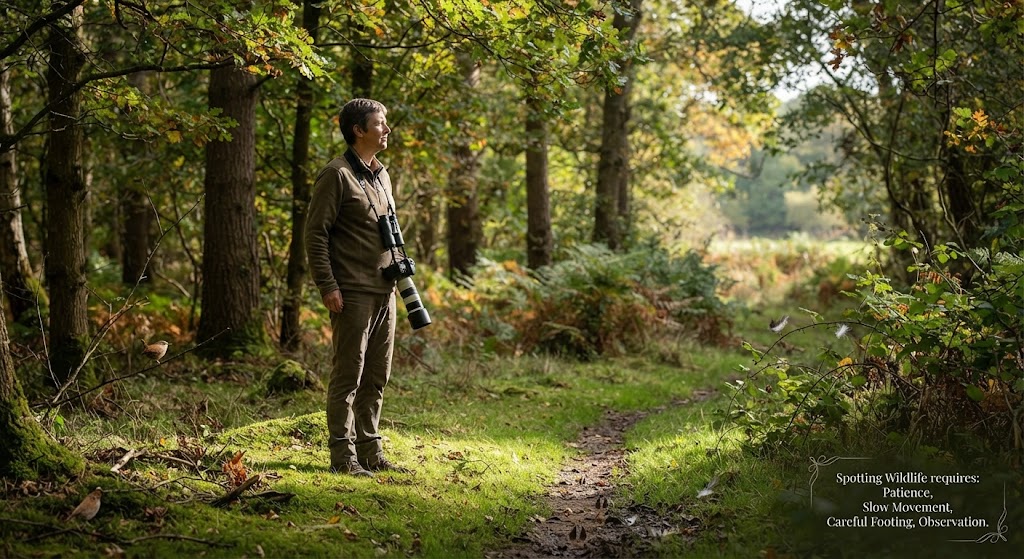
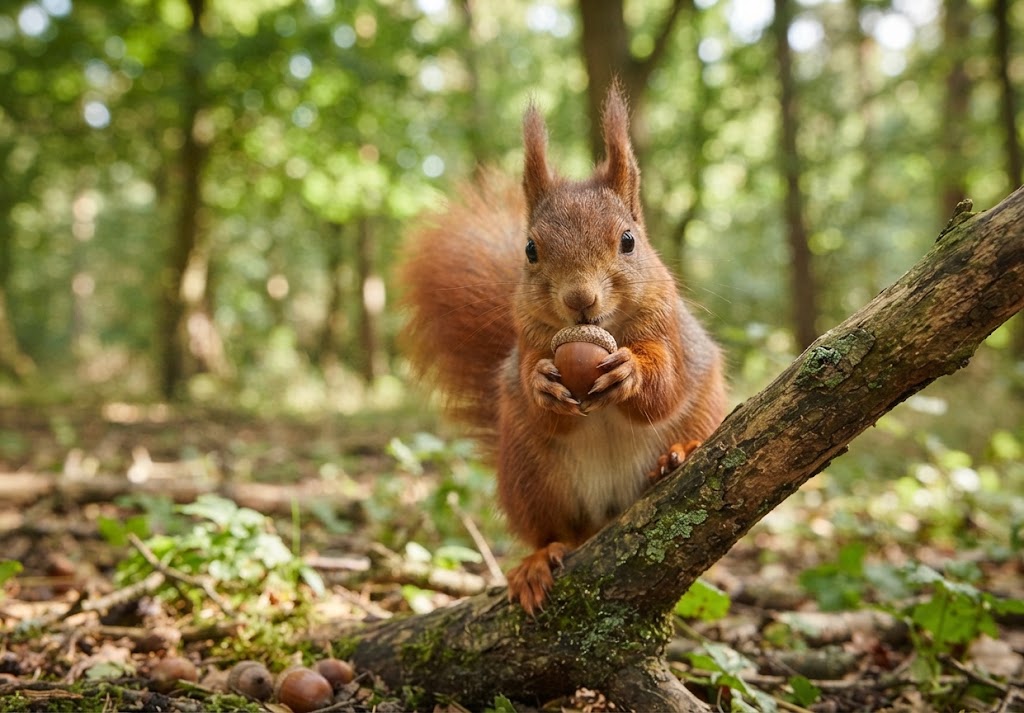
If you spot an animal, watch it from a distance rather than trying to get closer.
Don’t chase it for a better photograph, surround it with a group of people or try to feed it.
If the animal changes its behaviour because you’ve approached, you’re probably too close.
This is especially important during breeding and nesting seasons, when disturbance can have a greater impact.
Sometimes the best wildlife encounter is the one where the animal barely knows you’re there.
Be Careful Around Nests and Dens
You don’t always need to see a nest or den to know that wildlife is nearby.
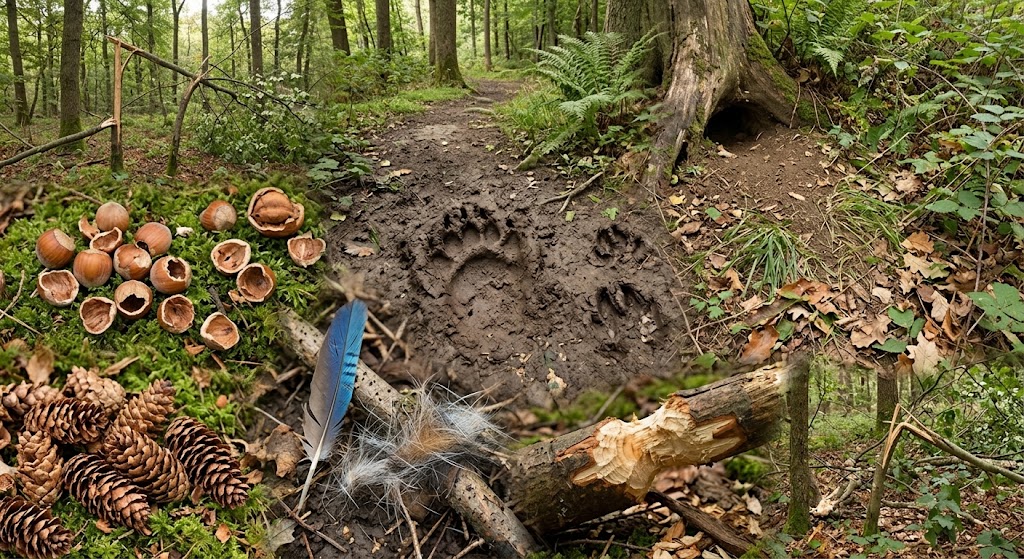
If birds are repeatedly alarm-calling, an animal seems unusually concerned about your presence, or you notice repeated tracks leading into a particular area, give it some space.
Don’t investigate just because you’re curious.
It’s worth remembering that we’re visitors in these places. Wildlife doesn’t have the option of going somewhere else because a group of people has decided to explore its home.
Keep Dogs Under Control Where Required
Dogs and wildlife don’t always mix well.
A dog running freely can disturb birds, chase animals or damage sensitive habitats even when it isn’t being aggressive.
Pay attention to signs and local requirements about where dogs can be off lead.
If you’re somewhere with livestock, keeping your dog under control is particularly important.
And if your dog does get into something it shouldn’t, deal with the situation rather than assuming it won’t matter.
Think Carefully About Fires
A fire can be a brilliant part of an outdoor trip, but it can also cause serious damage if it isn’t managed properly.
Never light a fire where fires aren’t permitted.
If fires are allowed, use an appropriate established fire area where possible rather than creating a new one.
Keep the fire small and controlled, and make sure it is completely extinguished before leaving.
Don’t burn rubbish. Plastic, tins, foil and other materials can leave harmful residues and shouldn’t be treated as firewood.
A good fire should leave as little trace as possible.
Don’t Build Things Just Because You Can
Building shelters, dams, bridges and other structures can be great fun when you’re learning outdoor skills.
But there is a difference between practising a skill in an appropriate area and modifying the environment wherever you happen to be walking.
Moving rocks, breaking branches and tying things to living trees can all cause unnecessary damage.
If you’re practising bushcraft or campcraft skills, choose somewhere where you’re allowed to do so and follow any local rules.
And when you’ve finished, take a moment to put the area back as close as reasonably possible to how you found it.
Don’t Feed Wild Animals
Feeding wildlife might seem like a kind thing to do, but it can create problems.
Animals can become dependent on human food, lose their natural fear of people or start associating campsites and walking routes with food.
Human food may also be unsuitable for them.
Enjoy watching wildlife doing what it naturally does instead.
If you’re eating outdoors, keep your food secure and don’t leave leftovers lying around.
Avoid Making Unnecessary Noise
You don’t have to walk through the countryside in complete silence.
Talking, laughing and enjoying yourself are perfectly normal parts of being outdoors.
But there are times when turning the volume down makes a difference.
If you’re trying to watch wildlife, for example, loud conversations can scare animals away before you even realise they were there.
A quieter walk can also help you notice things that you’d normally miss.
You might hear a woodpecker, running water or birds moving through the trees simply because you stopped talking for a minute.
Be Careful With Toileting
If you’re spending a long time outdoors, you may eventually need the toilet.
Where facilities are available, use them.
If you’re somewhere without facilities, make sure you understand the appropriate way to deal with human waste for the area you’re visiting and follow local guidance.
Don’t leave toilet paper scattered around the countryside.
It might seem insignificant, but nobody wants to discover somebody else’s toilet waste while enjoying a walk.
Respect Other People’s Spaces
Looking after the environment isn’t only about plants and animals.
Outdoor spaces are also used by other people.
You might pass through farmland, forestry, villages or areas managed for conservation. Gates, fences, signs and other features are there for a reason.
Leave gates as you find them unless there are clear instructions saying otherwise.
Don’t climb over fences just because it looks like a shortcut.
And don’t assume that an empty-looking piece of land is automatically somewhere you can camp, light a fire or explore freely.
Think Before You Take Something
Finding an unusual stone, feather, antler or piece of wood can be tempting.
Before putting it in your pocket, ask yourself whether it actually needs to come home with you.
In some places, removing natural objects may be prohibited or discouraged, particularly where the area is protected or heavily visited.
Even when taking one small object seems harmless, thousands of visitors doing the same thing can have a very different effect.
Taking a photograph is often the better option.
Learn the Rules Before You Go
Different outdoor areas have different rules.
A place where wild camping or fires might be tolerated could be very different from a protected nature reserve where they’re prohibited.
Before visiting somewhere unfamiliar, check the local information.
Look for restrictions relating to:
- Camping
- Fires and barbecues
- Dogs
- Access
- Parking
- Wildlife
- Seasonal closures
- Cycling or other activities
A few minutes of research before leaving can prevent you from accidentally causing damage or breaking a local rule.
Leave the Place Better Than You Found It
You don’t have to organise a huge litter pick every time you go for a walk.
Sometimes it’s enough to pick up a piece of rubbish you notice along the way and take it home with you.
Don’t make a habit of touching things that could be unsafe, of course. But if there’s a harmless piece of litter lying beside the path, removing it is a simple way to leave the area a little better than you found it.
It also sets a good example for other people.
The Best Outdoor Skill Is Knowing When to Leave Things Alone
Exploring is about curiosity.
You should look closely, investigate, learn and enjoy what’s around you.
But sometimes the right thing to do is simply look.
See the plant without picking it.
Watch the animal without approaching it.
Walk past the nest instead of investigating it.
Take a photograph instead of taking something home.
Leave the fallen branch where it is.
That doesn’t make the experience less interesting. In many cases, it makes you a better observer because you’re learning to appreciate what’s there without needing to interfere with it.
The outdoors doesn’t need us to improve it.
It mostly needs us to enjoy it responsibly and leave it there for the next person.

CRAIG BURR
FOUNDER · SURVIVAL GUIDES UK
I’m Craig, the person behind Survival Guides UK. I created SGUK because I wanted somewhere people could learn real outdoor skills in a practical, straightforward way — from lighting a fire and tying knots to navigation, campcraft and everything in between.
You can read more about the story behind SGUK here as well as our approach here.
🔒Ready to test your survival skills?
Join Survival Guides UK for free, complete challenges, earn badges and increase your Survival Level.
JOIN FREE →CRAIG BURR
FOUNDER · SURVIVAL GUIDES UK
I'm Craig, the person behind Survival Guides UK. I created SGUK because I wanted somewhere people could learn real outdoor skills in a practical, straightforward way — from lighting a fire and tying knots to navigation, campcraft and everything in between.
You can read more about the story behind SGUK here as well as our approach here.