How to Tell Whether an Area Has Recently Been Used by Animals
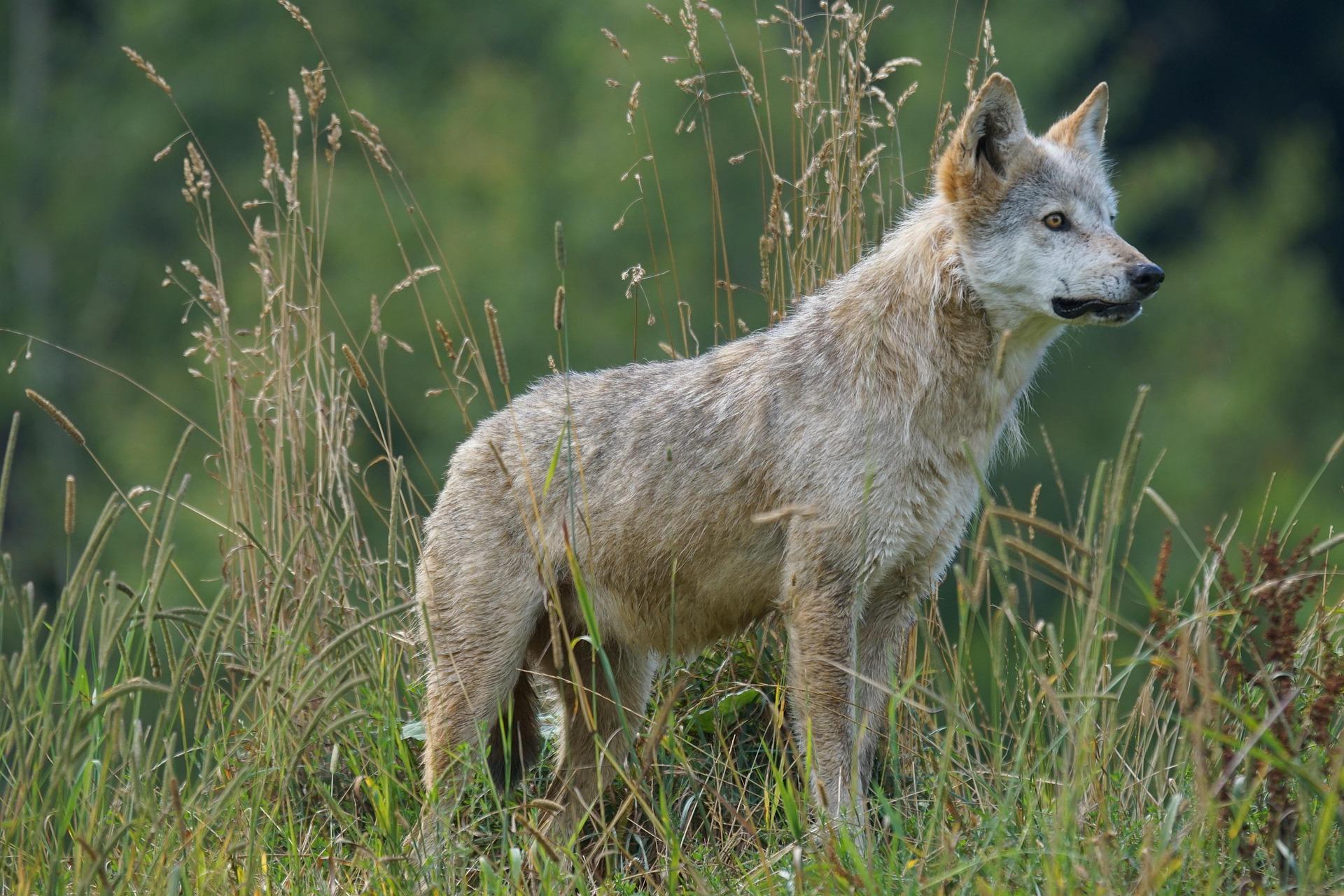
You don’t always see the animals that live around you. In fact, most wildlife is much better at avoiding people than people are at spotting it.
What you can often find, though, are the little signs they leave behind. A footprint in soft mud, freshly nibbled vegetation or a narrow trail through long grass can tell you that an animal has been using an area. Learning to notice these clues is a great way to become more observant outdoors.
Stay Safe Around Wildlife Signs
Finding signs of animals doesn’t mean you should try to find the animal responsible.
- If you come across a den, nest, burrow or an area that looks as though an animal is actively using it, keep your distance and don’t block the entrance or disturb the surrounding vegetation. You may be closer to an animal than you realise.
- Don’t approach wildlife to get a better photograph, and don’t try to follow fresh tracks directly towards an animal. This is particularly important if you’re walking with a dog, as a dog investigating a den or nest can cause problems for both the wildlife and the dog.
- Avoid touching droppings, dead animals, feathers or other animal remains. Wash your hands if you’ve been in an area where you’ve been handling natural materials or touching the ground, and take normal precautions against ticks when walking through suitable habitat.
- Also keep an eye on the wider surroundings. An animal sign may be interesting, but the ground around it could be muddy, slippery, uneven or hidden by vegetation. Don’t put yourself in a dangerous position just to get a closer look.
The best wildlife observation usually happens when the animal doesn’t even realise you’re there.
Start by Looking at the Ground
The ground is often the first place to look.
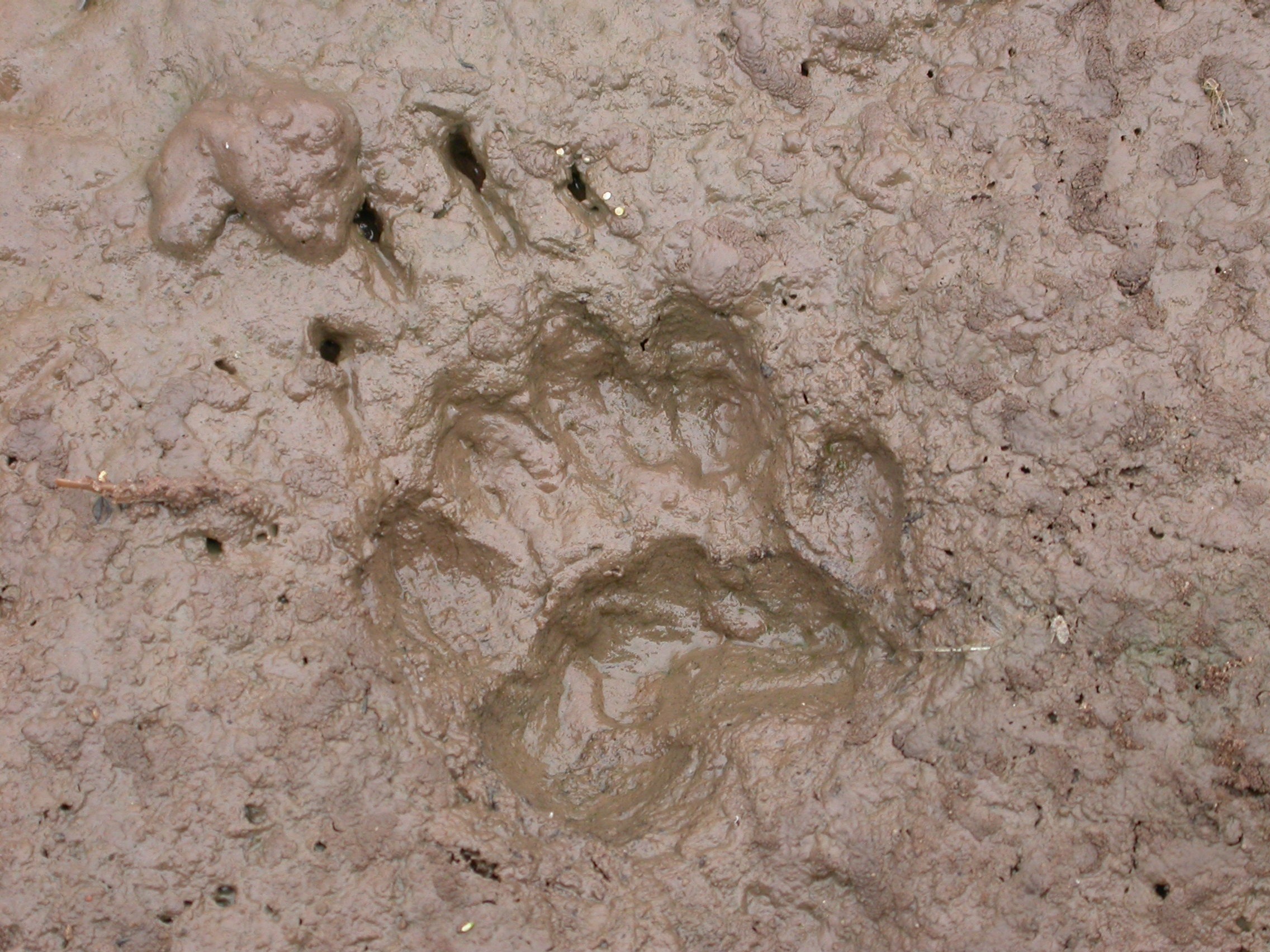
Soft mud, damp sand and patches of bare earth can preserve footprints surprisingly well. Look around the edges of paths, muddy patches, stream banks and other places where an animal might naturally pass.
Don’t just look for a perfect footprint. You may only find part of one, particularly if other animals or people have disturbed the area.
If you find several prints together, look at their direction and spacing. A series of prints can tell you much more than one footprint on its own.

Look for Fresh Tracks
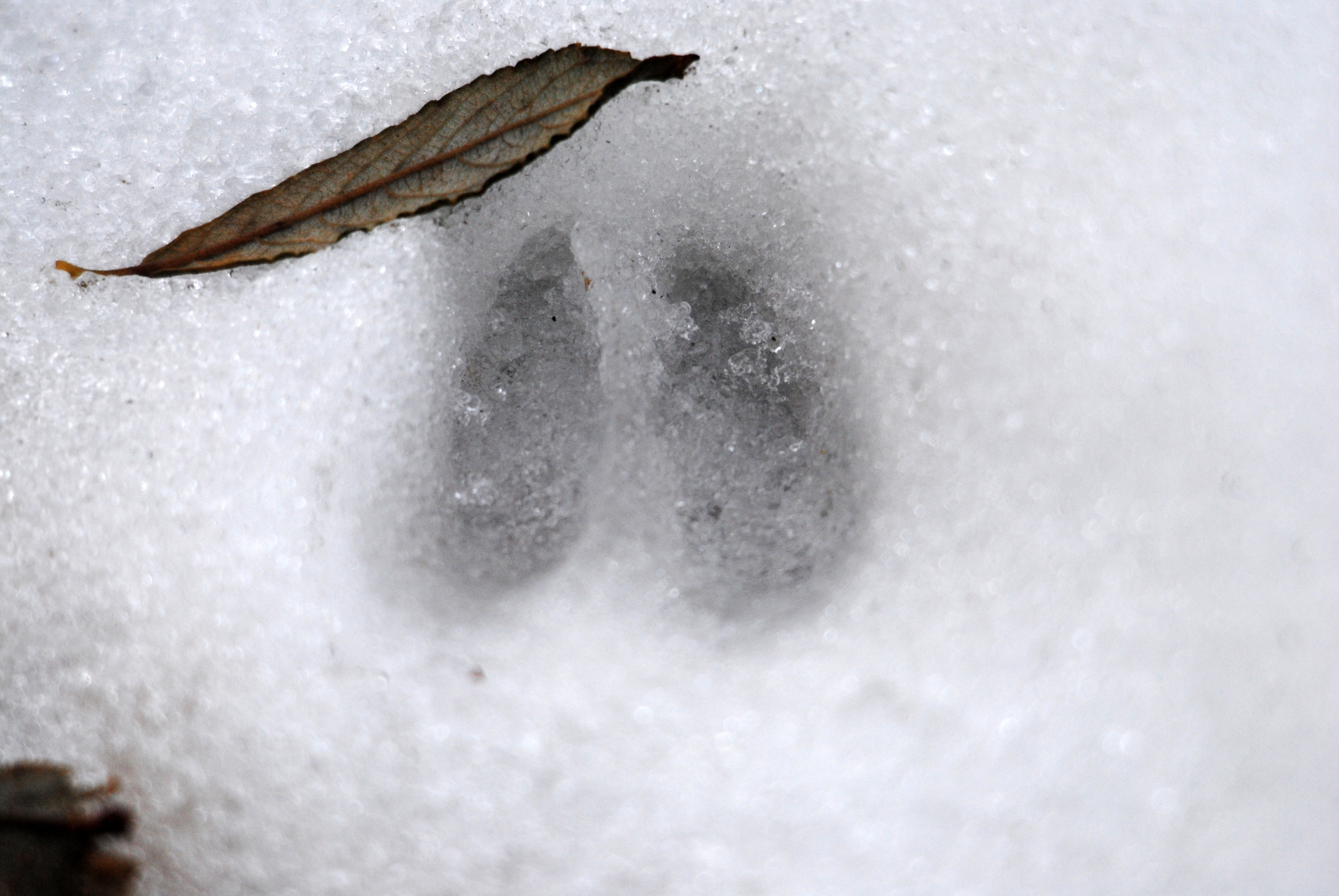
Tracks can give you an idea of whether an animal has passed through recently, but you need to look at their condition as well as their shape.
A sharp, clearly defined footprint in soft ground is generally more useful than an old impression that has started to crumble or fill with water.
Look around the track too. Has rain fallen since it was made? Are leaves or debris covering it? Have other footprints crossed it?
The more you pay attention to the condition of the whole area, the better you become at judging whether a sign is relatively fresh or has been there for some time.
Check for Disturbed Vegetation
Animals moving through vegetation can leave a surprisingly obvious trail.
Look for bent grass, flattened vegetation, broken stems or leaves that have been pushed aside. A narrow passage through long grass or plants may indicate repeated movement.
Be careful not to assume that every flattened patch was made by an animal. People, dogs, livestock, wind and weather can all create similar signs.
Look for several clues together rather than relying on one.
Look at What Has Been Eaten
Feeding signs can be particularly interesting.
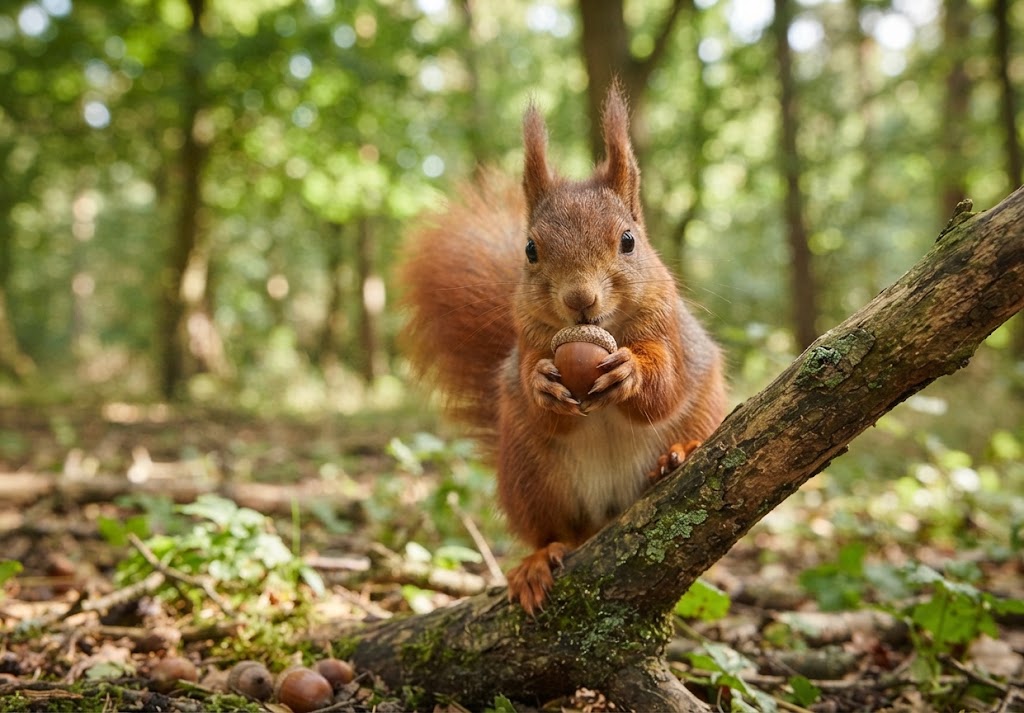
You might find leaves that have been nibbled, bark that has been stripped, nuts that have been opened or fruit that has been partially eaten.
Look closely at the edges of the damage. The way vegetation has been bitten or torn can sometimes help you work out what caused it.
Fresh feeding signs may look noticeably different from older ones. New damage can be cleaner and more obvious, while older signs may have dried out, weathered or started to break down.
Again, treat it as evidence rather than proof.
Check for Droppings
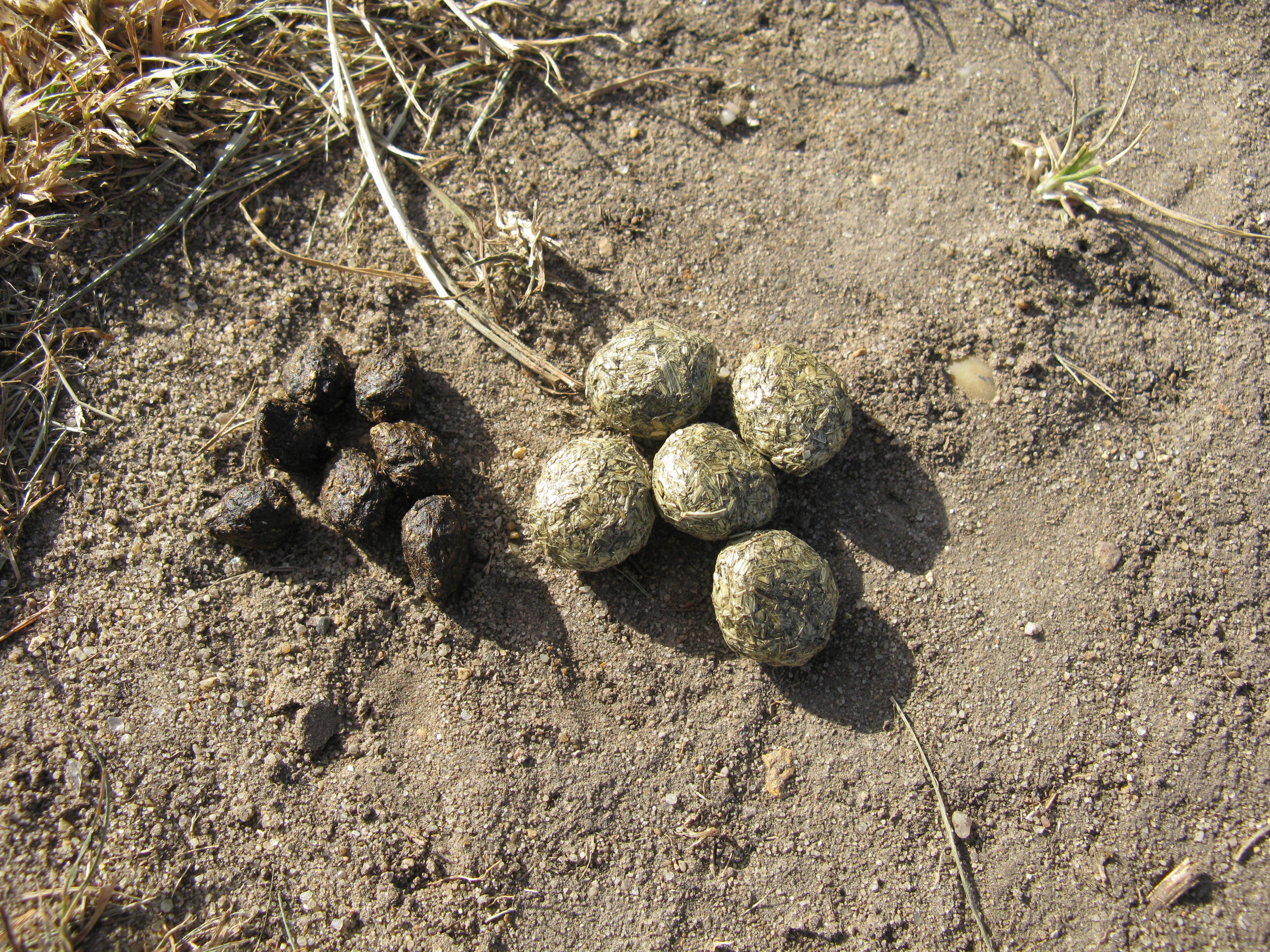
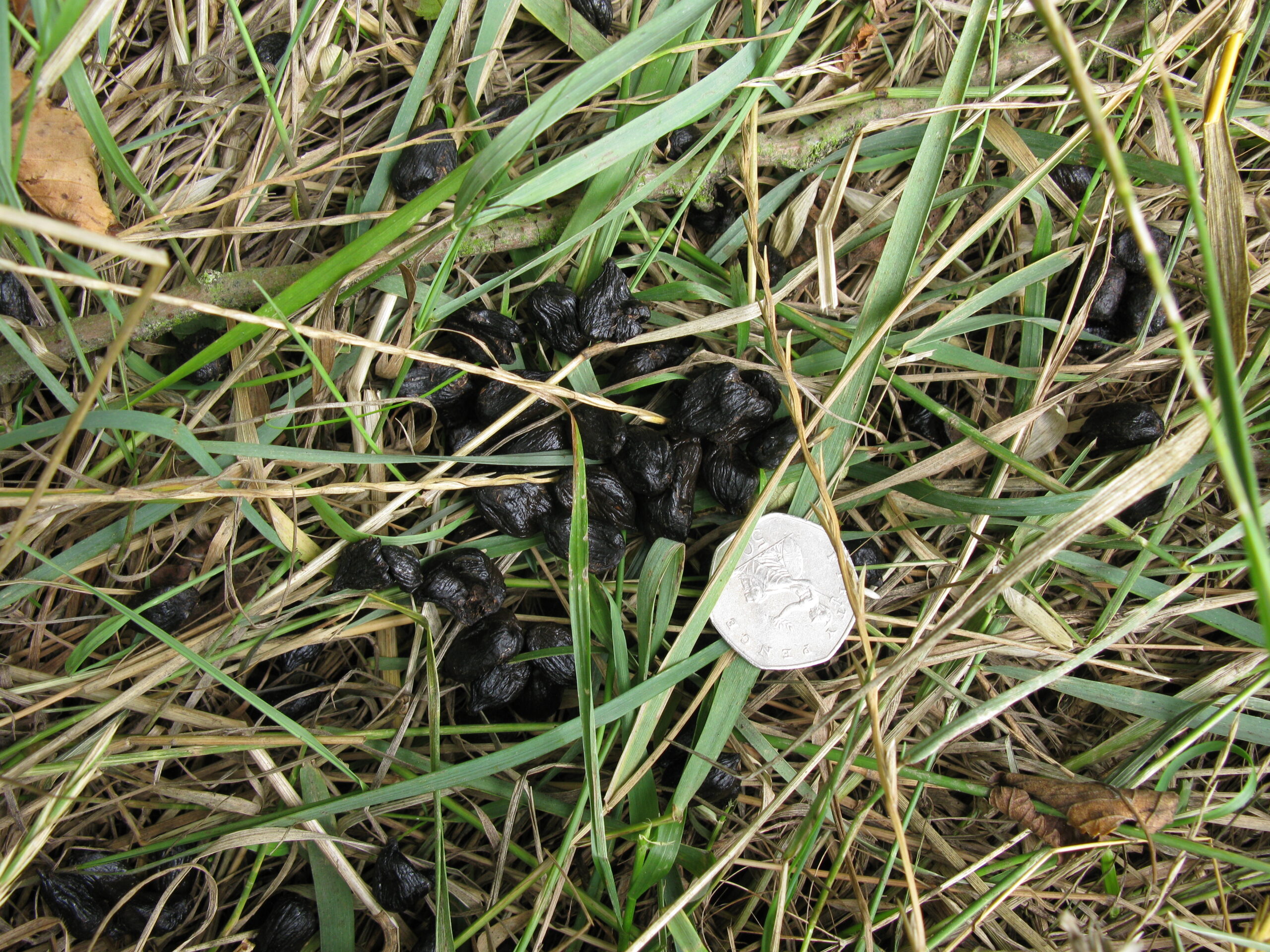
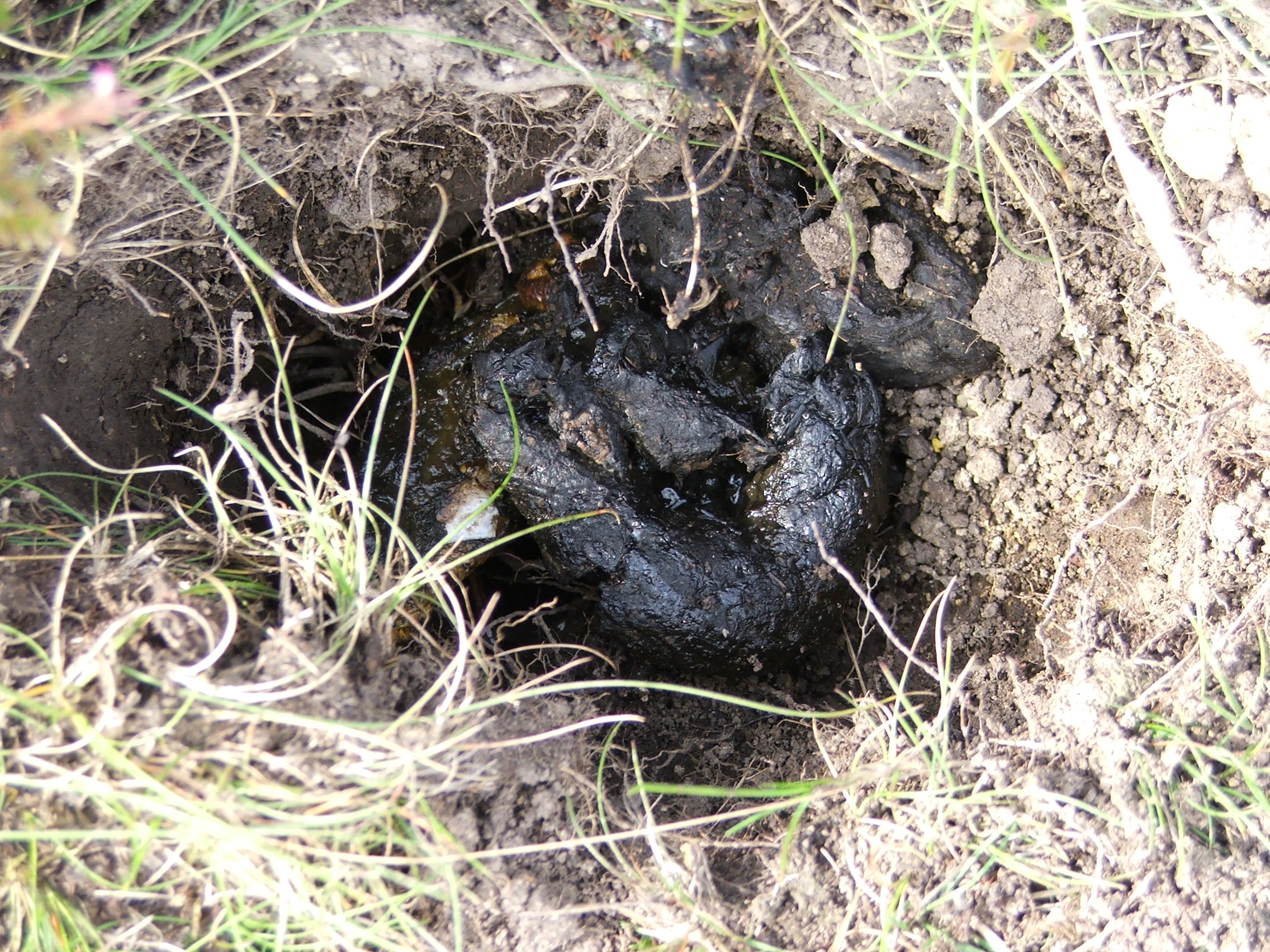
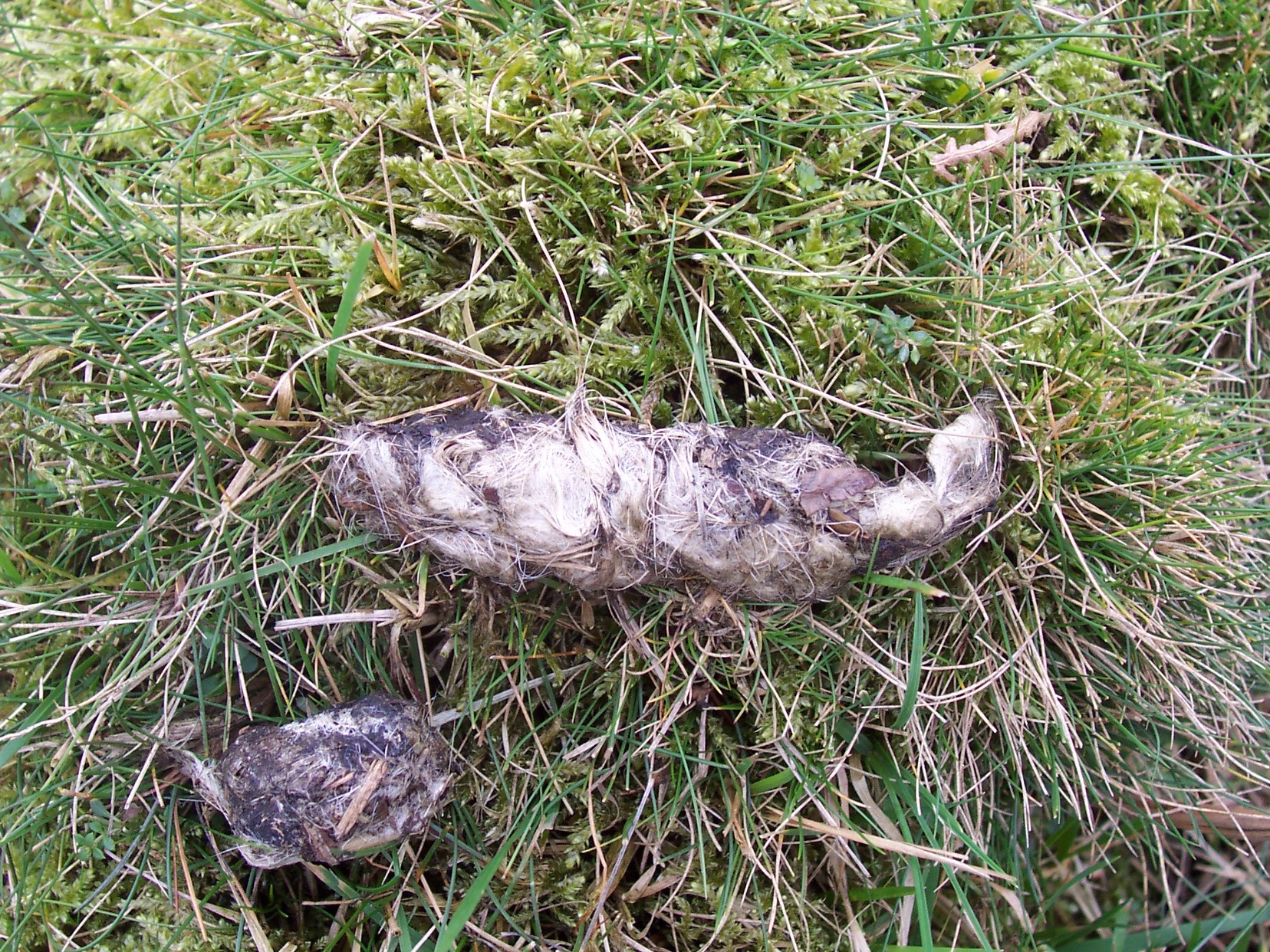
Droppings are another obvious sign that animals have been using an area.
They can sometimes help you identify what kind of animal has been there, but don’t handle them. Apart from being unpleasant, animal droppings can carry harmful organisms.
Instead, observe them from a safe distance and consider their size, shape, location and surrounding signs.
A dropping on its own may not tell you very much. Combined with tracks, feeding signs or a nearby trail, it can become much more useful.
Look for Fur or Feathers
A fence, thorn bush or rough section of vegetation can sometimes collect fur from animals passing through.
You may also find feathers around feeding areas or places where birds have been active.
Finding a small amount of fur doesn’t necessarily mean an animal is regularly using that particular spot. It could have been caught there during a single movement through the area.
Look at the bigger picture and see whether there are other signs nearby.
Follow Trails Carefully
Animals often use the same routes repeatedly, particularly where there is an easy way through vegetation or a convenient route between feeding and resting areas.
You may notice a narrow track through grass, a gap beneath a hedge or a regularly used crossing point.
If you find one, don’t automatically follow it.
Wild animals need space, and some trails can lead towards nests, dens or other places where animals are resting or raising young. Observe from a distance and leave the area undisturbed.
Look Around Water
Water is often a useful place to look for signs of animal activity.
Streams, ponds and other water sources may have tracks around their edges, particularly where the ground is soft.
You might also notice disturbed vegetation, feeding signs or other evidence of animals visiting the water.
Don’t assume that every set of tracks beside water means an animal has been drinking. Animals may simply be using the edge of the water as a route through the area.
Pay Attention to the Time of Day
Some animals are much more active at particular times of day.
If you repeatedly notice fresh signs in the same area during your morning walks, for example, you may start to build a picture of when animals are using it.
This doesn’t mean you can predict exactly when an animal will appear. Wildlife doesn’t work to a timetable just because we would like it to.
It does mean that keeping track of when you notice signs can add another useful piece of information.
Look for Several Signs Together
One of the most useful habits you can develop is looking for a combination of clues.
Imagine you find a narrow trail through long grass. Nearby there are fresh-looking footprints and some recently nibbled vegetation.
Those signs together give you much more information than the flattened grass alone.
You still might not know exactly which animal was responsible, or precisely when it passed through, but you have stronger evidence that something has been using the area.
Learn to Tell Fresh Signs From Old Ones
Working out whether a sign is recent takes practice.
A footprint can become softened by rain. Droppings can dry out and weather. Broken vegetation changes colour. Leaves can fall into old tracks and make them difficult to see.
Try comparing signs that you know are recent with older ones. For example, look at footprints after you’ve watched someone or a dog make them, then check how they change over the following days.
You will gradually become better at recognising the difference between something that happened recently and something that happened a while ago.
Don’t Disturb What You Find
Finding signs of wildlife can be exciting, particularly when you realise you’ve walked past the same place many times without noticing them.
Try not to turn that excitement into interference.
Don’t dig around looking for dens. Don’t move branches to get a better view. Don’t handle droppings, nests, feathers or other animal remains. If you discover a likely resting place or den, give it plenty of space and move on.
Good wildlife observation is mostly about looking carefully without changing what you’re looking at.
Don’t Assume Every Sign Has an Animal Behind It
One of the easiest mistakes when learning wildlife tracking is seeing what you expect to see.
A mark in the mud might be a footprint. Or it might be a boot print that has partly washed away. A broken branch might have been caused by an animal, or it might simply have been damaged by the wind.
Ask yourself what other explanations are possible.
The habit of questioning your first impression is actually one of the most useful observation skills you can develop.
Take a Photo Instead of Taking the Evidence
If you find something interesting, photograph it rather than collecting it.
Take a wider photograph showing where the sign was found, followed by a closer photograph showing the detail. Including something for scale can also be useful, provided you can do so without disturbing the area.
You can then compare your photographs with wildlife guides later or keep them as a record of what you’ve found.
Over time, your collection of observations can become a useful way of learning what animals are active in the places you visit.
Practise Somewhere Familiar
You don’t need to visit a remote woodland to start learning this skill.
Try it in a local park, along a familiar footpath or around the edge of a field. Walk slowly and deliberately and see how many signs you can find without disturbing anything.
Then come back another day and see what has changed.
The more often you look, the more you’ll start noticing things that were there all along.
Become Better at Reading the Landscape
Knowing whether animals have recently used an area isn’t really about memorising hundreds of tracks and signs.
It’s about learning to notice small changes.
A patch of disturbed ground, a line through grass, a chewed leaf or a footprint might seem insignificant on its own. Start putting those clues together, though, and the landscape becomes much more interesting.
You may not see the animal itself, but you can still begin to understand that it has been there.
🔒Ready to test your survival skills?
Join Survival Guides UK for free, complete challenges, earn badges and increase your Survival Level.
JOIN FREE →
CRAIG BURR
FOUNDER · SURVIVAL GUIDES UK
I'm Craig, the person behind Survival Guides UK. I created SGUK because I wanted somewhere people could learn real outdoor skills in a practical, straightforward way — from lighting a fire and tying knots to navigation, campcraft and everything in between.
You can read more about the story behind SGUK here as well as our approach here.