Squirrels Nature Activities: Fun Ways to Explore the Outdoors
Getting Squirrels interested in nature doesn’t need to involve complicated equipment or long walks.
Young children are naturally curious about the world around them.
A strange-looking leaf, an unusual insect or an interesting bird can be enough to start a conversation.
Nature activities give Squirrels the chance to explore that curiosity while developing observation, teamwork and an appreciation for the environment.
⚠️ SAFETY FIRST
Nature activities should always take place in a suitable, supervised area and be risk assessed for the location and activity. Take particular care around roads, water, steep or uneven ground, poisonous plants, stinging insects, ticks and unknown fungi.
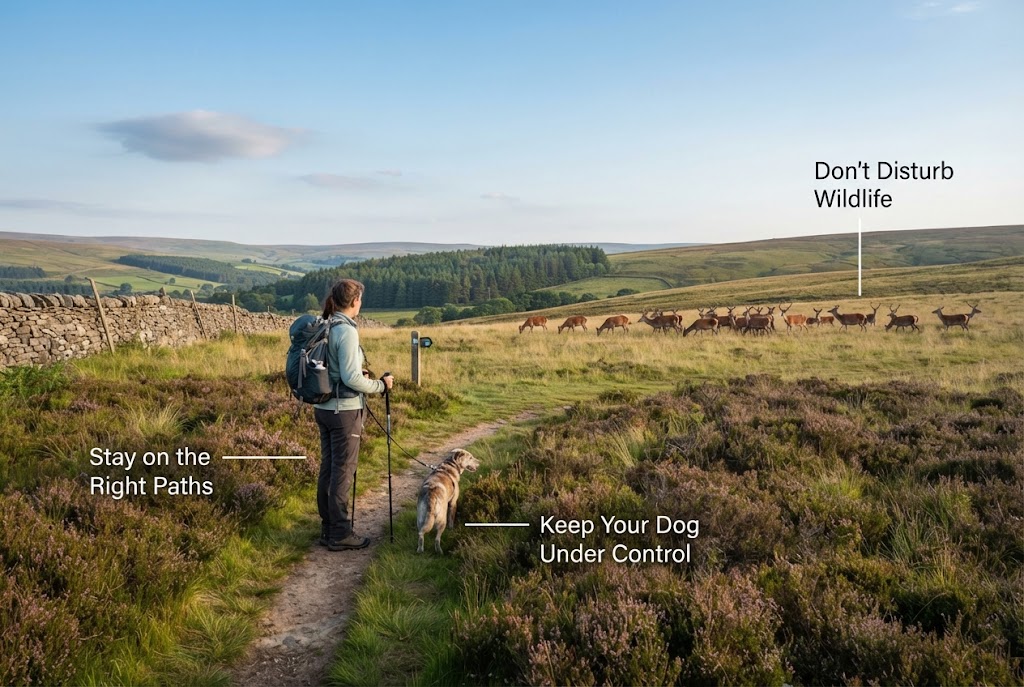
Teach Squirrels to look rather than touch unless an adult has confirmed that something is safe. Don’t encourage children to eat wild plants, berries or fungi. Avoid disturbing wildlife, nests or habitats, and wash hands after outdoor activities.
Follow any site-specific rules and current guidance from your Scout organisation.
1. Nature Treasure Hunt
Give Squirrels a list of things to find.
It could include:
A leaf bigger than their hand.
Something rough.
Something smooth.
A feather.
A pine cone.
Something yellow.
They don’t need to collect anything.
Simply finding and pointing things out can turn an ordinary walk into an adventure.
2. Wildlife Spotting
Take the group somewhere suitable and see how many different animals they can spot.
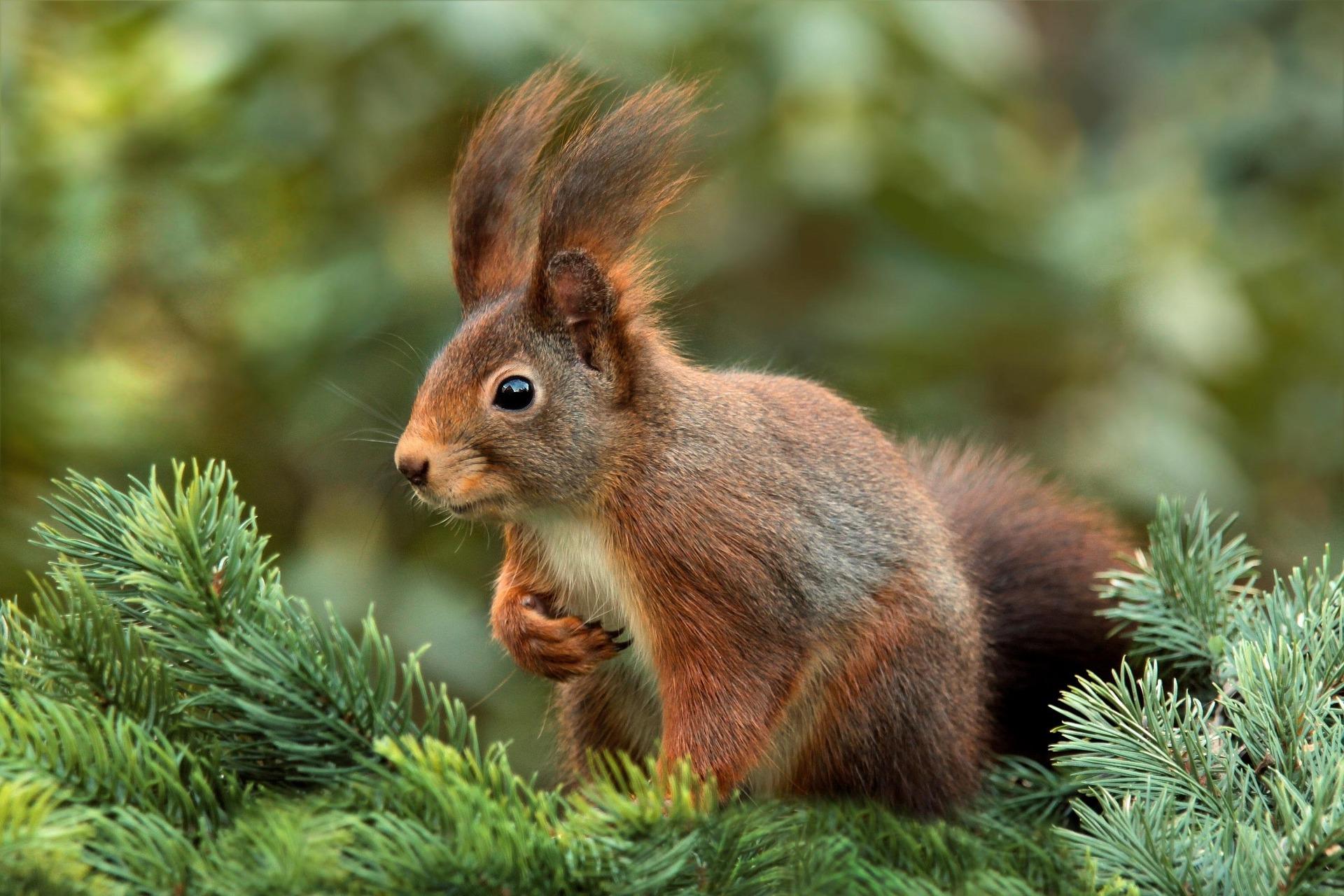
Birds are an easy starting point, but they might also find insects, squirrels, rabbits or signs that animals have been nearby.
Encourage quiet observation rather than chasing animals.
3. Nature Bingo
Create bingo cards with things Squirrels might encounter.
A bird.
A flower.
A tree stump.
A spider web.
A cloud.
A feather.
A different-shaped leaf.
The first person or team to complete a row wins.
4. Tree Detectives
Choose several trees and get Squirrels to compare them.
What colour is the bark?
Is it smooth or rough?
Are the leaves different shapes?
Is the tree tall or short?
You can then introduce the idea that different trees have different characteristics.
5. Leaf Matching
Collect a selection of fallen leaves before the activity.
Mix them up and ask Squirrels to match leaves that came from the same type of tree.
You can make it more challenging by asking them to find the trees themselves.
Use fallen leaves rather than pulling leaves from living plants.
6. Listen to Nature
Find a safe place where everyone can sit quietly.
Give the Squirrels a minute to listen.
Then ask:
“What did you hear?”
You might get answers such as birds, wind, insects, traffic or other people.
Try it again somewhere else and compare the sounds.
7. Mini Beast Hunt
Give Squirrels the chance to look for small creatures.
They might find beetles, woodlice, worms or spiders.
The emphasis should be on observation rather than collecting.
If you move a log or stone to look underneath, replace it carefully afterwards.
8. Nature Photography
If suitable devices are available, give Squirrels a simple photography challenge.
Can they photograph:
Something tiny?
Something colourful?
An interesting texture?
A pattern?
A creature?
A favourite tree?
This encourages them to look closely at things they might normally walk past.
9. Find the Colours
Give each Squirrel a colour.
Their challenge is to find something naturally occurring in that colour.
Green is easy.
Purple or orange might be harder.
It becomes a simple observation game that can be played almost anywhere outdoors.
10. Nature Texture Hunt
Ask Squirrels to find things that look or feel different.
Something smooth.
Something rough.
Something soft.
Something hard.
Something spiky.
Avoid allowing them to touch unknown plants or animals.
They can simply point to or describe the object instead.
11. Animal Tracks
Look for signs that animals have been nearby.
Depending on the location, you might find footprints, feathers, droppings, chewed nuts or other evidence.
Ask:
“What animal do you think was here?”
This introduces the idea that wildlife can be discovered even when you can’t see the animal itself.
12. Nature Shapes
Ask Squirrels to find natural objects that look like familiar shapes.
A leaf shaped like a heart.
A branch shaped like a letter.
A cloud that resembles an animal.
It encourages imagination as well as observation.
13. Weather Watchers
Give Squirrels a simple weather challenge.
What can they see?
Clouds.
Wind.
Sunlight.
Rain.
Frost.
Then ask:
“What do you think the weather will do next?”
It’s a simple introduction to observing changing conditions.
14. Build a Nature Picture
Instead of collecting natural objects, ask Squirrels to create pictures using fallen materials already on the ground, where this is permitted.
They might make:
An animal.
A face.
A tree.
A campsite.
A pattern.
Dismantle the artwork afterwards and leave the area as you found it.
15. Nature Sound Bingo
Create a list of sounds.
Birdsong.
Wind.
Leaves moving.
Running water.
An insect.
A person walking.
Squirrels can tick off sounds as they hear them.
It works particularly well on a quiet woodland walk.
16. Five-Minute Sit Spot
Choose a safe place and ask everyone to sit quietly for five minutes.
They aren’t allowed to talk.
Afterwards, ask:
“What did you notice that you wouldn’t normally have seen?”
This can be surprisingly effective.
Once people stop moving and talking, the environment seems to come alive.
17. Nature Scavenger Hunt
Give teams a list of things to find rather than collect.
For example:
Something that has been eaten by an animal.
A fallen branch.
A feather.
A seed.
A spider web.
A sign of water.
This keeps the activity moving while reducing disturbance to the environment.
18. Bug Hotel Planning
Instead of immediately building one, ask Squirrels to investigate what different creatures might need.
Where would insects shelter?
What materials might provide hiding places?
Where would the habitat be best positioned?
They can then build a simple bug hotel if appropriate for the site.
19. Nature Story Walk
Take Squirrels on a short walk while telling a story.
At different points, the environment becomes part of the story.
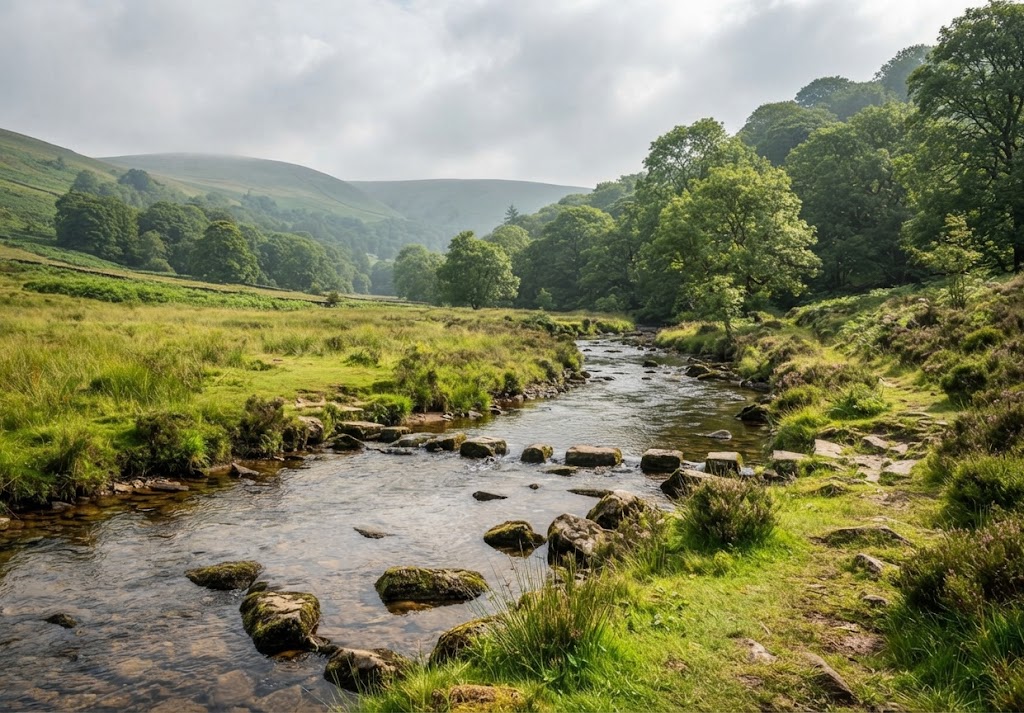
A fallen tree might become a giant’s bridge.
A stream could be a magical river.
A woodland clearing could be the setting for the next part of the adventure.
It’s a great way to combine imagination with outdoor exploration.
20. The Big Nature Challenge
Finish with a team challenge.
Give each team a checklist containing different things to discover.
They might need to find:
Three different leaf shapes.
Two types of tree.
A sign of an animal.
A natural pattern.
A bird.
Something that makes a sound.
Something they didn’t expect to find.
The team then returns and shares what they discovered.
Let Squirrels Lead the Discovery
One of the best things about nature activities is that you don’t have to know everything yourself.
If a Squirrel asks:
“What’s that?”
you don’t always need to have the answer immediately.
You can say:
“I don’t know. Let’s see if we can work it out.”
That turns curiosity into part of the activity.
Don’t Try to Control Everything
Nature is unpredictable.
You might plan to see birds and find none.
You might discover an interesting insect you weren’t expecting.
The weather might change.
That’s part of the fun.
Leave room in your programme for Squirrels to stop and investigate things that catch their attention.
Teach Respect for Wildlife
Nature activities are also a good opportunity to establish simple habits.
Look rather than chase.
Observe rather than disturb.
Leave habitats where you found them.
Don’t feed wild animals.
Don’t pick living plants unnecessarily.
Take rubbish home.
These lessons can become habits that last well beyond Squirrels.
Final Thoughts
Nature activities don’t have to be complicated.
A short walk can become a wildlife hunt.
A fallen leaf can become a science lesson.
Five minutes of sitting quietly can reveal sounds that nobody noticed before.
The important thing is giving Squirrels the opportunity to look, listen, explore and ask questions.
🌿 THE BIG IDEA
You don’t need to bring nature to Squirrels — take Squirrels outside and let them discover it.
Keep activities simple, encourage curiosity and give young people time to explore the world around them.
The best nature activity might be the one you didn’t plan.
🔒Ready to test your survival skills?
Join Survival Guides UK for free, complete challenges, earn badges and increase your Survival Level.
JOIN FREE →
CRAIG BURR
FOUNDER · SURVIVAL GUIDES UK
I'm Craig, the person behind Survival Guides UK. I created SGUK because I wanted somewhere people could learn real outdoor skills in a practical, straightforward way — from lighting a fire and tying knots to navigation, campcraft and everything in between.
You can read more about the story behind SGUK here as well as our approach here.