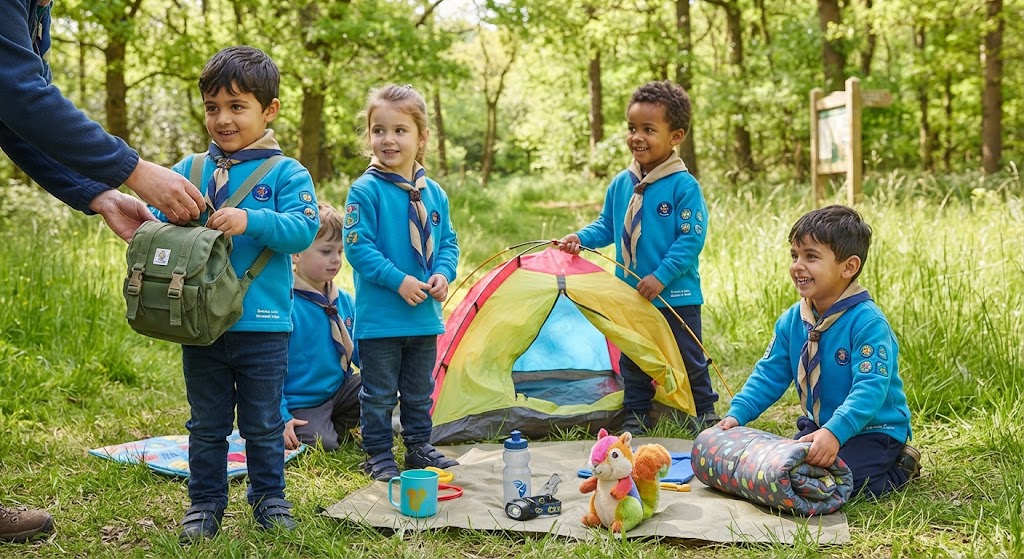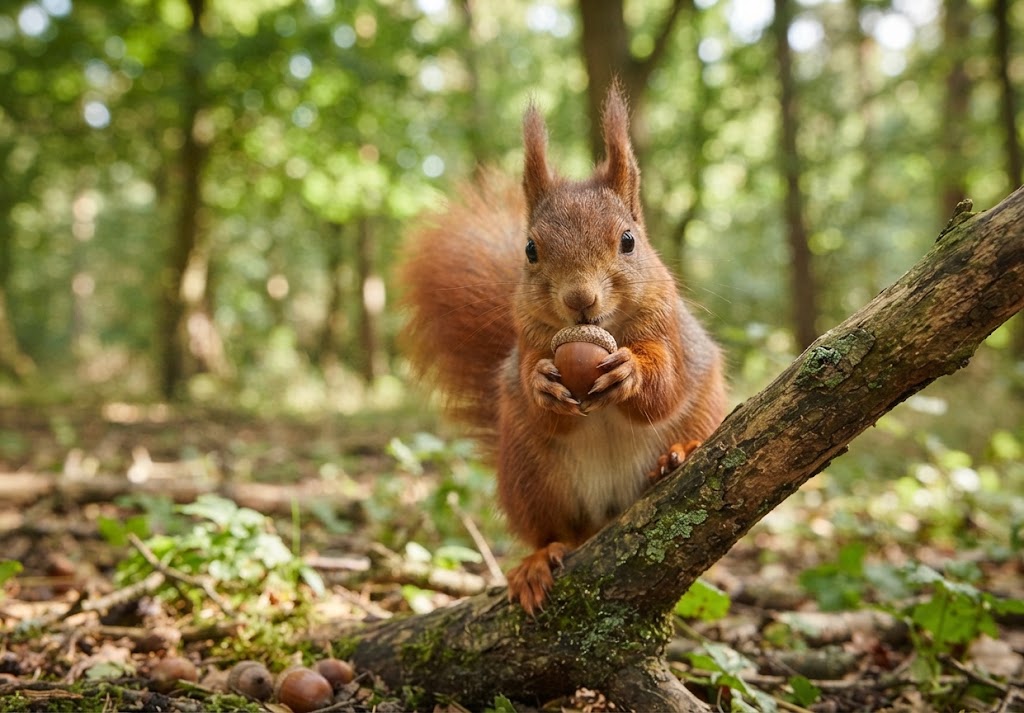
Easy Nature Skills for Squirrels
Nature skills help Squirrels become more confident exploring the outdoors and noticing the world around them.
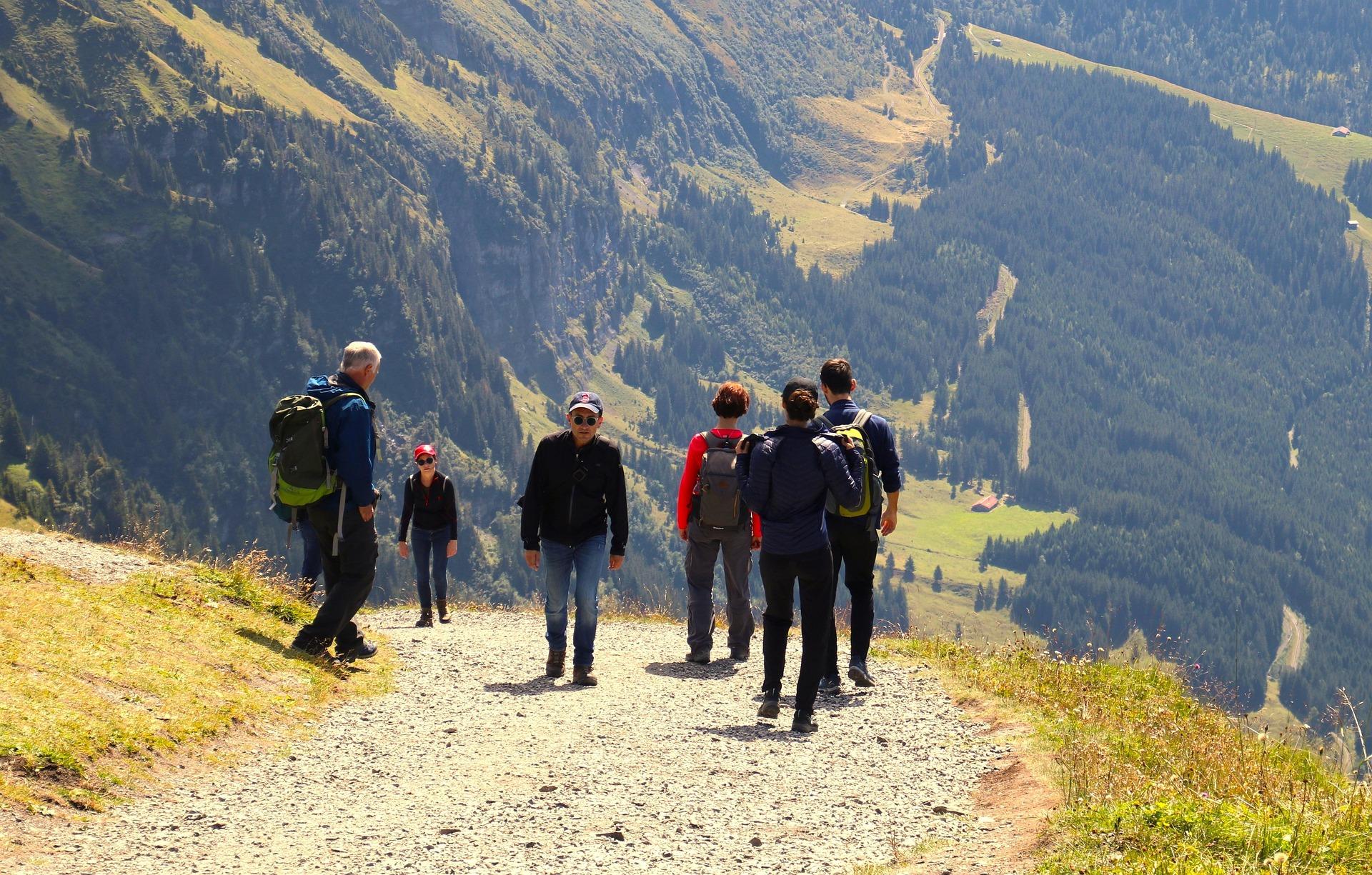
Simple activities such as identifying leaves, listening for birds, spotting animal signs and learning about trees can turn an ordinary walk into an exciting nature adventure.
What You’ll Learn
Squirrels can learn how to:
Equipment
You can keep this activity very simple.
Useful items include:
Avoid collecting living plants, insects or animals.
Prerequisites
No previous nature knowledge is needed.
Choose a safe outdoor area such as a park, woodland, field or garden and check the area beforehand for hazards.
Instructions
1. Nature Treasure Hunt
Give each Squirrel a simple list of things to find.
For example:
Make it clear that some things should be found rather than picked.
2. Become Tree Detectives
Find several different trees and look at their leaves, bark and shape.
Ask the Squirrels to spot differences.
You could give them two leaves and ask:
“What is different about these?”
They might notice the shape, size, colour or edges.
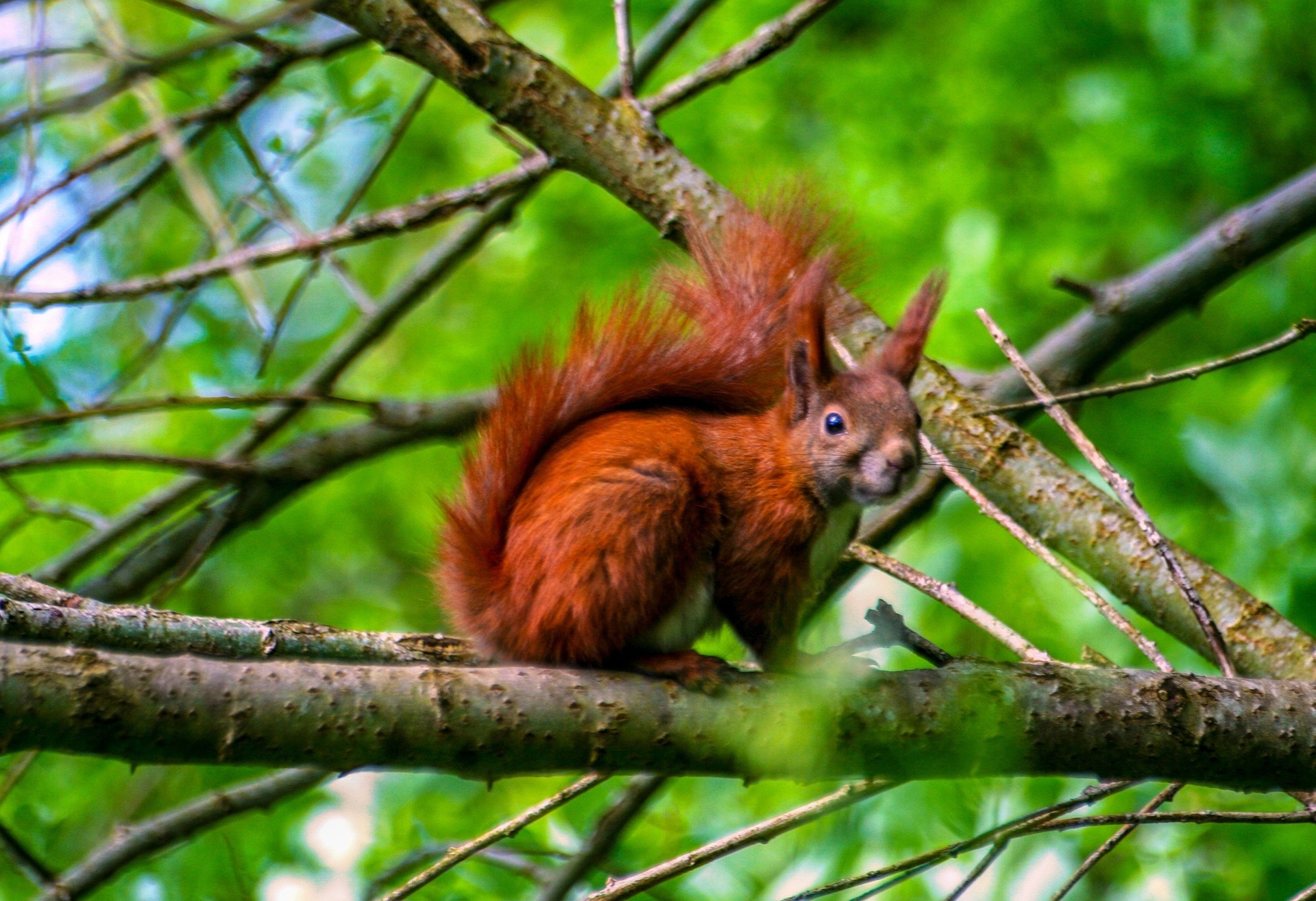
3. Wildlife Spotting
Find a quiet place and sit still for a few minutes.
Ask the Squirrels what they can see moving.
Look for birds, insects, squirrels, spiders and other signs of wildlife.
Remind everyone that wildlife should be watched without chasing, touching or disturbing it.
4. Listen to Nature
Ask everyone to stand or sit quietly for one minute.
How many different sounds can they hear?
They might hear birds, wind, leaves, insects, water or people.
Try repeating the activity with eyes closed and see whether they notice more sounds.
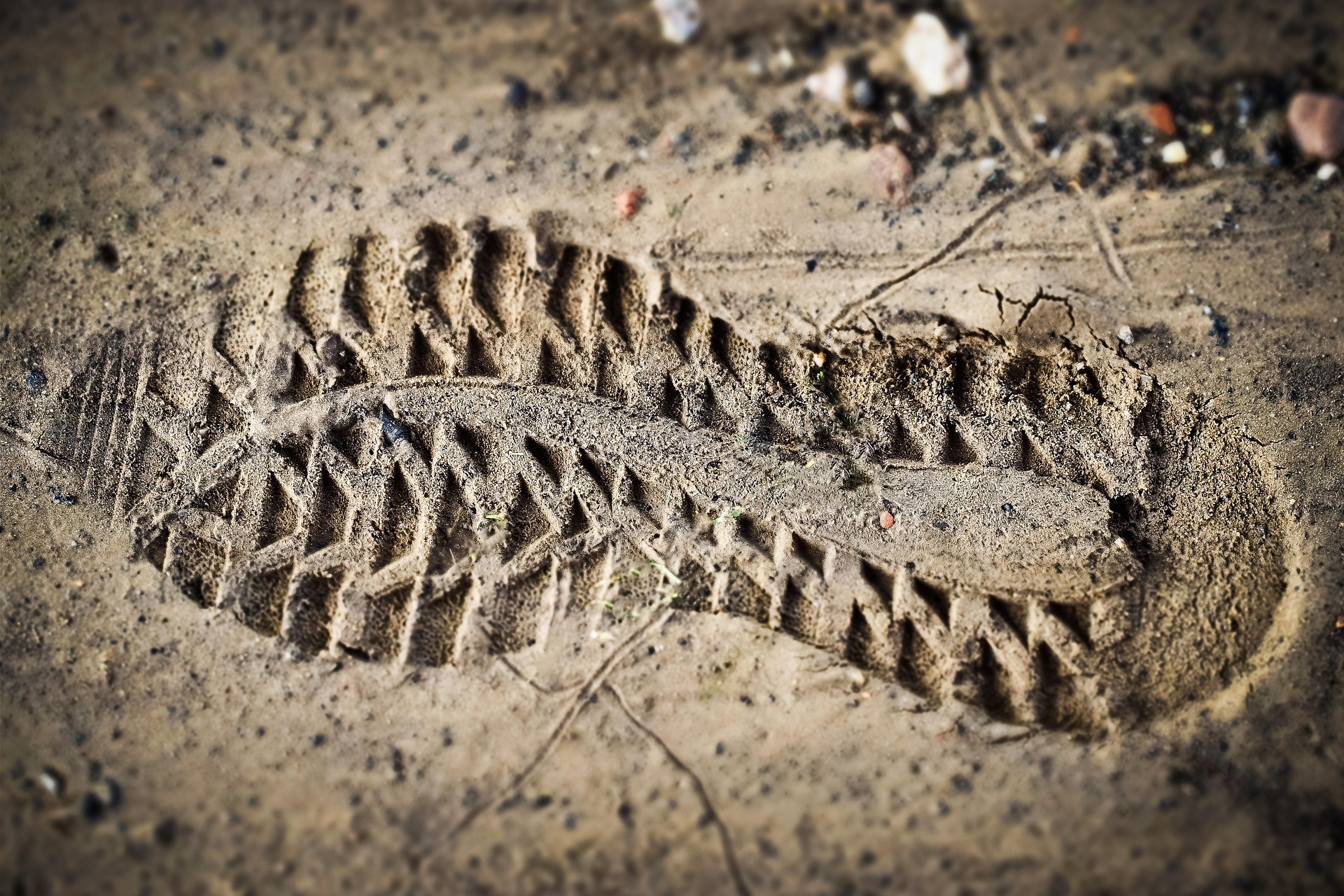
5. Look for Animal Signs
Animals are often difficult to spot, but they leave clues behind.
Look for:
Ask the Squirrels what animal they think might have left each clue.
6. Use Your Senses
Choose a safe area and explore it using different senses.
Ask:
What can you see?
What can you hear?
What can you smell?
What can you feel?
Do not encourage children to taste anything they find outdoors. Some plants, berries and fungi can be harmful.
7. Nature Artist
Give each Squirrel a piece of paper and ask them to draw something they have found.
They could draw a leaf, tree, insect, bird or anything else that caught their attention.
This encourages them to look closely at small details.
8. Leave No Trace
Finish by talking about looking after nature.
Ask the Squirrels what they can do to protect the places they visit.
Simple answers include:
Safety Reminders
Keep the safety rules simple and explain them before exploring.
Final Tip
You don’t need a woodland or nature reserve to teach nature skills.
A garden, park or even the area around your meeting place can provide plenty to discover. The important part is encouraging Squirrels to slow down, look closely and become curious about the natural world.
🔒Ready to test your survival skills?
Join Survival Guides UK for free, complete challenges, earn badges and increase your Survival Level.
JOIN FREE →
CRAIG BURR
FOUNDER · SURVIVAL GUIDES UK
I'm Craig, the person behind Survival Guides UK. I created SGUK because I wanted somewhere people could learn real outdoor skills in a practical, straightforward way — from lighting a fire and tying knots to navigation, campcraft and everything in between.
You can read more about the story behind SGUK here as well as our approach here.