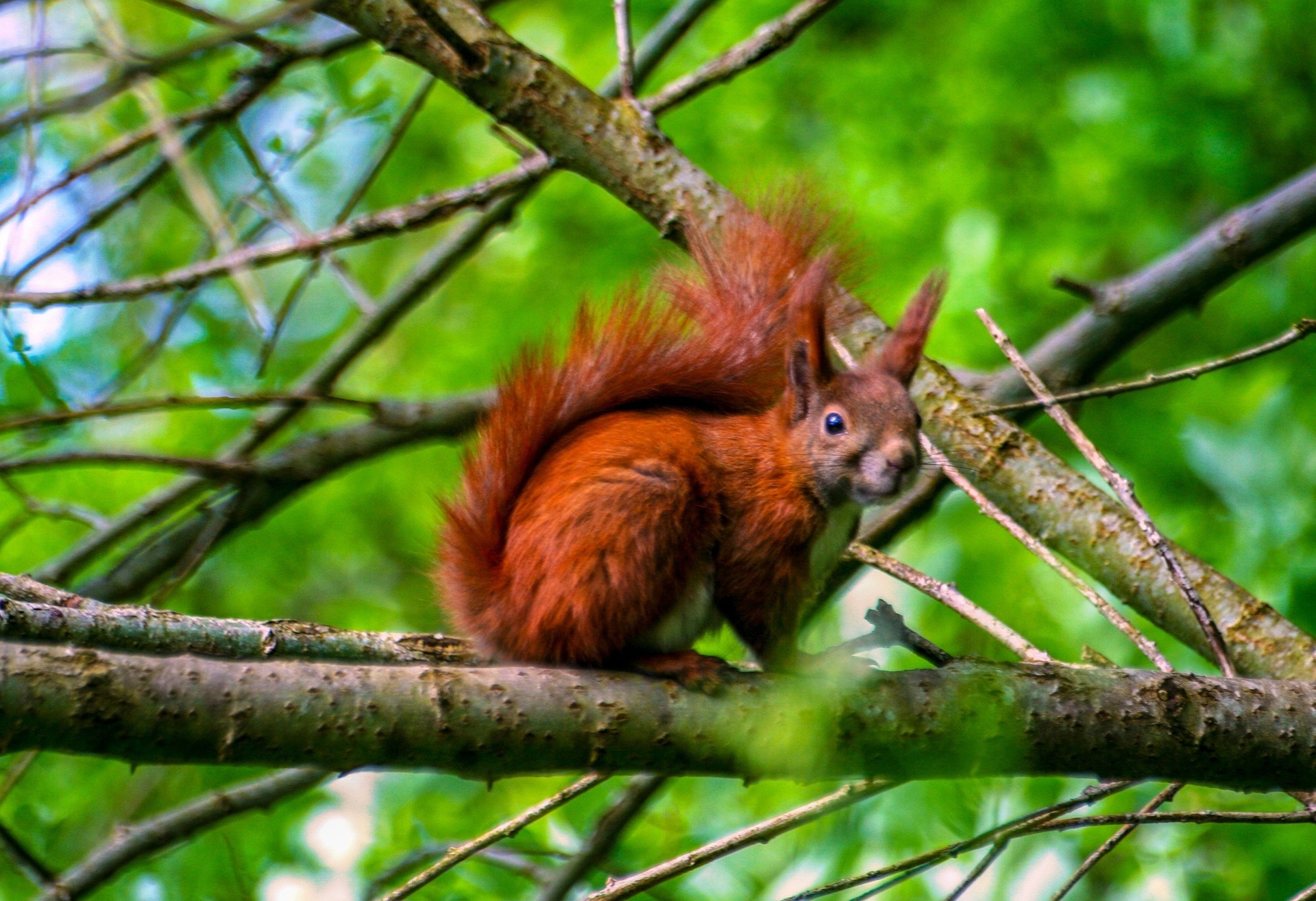
Squirrels Camping Activities: Fun Ideas for Young Squirrels
⚠️ SAFETY FIRST
Camping activities for Squirrels should always be properly planned, risk assessed and supervised by suitable adults. Follow the current guidance from your Scout organisation and the rules of the campsite or venue.
Take particular care around water, fire, cooking equipment, roads, uneven ground, weather and unfamiliar areas. Keep appropriate first-aid equipment available and make sure leaders know the group’s boundaries and emergency arrangements.
Activities should be adapted or stopped if weather or site conditions become unsafe. Never assume that an activity is safe simply because it is being carried out at a campsite.
Camping can be one of the most exciting parts of being a Squirrel.
For many young people, simply sleeping somewhere different and waking up outdoors feels like an adventure.
You don’t need a complicated programme to make a camp memorable. A few well-chosen activities can give Squirrels plenty of opportunities to explore, play, learn and work together.
The key is keeping activities simple, active and appropriate for their age.
1. Nature Treasure Hunt
Give Squirrels a list of things to find around the campsite.
They might look for a particular type of leaf, an interesting rock, a feather or signs of an animal.
Avoid encouraging them to collect living plants or disturb wildlife.
The aim is to get them looking closely at the environment around them.
2. Campfire Songs and Stories
If your campsite has a suitable, permitted campfire area, gathering together for songs and stories can be a fantastic evening activity.
It doesn’t need to be complicated.
A few familiar songs, a funny story and some group participation can create one of those camping memories that stays with young people for years.
Fire activities should always have appropriate supervision and safety controls.
3. Camping Scavenger Hunt
Create a list of things Squirrels might reasonably find around the campsite.
Instead of collecting objects, they can simply tick them off or take a photograph where appropriate.
This keeps the activity active without leaving the site covered in piles of “treasures”.
4. Build a Mini Shelter
Give Squirrels some suitable materials and ask them to build a small shelter for a teddy bear or other object.
This introduces shelter-building without expecting young people to construct a full-sized survival shelter.
They can experiment with different designs and see which ones work best.
5. Camp Cooking
Simple cooking activities can be a highlight of a camp.
Depending on your facilities and risk assessment, Squirrels could help prepare a simple snack or meal.
Keep hot equipment and flames under close adult supervision and give young people tasks appropriate to their age and ability.
6. Campfire Safety Challenge
Instead of simply telling Squirrels the rules, turn fire safety into a game.
Show them a picture or fictional campsite and ask:
“What’s wrong here?”
They might spot someone standing too close to a fire, equipment left somewhere unsafe or a poorly organised area.
It’s an easy way to reinforce safety messages.
7. Night-Time Sound Hunt
Once it gets dark, sit quietly somewhere safe and listen.
Ask Squirrels what sounds they can hear.
Perhaps there’s wind through the trees, an owl, insects, distant traffic or people moving around the campsite.
The activity can be surprisingly exciting when everyone has to remain quiet enough to hear the environment.
Keep the group together and within the planned activity area.
8. Camp Olympics
Create a series of simple team games.
You could include:
Throwing games.
Relay races.
Balance challenges.
Memory games.
Target games.
Observation challenges.
Keep the emphasis on participation rather than winning.
9. Bug Hunt
Give Squirrels the chance to discover some of the smaller creatures around the campsite.
A simple bug hunt can introduce them to different habitats and species.
Teach them to observe animals without harming or disturbing them.
If you turn over stones or logs, replace them carefully afterwards.
10. Orienteering for Beginners
You don’t need to give Squirrels a complicated map and compass course.
Instead, create a simple route around a familiar campsite.
Use obvious markers and have them follow a series of instructions.
This introduces navigation while keeping the activity manageable.
11. Camping Bingo
Create bingo cards containing things Squirrels might see or hear during camp.
For example:
A bird.
A red flower.
A tent.
A cloud.
A person carrying a backpack.
A tree stump.
A puddle.
They can work individually or in small teams.
12. Make a Nature Picture
Collecting natural objects isn’t always appropriate, so another option is to give Squirrels paper and pencils and ask them to draw what they’ve discovered.
They could draw:
Their favourite tree.
A campsite scene.
An animal they spotted.
Their tent.
A campfire.
This gives quieter Squirrels something to enjoy too.
13. Tent Skills Challenge
Give Squirrels simple jobs around the tent.
They might practise:
Rolling sleeping bags.
Organising their personal equipment.
Keeping footwear together.
Keeping the sleeping area tidy.
The aim is to build independence.
14. What’s Missing?
Place several camping objects where everyone can see them.
Give Squirrels a minute to remember what’s there.
Then remove one object.
Can they work out what’s missing?
You can make this harder by adding more objects or reducing the viewing time.
15. Follow the Leader
Take the group on a short, supervised walk around the campsite.
The leader calls out simple challenges:
Walk quietly.
Look for something green.
Find something that makes a sound.
Walk like a fox.
Stop and listen.
It’s simple, but Squirrels usually enjoy the combination of movement and imagination.
16. Camping Stories
Ask Squirrels to create a story together.
One person starts.
“We woke up in our tent and heard a strange noise…”
The next person adds something.
Continue around the group.
It can become a great evening activity when everyone is tired from the day’s adventures.
17. Team Shelter Challenge
Give small teams a collection of safe, suitable materials.
Ask them to create a shelter for a toy or imaginary campsite visitor.
Don’t worry about making it technically perfect.
The focus is on teamwork, creativity and problem-solving.
18. Stargazing
If the weather and location allow, spend some time looking at the night sky.
You don’t need to turn it into an astronomy lesson.
Ask Squirrels what they can see and whether they can identify the Moon or particularly bright objects.
Keep everyone in the designated area and suitably warm.
19. Campfire Story Challenge
If a suitable supervised fire is being used, give each team a few random words.
They have to create a short story that includes all of them.
It could be:
A squirrel.
A tent.
A canoe.
A mysterious map.
A giant sandwich.
The sillier the story, the better.
20. The Big Camp Adventure
For a final activity, combine several simple challenges into one adventure.
Squirrels might follow a short route around the campsite, complete a nature challenge, solve a puzzle, find a marker and finish with a team game.
The individual activities don’t need to be difficult.
It’s the feeling of going on an adventure that makes it special.
Keep Camping Activities Simple
It’s easy to over-plan a Squirrels camp.
You don’t need every minute filled with an activity.
Young people also need time to explore, talk, play and simply enjoy being somewhere different.
Some of the best camping memories can come from things that weren’t on the programme at all.
Give Squirrels Small Responsibilities
Camping is a great opportunity to develop independence.
Give Squirrels manageable jobs such as helping organise equipment, keeping their personal area tidy or assisting with simple camp routines.
Make sure responsibilities are appropriate for their age and supervised where necessary.
The aim is to help them feel that they are part of running the camp, not simply being looked after throughout it.
Final Thoughts
Camping with Squirrels doesn’t need expensive equipment or elaborate activities.
A nature hunt, a silly team game, a short adventure and a good story can be enough to create a brilliant experience.
The most important thing is giving young people the chance to explore the outdoors in a safe, supportive environment.
🐿️ THE BIG IDEA
Squirrels don’t need complicated camping activities — they need opportunities to explore, play and have an adventure.
Keep activities simple, give young people small responsibilities, let them discover things for themselves and make safety part of the experience rather than something that gets in the way of it.
🔒Ready to test your survival skills?
Join Survival Guides UK for free, complete challenges, earn badges and increase your Survival Level.
JOIN FREE →
CRAIG BURR
FOUNDER · SURVIVAL GUIDES UK
I'm Craig, the person behind Survival Guides UK. I created SGUK because I wanted somewhere people could learn real outdoor skills in a practical, straightforward way — from lighting a fire and tying knots to navigation, campcraft and everything in between.
You can read more about the story behind SGUK here as well as our approach here.