How to Identify Hidden Hazards in the Countryside
Not every countryside hazard is obvious.
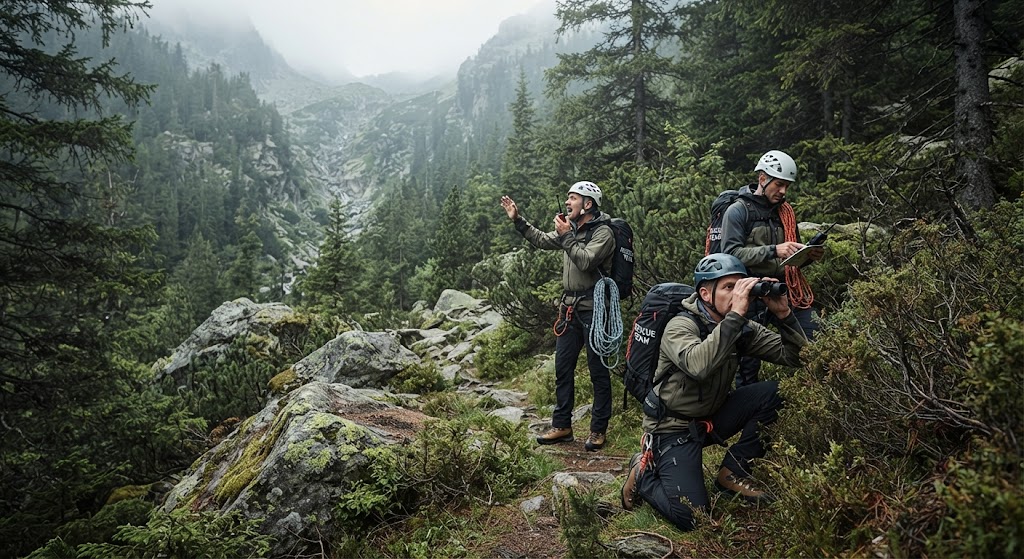
Before an activity, leaders should take time to look beyond the main path and consider what could be hidden by vegetation, darkness, weather or changes in the landscape.
Look at the ground, water, surrounding area, weather, access points and anything the group could come into contact with. Then decide how each hazard will be managed.
What You’ll Learn
In this guide, you will learn how to:
Equipment
No specialist equipment is required.
Useful items for checking an area may include:
Prerequisites
No specialist training is needed for this basic hazard-spotting exercise.
Leaders should familiarise themselves with the activity area before taking a group there and consider the conditions expected on the day.
Instructions
1. Look at the Ground
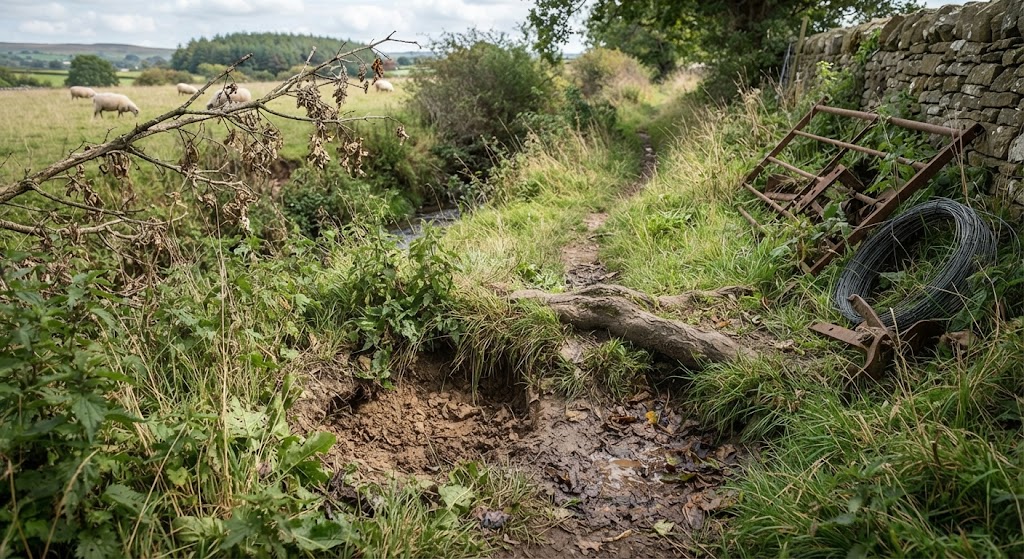
Uneven ground can be hidden by long grass, leaves, mud or darkness.
Look for:
Consider whether the group needs to use a different route.
2. Check Around Water
Water can hide hazards beneath the surface and conditions can change quickly.
Look for rivers, ponds, lakes, ditches and streams.
Consider:
Do not assume shallow-looking water is safe.
3. Look Above You
Some hazards are above head height and can easily be missed.
Check for:
Pay particular attention after strong winds or severe weather.
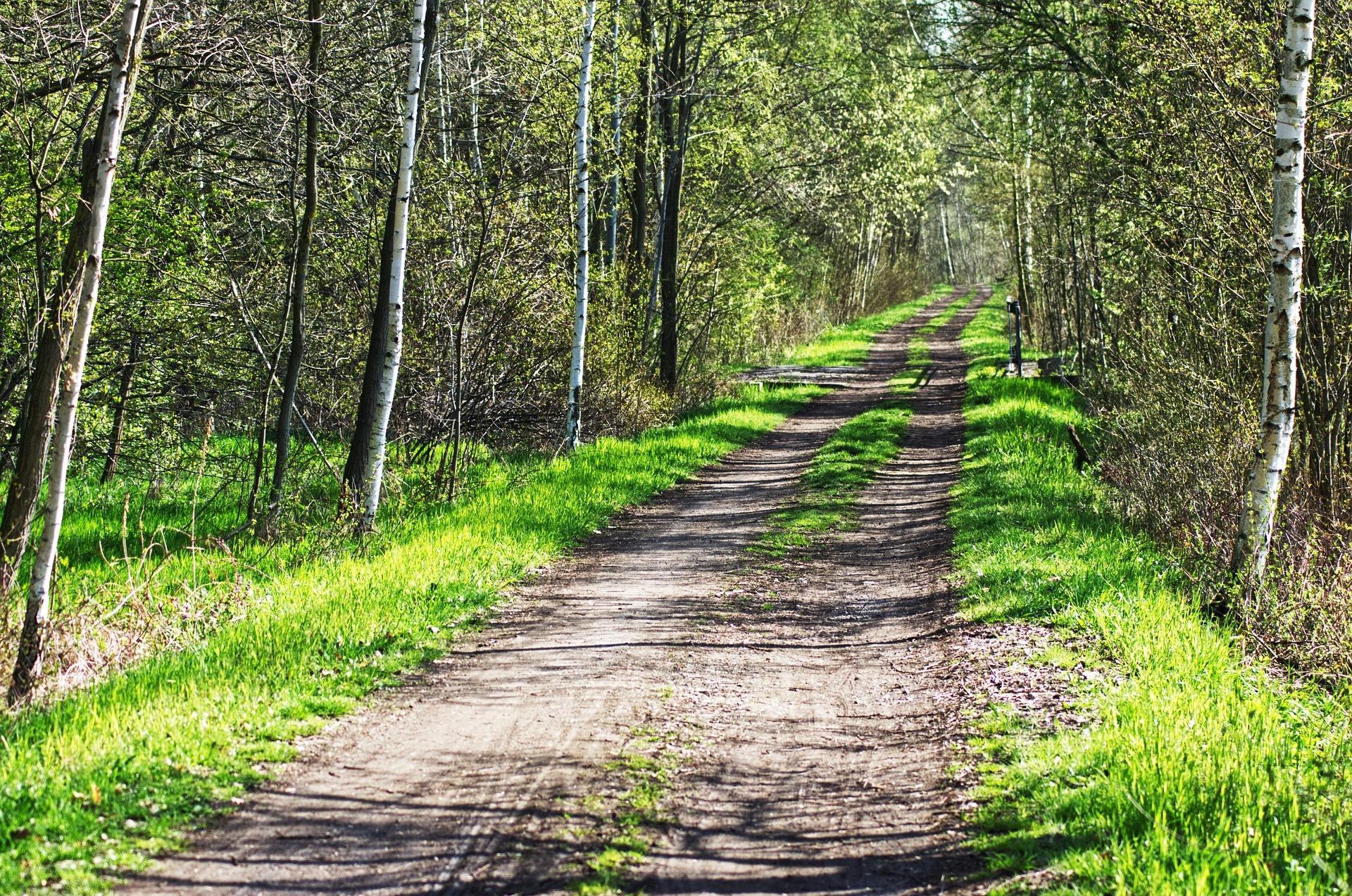
4. Look for Hidden Routes and Drop-Offs
Long grass, bushes and vegetation can hide edges, ditches and steep drops.
Before allowing the group to explore an area, check what lies beyond the visible path.
This is particularly important near cliffs, quarries, steep banks and waterways.
5. Check for Roads and Vehicles
A quiet country lane can still have traffic.
Look at where roads, driveways, farm tracks and entrances cross or run alongside your route.
Consider where the group will stop, cross roads and wait.
6. Watch for Livestock
Fields can contain cattle, sheep, horses and other animals.
Check whether your planned route passes through fields containing livestock and consider how the group should behave.
Keep the group calm, follow appropriate access arrangements and never encourage children to approach or feed animals.
7. Consider Farming Activity
The countryside is a working environment.
You may encounter tractors, trailers, machinery, gates, electric fences and other equipment.
Look carefully before entering fields or using tracks, and keep the group well clear of working machinery.
8. Think About the Weather
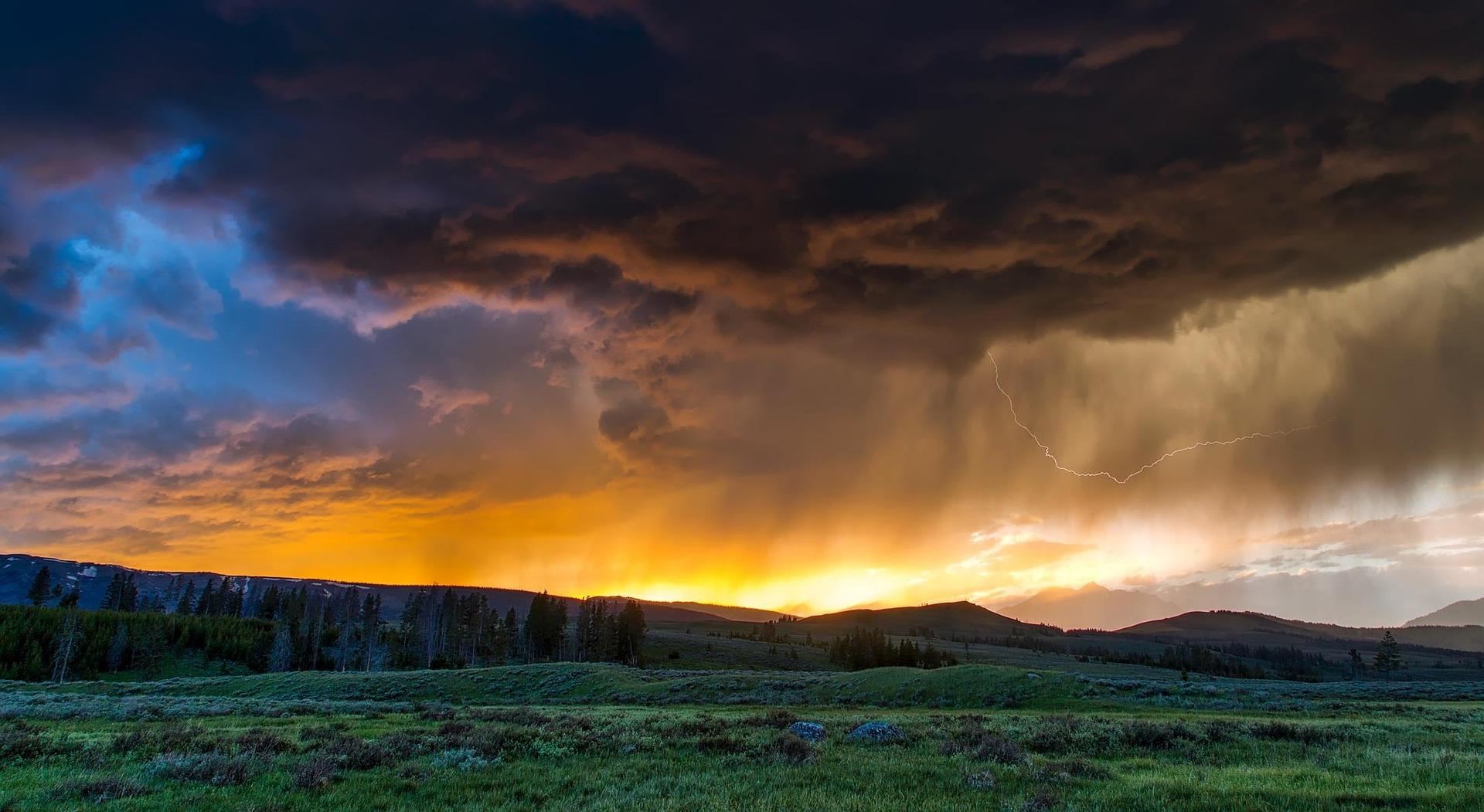
A location that is suitable in dry weather may become much more hazardous after heavy rain, strong winds, snow or ice.
Ask:
“What could change before or during our activity?”
Rain can create mud and slippery ground, while strong winds can increase the risk from trees and branches.
9. Check for Hidden Hazards Before the Activity
If possible, walk the route or activity area before taking the group.
Look at it from the perspective of the people taking part.
Ask yourself:
What could someone trip over?
Where could someone fall?
Could someone wander somewhere unsafe?
Could the weather change the conditions?
What would happen if we needed to leave quickly?
10. Keep Looking During the Activity
Your hazard check does not end when the activity starts.
Conditions can change and new hazards can appear.
Keep an eye on the group, the surroundings and the weather, and be prepared to change the plan if necessary.
Simple Safety Checklist
Before setting off, run through this quick checklist:
If any answer raises a concern, stop and consider whether the activity or route needs to be changed.
Final Tip
One of the best ways to find hidden hazards is to slow down and look at the area from a child’s point of view.
A low branch, small ditch or steep bank that an adult barely notices may be much more significant to a young person.
Before starting, take a few minutes to look up, look down and look around. Those simple checks can reveal hazards that are easy to miss when you are concentrating on the activity itself.
🔒Ready to test your survival skills?
Join Survival Guides UK for free, complete challenges, earn badges and increase your Survival Level.
JOIN FREE →
CRAIG BURR
FOUNDER · SURVIVAL GUIDES UK
I'm Craig, the person behind Survival Guides UK. I created SGUK because I wanted somewhere people could learn real outdoor skills in a practical, straightforward way — from lighting a fire and tying knots to navigation, campcraft and everything in between.
You can read more about the story behind SGUK here as well as our approach here.