Explorer First Aid Activities: Fun Ways to Learn Basic First Aid
First aid is one of the most important skills an Explorer can learn.
An accident can happen during a hike, expedition, camping trip, cooking activity or simply while going about everyday life.
Knowing what to do can make a difficult situation much easier to manage.
At Explorer level, first aid activities can become more realistic and challenging.
Instead of simply learning individual techniques, Explorers can practise assessing situations, communicating clearly, making decisions and knowing when professional help is needed.
The aim isn’t to turn Explorers into medical professionals.
It’s to give them the confidence to respond sensibly when something goes wrong.
⚠️ SAFETY FIRST
First aid activities should be age-appropriate, properly supervised and based on current first aid guidance.
Use role-play and fictional scenarios rather than creating genuine injuries or medical emergencies. Never deliberately restrict someone’s breathing or circulation, and don’t practise dangerous techniques on another person.
CPR practice should use an appropriate training manikin where possible. Follow current Scouts safety, safeguarding and first aid guidance, and use appropriately qualified instruction where required.
1. Emergency Response Challenge
Give Explorers a fictional emergency.
For example:
“You’ve come across someone who has collapsed on a walking trail. What do you do?”
Don’t immediately give them the answer.
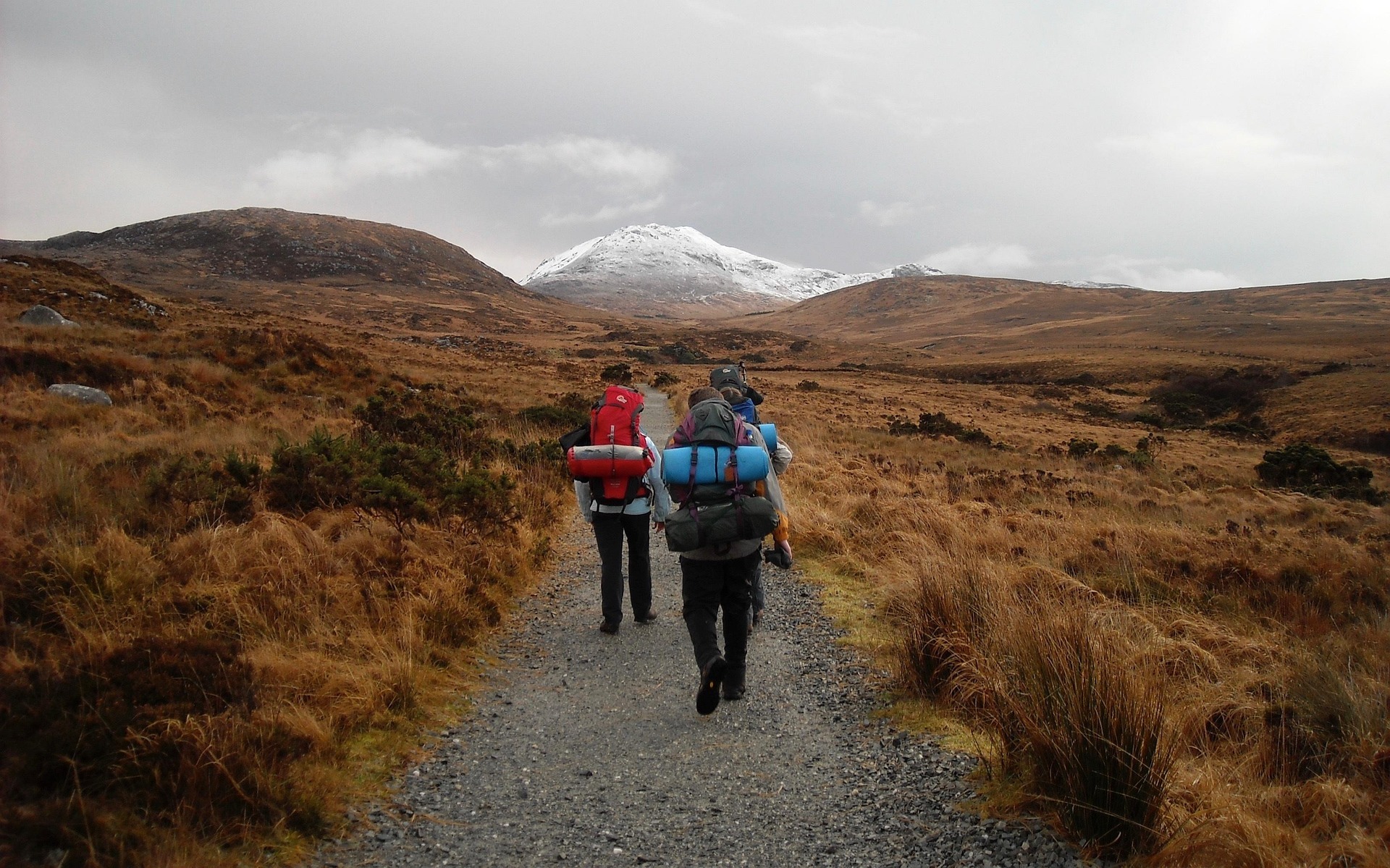
Ask them to work through the situation.
What are the hazards?
Is it safe to approach?
What help is needed?
Who should contact emergency services?
What information should be communicated?
The objective is to develop a calm and logical response.
2. 999 Call Challenge
Practise making an emergency call through role-play.
One Explorer acts as the caller while another acts as the emergency call handler.
The caller needs to explain what has happened, where they are and what condition the casualty appears to be in.
They should practise answering questions rather than trying to rush through the call.
Use fictional locations and scenarios.
Never make a real emergency call as part of an activity.
3. First Aid Kit Investigation
Give Explorers a selection of first aid equipment.
Ask them to identify the items and discuss what they might be used for.
You could include:
Bandages.
Dressings.
Plasters.
Gloves.
Foil blankets.
Scissors.
Tape.
Then ask:
“Which of these would you want on a remote hike?”
This can lead naturally into expedition preparation.
4. Build a First Aid Kit
Give each Patrol a fictional activity.
For example:
A day hike
A weekend camp
A cycling trip
A remote expedition
Ask them to design a suitable first aid kit.
They need to explain why they’ve selected particular items.
The challenge is not to create the biggest kit.
It’s to understand what equipment might be appropriate for the activity.
5. What Would You Do?
Give Explorers short scenarios.
“Someone has fallen and injured their ankle.”
“Someone has a deep cut.”
“Someone feels very unwell during a hike.”
“Someone has been burned while cooking.”
Ask them what they would do first.
Then ask:
“What would you do next?”
This encourages Explorers to think in terms of priorities rather than memorising isolated procedures.
6. Recovery Position Practice
Teach the recovery position using current first aid guidance and appropriate supervision.
Explain why positioning can help an unconscious person who is breathing normally.
Allow Explorers to practise carefully.
Also explain that an unresponsive person who isn’t breathing normally requires emergency action and CPR rather than simply being placed in the recovery position.
7. CPR Awareness
Introduce CPR as an emergency skill.
Where possible, use training manikins and instruction from an appropriately trained person.
Explorers can learn how to recognise when CPR may be required, how to get emergency help and the importance of following emergency instructions.
CPR should never be practised by compressing another Explorer’s chest.
8. Severe Bleeding Scenario
Create a fictional scenario involving serious bleeding.
Don’t use realistic wounds or fake blood if this could cause distress.
Ask Explorers:
“What would you do?”
Discuss personal protection, getting emergency help and applying appropriate first aid within their training.
This is also a good opportunity to reinforce the importance of gloves and avoiding unnecessary contact with blood.
9. Burns Challenge
Create a fictional cooking accident.
“Someone has accidentally burned themselves while preparing food at camp.”
Ask Explorers to explain their response.
This can reinforce appropriate first aid for burns and help correct common myths about what should and shouldn’t be put on a burn.
Don’t create simulated burns using hot objects.
10. Choking Scenario
Use discussion rather than physically demonstrating choking.
Give Explorers a scenario involving someone who suddenly cannot breathe properly while eating.
Ask what they would do and when they would seek emergency help.
This can be an important lesson in recognising the difference between a minor problem and a serious emergency.
Never practise choking on another person.
11. Heat Illness Scenario
Give Explorers a realistic outdoor situation.
“During a summer hike, someone becomes confused, extremely hot and unwell.”
Ask them to consider:
Where should the person be taken?
What environmental factors matter?
Who needs to know?
When might emergency assistance be required?
This combines first aid with weather awareness and expedition planning.
12. Cold Exposure Scenario
Create a winter camping scenario.
“After spending a long time outside in cold, wet conditions, someone becomes increasingly cold and starts behaving unusually.”
Ask Explorers what they would do.
This provides an opportunity to discuss prevention, recognising deterioration and getting appropriate help.
13. Sprains and Strains Challenge
Create a fictional hiking scenario.
“Someone twists their ankle on uneven ground and can’t comfortably continue walking.”
Ask Explorers to consider both the injury and the environment.
Should the person continue?
How can the group get help?
What information should be communicated?
This demonstrates that outdoor first aid isn’t simply about treating an injury.
It’s also about deciding what happens next.
14. Blister Prevention Challenge
Give Explorers a fictional expedition scenario.
“One member of your group develops a painful blister halfway through the day.”
Ask:
What might have caused it?
How could it have been prevented?
What should the group consider before continuing?
This introduces the important idea that prevention is part of first aid.
15. First Aid Myth Buster
Give Explorers common first aid statements and ask whether they’re safe.
For example:
“Put butter on a burn.”
“Give an unconscious person a drink.”
“Keep walking on an injured ankle so it doesn’t stiffen.”
“A person who has fainted should immediately be given food.”
Ask Explorers to decide before discussing the current recommended approach.
This can be a memorable way to replace outdated advice.
16. Spot the Hazard
Set up a fictional campsite or expedition scene.
Include hazards such as:
An unstable cooking area.
Poorly stored equipment.
A trip hazard.
A blocked route.
Unsafe positioning of equipment.
Ask Explorers to identify the problems.
The lesson is simple:
Preventing an accident is better than treating one.
17. Outdoor First Aid Scenario
Take a first aid scenario outdoors.
For example:
“Your group is halfway through a hike when one person becomes injured.”
Explorers need to think about the casualty, the terrain, weather, communication and getting help.
This is much closer to the decisions they may eventually face during real expeditions.
18. Lost and Injured Scenario
Give Explorers a fictional situation:
“A member of your group has become injured and you’re no longer sure exactly where you are.”
Ask them to think about both problems.
How can they establish their location?
How can they communicate it?
Should the group move?
Who needs to know?
This combines first aid with navigation and emergency planning.
19. First Aid Relay
Create several safe activity stations.
One could involve identifying equipment.
Another could involve an emergency call.
Another could involve a fictional casualty scenario.
Another could involve recovery position practice.
Another could involve identifying hazards.
Patrols move around the stations and complete each challenge.
20. Emergency Decision Tree
Give Explorers a fictional emergency and several possible actions.
For example:
“You find an unresponsive person.”
Ask what happens next.
Then introduce another piece of information.
“They are breathing normally.”
What changes?
Then another:
“They are not breathing normally.”
What should happen now?
This teaches Explorers to assess and reassess rather than follow one fixed script.
21. First Aid Communication Challenge
Give one Explorer a fictional emergency.
They have to explain the situation to another Explorer without showing them the scenario card.
The second Explorer must work out what has happened and decide what information would be important to pass on.
This develops clear communication under pressure.
22. Expedition First Aid Planning
Give Explorers a proposed expedition route.
Ask them to consider what first aid and emergency preparations they need.
Where is the first aid equipment?
How can they summon help?
Where are the access points?
What hazards are likely?
What should they do if the weather changes?
This connects first aid with expedition planning.
23. First Aid Leadership Challenge
Give an Explorer responsibility for running a short first aid activity for the rest of the Patrol.
They might explain first aid equipment, run a scenario or lead a discussion.
The leader remains responsible for safety and accuracy.
This gives Explorers an opportunity to practise leadership as well as first aid.
24. The Changing Scenario
Start with a straightforward fictional emergency.
Then introduce new information every few minutes.
“The casualty has become less responsive.”
“The weather has changed.”
“Your planned route is blocked.”
“You cannot get a phone signal.”
Explorers need to reconsider their plan.
This demonstrates that emergency situations can change and that good first aid involves continuous assessment.
25. The Explorer First Aid Challenge
Finish with a larger scenario combining several skills.
A Patrol discovers a fictional casualty during an outdoor activity.
They need to:
Assess the situation.
Identify hazards.
Get appropriate help.
Communicate their location.
Provide suitable first aid within their training.
Monitor the casualty.
Adapt if the situation changes.
Explain what happened afterwards.
The objective isn’t to see who knows the most techniques.
It’s to see whether Explorers can stay calm, communicate and make sensible decisions.
Teach the Priorities
First aid can seem complicated when there are lots of different injuries and illnesses to remember.
Keep returning to the fundamentals.
Protect yourself.
Check the situation.
Get help.
Give appropriate first aid.
Monitor the casualty.
Know your limits.
Explorers don’t need to know everything.
They need to know what they can safely do and when they need someone with more training.
Make First Aid Realistic Without Making It Distressing
Good scenarios don’t need fake blood or elaborate acting.
A simple description can create plenty of decision-making.
“You’re on an afternoon hike when someone falls on a rocky path. They are conscious but can’t put weight on one leg.”
Ask the Patrol what they would do.
Then introduce another problem.
“The injured person is becoming increasingly cold while you’re waiting for help.”
Suddenly, the Patrol has to think about more than the original injury.
That’s where first aid becomes a genuine problem-solving activity.
Combine First Aid With Other Explorer Skills
First aid works particularly well alongside other parts of the Explorer programme.
Navigation can help Explorers communicate their location.
Camping teaches emergency preparation.
Cooking introduces burns and cuts.
Hiking introduces environmental hazards.
Expeditions create realistic decision-making situations.
Leadership gives Explorers opportunities to organise and support others.
These connections make first aid feel like a genuine outdoor skill rather than a standalone badge requirement.
Encourage Prevention
First aid isn’t only about responding after something happens.
Ask Explorers:
“How could we have prevented this?”
A blister might have been prevented through better footwear.
A cooking burn might have been prevented through better organisation.
Heat illness might be reduced through appropriate planning.
A navigation emergency might be avoided through better route preparation.
Learning to identify risks before they become emergencies is one of the most valuable skills an Explorer can develop.
Know When to Get Help
Explorers should never feel that they have to deal with every emergency themselves.
Some situations require professional medical assistance.
A good first aider recognises when the situation is beyond their training and gets appropriate help.
That isn’t failure.
It’s good judgement.
Final Thoughts
First aid activities can be some of the most useful sessions an Explorer takes part in.
Make them practical.
Give Explorers problems to solve.
Let them practise communication.
Give them opportunities to use first aid equipment safely.
Challenge them to think about the environment as well as the casualty.
And, most importantly, teach them that staying calm and getting appropriate help are just as important as knowing individual techniques.
🩹 THE BIG IDEA
Good first aid starts with good decisions.
Stay safe.
Assess the situation.
Get help.
Help within your training.
Keep reassessing.The goal isn’t to make Explorers medical experts.
It’s to help them become calmer, better prepared and more capable when something goes wrong.
🔒Ready to test your survival skills?
Join Survival Guides UK for free, complete challenges, earn badges and increase your Survival Level.
JOIN FREE →
CRAIG BURR
FOUNDER · SURVIVAL GUIDES UK
I'm Craig, the person behind Survival Guides UK. I created SGUK because I wanted somewhere people could learn real outdoor skills in a practical, straightforward way — from lighting a fire and tying knots to navigation, campcraft and everything in between.
You can read more about the story behind SGUK here as well as our approach here.