Scouts Cooking Activities: Fun Outdoor Food Ideas
Cooking outdoors is one of the most useful skills Scouts can develop.
It’s practical, creative and gives young people the chance to take genuine responsibility for planning and preparing food.
A Scout cooking activity doesn’t have to mean a complicated recipe or an impressive campfire.
Sometimes the most valuable lesson is learning how to plan a meal, organise equipment, work safely and clean up afterwards.
As Scouts become more experienced, cooking can develop into a much more independent part of camping and expedition skills.
⚠️ SAFETY FIRST
Outdoor cooking should always be properly planned, risk assessed and appropriately supervised.
Take particular care with fires, stoves, boiling water, hot cookware, knives and food hygiene. Scouts should only use equipment appropriate to their age, experience and the activity.
Check allergies and dietary requirements before cooking. Teach Scouts to wash their hands, keep raw and cooked foods separate and cook food thoroughly.
Follow the current Scouts safety guidance and any relevant food safety requirements.
1. Design a Camping Menu
Start with the planning rather than the cooking.
Give Scouts a fictional camping weekend and ask them to design the menu.
They need to consider breakfast, lunch, dinner and snacks.
Then ask:
What ingredients do we need?
How will the food be stored?
What cooking equipment is required?
How much waste will there be?
This turns cooking into a genuine campcraft exercise.
2. One-Pot Meal Challenge
One-pot meals are particularly useful for camping because they can simplify equipment and washing up.
Give Patrols a selection of suitable ingredients and challenge them to create a simple meal.
The focus should be on planning, preparation and safe cooking rather than producing something elaborate.
3. Campfire Cooking
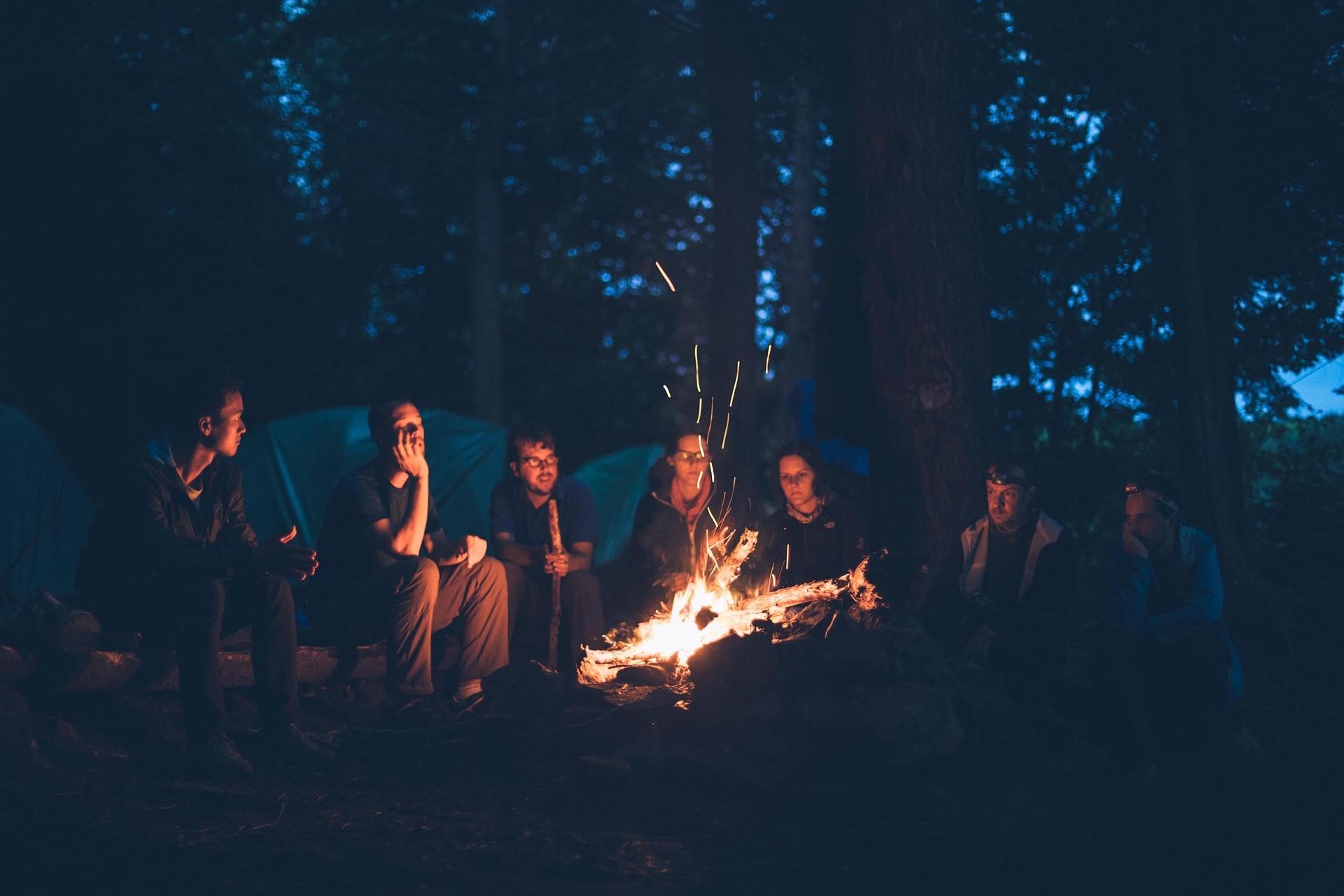
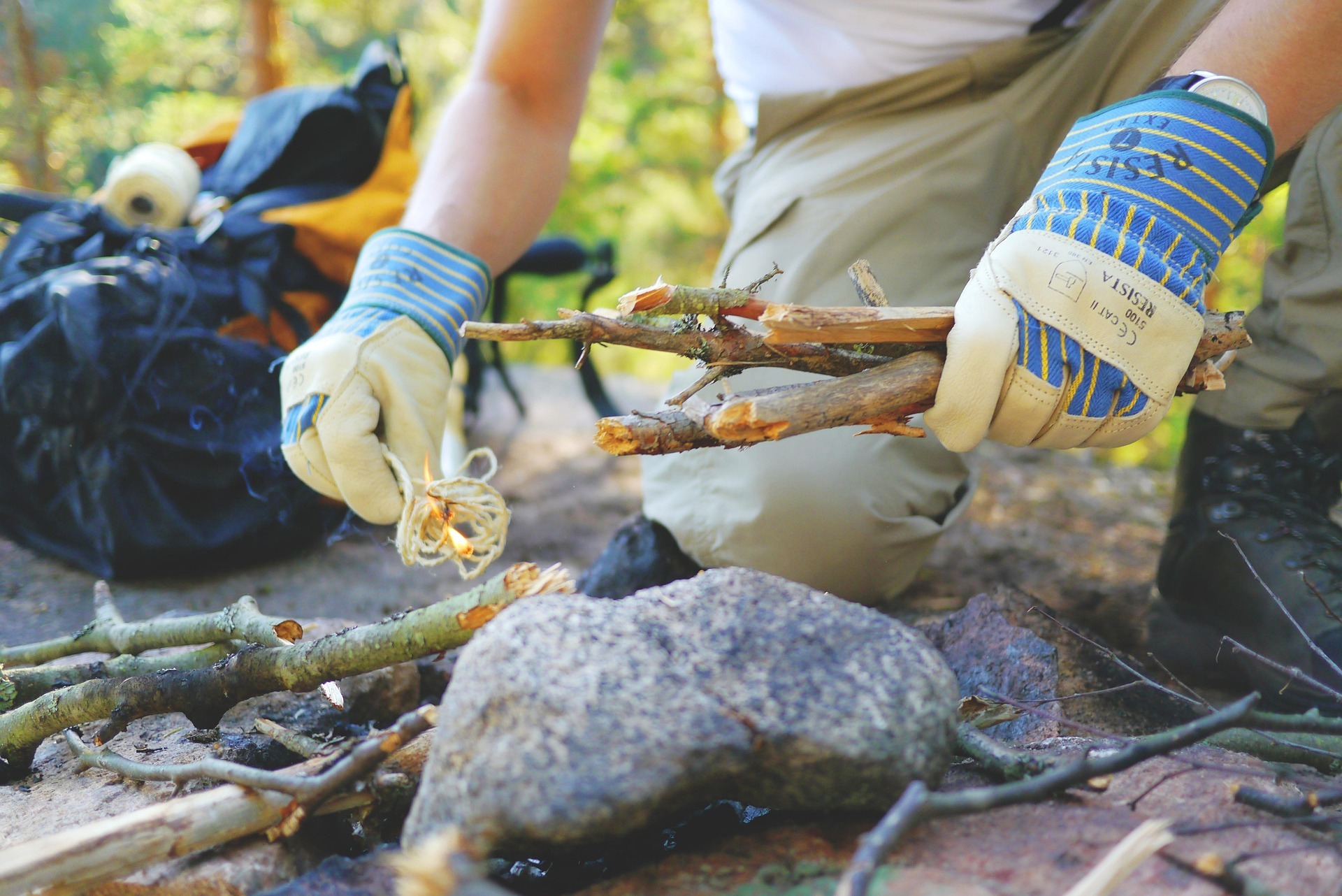
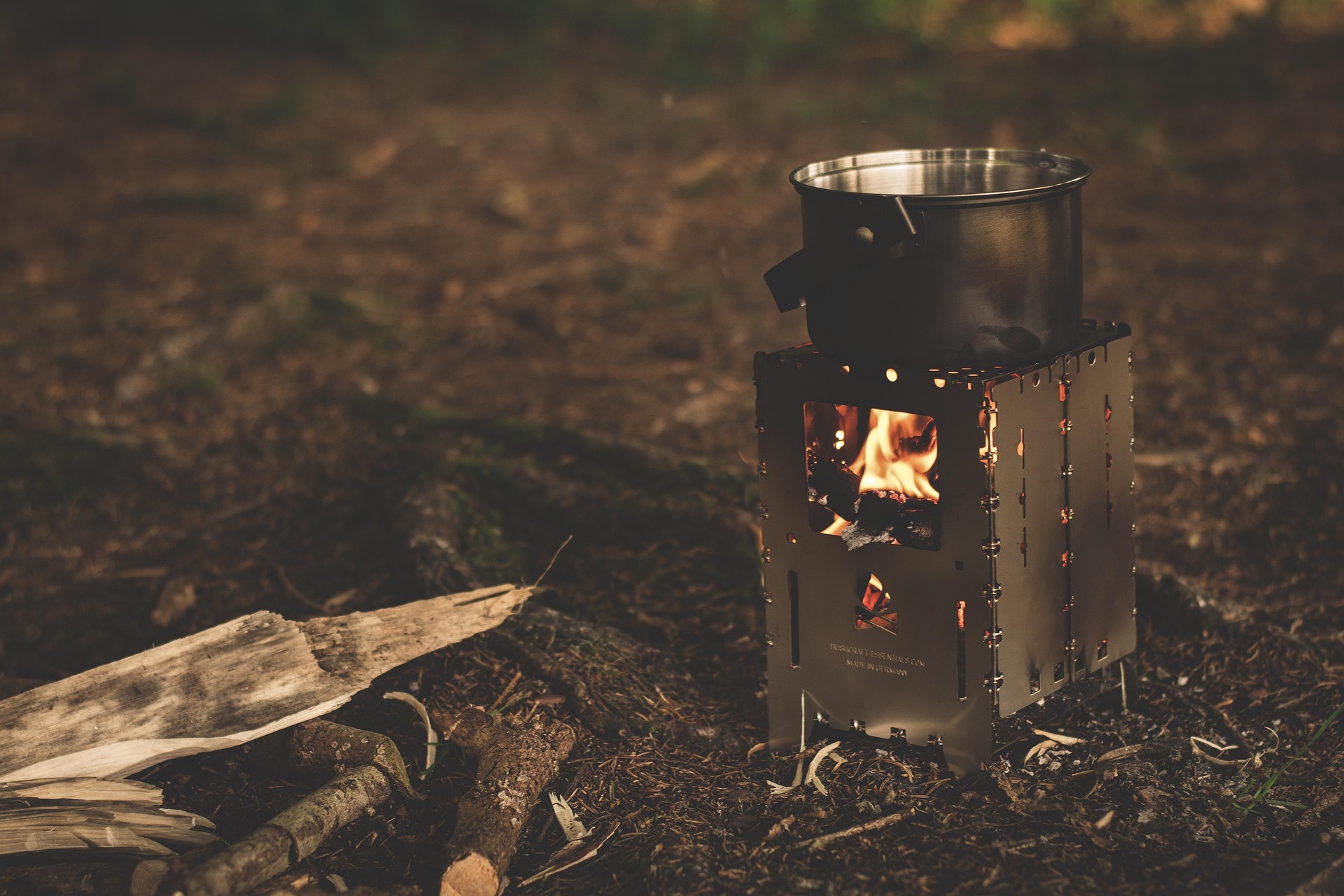
With a properly prepared cooking fire and appropriate supervision, Scouts can learn how to cook safely using campfire heat.
This could involve simple foods or a more substantial meal.
Scouts should learn that a cooking fire isn’t simply a normal campfire with food placed over it.
They need to understand heat control, safe positioning and the importance of keeping cooking equipment stable.
4. Cooking With Embers
Introduce Scouts to the idea that cooking doesn’t always require large flames.
A suitable bed of hot embers can provide steady heat for some types of outdoor cooking.
This is also a useful opportunity to reinforce fire safety.
Embers remain extremely hot and should never be handled directly.
5. Backwoods Cooking
Backwoods cooking can be an excellent way for experienced Scouts to develop their outdoor cooking skills.
Depending on the activity and equipment available, Scouts might explore traditional methods such as cooking with suitable foil parcels, skewers or other appropriate setups.
Fire, sharp tools and hot food all require careful supervision and risk management.
Backwoods cooking is also included among the activities recognised within the Scouts Outdoors Challenge Award.
6. Camp Breakfast Challenge
Breakfast is a great opportunity to practise outdoor cooking.
Give Patrols a set of ingredients and ask them to plan a simple breakfast.
They need to think about cooking times.
What needs to be cooked first?
What can be prepared while something else is cooking?
How will everything stay warm?
This introduces useful kitchen organisation skills.
7. Outdoor Pizza
Give Scouts suitable bases and a selection of toppings.
They can design their own pizzas and cook them using an appropriate outdoor oven or cooking setup.
For a challenge, give each Patrol a limited selection of ingredients and ask them to create something original.
8. Foil Parcel Challenge
Foil parcels can make a simple outdoor cooking activity.
Give Patrols suitable ingredients and ask them to prepare their own parcel.
The cooking itself should be managed with appropriate supervision, particularly when handling hot foil and equipment.
Make sure the food is cooked thoroughly before eating.
9. Camp Kitchen Challenge
Give each Patrol responsibility for organising a temporary outdoor kitchen.
They need to decide where appropriate equipment should go and how to keep the area organised.
Discuss why cooking areas need to be kept separate from sleeping areas and how good organisation can make cooking safer and easier.
10. Food Hygiene Challenge
Turn food safety into a practical game.
Give Scouts a series of fictional situations.
“Raw chicken has been placed next to cooked food.”
“Someone has forgotten to wash their hands.”
“A chilled ingredient has been left out for too long.”
Ask Scouts to identify the problem and explain what should happen.
This is a useful way to teach food hygiene without deliberately creating unsafe conditions.
11. Cook With a Limited Equipment List
Give each Patrol a recipe and a deliberately restricted equipment list.
They need to decide how to prepare the meal with what they have.
This encourages Scouts to think ahead and understand what each item of equipment actually does.
12. Rucksack Food Challenge
Ask Scouts to plan food for a full day’s hike.
The food needs to be:
Practical
Appropriate for the activity
Easy to carry
Suitable for the conditions
They should also consider how the food will be stored and what rubbish they will produce.
This is particularly useful before an expedition.
13. Lightweight Expedition Cooking
Introduce Scouts to the idea of reducing cooking equipment and food weight for longer journeys.
Ask Patrols to design a lightweight evening meal.
They should consider:
Weight
Packaging
Cooking time
Fuel requirements
Nutritional value
Waste
This links naturally with expedition planning.
14. Recipe Rescue
Give Scouts a recipe containing a fictional mistake.
Perhaps there’s an ingredient missing.
Perhaps the quantities are wrong.
Perhaps the recipe requires equipment that isn’t available.
Can they adapt the plan?
The aim is to teach flexibility and problem-solving.
15. Cook From a Budget
Give Patrols a fictional camping food budget.
They need to plan meals without exceeding it.
This introduces another real-world aspect of cooking.
Good outdoor cooking isn’t just about making tasty food.
It’s about making sensible decisions with the resources available.
16. Food From Around the World
Choose a country or region and prepare a suitable dish inspired by its cuisine.
Scouts can research where the food comes from and how it is traditionally prepared.
This can combine cooking with culture and geography.
17. Blind Taste Challenge
Prepare suitable foods and ask Scouts to identify them by taste, smell or texture.
You can compare different varieties of the same food.
Always check allergies and dietary requirements beforehand and make sure the activity is appropriate for everyone taking part.
18. Camp Dessert Challenge
Give Patrols a selection of ingredients and challenge them to create a simple outdoor dessert.
It could be cooked using an appropriate outdoor cooking setup or prepared without cooking.
Judge the results on:
Taste
Presentation
Teamwork
Planning
Food safety
19. Cooking Without Fire
Not every outdoor cooking activity needs flames.
Challenge Scouts to prepare a meal or snack using no-cook ingredients.
This is particularly useful for hikes and expeditions where carrying cooking equipment isn’t practical.
It also reinforces the idea that outdoor cooking is about food planning, not simply fire.
20. Cooking Time Challenge
Give Patrols several dishes that need to be prepared within a set period.
They need to work out the order in which tasks should happen.
Which ingredient should be prepared first?
Which part takes the longest?
What can be done while something else cooks?
This teaches time management and teamwork.
21. Camp Washing-Up Challenge
Cooking isn’t finished when everyone has eaten.
Challenge Patrols to clean their equipment efficiently.
They should consider:
Water use
Food waste
Cleaning equipment
Waste disposal
Keeping the campsite tidy
A good camp cook leaves the cooking area ready for the next meal.
22. Emergency Meal Planning
Give Scouts a fictional scenario.
“Your planned meal can’t be cooked because your equipment isn’t available.”
What could you do instead?
Perhaps ingredients can be prepared another way.
Perhaps the meal can be changed.
Perhaps a no-cook alternative is available.
The point is to develop backup planning.
23. Cooking for a Group
Cooking for several people is very different from cooking for yourself.
Give Scouts responsibility for planning a simple meal for their Patrol.
They need to consider quantities, preparation time, equipment and serving.
This is a good opportunity to discuss allergies and dietary requirements.
24. The Camp Kitchen Manager
Give one Scout an appropriate leadership role during a cooking activity.
Their job is to help organise the team, make sure everyone knows what they’re doing and keep the preparation moving.
Rotate the role so different Scouts get the opportunity.
This combines cooking with leadership.
25. The Ultimate Scout Cooking Challenge
Bring everything together.
Give Patrols a simple camping scenario.
They need to:
Plan a meal.
Choose ingredients.
Work out the equipment required.
Organise their cooking area.
Prepare the food.
Cook it safely.
Serve it.
Clean up.
The finished meal is only one part of the challenge.
The real achievement is successfully managing the whole process.
Teach Scouts to Think Like Camp Cooks
The most useful questions aren’t always:
“What are we cooking?”
Instead, ask:
“What do we need?”
“How are we going to cook it?”
“What could go wrong?”
“How will we keep the food safe?”
“What happens if our plan doesn’t work?”
These questions encourage Scouts to think independently.
Cooking and the Scouts Awards
Outdoor cooking can naturally support the Scouts programme.
The Outdoors Challenge Award includes outdoor cooking and activities such as backwoods cooking, menu planning and leading cooking activities.
Cooking can also contribute to broader skills such as teamwork, leadership, planning and personal development.
The aim should still be to provide a good activity first and allow the relevant award requirements to follow naturally.
Give Scouts More Responsibility
Scouts are capable of taking on meaningful responsibilities when activities are appropriately planned and supervised.
Let them choose recipes.
Let them calculate quantities.
Let them organise equipment.
Let them plan cooking times.
Let them lead parts of the activity.
Adults should retain responsibility for safety and intervene whenever necessary.
The objective is supported independence.
Don’t Forget the Food
Outdoor cooking should still produce food that people actually want to eat.
Encourage Scouts to think about:
Taste
Texture
Nutrition
Variety
Presentation
But remember that the most complicated meal isn’t necessarily the best camping meal.
A simple meal that is easy to prepare, safe to cook and enjoyable to eat can be far more useful outdoors.
Final Thoughts
Cooking activities are an excellent way to help Scouts become more capable outdoors.
They can learn to plan meals, manage equipment, work as a team, cook safely and adapt when things don’t go according to plan.
Start with simple activities.
Then gradually give Scouts more responsibility.
Before long, they can move from following recipes to planning and managing their own outdoor meals.
🍳 THE BIG IDEA
Good outdoor cooking is about more than making food.
Plan it.
Prepare it.
Cook it safely.
Work together.
Adapt when necessary.
Clean up afterwards.Those are the skills that turn cooking from a fun camp activity into a genuine outdoor skill.
🔒Ready to test your survival skills?
Join Survival Guides UK for free, complete challenges, earn badges and increase your Survival Level.
JOIN FREE →
CRAIG BURR
FOUNDER · SURVIVAL GUIDES UK
I'm Craig, the person behind Survival Guides UK. I created SGUK because I wanted somewhere people could learn real outdoor skills in a practical, straightforward way — from lighting a fire and tying knots to navigation, campcraft and everything in between.
You can read more about the story behind SGUK here as well as our approach here.