Scout First Aid Activities: Fun Ways to Learn Basic First Aid
First aid is one of the most valuable skills Scouts can learn.
It’s practical, useful and potentially life-saving.
But first aid doesn’t have to be taught entirely through demonstrations and worksheets.
Scouts can learn by practising communication, recognising hazards, working through scenarios and thinking about what they would do in an emergency.
The best activities make Scouts think, communicate and practise safely.
⚠️ SAFETY FIRST
First aid activities should be age-appropriate, properly supervised and based on current first aid guidance.
Use role-play rather than creating genuine injuries or medical emergencies. Don’t ask Scouts to practise techniques on one another where doing so could cause harm.
CPR practice should use appropriate training manikins where available. Never deliberately restrict someone’s breathing or circulation, and don’t simulate serious injuries in a way that could cause distress.
Leaders should follow current Scouts safety and safeguarding guidance and use appropriately qualified first aid instruction where required.
1. Emergency Response Challenge
Give Scouts a fictional emergency scenario.
“You find someone who appears to be injured. What do you do first?”
Ask them to work through the situation.
They should think about their own safety, the scene, getting help and communicating clearly.
The objective isn’t to memorise a complicated procedure.
It’s to develop the habit of stopping, thinking and assessing the situation before rushing in.
2. Calling 999 Challenge
Practise making an emergency call using role-play.
One Scout can act as the caller while another acts as the emergency call handler.
The caller should practise explaining:
What has happened
Where they are
How many people are involved
What condition the person appears to be in
They can also practise staying calm and answering questions.
Use fictional locations and scenarios rather than making real emergency calls.
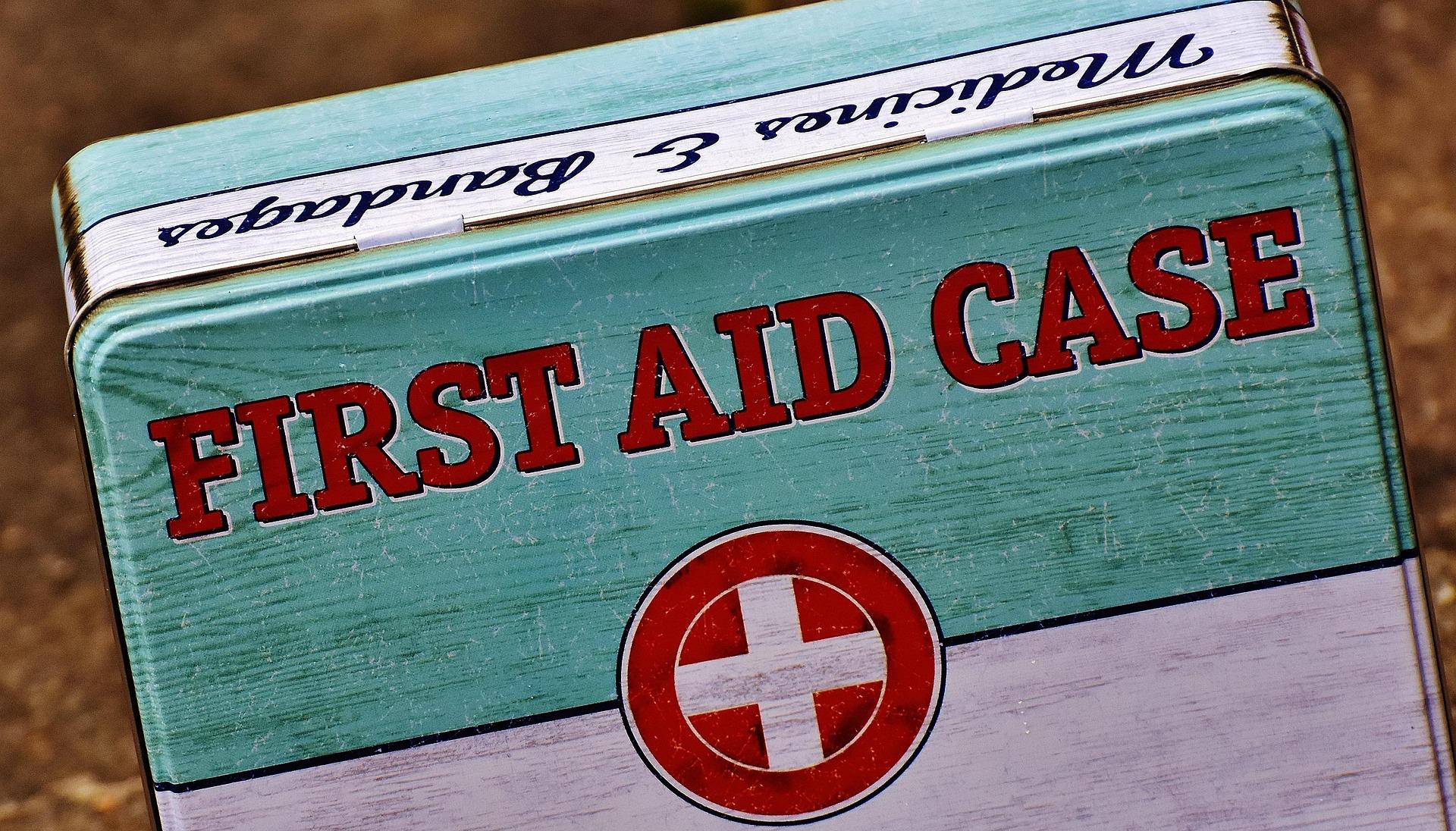
3. First Aid Kit Challenge
Give Scouts a selection of first aid equipment.
Can they identify what the different items are for?
You could include:
Bandages.
Plasters.
Dressings.
Gloves.
Foil blankets.
Scissors.
Wipes.
Then discuss which items might be useful in different situations.
4. What’s Wrong?
Create cards describing fictional situations.
For example:
“Someone has fallen and has a painful ankle.”
“Someone has a small cut.”
“Someone feels dizzy after walking in hot weather.”
Ask Scouts what they think might be happening and what their first actions should be.
The emphasis should be on recognising the situation and getting appropriate help, rather than diagnosing medical conditions.
5. Bandage Practice
Use suitable training materials or a willing participant where appropriate to practise applying a simple bandage.
Keep the activity gentle.
Scouts should learn that a bandage needs to be appropriate for the situation and that circulation must not be unnecessarily restricted.
For serious bleeding or other emergencies, Scouts should know when to get immediate adult or emergency help rather than trying to manage the situation alone.
6. Recovery Position Practice
Teach Scouts about the recovery position using an appropriate demonstration and supervised practice.
Explain that it can help maintain an open airway in an unresponsive person who is breathing normally.
Practise slowly and carefully.
Make sure Scouts understand that an unresponsive person who isn’t breathing normally requires emergency action and CPR rather than simply being placed in the recovery position.
7. CPR Awareness
CPR can be introduced to Scouts in an age-appropriate way.
Where possible, use training manikins and instruction from someone appropriately trained.
Teach the key idea:
If someone is unresponsive and not breathing normally, get emergency help and start CPR as instructed.
Scouts should understand that CPR is a serious emergency skill and not something to practise on another person.
8. Bleeding Scenario
Create a fictional scenario involving a bleeding injury.
Don’t use realistic wounds.
Give Scouts the situation and ask:
“What would you do?”
They can discuss getting help, protecting themselves from blood and applying appropriate first aid if trained to do so.
The activity can also reinforce the importance of gloves and hand hygiene.
9. Burns Scenario
Give Scouts a fictional scenario involving a burn.
Ask them to identify the safest immediate response.
This is a good opportunity to discuss why some traditional home remedies should not be used.
Avoid asking Scouts to create simulated burns or use hot objects during the activity.
10. Choking Scenario
Use a discussion-based scenario rather than physically demonstrating choking on another person.
Ask Scouts what they would do if someone suddenly couldn’t breathe properly while eating.
Discuss recognising a serious choking emergency, getting help and following appropriate first aid guidance.
Never practise choking techniques on another person.
11. Heat and Cold Scenarios
Give Scouts fictional outdoor scenarios.
“Someone becomes confused and very hot during a summer hike.”
“Someone becomes very cold and starts behaving unusually during a winter activity.”
Ask Scouts what warning signs they might notice and what they should do.
This can link naturally to outdoor planning and weather awareness.
12. First Aid Relay
Create several safe first aid stations.
One could involve identifying equipment.
Another could involve making an emergency call.
Another could involve deciding what to do in a scenario.
Another could involve putting a fictional casualty in the appropriate position.
Scouts move between stations in small teams.
13. First Aid Myth Buster
Give Scouts common first aid myths and ask whether they are true.
For example:
“Put butter on a burn.”
“Give an unconscious person something to drink.”
“A person who has fainted should immediately be given food.”
Ask Scouts to decide whether each statement is safe before revealing the answer.
This is an excellent way to replace outdated advice with modern first aid principles.
14. Spot the Hazard
Set up a fictional outdoor scene with obvious hazards.
Perhaps there’s a trailing cable.
A hot cooking area.
An unstable object.
A poorly stored tool.
Ask Scouts:
“What could cause an accident here?”
Then discuss how preventing an accident is part of first aid and outdoor safety.
15. First Aid Communication Game
One Scout receives a fictional emergency scenario.
They have to explain the situation to their team without using certain key words.
The team needs to work out what has happened and what action is required.
It encourages clear communication under pressure.
16. Outdoor First Aid Scenarios
Take first aid into an outdoor setting.
Create fictional scenarios involving:
A twisted ankle.
A minor cut.
A blister.
Heat illness.
Cold exposure.
A fall.
Scouts need to think about both the first aid problem and the environment around the casualty.
A useful question is:
“Is the person safe where they are?”
17. Lost Hiker Scenario
Create a fictional scenario where someone has become separated from their group.
Ask Scouts what information they would need before deciding what to do.
This can combine first aid, communication, navigation and emergency planning.
18. First Aid Bag Packing
Give Scouts a selection of equipment and ask them to create a first aid kit suitable for a particular activity.
For example:
A day hike
A campsite
A cycling trip
An expedition
They need to explain why they’ve chosen each item.
The activity teaches preparation rather than simply reacting to accidents.
19. First Aid Decision Tree
Create a simple series of fictional decisions.
“You find someone who has collapsed.”
What do you check first?
“They are unresponsive.”
What should happen next?
“They aren’t breathing normally.”
What should you do?
This helps Scouts understand that first aid involves making decisions in an order rather than randomly trying different techniques.
20. Teach the Teacher
Give each Scout a simple first aid topic.
They could prepare a short explanation about:
How to summon help.
What belongs in a first aid kit.
How to prevent accidents.
What to do if someone becomes unwell.
Then let them explain it to the rest of the group.
Teaching someone else is a powerful way to reinforce their own understanding.
21. First Aid Scavenger Hunt
Place safe, fictional scenario cards around an activity area.
Each card presents a problem.
Scouts find a card, discuss the safest response and record their answer before moving on.
It turns first aid into an active outdoor activity without creating real medical risks.
22. Emergency Planning Challenge
Give Scouts a fictional camping scenario.
Ask them to plan what they would do if someone became injured.
They need to think about:
Who raises the alarm?
Where is the first aid kit?
Who knows the location?
How would emergency services reach the site?
What information would they provide?
This shows that good first aid begins with preparation.
23. First Aid Team Challenge
Give each Scout a role in a fictional emergency.
One person is the first aider.
One contacts help.
One keeps other people away from the scene.
One gathers equipment.
Then swap roles.
This demonstrates that emergencies are easier to manage when people communicate and work together.
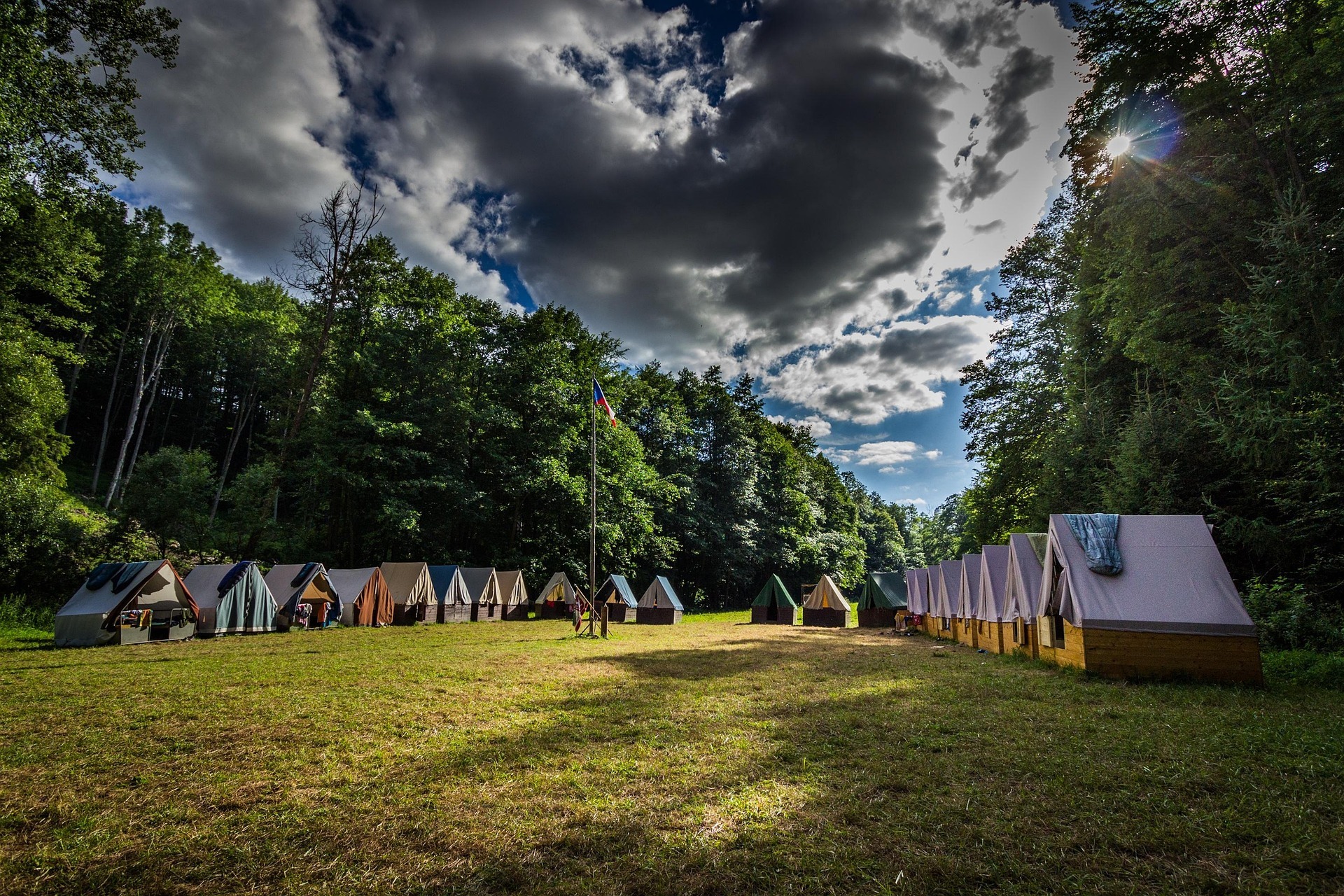
24. First Aid at Camp
Use the campsite as the setting for fictional scenarios.
A Scout trips near the tents.
Someone gets a minor cut while preparing food.
Someone feels unwell during a hike.
Someone becomes too cold during an evening activity.
Keep every scenario fictional and allow Scouts to focus on recognising the problem and responding safely.
25. The Big First Aid Challenge
Finish with a multi-stage scenario.
Scouts discover a fictional casualty.
They must first consider scene safety.
Then identify what help is required.
They communicate the emergency.
They retrieve suitable equipment.
They provide appropriate first aid within their training.
Finally, they explain what happened to the leader or emergency services.
The aim isn’t to see who can perform the most techniques.
It’s to see whether Scouts can stay calm, communicate and make sensible decisions.
Teach First Aid as a Skill, Not a Test
First aid isn’t about remembering every possible injury.
It’s about developing good habits.
Stay safe.
Assess the situation.
Get help.
Give appropriate first aid.
Keep monitoring the casualty.
Know when the situation is beyond your training.
Those principles are more useful than trying to memorise dozens of complicated procedures.
Make Scenarios Realistic — Without Making Them Distressing
A good scenario should make Scouts think.
It doesn’t need fake blood, realistic injuries or dramatic acting.
A simple statement can be enough:
“You’ve found someone who has fallen on a walking trail and says they can’t put weight on one leg.”
That’s enough information for Scouts to begin making decisions.
Keep scenarios appropriate for the age group and be mindful that some young people may have personal experience of medical emergencies.
Connect First Aid With Outdoor Skills
First aid becomes particularly useful when combined with other Scout skills.
Navigation teaches Scouts how to describe their location.
Camping teaches them how to prepare an emergency plan.
Cooking introduces burns and cuts.
Hiking introduces slips, trips and environmental hazards.
Weather awareness helps them recognise changing conditions.
This makes first aid part of a wider outdoor safety skillset.
Don’t Encourage Scouts to Take Unnecessary Risks
First aid training should never become an excuse for deliberately creating dangerous situations.
Don’t ask Scouts to:
Run into a dangerous area.
Approach a fire.
Enter unsafe water.
Move a potentially seriously injured person unnecessarily.
Practise dangerous techniques.
The first rule is always to protect yourself and others from further harm.
Final Thoughts
First aid activities can be some of the most memorable sessions in Scouting.
The trick is to make them practical without making them dangerous.
Use scenarios.
Ask questions.
Practise communication.
Explore first aid equipment.
Let Scouts make decisions.
And give them plenty of opportunities to think about how they would respond to an emergency.
The goal isn’t to turn Scouts into paramedics.
It’s to help them become calmer, more prepared and more confident when something goes wrong.
🩹 THE BIG IDEA
Good first aid starts before the injury happens.
Know the risks.
Know where to get help.
Stay calm.
Protect yourself.
Help within your training.Those are skills every Scout can carry with them wherever their adventures take them.
🔒Ready to test your survival skills?
Join Survival Guides UK for free, complete challenges, earn badges and increase your Survival Level.
JOIN FREE →
CRAIG BURR
FOUNDER · SURVIVAL GUIDES UK
I'm Craig, the person behind Survival Guides UK. I created SGUK because I wanted somewhere people could learn real outdoor skills in a practical, straightforward way — from lighting a fire and tying knots to navigation, campcraft and everything in between.
You can read more about the story behind SGUK here as well as our approach here.