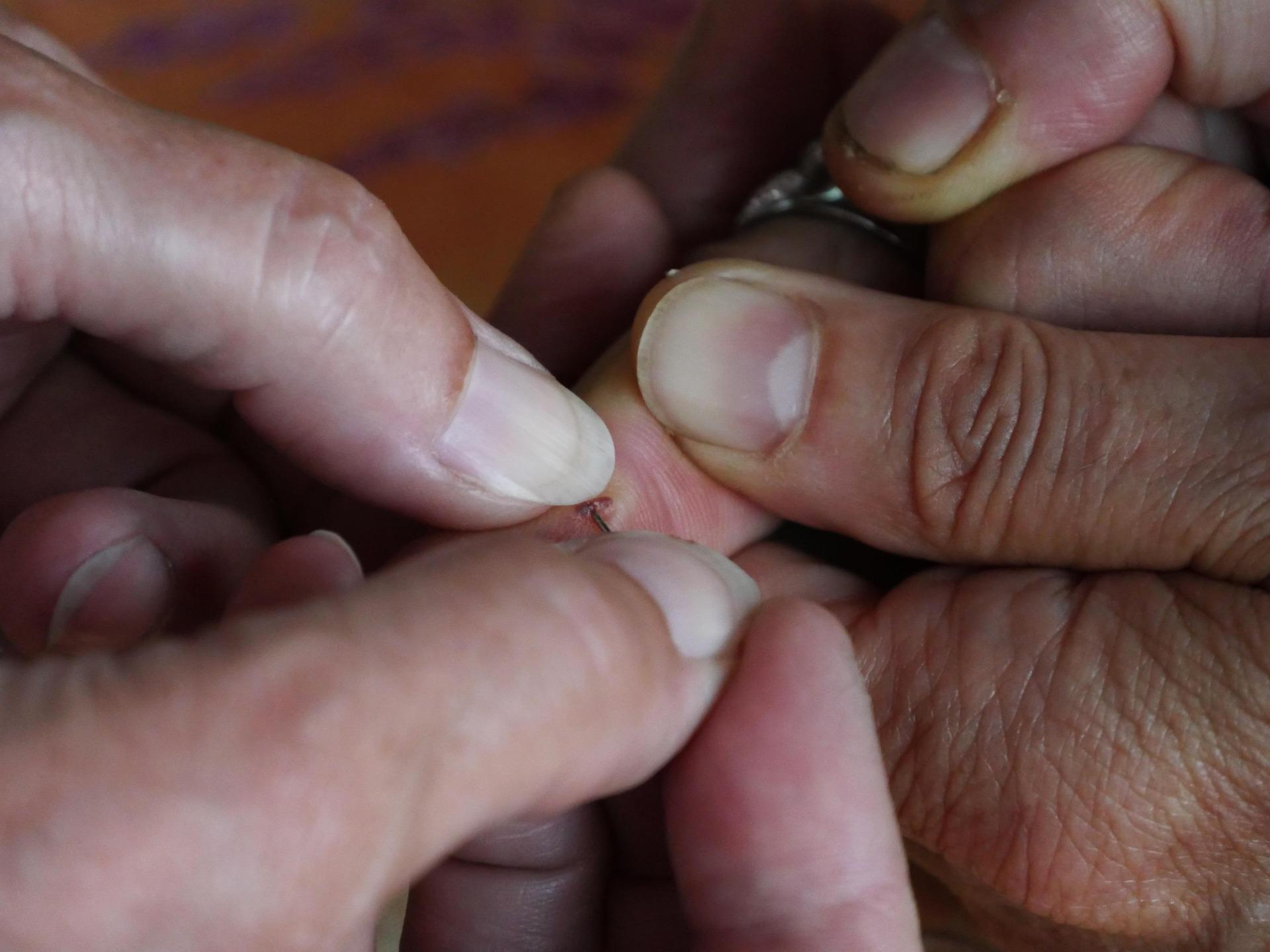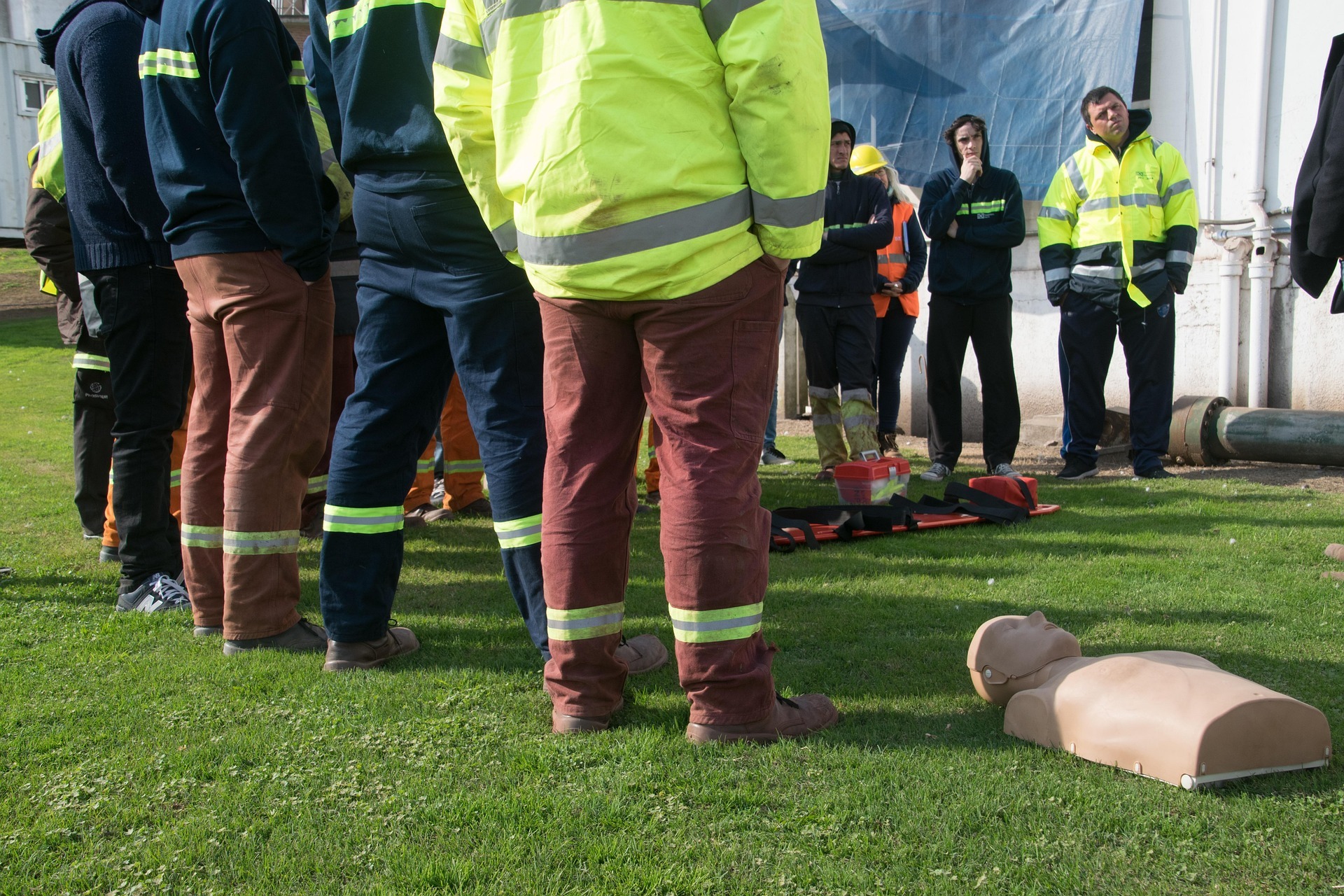
Burns: What to Do Outdoors
⚠️ SAFETY FIRST
A burn can be more serious than it initially appears.
If someone has been badly burned, is having difficulty breathing, has extensive or deep burns, or the burn involves the face, hands, genitals or major joints, seek urgent medical help.
For a fresh burn, the priority is generally to remove the person from danger and cool the burn with cool running water. Don’t use ice, butter, creams or other household remedies on a fresh burn.
This article is for general first-aid education and does not replace appropriate first-aid training or medical advice.
Burns: What to Do Outdoors
Burns are one of the injuries that outdoor groups should be prepared for.
Campfires, camping stoves, barbecues, hot cooking equipment and boiling water can all cause burns.
Even a small accident can result in a painful injury.
The good news is that basic first aid for burns is straightforward, provided you know what to do.
The most important thing to remember is:
Cool the burn with cool running water as soon as possible.
What Causes Burns Outdoors?
There are several common causes of burns during outdoor activities.
Campfires
Someone may accidentally touch hot equipment, fall against the edge of a fire area or come into contact with hot embers.
Camping stoves
Stoves and their cookware can become extremely hot.
Hot water
Boiling water used for drinks or cooking can cause serious scalds.
Cooking
Hot pans, grills, ovens and cooking equipment can all cause burns.
Hot surfaces
Metal equipment can remain hot for a considerable time after a fire or stove has been extinguished.
Sun exposure
Sunburn is also a type of burn, although the first aid and prevention considerations are somewhat different from those for a thermal burn.
🔥 LEADER TIP
“The fire is out” doesn’t necessarily mean everything is cool.
Ashes, embers, cookware, metal fire grates and stones can remain dangerously hot after visible flames have disappeared.
The First Thing to Do
If someone has suffered a burn, think about safety before first aid.
1. Stop the source of the burn
Move the person away from the heat or danger if you can do so safely.
Don’t put yourself at risk trying to rescue someone from a dangerous fire.
2. Remove jewellery and restrictive items
If safe to do so, remove items such as:
- Rings
- Watches
- Bracelets
- Tight clothing
Do this before swelling develops.
However, don’t pull away anything that is stuck to the skin.
3. Cool the burn
Hold the affected area under cool running water for at least 20 minutes.
This is one of the most important steps in treating a fresh burn.
How to Cool a Burn Outdoors
This can be more challenging when you’re camping.
You may not have a tap immediately available.
If running water isn’t available, use whatever safe source of clean, cool water you have available while arranging proper first aid.
The aim is to cool the affected area rather than making the person cold.
If possible, continue cooling with cool running water for 20 minutes.
💧 REMEMBER
Cool water — not ice.
Ice can damage the skin and may make the injury worse.
What Should You NOT Put on a Burn?
There are lots of traditional home remedies for burns.
Don’t use them.
Avoid putting things such as:
- Ice
- Butter
- Cooking oil
- Toothpaste
- Creams
- Flour
- Grease
- Adhesive dressings directly onto the burn
These aren’t appropriate treatments for a fresh burn.
The priority is:
Cool the burn.
Then protect it and assess whether medical help is needed.
What About Burn Blisters?
Burns can blister.
If a blister develops:
Don’t deliberately burst it.
The skin provides a natural protective barrier.
If a blister breaks accidentally, protect the area appropriately and seek medical advice if necessary.
Covering the Burn
Once the burn has been cooled, it can be protected with a suitable sterile, non-fluffy dressing or appropriate burn dressing.
A clean, non-stick covering can help protect the injury from dirt and further irritation.
Don’t wrap a dressing tightly around a swollen area.
If you aren’t sure what dressing to use, follow the advice provided in your first-aid training or seek medical assistance.
🩹 OUTDOOR FIRST-AID KIT
For groups spending time around fires and cooking equipment, consider including appropriate burn dressings in the first-aid kit.
Leaders should know where the first-aid kit is kept and how to use the equipment inside it.
When Is a Burn Serious?
Not every burn requires an ambulance, but some burns need urgent medical assessment.
Seek urgent medical help for burns that are:
- Large or extensive
- Deep
- White, charred or leathery
- Causing significant swelling
- On the face
- On the hands
- Around major joints
- On the genitals
- Circumferential around a limb
- Associated with difficulty breathing
- Caused by electricity
- Caused by chemicals
- Associated with significant smoke inhalation
Also seek medical advice if you’re unsure about the severity of a burn, particularly when the injured person is a child.
What About Children?
Children can be particularly vulnerable to burns and scalds.
A relatively small amount of hot liquid can cause a significant injury to a child.
If a child suffers a burn, take it seriously and seek medical advice when appropriate.
For Scout leaders, it’s important to follow your organisation’s first-aid procedures and safeguarding arrangements.
Don’t assume that a burn is minor simply because the affected area looks small.
Electrical Burns
Electrical injuries are different from ordinary contact burns.
The electricity can cause internal injuries that aren’t immediately visible.
If someone has suffered an electrical burn:
Don’t touch them while they’re still in contact with the electrical source.
Make sure the power source is safely disconnected before approaching.
Then assess the casualty and seek appropriate medical assistance.
Electrical injuries should receive medical assessment even if the external burn appears relatively minor.
Chemical Burns
Chemical burns require particular care.
The priority is to remove the person from the source and prevent further exposure, while following appropriate emergency guidance.
Brush off dry chemicals carefully if appropriate before flushing, but don’t put yourself at risk of exposure.
Remove contaminated clothing where safe to do so.
Flush the affected area thoroughly with plenty of water and seek medical assistance.
If a chemical has entered someone’s eye, treat it as an emergency and begin flushing with clean water while arranging urgent medical help.
🧪 IMPORTANT
Don’t attempt to neutralise a chemical burn with another chemical.
You could create another hazardous reaction or cause additional injury.
Burns From Campfires
Campfires are one of the most obvious outdoor sources of burns.
A few simple precautions can dramatically reduce the risk.
Establish a clear fire area
Everyone should know where they can and cannot go.
Keep seating at a sensible distance
People shouldn’t need to lean over flames to reach the fire.
Keep loose clothing away
Scarves, loose sleeves and other clothing can catch fire.
Keep children supervised
Young people shouldn’t be allowed to play around fires.
Keep hot equipment identifiable
Don’t leave hot pans, tools or other equipment somewhere someone might accidentally touch them.
Extinguish fires properly
Don’t assume a fire is safe simply because the flames have disappeared.
Burns From Camping Stoves
Camping stoves can cause both burns and fires.
Before using one:
And remember that fuel containers themselves can present additional hazards.
What If Clothing Catches Fire?
This is an emergency.
If someone’s clothing catches fire, they need to be prevented from running around, because movement can feed the flames.
The commonly taught principle is:
Stop, drop and roll.
Once the flames are out, cool any burns with cool running water and seek appropriate medical assistance.
If you’re working with young people, this is something worth teaching before a fire-related activity takes place.
A Simple Burn First-Aid Sequence
For a straightforward thermal burn, remember:
1. Remove
Remove the person from the source of heat.
2. Cool
Cool the burn with cool running water for at least 20 minutes.
3. Remove jewellery
Take off rings, watches and similar items if they aren’t stuck.
4. Cover
Protect the burn with a suitable sterile, non-fluffy dressing.
5. Assess
Consider the size, depth and location of the burn.
6. Get help
Seek medical assistance when the burn is serious or you’re unsure about it.
🧠 EASY TO REMEMBER
REMOVE → COOL → COVER → CHECK
Get away from the heat, cool the injury, protect it and check whether further medical help is needed.
What Should Be in a Scout First-Aid Kit?
A first-aid kit for an outdoor group should be appropriate for the activities being undertaken.
Depending on the group and activity, useful supplies can include:
- Sterile dressings
- Non-adherent dressings
- Bandages
- Plasters
- Disposable gloves
- Sterile wipes
- Appropriate burn dressings
- Scissors
- First-aid tape
The exact contents should be based on your risk assessment, activities, group size and first-aid arrangements.
Preventing Burns Outdoors
The best treatment for a burn is not getting burned in the first place.
Before lighting a fire or stove, consider:
Where is it?
Is it in a suitable location?
Who is nearby?
Could someone accidentally walk into it?
What’s the weather doing?
Could wind spread flames or embers?
What’s around it?
Are there tents, dry vegetation or other combustible materials nearby?
How will it be extinguished?
Do you have the appropriate means to put it out?
What happens afterwards?
Have you allowed equipment to cool before packing it away?
Teaching Scouts About Burns
Burn first aid can make an excellent short activity during a wider outdoor skills session.
Ask Scouts:
“You’ve just burned your hand on a hot pan. What’s the first thing you do?”
Then work through the answer.
You can also give them scenarios:
Scenario 1
Someone touches a hot cooking pan.
What do you do?
Scenario 2
Someone spills boiling water on their leg.
What changes?
Scenario 3
Someone’s sleeve catches fire.
What do you do?
Scenario 4
A Scout has a burn but is reluctant to tell anyone.
Why is it important to speak up?
This helps turn first aid into a practical decision-making skill.
Common Mistakes to Avoid
❌ Putting ice on the burn
Use cool running water instead.
❌ Applying butter or toothpaste
These aren’t appropriate treatments for a fresh burn.
❌ Removing stuck clothing
Don’t pull material that’s adhered to the skin.
❌ Breaking blisters
Leave them intact.
❌ Ignoring a burn because it looks small
Severity isn’t determined by size alone.
❌ Forgetting about jewellery
Remove rings and similar items early if safe.
❌ Assuming an extinguished fire is cold
Hot embers and equipment can remain dangerous.
❌ Trying to be a hero
Don’t put yourself at risk to rescue someone from a fire or other dangerous situation.
Fire Safety and First Aid Go Together
For Scout leaders, burns are a good reminder that fire safety and first aid shouldn’t be treated as completely separate subjects.
Before a campfire activity, think about:
What could go wrong?
How are we preventing it?
What would we do if someone was burned?
Where is the first-aid kit?
Who is responsible for first aid?
How would we get additional help?
Having these answers before something happens is much better than trying to work them out during an emergency.
Final Thoughts
Burns are a realistic risk around campfires, camping stoves and outdoor cooking, but good preparation can significantly reduce the chances of an accident becoming serious.
For Scouts and outdoor groups, the key lessons are simple:
Keep fires controlled.
Keep people at a safe distance.
Treat hot equipment with respect.
Know where the first-aid kit is.
And if someone does suffer a burn:
Cool it with cool running water for at least 20 minutes.
Don’t rely on old-fashioned remedies.
Don’t underestimate a serious-looking injury.
And when in doubt, get medical help.
🔥 THE BIG IDEA
Fire safety prevents burns. First aid limits the damage when they happen.
Every outdoor group that uses fires, stoves or cooking equipment should understand both.
🔗 Related Survival Guides UK Articles
- First Aid Basics: What to Do When Someone Is Injured
- Fire Safety
- Fire Maintenance
- Extinguishing Fires
- 10 Fire Safety Games for Scouts
🔒Ready to test your survival skills?
Join Survival Guides UK for free, complete challenges, earn badges and increase your Survival Level.
JOIN FREE →
CRAIG BURR
FOUNDER · SURVIVAL GUIDES UK
I'm Craig, the person behind Survival Guides UK. I created SGUK because I wanted somewhere people could learn real outdoor skills in a practical, straightforward way — from lighting a fire and tying knots to navigation, campcraft and everything in between.
You can read more about the story behind SGUK here as well as our approach here.