
Explorers Badges Explained: A Guide for Parents and Leaders
A QUICK NOTE FOR PARENTS
Explorer Scouts have opportunities to earn badges and awards by developing skills, taking on challenges, helping others and getting involved in adventures and activities.
Badges aren’t simply rewards for being the best. They recognise achievement, learning, participation and personal development.
The Explorer programme and badge requirements can change, so always check the latest information from The Scouts when looking for current requirements.
What Are Explorer Scout Badges?
Explorer Scouts are generally aged 14 to 18 and are the section of the Scouts programme aimed at teenagers.
Explorers have the opportunity to take much greater ownership of their Scouting experience.
They can:
- Develop practical skills
- Take on more challenging adventures
- Learn independently
- Develop leadership skills
- Help others
- Work towards qualifications
- Explore new interests
- Take part in expeditions
- Develop outdoor skills
- Take on greater responsibility
Badges and awards can recognise many of these experiences.
For parents and new leaders, however, the Explorer programme can look quite different from the younger sections.
So how do Explorer badges work?
How Do Explorers Earn Badges?
Explorers earn badges and awards by completing the relevant requirements.
Depending on the award, this might involve:
- Learning a new skill
- Developing an existing ability
- Taking part in an activity
- Completing a challenge
- Helping others
- Taking responsibility
- Taking part in an expedition
- Developing a personal interest
- Demonstrating knowledge or competence
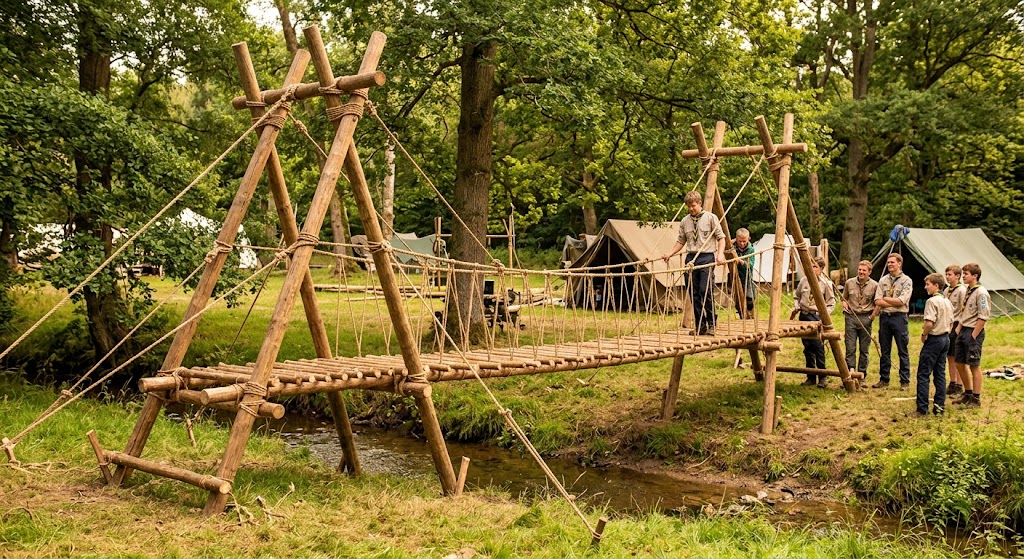
As Explorers are older, there is generally more emphasis on independence and personal responsibility.
Rather than simply following instructions, an Explorer may increasingly be expected to plan, prepare and take ownership of an activity.
🧭 EXPLORERS ARE ABOUT INDEPENDENCE
The Explorer section is an opportunity for young people to move towards adulthood.
Badges and awards can support that development by encouraging Explorers to set goals, learn skills and take responsibility for their own progress.
What Types of Explorer Badges Are There?
The Explorer programme includes different types of badges and awards.
These can include:
Activity Badges
These focus on specific activities, skills, hobbies or interests.
Staged Activity Badges
These allow young people to develop certain skills through progressively more advanced stages.
Challenge Awards
These encourage Explorers to experience a broad range of activities and challenges.
Other Awards and Recognition
The wider Scouts programme also includes awards connected with particular achievements, experiences and progression.
The exact programme can change, so current badge requirements should always be checked against the official Scouts information.
Explorer Activity Badges
Activity badges give Explorers the chance to develop particular interests.
By the time young people reach Explorers, they may already have a good idea of what they enjoy.
They might be interested in:
- Bushcraft
- Camping
- Navigation
- Climbing
- Water sports
- Hiking
- First aid
- Cooking
- Photography
- Science
- Technology
- Sports
- Environmental activities
- Leadership
An activity badge can provide a structured way to develop that interest.
It can also help an Explorer discover something completely new.
Staged Activity Badges
Staged badges are designed around long-term progression.
Instead of learning a skill once, a young person can continue developing it through increasingly challenging stages.
This can be particularly useful for skills such as:
- Navigation
- First aid
- Water activities
- Digital skills
- Emergency skills
- Outdoor activities
A young person might begin developing a skill when they’re younger and continue progressing through the Scouts sections.
This gives them an opportunity to build on previous experience rather than starting again.
🌟 PROGRESSION OVER TIME
One of the strengths of staged badges is that they recognise development.
An Explorer doesn’t have to be an expert immediately.
They can build their skills gradually and take on more challenging requirements as their confidence and ability increase.
Explorer Challenge Awards
Challenge awards encourage Explorers to experience a broad range of activities.
Rather than focusing on one particular skill, they can involve different parts of the programme.
This can encourage Explorers to:
- Try something unfamiliar
- Take on a personal challenge
- Develop practical skills
- Work with others
- Help their community
- Explore the outdoors
- Develop leadership
- Become more independent
The exact requirements should be checked against the current official Explorer programme.
Do Explorers Have to Earn Every Badge?
No.
Explorers don’t need to collect every badge.
The programme offers a wide range of opportunities, and young people can increasingly choose activities that match their own interests and goals.
One Explorer might spend a lot of time developing outdoor skills.
Another might be interested in technology.
Another might focus on leadership.
Another might enjoy adventurous activities.
The programme allows for that variety.
💡 FOR PARENTS
The Explorer years are a good time to encourage young people to take ownership of their interests.
Instead of deciding what they should work towards, ask:
“What would you like to learn?”
“What would you like to be able to do?”
Those questions can lead to much more meaningful goals.
Are Explorer Badges a Competition?
They shouldn’t be.
By the time young people reach Explorers, comparing badge collections can become even less useful.
Different Explorers may have completely different interests and ambitions.
One might have fewer badges because they’ve spent months developing a complex skill.
Another might have collected several badges covering different subjects.
Neither approach is necessarily better.
The important question is:
“What has this Explorer gained from the experience?”
Where Do Explorer Badges Go?
Explorer badges are worn on the Explorer Scout uniform in their appropriate positions.
Different badges have different locations.
If you’re unsure where a particular badge belongs, check the current uniform guidance from The Scouts or speak to the Explorer leader.
Always check before sewing badges onto the uniform.
Can Explorers Work on Badges at Home?
Yes, depending on the particular badge or award, some requirements may be suitable for completing outside Explorer meetings.
This is particularly useful because Explorers are expected to take increasing responsibility for their own development.
An Explorer might:
- Practise a skill
- Research a subject
- Complete a project
- Work on a personal challenge
- Develop a hobby
- Prepare for an expedition
However, the Explorer leader should confirm whether an activity meets the relevant requirements.
Some requirements may need to be demonstrated, assessed or witnessed.
Explorers and Leadership
One of the biggest differences between Explorers and the younger sections is the opportunity to develop leadership skills.
An Explorer might take responsibility for:
- Planning an activity
- Teaching a skill
- Organising equipment
- Leading part of an expedition
- Supporting younger Scouts
- Helping run an event
- Working as part of a leadership team
This can turn badge activities into much more than simply learning a skill.
An Explorer might move from:
“I can do this.”
to:
“I can teach someone else how to do this.”
That’s a significant step.
🏕️ FROM PARTICIPANT TO LEADER
The Explorer section can be where young people begin to discover that leadership isn’t about telling people what to do.
It’s about:
Planning.
Communicating.
Taking responsibility.
Supporting others.
Making good decisions.
Explorer Badges and Outdoor Skills
This is an area where the Explorer programme connects particularly well with outdoor and survival skills.
Explorers are old enough to start developing more advanced practical abilities.
These can include:
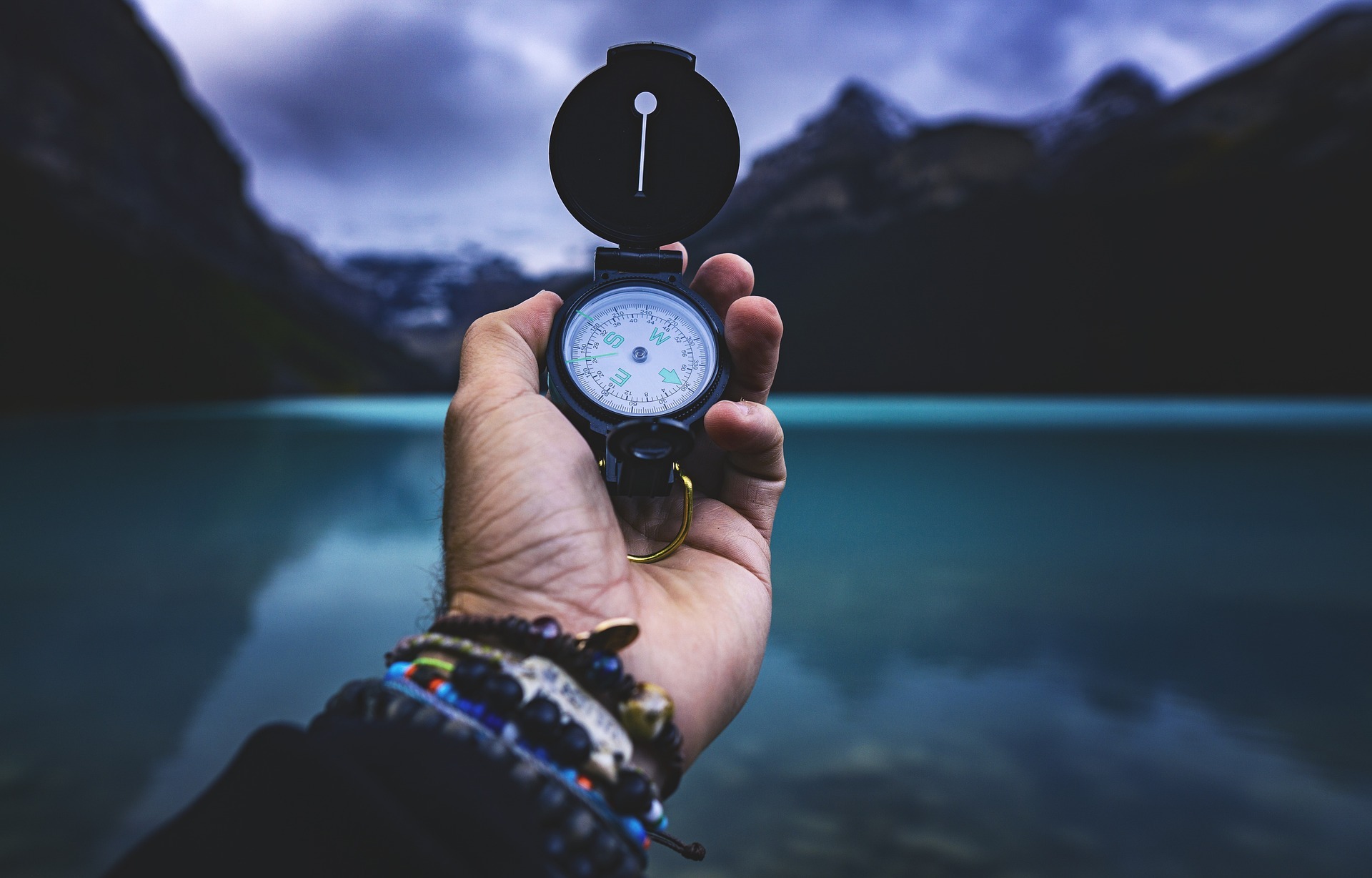
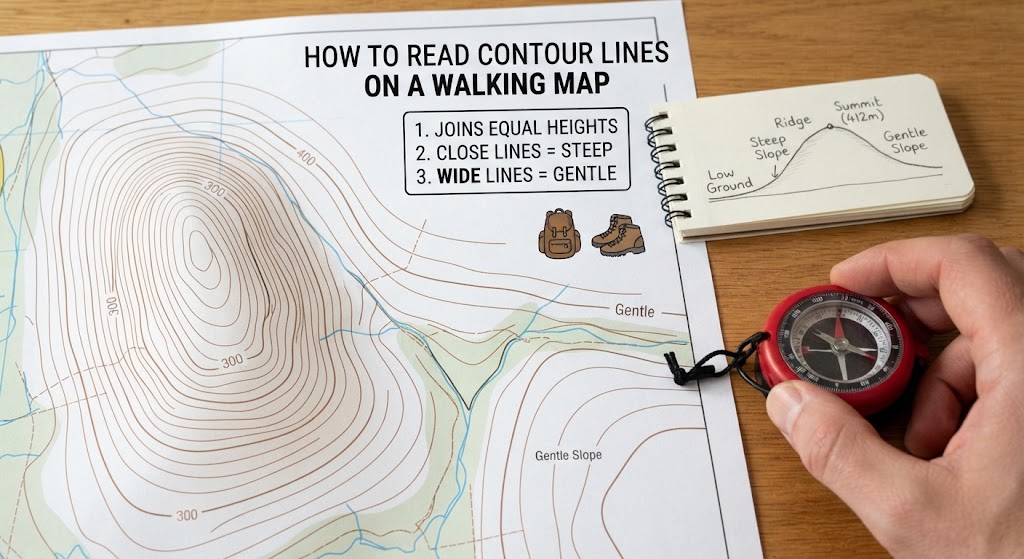
Navigation
Map reading, compass work, bearings, route planning and navigating independently.
Camping
Campcraft, shelter building, cooking and planning outdoor trips.
Fire Skills
Understanding fire safety, fire lays, campfire management and responsible use of fire.
Knots
Learning a wider range of knots and understanding when particular knots are appropriate.
First Aid
Developing the ability to respond appropriately to injuries and emergencies.
Survival Skills
Understanding priorities, shelter, water, warmth, navigation and emergency procedures.
These are skills that can be useful well beyond Scouting.
🧭 SKILLS FOR LIFE
Explorer badges can be a great opportunity to move from learning about a skill to actually becoming confident enough to use it independently.
That’s where the real value of the programme lies.
Why Are Explorer Badges Useful?
They recognise achievement
Explorers can see evidence of the skills and challenges they’ve completed.
They encourage personal goals
A badge can give an Explorer something specific to work towards.
They support independence
Young people increasingly take responsibility for their own development.
They develop confidence
Successfully completing a challenging activity can have a lasting effect on confidence.
They help discover interests
An activity badge may introduce an Explorer to something they later pursue outside Scouting.
They provide memories
Camps, expeditions, challenges and adventures can become some of the most memorable parts of a young person’s teenage years.
Explorer Badges and Personal Development
The teenage years are a time of significant personal development.
Explorers may begin taking on responsibilities that would previously have been handled by adults.
They might:
- Plan their own kit
- Prepare for an expedition
- Organise an activity
- Lead a team
- Teach younger Scouts
- Solve problems independently
- Assess risks
- Make decisions
- Take responsibility for mistakes
Badges can help recognise that progression.
But again, the badge is only the visible part.
The confidence and independence developed along the way are much more important.
What Happens After Explorers?
Explorer Scouts generally continue their journey into the Scout Network after turning 18, or may take on adult volunteering roles.
For some young people, Explorer Scouts may be the point where Scouting becomes something they want to continue throughout adulthood.
They may choose to:
- Continue developing outdoor skills
- Join Scout Network
- Become a volunteer
- Gain leadership experience
- Support younger sections
- Continue adventurous activities
- Develop skills and qualifications
The skills developed during Explorers can therefore become the foundation for a lifelong involvement with Scouting.
What Happens to Explorer Badges at 18?
The Explorer years become part of the young person’s wider Scouting history.
When they move on, the focus naturally changes.
They may continue developing skills through Scout Network or volunteering, but their Explorer programme has provided them with a foundation of experience, confidence and independence.
How Parents Can Support Explorers
By the Explorer years, parents should increasingly be supporting rather than managing.
Useful ways to help include:
- Encourage their interests
- Help with equipment where appropriate
- Ask about their goals
- Encourage independence
- Celebrate achievements
- Support their volunteering
- Encourage them to take responsibility
- Let them solve problems themselves where safe to do so
Instead of:
“Have you finished your badge?”
try:
“What are you working towards?”
or:
“What’s something you’d like to learn this year?”
That helps put the responsibility in the Explorer’s hands.
A Note About Current Badge Requirements
The Scouts programme can change over time.
As a result, old badge lists and requirements found online may no longer be accurate.
For current requirements and programme information, use the official Explorer Scout programme from The Scouts.
This is especially important when planning activities around specific badge requirements.
Frequently Asked Questions
How old are Explorer Scouts?
Explorer Scouts are generally 14 to 18 years old.
Do Explorers get badges?
Yes. Explorers can earn activity badges, staged activity badges, challenge awards and other awards.
Do Explorers have to earn every badge?
No. Explorers can choose activities and challenges that match their interests and development.
Can Explorers work on badges at home?
Some requirements can be completed outside Explorer meetings, depending on the particular badge. Check with the Explorer leader.
Where can I find current Explorer badge requirements?
The official Explorer Scout programme from The Scouts is the best source for current information.
What happens when Explorers turn 18?
They can continue their Scouting journey through Scout Network or become adult volunteers, depending on what they want to do.
Do Explorer badges carry over to Scout Network?
Explorer badges remain part of their Scouting history, while Scout Network provides its own opportunities for development and participation.
How Many Badges Should an Explorer Have?
There is no correct number.
An Explorer might have lots of badges.
Another might have only a few.
That isn’t a problem.
By this age, the quality of the experience matters far more than the number of badges.
An Explorer who spends months learning advanced navigation, developing leadership skills or preparing for a challenging expedition may have gained enormous value from the programme without collecting dozens of badges.
Ask:
What can they do now that they couldn’t do before?
That’s the real measure of progress.
🌟 BEYOND THE BADGE
An Explorer badge might represent:
A new skill.
A difficult challenge.
An expedition.
A leadership opportunity.
A new interest.
A moment when they realised they could do something they didn’t think they could do.
Final Thoughts
Explorer badges are a way of recognising the skills, challenges, adventures and experiences young people take on during their teenage years.
But the Explorer programme can be about much more than earning badges.
It’s an opportunity to become more independent.
To learn practical skills.
To take responsibility.
To lead others.
To discover interests.
And to prepare for life beyond Scouting.
The badge is simply a visible reminder of what happened along the way.
🧭 THE BIG IDEA
Explorer badges aren’t about collecting the most badges.
They’re about developing skills, taking responsibility, challenging yourself and becoming more independent.
🔒Ready to test your survival skills?
Join Survival Guides UK for free, complete challenges, earn badges and increase your Survival Level.
JOIN FREE →
CRAIG BURR
FOUNDER · SURVIVAL GUIDES UK
I'm Craig, the person behind Survival Guides UK. I created SGUK because I wanted somewhere people could learn real outdoor skills in a practical, straightforward way — from lighting a fire and tying knots to navigation, campcraft and everything in between.
You can read more about the story behind SGUK here as well as our approach here.