Advanced Survival Skills for Explorers
⚠️ SAFETY FIRST
Advanced survival activities should only be attempted with appropriate adult supervision, planning and risk assessment. Activities involving fire, water, tools, remote terrain or exposure to weather require particular care.
Survival training should develop good decisions and safe habits, not encourage young people to deliberately put themselves into dangerous situations.
Explorer Scouts are at an age where survival activities can become much more challenging.
They can start putting individual skills together rather than learning them in isolation.
Instead of simply learning how to tie a knot, they can decide which knot is appropriate.
Instead of simply following a compass bearing, they can plan a route.
Instead of simply building a shelter, they can decide where and why to build it.
This makes survival training much more interesting.
The aim isn’t to create a situation where young people genuinely have to survive.
It’s to give them the knowledge and decision-making skills that could help them respond sensibly if something went wrong outdoors.
1. Navigation Without Being Led
Explorers should gradually become comfortable taking responsibility for navigation.
Give a team a suitable map and a planned route.
Rather than walking at the front and telling them where to go, let them make the decisions.
Ask them to identify:
Where they are.
Where they’re going.
Which route they’re taking.
What features they’ll use to confirm their position.
What they’ll do if they become uncertain.
The leader’s role is to supervise rather than constantly provide the answer.
2. Route Planning
Move beyond simply following a route.
Give Explorers a destination and ask them to plan the journey themselves.
They should consider:
Distance.
Terrain.
Weather.
Time available.
Potential hazards.
Suitable stopping points.
Alternative routes.
The shortest route isn’t automatically the best route.
A slightly longer route might be easier to navigate or avoid difficult terrain.
3. Navigation Errors
A useful advanced exercise is deliberately giving teams an imperfect route.
At some point, they should realise:
“This doesn’t match the map.”
The challenge is to stop and work out what has happened.
Ask:
“Where were you last certain of your position?”
“What features have you passed?”
“Which direction have you been travelling?”
“What could explain the difference?”
This teaches one of the most important navigation skills:
Recognising an error before it becomes a serious problem.
4. Emergency Navigation
Give the group a scenario.
“You’ve become separated from the main group and your planned route is no longer possible. What do you do?”
Don’t immediately expect them to start walking.
Ask them to think through their options.
Should they stay where they are?
Can they safely return to their last known location?
Do they have a way of communicating?
Is there a known meeting point?
Has the situation become an emergency?
The emphasis should be on decision-making, not on creating a realistic emergency.
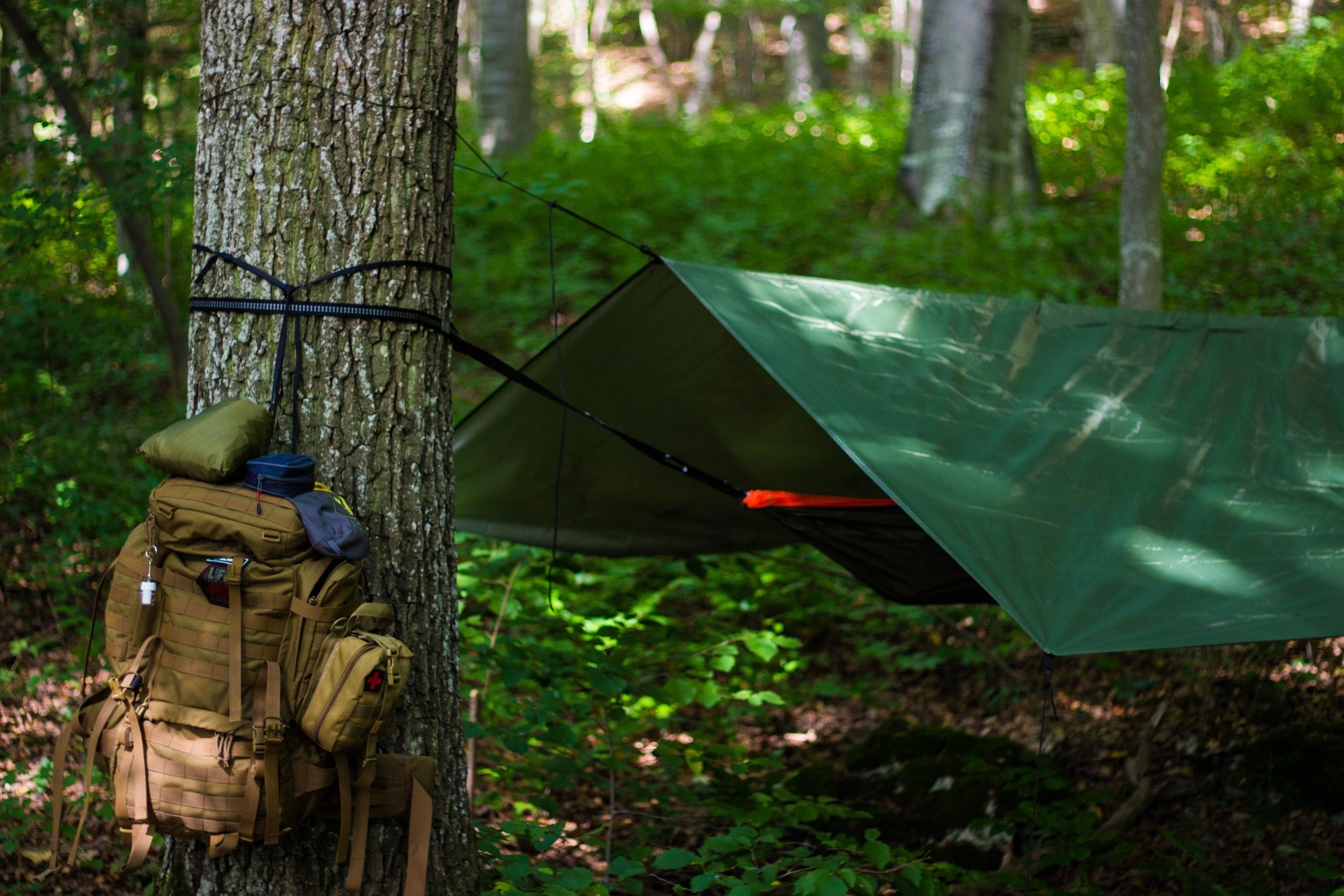
5. Advanced Shelter Building
Explorers can take shelter building beyond simply making a basic lean-to.
Give them a scenario and constraints.
For example:
“Design a shelter for two people using the materials provided.”
Then ask them to consider:
Wind direction
Ground conditions
Water drainage
Stability
Entrance position
Available materials
Time required
After construction, ask each team to explain its design.
This turns shelter building into an engineering and decision-making exercise.
6. Shelter Site Selection
A good shelter isn’t necessarily the best-built shelter.
It could still be in the wrong place.
Ask Explorers to inspect several potential sites and identify which one they would choose.
They should consider:
Overhead hazards.
Flooding.
Wind exposure.
Ground conditions.
Proximity to water.
Access and escape routes.
This is a particularly valuable exercise because site selection is a survival skill in its own right.
7. Water Management
Water is an important part of survival planning.
Rather than simply teaching methods of purification, ask Explorers to think through the entire process.
Where might they obtain water?
How would they assess the source?
How would they make it safe?
How would they store it?
How would they avoid contaminating clean water?
You can run practical water-purification activities in a controlled environment rather than asking young people to drink untreated water.
8. Fire Management
Explorers can move beyond simply lighting a fire.
Challenge them to manage one responsibly.
They should think about:
Site selection.
Fire safety.
Fuel.
Fire size.
Weather.
Supervision.
Extinguishing.
The challenge could be:
“Prepare and manage a suitable fire safely from beginning to end.”
Reward good decisions rather than the biggest flame or fastest ignition.
9. Fire When Conditions Change
A more advanced scenario can introduce changing conditions.
For example:
“The wind has increased.”
Ask:
“What changes would you make?”
The correct response may be to reduce or extinguish the fire rather than try to keep it going.
This teaches a valuable survival principle:
Adapt to changing conditions.
10. Weather Awareness
Explorers should start thinking about weather before an activity begins.
Give them a forecast and ask:
“Would you change your plans?”
Discuss how different conditions affect:
Clothing.
Route choice.
Shelter.
Water requirements.
Fire safety.
Visibility.
Timing.
This demonstrates that survival often comes down to preparation rather than dramatic emergency techniques.
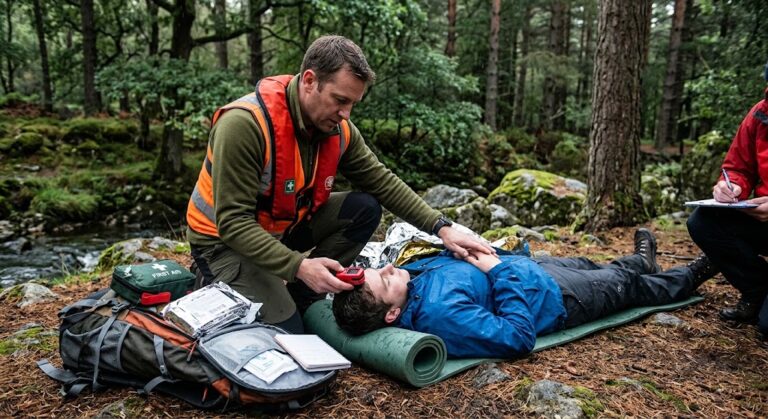
11. Hypothermia and Heat Illness Scenarios
Give teams simple scenarios involving someone becoming unwell due to environmental conditions.
Ask:
“What are your priorities?”
The activity should focus on recognising the problem, getting appropriate help and taking sensible immediate action.
Don’t turn it into a medical role-play where young people attempt procedures beyond their training.
The goal is recognition and decision-making.
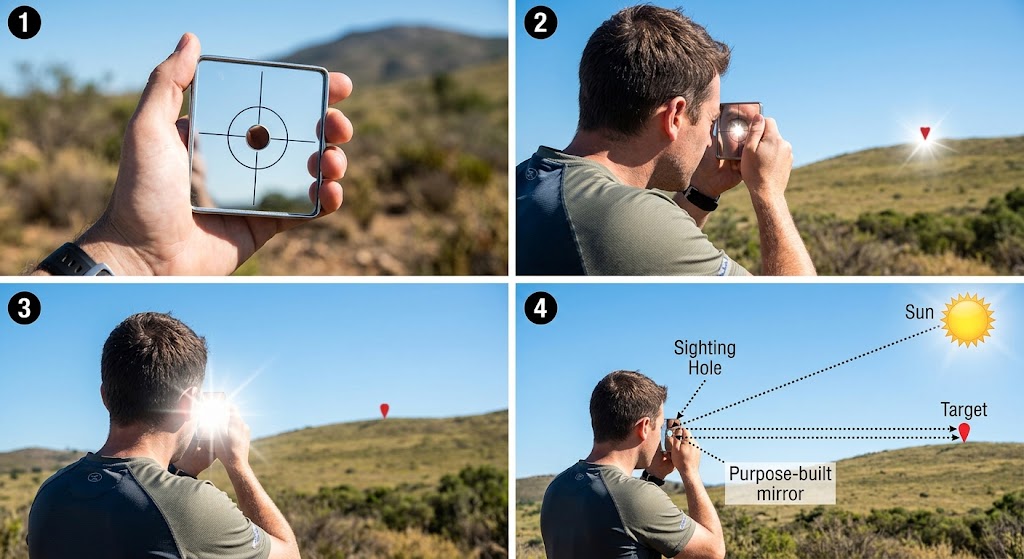
12. Signalling for Help
Explorers can practise different methods of attracting attention.
A whistle.
A torch.
A phone.
A visible marker.
Voice.
Appropriate emergency communication.
Discuss the advantages and limitations of each.
A useful question is:
“What would you use if your phone had no signal?”
This gets them thinking about having alternatives.
13. Emergency Communication
An advanced survival session should include knowing when and how to ask for help.
Discuss:
When to contact emergency services.
What information to provide.
How to describe your location.
What3words and GPS coordinates.
Map references.
Nearby landmarks.
The condition of anyone who is injured.
Explorers should understand that communicating a good location can be just as important as knowing how to reach it themselves.
14. The “Lost Explorer” Scenario
Create a controlled scenario where a team has to respond to a fictional lost-person situation.
Give them information such as:
“A member of your group has failed to arrive at the meeting point.”
Ask them what they would do.
Who should be informed?
Where was the person last seen?
What information is available?
Should someone go looking?
When should emergency services be contacted?
This is an excellent leadership exercise.
15. Survival Priorities
Challenge Explorers to put survival priorities into an order appropriate to a particular situation.
The answer isn’t always identical.
A cold, wet person has different immediate concerns from someone who is comfortably sheltered but running short of water.
Ask:
“What is the biggest threat right now?”
Then:
“What can we do about it?”
This teaches them to assess the situation rather than blindly follow a memorised survival list.
16. Improvisation Challenges
Give teams a fictional problem and limited resources.
For example:
“Your planned route is blocked.”
“Your shelter site is unsuitable.”
“Your navigation equipment is no longer available.”
“The weather has changed.”
Ask them to develop a safe alternative.
This teaches adaptability.
Don’t encourage improvised solutions that could introduce new hazards. The best answer may simply be to turn around, seek help or use an alternative route.
17. Survival Kit Decisions
Give Explorers a list of possible equipment.
Ask them to choose what they would take on a particular activity.
They might have to decide between:
A map.
A compass.
A whistle.
Extra clothing.
Water.
Food.
First-aid equipment.
A torch.
An emergency shelter.
A phone.
A power bank.
Then ask:
“Why did you choose these?”
This is more useful than simply giving them a standard equipment list.
18. The “You Can’t Have Everything” Challenge
Make the previous activity harder.
Give them a hypothetical weight or space limit.
Now they have to prioritise.
This introduces an important outdoor skill:
Preparation involves choices.
They have to decide what is genuinely useful rather than simply carrying everything.
19. Leadership Challenges
Advanced survival skills are an excellent opportunity to develop leadership.
Give one Explorer responsibility for coordinating a team during an activity.
They might need to:
Assign roles.
Check everyone understands the plan.
Monitor time.
Make decisions.
Communicate with the leader.
Review what happened afterwards.
Then rotate the role.
This develops skills that go beyond survival techniques.
20. The Ultimate Survival Scenario
For an advanced session, combine several skills.
Give the team a fictional scenario.
For example:
“Your group is on a remote walk. The weather has deteriorated, the planned route is no longer suitable and one person is becoming cold. You have your normal outdoor equipment but cannot continue as planned.”
Ask the Explorers to develop a response.
They need to think about:
Safety
Navigation
Weather
Shelter
Communication
First aid
Time
Evacuation
Don’t necessarily tell them whether their plan is right.
Ask questions.
“What happens if the weather gets worse?”
“What if you can’t contact anyone?”
“Where would you wait?”
“How would you communicate your location?”
This encourages genuine problem-solving.
Don’t Make Survival About Suffering
There’s an important difference between survival training and deliberately making young people uncomfortable.
You don’t need to send Explorers into freezing conditions without adequate clothing.
You don’t need to deprive them of food or water.
You don’t need to abandon them somewhere.
You don’t need to create genuinely dangerous situations.
A well-designed scenario can teach the same decision-making skills in a controlled environment.
The objective is to prepare young people for emergencies, not manufacture one.
Make Them Explain Their Decisions
With younger sections, simply completing an activity may be enough.
With Explorers, ask them to explain their reasoning.
“Why did you choose that route?”
“Why did you reject that shelter site?”
“Why is this your priority?”
“What would make you change your plan?”
This encourages them to think critically.
It also allows leaders to identify misunderstandings before they become habits.
Encourage the “What If?” Question
Once Explorers have produced a plan, change one thing.
“What if it starts raining?”
“What if the map gets damaged?”
“What if someone becomes injured?”
“What if the route is blocked?”
“What if your phone battery dies?”
The group then has to adapt.
This is one of the most valuable survival skills of all.
Final Thoughts
Advanced survival skills aren’t about teaching young people to live in the wilderness indefinitely.
They’re about teaching them to stay calm, assess a situation, prioritise problems, use what they have and make sensible decisions.
Navigation, shelter, water, fire, weather awareness and signalling all become much more valuable when Explorers understand how they connect.
Give them increasingly complex problems.
Let them make decisions.
Allow them to make safe mistakes.
Then ask them why they made those decisions.
🧭 THE BIG IDEA
The most advanced survival skill is good decision-making.
Equipment can fail.
Weather can change.
Plans can go wrong.An Explorer who can stop, assess the situation, identify the biggest risk and make a sensible plan has learned something far more valuable than any single survival trick.
🔒Ready to test your survival skills?
Join Survival Guides UK for free, complete challenges, earn badges and increase your Survival Level.
JOIN FREE →
CRAIG BURR
FOUNDER · SURVIVAL GUIDES UK
I'm Craig, the person behind Survival Guides UK. I created SGUK because I wanted somewhere people could learn real outdoor skills in a practical, straightforward way — from lighting a fire and tying knots to navigation, campcraft and everything in between.
You can read more about the story behind SGUK here as well as our approach here.