How to Do CPR
CPR, or cardiopulmonary resuscitation, is an emergency first-aid skill used when someone is unresponsive and not breathing normally. It helps keep blood moving around the body while you wait for professional medical help to arrive.
Emergency Disclaimer
This article is for general first-aid education and is not a substitute for recognised practical first-aid training or professional medical advice. If someone is unresponsive and not breathing normally, call 999 or 112 immediately and follow the emergency call handler’s instructions. Start CPR as directed and use an AED if one is available. In a real emergency, always follow the instructions of emergency services and trained medical professionals.
Check for Danger First
Before approaching the casualty, look around you.
Make sure you aren’t putting yourself in danger from traffic, fire, electricity, water, unstable ground or anything else that could cause further harm. If the area isn’t safe, don’t rush into it.
Once it is safe to approach, check whether the person responds when you speak to them and gently tap their shoulders.
If they don’t respond, you need to check their breathing.
Check for Normal Breathing
Open the airway and check whether they are breathing normally.
Look for normal movement of the chest and listen and feel for normal breathing. Don’t spend more than about ten seconds making the assessment.
Gasping, irregular or abnormal breaths are not normal breathing. A person who is unresponsive and only gasping needs CPR.
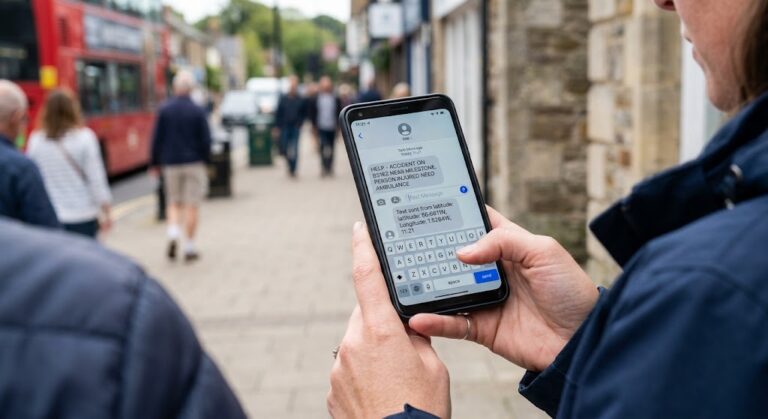
If they are not breathing normally, call 999 or 112 immediately, preferably using speakerphone so you can continue helping them.
Start Chest Compressions
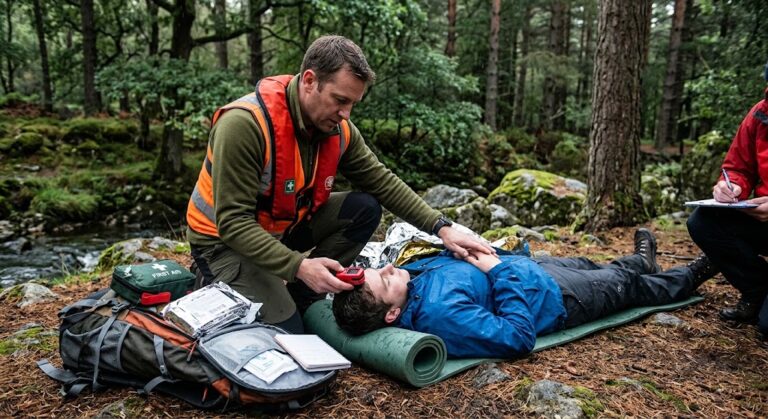
Place the casualty on their back on a firm surface if possible.
Kneel beside their chest and place the heel of one hand in the centre of their chest. Put your other hand on top and interlock your fingers.
Keep your arms straight and position your shoulders above your hands. Press down firmly and quickly, allowing the chest to come back up fully after each compression.
Aim for a rate of 100 to 120 compressions per minute and a depth of about 5 to 6 centimetres in an adult.
Try to keep interruptions to the compressions as short as possible.
Use the 30:2 Pattern
If you have been trained and are able to give rescue breaths, use a cycle of:
30 chest compressions followed by 2 rescue breaths.
After the two breaths, immediately return to chest compressions.
If you aren’t trained in rescue breaths, don’t let that stop you from helping. Hands-only CPR is better than doing nothing. Continue chest compressions while waiting for emergency help.
Give Rescue Breaths if You Can
If you are trained and willing to give rescue breaths, open the airway by tilting the head back and lifting the chin.
Pinch the casualty’s nose closed, make a seal over their mouth and give a breath lasting about one second. Watch for the chest to rise.
Give a second breath and then immediately return to chest compressions.
If a breath doesn’t make the chest rise, don’t spend a long time trying to correct it. Reposition the airway and continue with CPR.
Use an AED as Soon as One Is Available
An automated external defibrillator, or AED, can analyse the casualty’s heart rhythm and tell you whether a shock is needed.
If another person is available, send them to find an AED while you continue CPR.
When the AED arrives, switch it on and follow its spoken or visual instructions. Attach the pads to the casualty’s bare chest as shown on the pads or device.
The AED will tell you when to stop touching the casualty while it analyses their heart rhythm. If it advises a shock, make sure nobody is touching the casualty and follow the AED’s instructions.
After the shock, or if no shock is advised, return to CPR when instructed.
Don’t Stop Every Few Seconds to Check
Once CPR has started, keep going unless there is a good reason to stop.
The emergency services may take some time to arrive, particularly in a remote outdoor location. Keep following the instructions given by the emergency call handler and minimise interruptions to chest compressions.
If another trained person is available, you can take turns doing compressions because they become physically tiring. Change over quickly so that compressions are interrupted for as little time as possible.
What If the Person Starts Breathing Normally?
If the casualty starts breathing normally but remains unconscious, stop CPR and place them in the recovery position if appropriate.
Continue to monitor their breathing and stay with them until professional help arrives.
If they stop breathing normally again, be prepared to restart CPR.
CPR for Children and Babies
CPR for children and babies is different in some important respects from adult CPR, particularly in the way rescue breaths and chest compressions are performed.
If you’re regularly responsible for children, it is worth learning paediatric CPR on a recognised first-aid course rather than relying on an article alone.
If a child or baby is unresponsive and not breathing normally, get emergency help immediately and follow the instructions given by the emergency call handler.
If You Are Alone
If you are alone with an unresponsive person who is not breathing normally, call 999 or 112 and put the phone on speaker if possible.
Start CPR immediately and follow the instructions from the emergency call handler. If there is an AED nearby and you can retrieve it without leaving the casualty for an unreasonable amount of time, follow the emergency operator’s advice.
Don’t delay CPR while trying to find out exactly what caused the collapse.
Safety When Performing CPR
CPR is an emergency procedure and can cause injuries such as broken ribs, but this should not stop you from starting it when someone is unresponsive and not breathing normally.
The greater danger is failing to provide CPR when it is needed. Follow the emergency call handler’s instructions and continue until the casualty shows signs of life, professional help takes over, you become too exhausted to continue, or the situation becomes unsafe.
If you are concerned about giving rescue breaths, hands-only CPR is still valuable. The important thing is to recognise cardiac arrest and start chest compressions quickly.
Learn CPR Properly
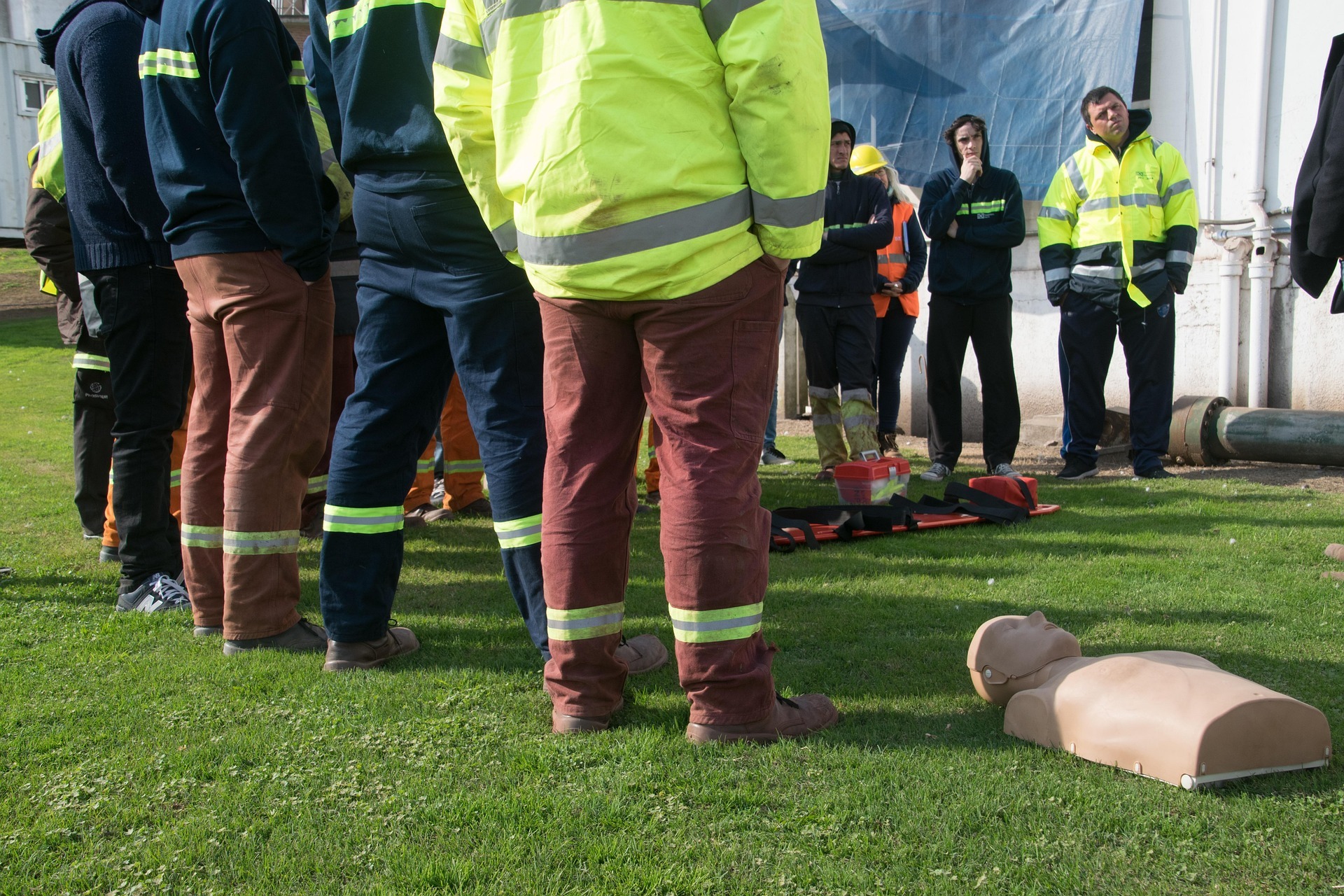
Reading about CPR is useful, but it cannot replace practical training. Chest compression depth, hand position, rescue breaths and AED use are much easier to understand when you’ve practised them on a training manikin.
If you spend a lot of time outdoors, particularly with children or groups, a recognised first-aid course is well worth taking. Refresh your skills regularly so that the basic sequence remains familiar.
Remember the Basic Sequence
If you remember nothing else, remember this:
Check for danger. Check for a response. Check for normal breathing. If the person is unresponsive and not breathing normally, call 999 or 112 and start CPR. Use an AED as soon as one is available.
You don’t need to diagnose the cause of the collapse before you start. Recognising that someone is not responding and not breathing normally, getting professional help and starting CPR quickly are the important first steps.
🔒Ready to test your survival skills?
Join Survival Guides UK for free, complete challenges, earn badges and increase your Survival Level.
JOIN FREE →
CRAIG BURR
FOUNDER · SURVIVAL GUIDES UK
I'm Craig, the person behind Survival Guides UK. I created SGUK because I wanted somewhere people could learn real outdoor skills in a practical, straightforward way — from lighting a fire and tying knots to navigation, campcraft and everything in between.
You can read more about the story behind SGUK here as well as our approach here.