Cubs First Aid Activities: Fun Ways to Learn First Aid
First aid is one of those skills that can be genuinely useful outside the Scout meeting.
For Cubs, it doesn’t need to be taught through long lectures. Games, scenarios and practical challenges can make the subject much easier to understand.
The Scouts programme includes Emergency Aid Staged Activity Badges, and first aid also features in the Cubs Our Outdoors Challenge Award, which includes knowing how to treat mild burns, scalds, cuts and grazes and how to make a call to the emergency services.
The aim should be to help Cubs stay calm, recognise when someone needs help and know what to do next.
⚠️ SAFETY FIRST
First aid activities should be led or supervised by someone with appropriate first aid knowledge and should be properly risk assessed.
Keep scenarios realistic but don’t create genuine injuries or situations that could cause distress. Use props, drawings and role-play instead.
When practising first aid techniques, follow current recognised first aid guidance. Scouts guidance also recommends that adults and young people practise separately rather than demonstrating first aid techniques on one another.
Always follow the current Scouts safety guidance and your group’s safeguarding procedures.
1. First Aid Kit Kim’s Game
Put a selection of first aid items on a table.
Give Cubs a short time to look at them before covering everything up.
How many can they remember?
You can then ask what different items might be used for.
Scouts has a dedicated First Aid Kit Kim’s Game activity suitable for Cubs.
2. Emergency Call Challenge
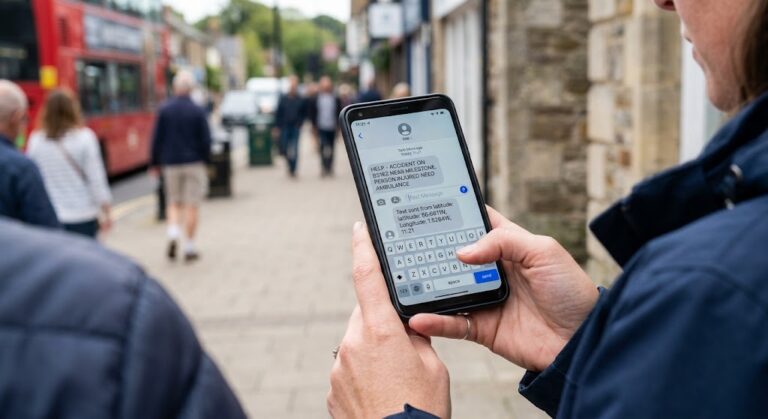
Give Cubs fictional emergency situations and ask them to practise making a 999 call.
They can take turns being the caller and the emergency call handler.
Ask simple questions:
“Where are you?”
“What has happened?”
“Is anyone hurt?”
“Are they breathing?”
The exercise should be clearly presented as role-play rather than a real emergency.
Scouts has a similar 999 scenario activity designed for Cubs and other sections.
3. First Aid Scenario Cards
Create cards describing simple situations.
Someone has fallen and grazed their knee.
Someone feels dizzy after being outside.
Someone has a small burn.
Ask each Six what they would do.
The emphasis should be on recognising the situation, staying calm, getting appropriate help and following the first aid guidance they’ve been taught.
4. First Aid Charades
Give a Cub a first aid-related situation to act out without speaking.
The rest of the group has to work out what’s happening.
For example:
Someone has hurt their ankle.
Someone has a small cut.
Someone feels unwell.
Once they’ve guessed, discuss what the appropriate response would be.
5. What Would You Do?
Read out a scenario and give Cubs three possible responses.
For example:
Your friend falls over and hurts their leg.
A. Ignore them.
B. Make sure the area is safe and get appropriate help.
C. Tell them to keep running.
Cubs choose the best answer and explain why.
This is particularly useful for younger Cubs who are still developing their confidence.
6. Bandaging Practice
Using suitable training bandages, Cubs can learn about basic bandaging techniques under appropriate supervision.
Keep the activity focused on learning rather than trying to recreate a serious injury.
The Scouts Emergency Aid programme includes practical first aid skills, and its activities can be adapted for different stages.
7. First Aid Relay
Set up several stations.
At one station, Cubs identify an item from a first aid kit.
At another, they answer a first aid question.
At another, they identify what they should do in a scenario.
The final station could involve practising how to communicate an emergency clearly.
It’s a good way to keep the session active.
8. Primary Survey Game
Introduce Cubs to the basic principles of checking an unwell or injured person.
Use a fictional casualty and talk through the appropriate procedure they’ve been taught.
Scouts has a Be an emergency aider: primary survey activity covering the primary survey and DR ABC, and it is available for Cubs.
Keep the activity educational rather than attempting to create realistic medical emergencies.
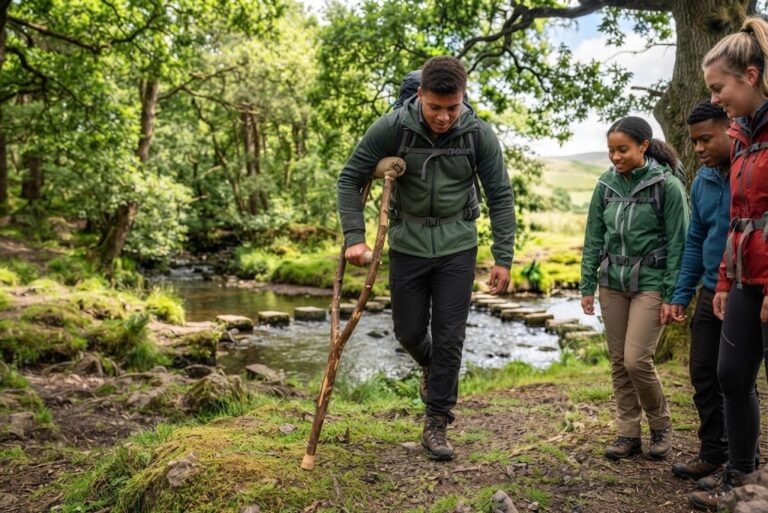
9. Incident Hike
Take first aid outdoors.
Plan a short, supervised walk with several stopping points.
At each point, Cubs encounter a fictional scenario.
Perhaps someone has twisted an ankle.
Perhaps someone has become separated from the group.
Perhaps someone needs help contacting an adult.
The Cubs discuss what they would do.
Scouts specifically suggests incident hikes as a way of putting first aid skills into realistic outdoor scenarios.
10. Spot the Hazard
First aid isn’t only about treating injuries.
Prevention matters too.
Give Cubs a picture of a campsite, kitchen or outdoor area containing several hazards.
Can they spot them?
This encourages Cubs to think about how accidents can be prevented before anyone gets hurt.
11. First Aid True or False
Read out statements and ask Cubs to decide whether they’re true or false.
“You should always check that an area is safe before helping.”
“You should stay calm in an emergency.”
“You should give someone an unknown medicine.”
“You should get appropriate adult or emergency help when needed.”
Use the answers to start a discussion.
12. The Calm Responder Challenge
Give Cubs a scenario and ask them to demonstrate how they would communicate calmly.
They should practise:
Getting an adult’s attention.
Explaining what happened.
Giving their location.
Describing what they can see.
Answering questions clearly.
This is an important part of first aid that can easily be overlooked.
13. First Aid Memory Match
Create pairs of cards.
One card might say:
Bandage
The matching card could show or describe its purpose.
Other pairs could include:
First aid kit
Emergency phone call
Gloves
Plaster
Cold pack
Keep the content appropriate to the first aid skills being taught.
14. Treat Your Team
Turn first aid into a survival-style team challenge.
Cubs are given a fictional scenario and a small collection of resources.
They need to decide how they would respond and what help they would seek.
Scouts has a Treat Your Team activity specifically designed around first aid skills and survival-style situations.
15. Emergency Equipment Hunt
Hide or place suitable first aid equipment around the meeting space.
Give Cubs clues and ask them to find particular items.
Once they find something, ask:
“What is this for?”
It combines movement with learning.
16. What Goes in the First Aid Kit?
Give Cubs a selection of objects.
Some belong in a first aid kit and others don’t.
Can they sort them?
For an extra challenge, ask them to explain why each item could be useful.
17. First Aid Quiz
Finish the session with a quick quiz.
Questions could cover:
How to get help.
What information to give emergency services.
How to respond to minor injuries.
How to recognise when someone needs further help.
What to do before approaching a casualty.
Keep the questions based on what Cubs have actually been taught.
18. Teach the New Cub
Ask Cubs to work in pairs.
One Cub explains a first aid skill they’ve learned while the other listens.
Then swap.
This encourages Cubs to communicate clearly and think about whether they genuinely understand the skill themselves.
19. First Aid Escape Challenge
Create a fictional emergency-themed escape game.
Cubs have to solve a series of first aid questions to receive the next clue.
For example:
Solve the emergency call question → receive the next location.
Identify the correct first aid response → receive another clue.
It turns revision into a game.
20. The Big First Aid Scenario
Finish with a larger scenario bringing several skills together.
For example, a fictional group is out walking when one person has a minor injury.
Cubs need to think about:
Is the area safe?
What has happened?
Who needs help?
What first aid is appropriate?
Who should be contacted?
What information should be given?
The objective isn’t to make Cubs act like professional first aiders.
It’s to help them develop the confidence to recognise a problem, stay calm and get the right help.
Keep First Aid Practical
Cubs generally learn better when they can get involved.
Rather than spending an entire meeting explaining first aid, mix short demonstrations with games and scenarios.
A 10-minute explanation followed by a 15-minute challenge can be much more memorable than a long presentation.
Don’t Make Scenarios Too Realistic
First aid activities don’t need fake blood or frightening injuries to be effective.
A simple scenario card can be enough.
The important learning is what the Cub should notice, think about and do next.
This also makes activities more suitable for Cubs who may be uncomfortable with realistic injury simulations.
Build Confidence, Not Fear
The purpose of first aid training isn’t to make Cubs frightened about accidents.
It’s to show them that there are sensible things they can do.
They can get help.
They can stay calm.
They can keep themselves safe.
They can communicate clearly.
They can provide appropriate basic assistance when they’ve been taught how.
Scouts describes first aid as one of the practical skills Cubs can develop as they grow in confidence.
Final Thoughts
First aid makes an excellent Cub activity because it combines practical skills, teamwork, communication and problem-solving.
Keep the scenarios age-appropriate, make the activities interactive and focus on what Cubs have actually been taught.
Most importantly, reinforce the idea that being a good first aider doesn’t mean doing everything yourself.
Sometimes the most important thing a Cub can do is recognise an emergency, stay safe and get help.
🩹 THE BIG IDEA
Stay calm. Stay safe. Get help.
Give Cubs opportunities to practise those three ideas through games and realistic-but-safe scenarios, and first aid becomes a skill they can remember when they really need it.
🔒Ready to test your survival skills?
Join Survival Guides UK for free, complete challenges, earn badges and increase your Survival Level.
JOIN FREE →
CRAIG BURR
FOUNDER · SURVIVAL GUIDES UK
I'm Craig, the person behind Survival Guides UK. I created SGUK because I wanted somewhere people could learn real outdoor skills in a practical, straightforward way — from lighting a fire and tying knots to navigation, campcraft and everything in between.
You can read more about the story behind SGUK here as well as our approach here.