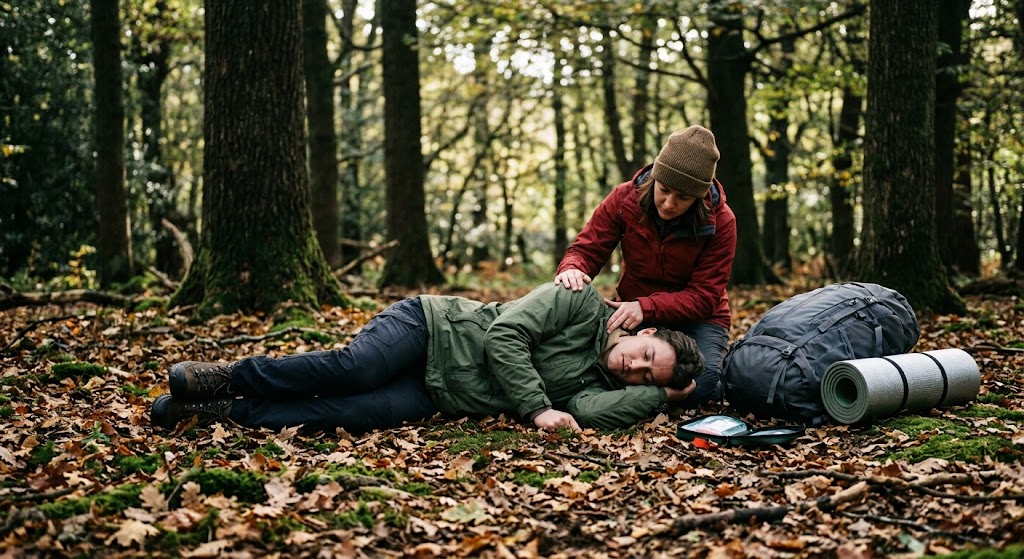
How to Use the Recovery Position
The recovery position is used when someone is unconscious or has a reduced level of responsiveness but is breathing normally. Placing them on their side can help keep their airway open and allows fluids such as saliva or vomit to drain away rather than blocking the airway.
It is a useful first-aid skill to know, particularly when you are outdoors and professional help may take some time to arrive. The important thing is to recognise when the recovery position is appropriate and, just as importantly, when it is not.
When Should You Use the Recovery Position?
The recovery position is for someone who is unresponsive or has a reduced level of responsiveness but is breathing normally and does not need CPR. Current Resuscitation Council UK guidance recommends placing adults and children who meet these criteria into a lateral, side-lying recovery position.
If someone is unresponsive and not breathing normally, do not put them into the recovery position. Call 999 or 112 and start CPR.
Abnormal breathing can include gasping, panting or irregular breathing. If you are unsure whether someone is breathing normally, follow the instructions given by the emergency call handler.
Check for Danger First
Before approaching the casualty, check the area around you.
Look for traffic, fire, electricity, unstable ground, falling objects, water or anything else that could put you in danger. There is little point becoming a second casualty while trying to help someone else.
Once it is safe, check whether the person responds when you speak to them and gently stimulate them. If they remain unresponsive, call 999 or 112 and assess their breathing.
Check That They Are Breathing Normally
Look for normal movement of the chest and listen for normal breathing.
You should not spend a long time trying to decide. If the person is unresponsive, call 999 and assess their breathing while you are waiting for the call to be answered. The emergency call handler can help you decide whether their breathing is normal.
If they are breathing normally, the recovery position may be appropriate.
If they are not breathing normally, treat it as a cardiac arrest and start CPR instead.
How to Put Someone in the Recovery Position
Once you have established that the person is unresponsive but breathing normally, place them on their side.
1. Remove Any Obvious Obstructions
If there is anything obvious that could cause a problem when you roll the person, deal with it if you can do so safely.
For example, move nearby objects that could injure them or prevent you from rolling them safely. Don’t spend unnecessary time searching through their clothing or moving equipment.
2. Kneel Beside Them
Kneel beside the casualty and make sure they are lying on their back.
Place the arm nearest to you out at a right angle to their body, with the elbow bent and the hand pointing upwards.
3. Bring the Other Arm Across the Chest
Take their other arm and bring it across their chest.
Hold the back of that hand against the cheek nearest to you and keep it there while you roll them. This helps support the head during the movement.
4. Bend the Far Knee
Take hold of the leg furthest from you and bend the knee so that the foot is flat on the ground.
Keep their hand against their cheek.
5. Roll Them Towards You
Using the bent knee as a lever, gently pull it towards you and roll the casualty onto their side.
Try to make the movement controlled rather than dragging or twisting them unnecessarily.
If there is a suspected spinal injury or significant trauma, movement should be minimised and you should follow the instructions of the emergency services. Current guidance specifically says that people with trauma should not routinely be moved into the recovery position; protecting the airway takes priority when necessary.
6. Adjust Their Position
Once they are on their side, adjust the upper leg so that the hip and knee remain bent and the person is stable.
Make sure their head is positioned so that the airway remains open.
You are not trying to create a perfect textbook pose. The important thing is that the person is safely on their side, their airway is open and they are unlikely to roll back onto their back.
Keep Checking Their Breathing
Putting someone into the recovery position does not mean you can leave them and walk away.
Stay with them and continue checking that they are breathing normally. Keep monitoring them while you wait for professional help.
If their breathing becomes abnormal or stops, you may need to move them onto their back and start CPR. Follow the emergency call handler’s instructions.
What If They Vomit?
One of the reasons for using the recovery position is to help protect the airway.
If the casualty vomits while they are on their side, fluids can drain from the mouth rather than collecting at the back of the throat. Stay with them and continue monitoring their breathing.
Do not give an unconscious person anything to eat or drink.
What If They Have Been Injured?
This is particularly important outdoors.
If someone has fallen, been struck by something, been involved in a vehicle accident or suffered another significant injury, consider the possibility of a spinal injury.
Avoid moving them unnecessarily and tell the emergency services what has happened. Current Resuscitation Council UK guidance recommends minimising movement of the neck in suspected cervical spine injury, while prioritising opening the airway if that is required.
Don’t let concern about moving someone’s neck stop you from dealing with an airway emergency.
Recovery Position for Children
The basic principle is the same for children: if they are unresponsive but breathing normally and do not require CPR, a side-lying recovery position can be used.
If you regularly supervise children outdoors, it is worth learning recovery position and paediatric first aid as part of a recognised practical course. Children are not simply small adults, and practical training makes it much easier to respond confidently.
When Not to Use the Recovery Position
Don’t automatically put every unconscious person onto their side.
The recovery position is not appropriate instead of CPR for someone who is unresponsive and not breathing normally.
It may also not be appropriate to move someone following significant trauma simply to put them into the recovery position. In these situations, minimise movement and follow the instructions of the emergency services, while prioritising the airway if necessary.
Safety When Using the Recovery Position
The recovery position is a simple first-aid technique, but the situation around the casualty still matters.
Make sure the area is safe before approaching. Get emergency help early, don’t leave an unconscious person alone unnecessarily and keep monitoring their breathing.
If you are dealing with a casualty outdoors, also think about exposure to cold, heat, rain, wind, water or other environmental hazards while you wait for help.
Learn the Recovery Position Properly
The recovery position is much easier to perform confidently after you have practised it.
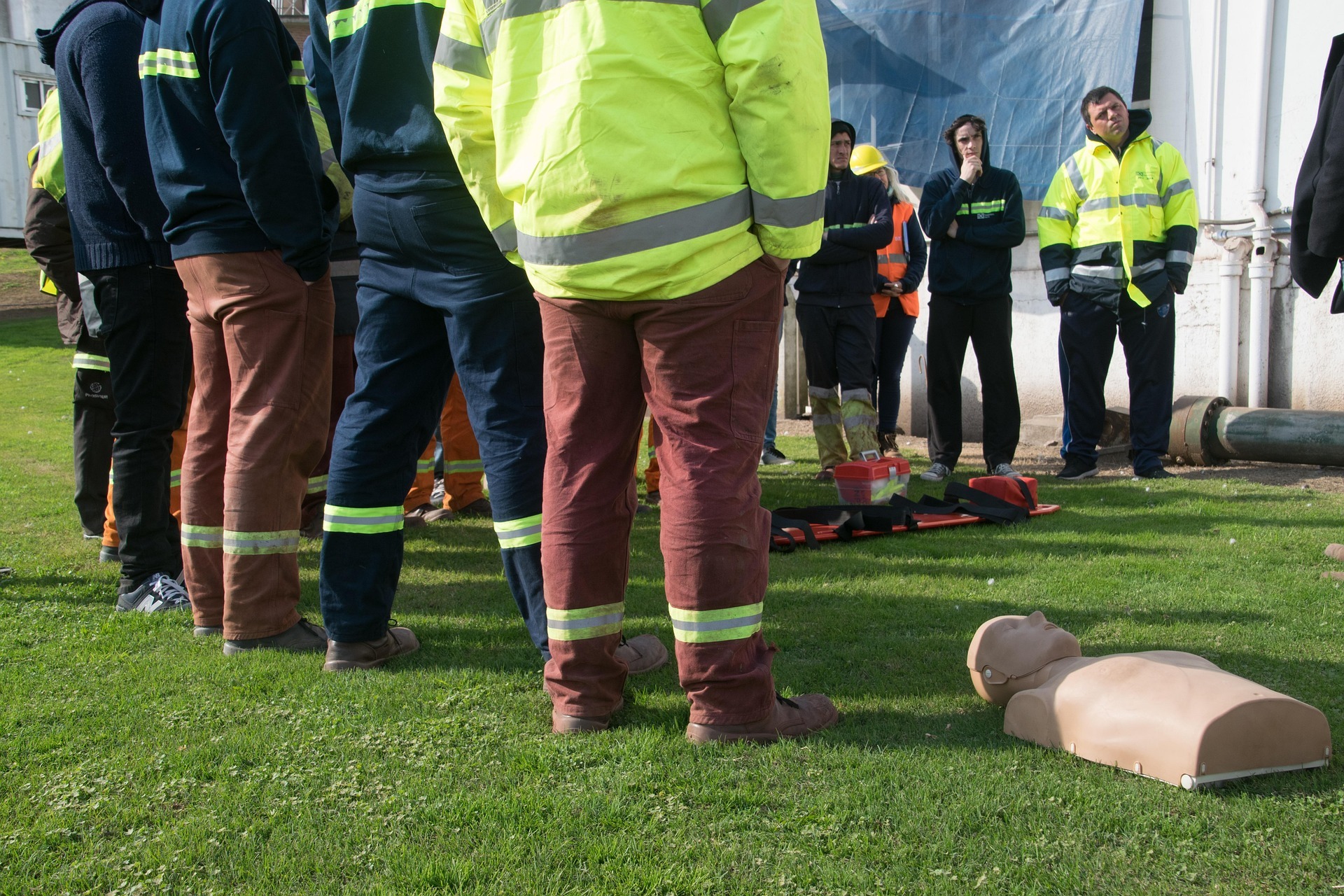
A recognised first-aid course will allow you to practise the movement on a training manikin and learn how to deal with complications such as trauma, abnormal breathing and vomiting.
For outdoor groups, knowing the recovery position alongside casualty assessment, CPR and basic first aid gives you a much stronger foundation for dealing with emergencies.
Remember the Basic Rule
The simplest way to remember when to use the recovery position is:
Unresponsive but breathing normally → recovery position.
Unresponsive and not breathing normally → call 999 or 112 and start CPR.
If you are uncertain, call 999 and follow the emergency call handler’s instructions. The recovery position is there to help protect someone who is breathing normally while you wait for professional help; it should never delay CPR when CPR is needed.
🔒Ready to test your survival skills?
Join Survival Guides UK for free, complete challenges, earn badges and increase your Survival Level.
JOIN FREE →
CRAIG BURR
FOUNDER · SURVIVAL GUIDES UK
I'm Craig, the person behind Survival Guides UK. I created SGUK because I wanted somewhere people could learn real outdoor skills in a practical, straightforward way — from lighting a fire and tying knots to navigation, campcraft and everything in between.
You can read more about the story behind SGUK here as well as our approach here.