Scouts Camping Activities: Fun Ideas for Scout Camps
Camping gives Scouts the opportunity to take the outdoor skills they’ve learned and put them into practice.
At this age, camping can be about much more than simply sleeping in a tent.
Scouts can take responsibility for their campsite, plan meals, navigate routes, build camp gadgets, practise survival skills and even organise activities for other Scouts.
The aim is to give Scouts more responsibility while keeping appropriate supervision and safety arrangements in place.
⚠️ SAFETY FIRST
All camping activities should be properly planned and risk assessed, with supervision appropriate to the activity and the Scouts taking part.
Take particular care with fires, cooking equipment, knives, axes, saws, water, heights, night activities, navigation and changing weather conditions.
Follow current Scouts safety, safeguarding, Nights Away and activity guidance. Make sure emergency arrangements, first aid provision and appropriate adult supervision are in place before activities begin.
1. Campcraft Challenge
Give Patrols a list of campcraft jobs to complete.
They might need to organise their campsite, pitch their tents, establish a suitable cooking area, organise equipment and keep the site tidy.
The Patrol that works most effectively doesn’t necessarily have to be the fastest.
Reward organisation, teamwork and good decisions.
2. Patrol Camp Challenge
Give each Patrol responsibility for running part of a camp.
They can plan their equipment, sleeping arrangements, food and activities.
Leaders provide the framework and safety oversight while Scouts take responsibility for appropriate decisions.
This can be particularly useful for developing the teamwork and leadership skills associated with the Scouts Challenge Awards.
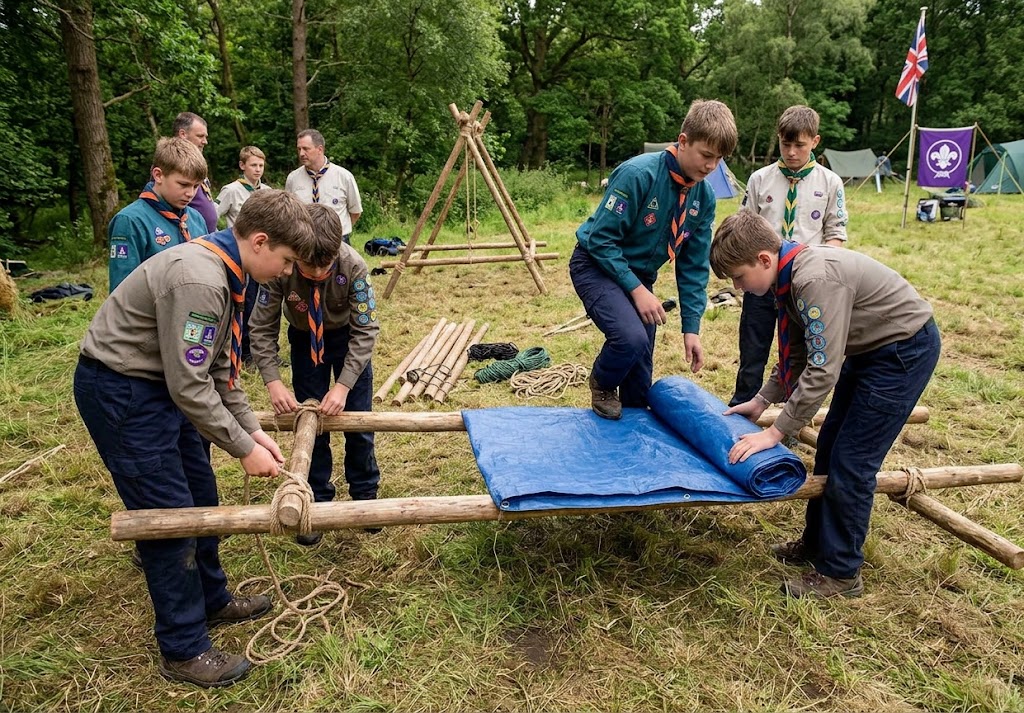
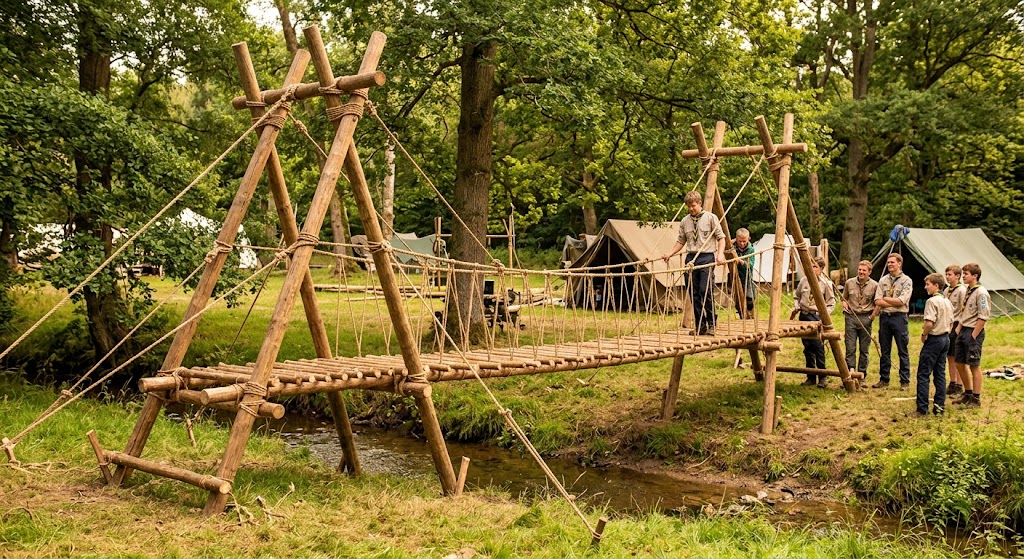
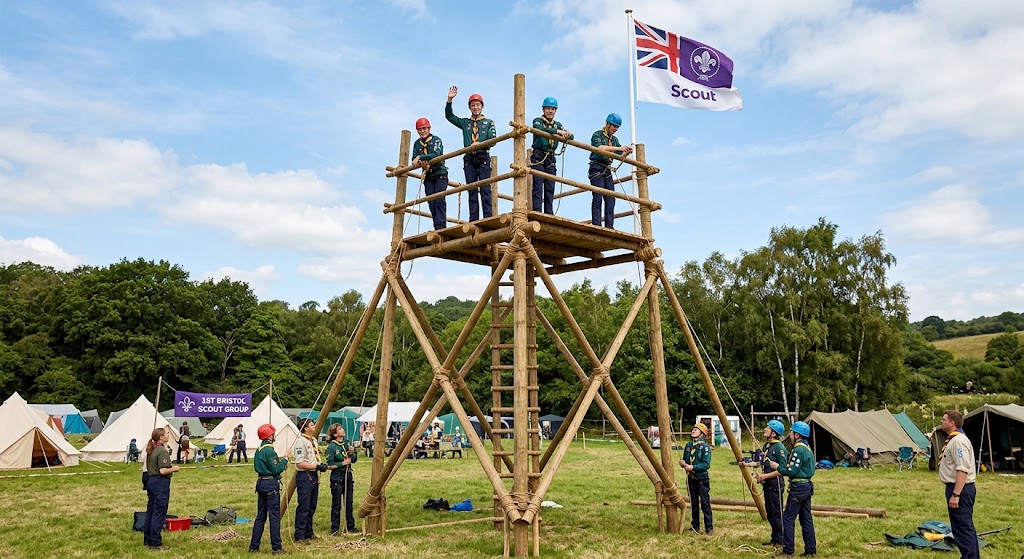
3. Camp Gadget Challenge
Give Patrols a practical problem.
They need somewhere to hang equipment.
They need a washing-up stand.
They need a useful storage solution.
They need a simple camp table.
Can they design and build something suitable?
This is an excellent opportunity to practise pioneering skills and knots.
4. Outdoor Cooking Challenge
Give each Patrol a simple meal to plan and prepare.
Scouts need to decide what ingredients and equipment they require, organise their cooking area and prepare the meal safely.
The activity can contribute naturally towards the Outdoors Challenge Award, which includes outdoor cooking and campcraft skills.
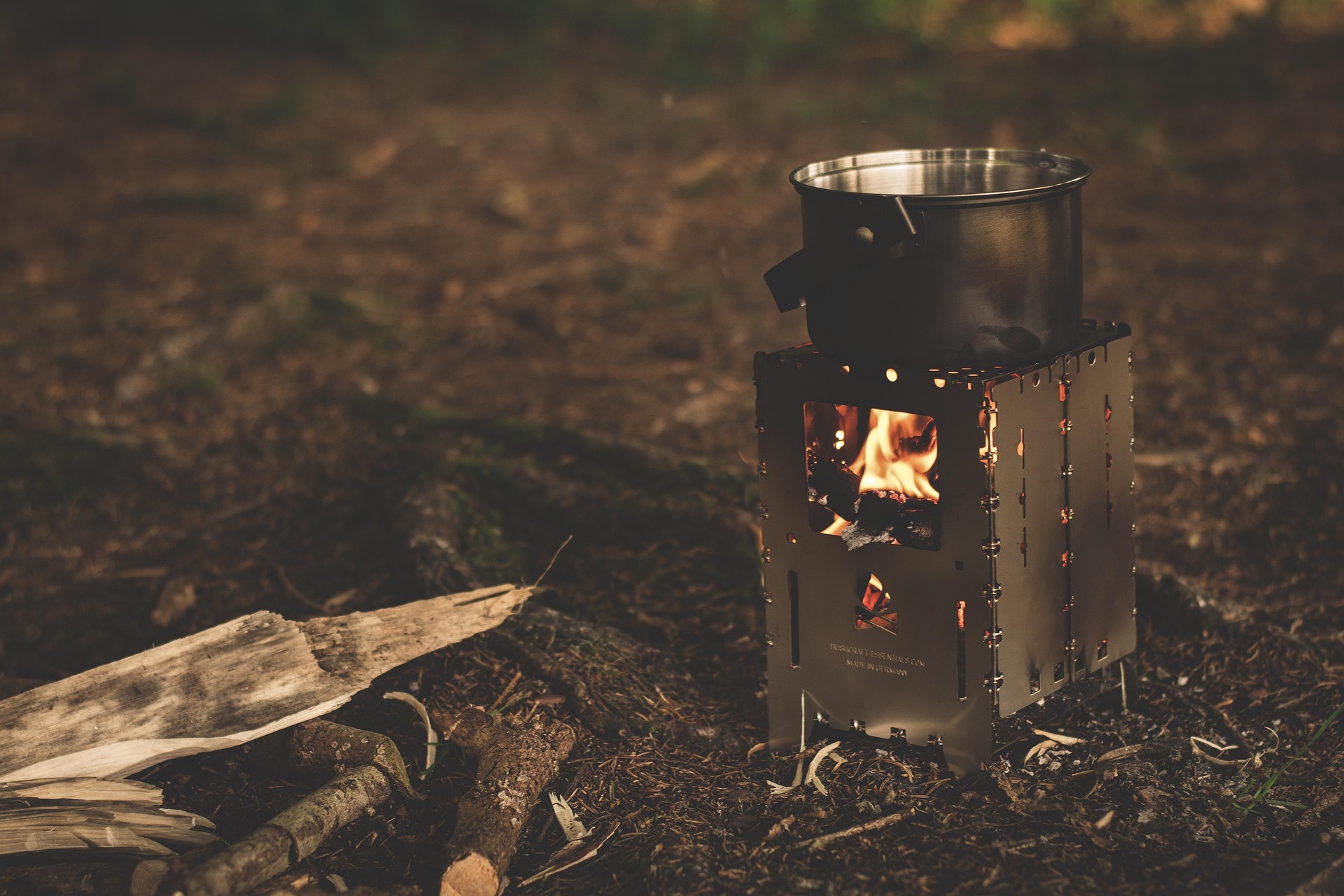
5. Backwoods Cooking
For Scouts ready for a more adventurous cooking activity, introduce an appropriate form of backwoods cooking.
Choose a method suitable for the campsite and the Scouts’ experience.
Any activity involving fire, hot equipment or sharp tools needs appropriate supervision and risk controls.
Backwoods cooking is included among the activities that can contribute towards the Scouts Outdoors Challenge Award.
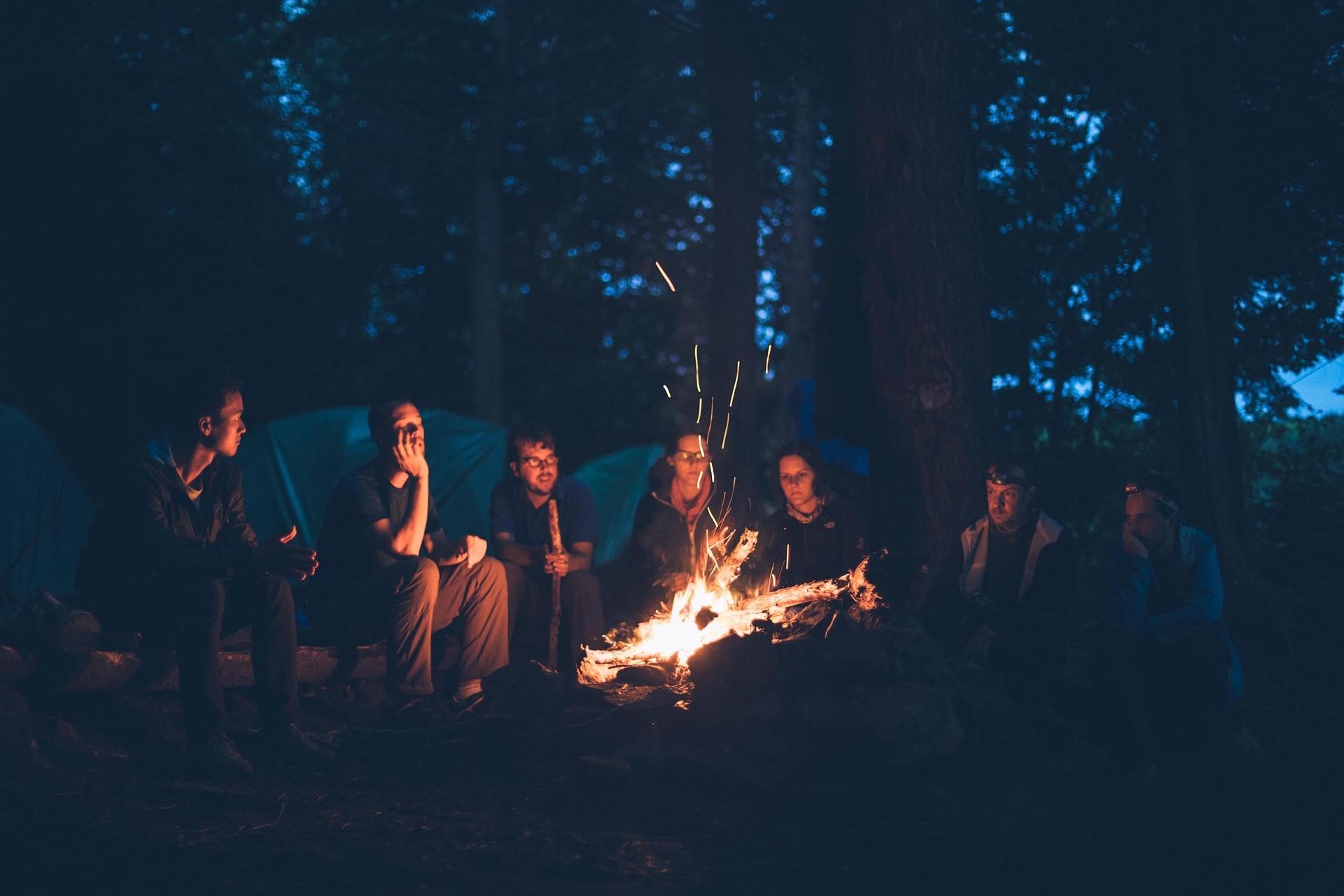
6. Campfire Challenge
Rather than simply sitting around a campfire, give Scouts responsibility for a suitable campfire programme.
They could prepare songs, stories, games, quizzes or a short performance.
A campfire can become an opportunity for Scouts to practise organisation, communication and leadership.
All fire activities should follow appropriate fire safety arrangements.
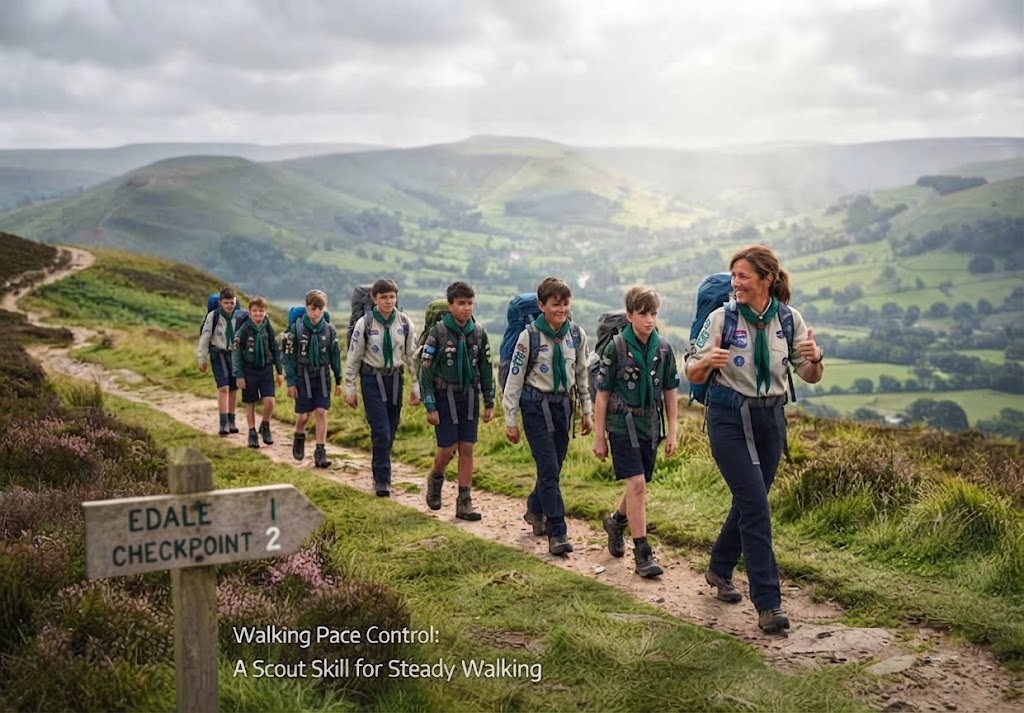
7. Navigation Challenge
Give Patrols a map and a route to follow.
Include several checkpoints along the way.
At each checkpoint they could complete a small task before continuing.
As Scouts become more confident, introduce more complicated routes and navigation decisions.
8. Expedition Planning Challenge
Ask Scouts to plan a fictional expedition.
They need to consider:
Route
Map
Navigation
Food
Equipment
Weather
Emergency arrangements
This can be developed into a real expedition where appropriate.
The Scouts Expedition Challenge Award specifically involves planning and completing a two-day expedition or exploration.
9. Night Navigation
A supervised night navigation activity can provide a completely different experience from daytime navigation.
Keep the route suitable, clearly planned and within the group’s capabilities.
Scouts can practise identifying landmarks, using maps and maintaining direction while experiencing how much harder navigation can become after dark.
Night navigation should have particularly careful safety planning, appropriate lighting and clear boundaries.
10. Shelter Building
Give Patrols a shelter-building challenge.
They could design a structure that provides protection from wind and rain.
Rather than simply building the largest shelter, challenge them to consider:
Stability
Weather protection
Available materials
Time
Environmental impact
This makes shelter building a problem-solving exercise.
11. Survival Skills Challenge
Create a series of fictional survival situations.
For example:
“You’ve become separated from your group. What should you do?”
“You’ve run out of water. What are your priorities?”
“The weather has suddenly changed. What should you do?”
Scouts discuss the safest response.
The focus should be on sensible decision-making rather than encouraging risky survival techniques.
12. Water Purification Activity
Teach Scouts about safe drinking water.
Discuss why apparently clean water isn’t necessarily safe to drink.
You can demonstrate suitable purification methods using safe equipment and controlled conditions.
Never encourage Scouts to drink untreated water during an activity.
13. First Aid Scenario Camp
Set up fictional first aid scenarios around the campsite.
A Scout finds someone with a minor injury.
Another scenario involves someone feeling unwell.
Another involves a fictional outdoor accident.
Scouts have to identify the problem and decide what action should be taken.
Use role-play rather than creating realistic injuries.
14. Camp Equipment Challenge
Give each Patrol a selection of camping equipment.
Ask them to identify what everything is used for and decide what they would take on a particular trip.
For a harder version, give them a weight limit.
They need to decide what is essential and what can be left behind.
15. Rucksack Packing Challenge
Give Scouts a scenario:
“You’re going on a full day’s hike.”
They need to pack an appropriate rucksack.
Ask them to explain their decisions.
This can introduce important ideas such as keeping essential equipment accessible, balancing weight and preparing for changing weather.
16. Camp Cooking Competition
Give Patrols the same basic ingredients.
Can they create different meals?
Judge the results on:
Taste
Planning
Presentation
Teamwork
Food safety
The winner doesn’t necessarily have to produce the most complicated dish.
17. Camp Inspection
Turn campsite organisation into a friendly challenge.
Check things such as:
Tents being properly secured.
Equipment being organised.
Cooking areas being tidy.
Waste being dealt with appropriately.
Personal equipment being stored safely.
The objective is to teach Scouts that a good campsite is a safe and organised campsite.
18. Wide Game
Camping provides plenty of space for larger games.
Try a tracking game, search game, capture-style game or another suitable wide game.
Make sure boundaries are clear and the activity is properly supervised.
Wide games are among the outdoor activities recognised within the Scouts Outdoors Challenge Award.
19. Nature at Camp
Encourage Scouts to explore the natural environment around the campsite.
They could identify trees, look for animal tracks, listen for birds or create a simple wildlife survey.
The campsite itself can become part of the learning experience.
Remind Scouts to observe wildlife responsibly and avoid damaging habitats.
20. Weather Watch
Give Scouts responsibility for monitoring the weather during camp.
Ask them to consider:
Temperature
Rain
Wind
Visibility
Forecast changes
Then discuss whether any planned activities need changing.
This teaches an important outdoor lesson:
Good outdoor skills include knowing when not to continue.
21. Camp Problem-Solving Challenge
Give Patrols fictional camping problems.
Their shelter has become wet.
A route has become unavailable.
The weather has changed.
They’ve forgotten an item of equipment.
They need to change their meal plan.
Ask them to develop a sensible solution.
There doesn’t necessarily have to be one correct answer.
22. Leadership Challenge
Let Scouts take responsibility for a short activity.
They could organise a game, lead a short campcraft session or teach another Scout a skill.
Leaders remain responsible for safety, but Scouts get the opportunity to practise leadership.
This fits naturally with the Team Leader Challenge Award.
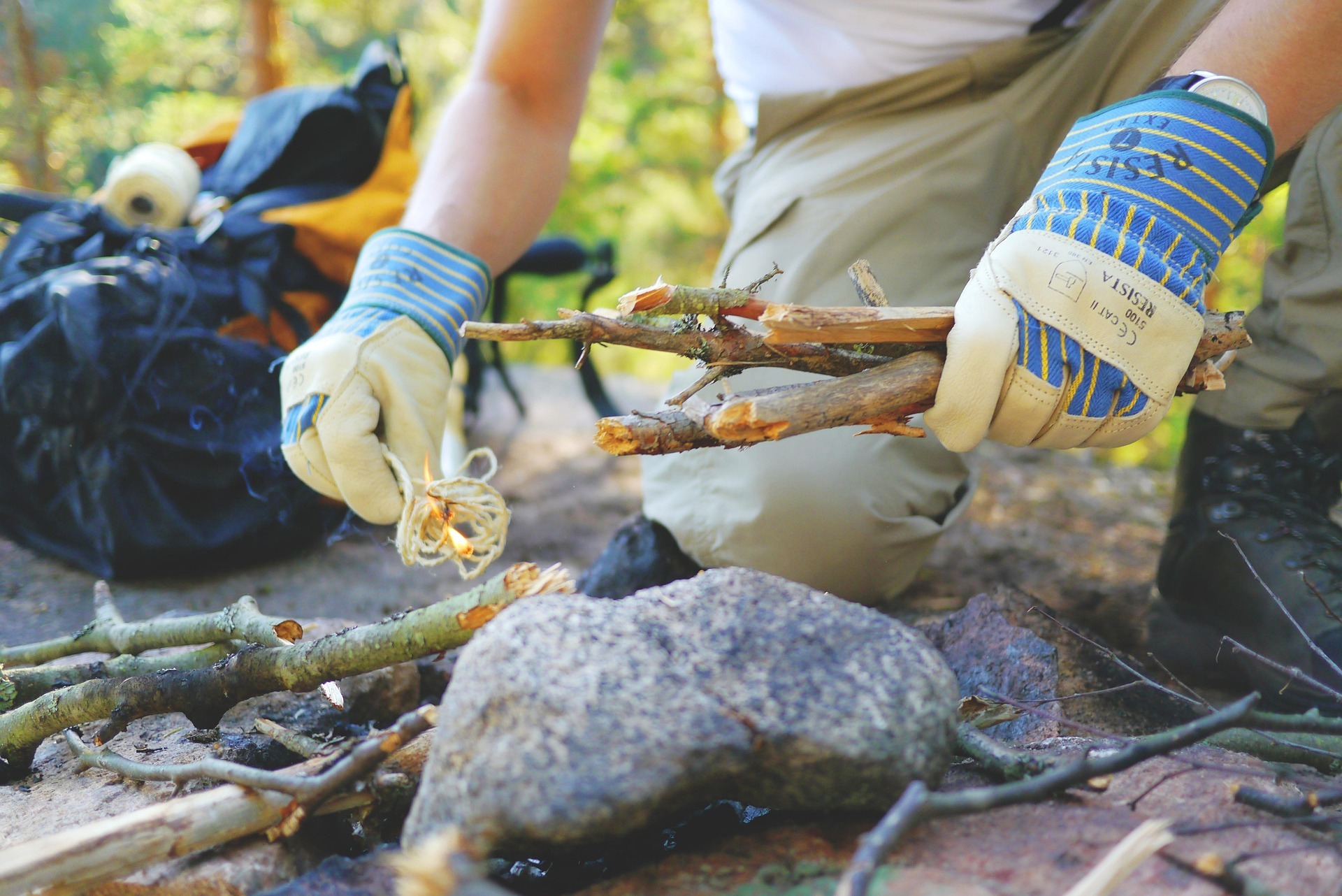
23. Campfire Cooking and Embers
Teach Scouts that cooking doesn’t always require large flames.
Once a suitable fire has produced a safe bed of embers, Scouts can learn why embers can provide useful, steady heat.
This also provides an opportunity to reinforce fire safety and the importance of never handling hot embers directly.
24. Leave No Trace Challenge
At the end of camp, challenge each Patrol to leave its area exactly as it found it.
Check for:
Rubbish
Food scraps
Equipment
Fire remnants
Damage to vegetation
The principle is simple:
Enjoy the outdoors without leaving unnecessary evidence that you were there.
25. The Ultimate Scout Camp Challenge
Bring several skills together into one weekend challenge.
Scouts could:
Pitch their tents.
Organise their campsite.
Plan and cook meals.
Complete a navigation route.
Build a camp gadget.
Take part in a wide game.
Complete a first aid scenario.
Lead an activity.
Finish with a campfire.
The important part is giving Scouts genuine opportunities to make decisions and take responsibility.
Let Scouts Take the Lead
Scouts are ready for considerably more responsibility than younger sections.
Where appropriate, let them make decisions about:
What equipment they need.
How they organise their Patrol.
What meal they prepare.
How they approach a challenge.
Which activities they want to run.
Leaders still provide the necessary supervision, boundaries and safety oversight.
The objective is supported independence, not unsupervised activity.
Make Camping More Than a Badge Exercise
Camping can contribute towards several Scouts awards, particularly the Outdoors and Expedition Challenge Awards.
But the best camps won’t feel like a list of requirements.
The Scouts should remember the adventure, not the paperwork.
Let the requirements naturally arise from good activities.
A Patrol that plans a real meal is learning about food and campcraft.
A Patrol that organises its own campsite is learning responsibility.
A Scout who leads a game is developing leadership.
A navigation challenge becomes an opportunity to practise real outdoor decision-making.
Challenge Scouts Without Making It Unsafe
Scouts should be challenged.
They don’t need every activity to be easy.
But a challenge should never depend on unnecessary risk.
A difficult navigation route can be challenging without deliberately getting Scouts lost.
A shelter challenge can be difficult without requiring dangerous construction.
A cooking challenge can test planning without requiring unsafe equipment.
A night activity can feel adventurous without taking Scouts into unsuitable terrain.
Adventure and safety aren’t opposites.
Good planning makes both possible.
Final Thoughts
Camping is one of the best opportunities Scouts have to develop practical outdoor skills.
A weekend away can combine navigation, cooking, pioneering, teamwork, leadership, first aid, campcraft and adventure into one experience.
The biggest difference from younger sections is the amount of responsibility Scouts can begin to take.
Give them meaningful jobs.
Let them solve problems.
Allow them to make appropriate decisions.
Give them opportunities to lead.
And let them learn from the experience.
🏕️ THE BIG IDEA
Don’t just take Scouts camping. Give them a reason to camp.
Build something.
Cook something.
Navigate somewhere.
Solve a problem.
Lead an activity.
Explore the outdoors.A great Scout camp isn’t simply a weekend spent sleeping in tents. It’s an opportunity to become more capable, confident and independent outdoors.
🔒Ready to test your survival skills?
Join Survival Guides UK for free, complete challenges, earn badges and increase your Survival Level.
JOIN FREE →
CRAIG BURR
FOUNDER · SURVIVAL GUIDES UK
I'm Craig, the person behind Survival Guides UK. I created SGUK because I wanted somewhere people could learn real outdoor skills in a practical, straightforward way — from lighting a fire and tying knots to navigation, campcraft and everything in between.
You can read more about the story behind SGUK here as well as our approach here.