Chief Scout’s Gold Award Explained
The Chief Scout’s Gold Award is the highest award a Scout can earn.
It represents the culmination of a young person’s time in the Scout section and recognises the range of skills, experiences and challenges they’ve taken on.
It isn’t intended to be completed in one big project. Instead, Scouts work towards it throughout their time in the section.
To earn the Gold Award, Scouts need to complete all nine Challenge Awards and six Activity or Staged Activity Badges of their choice.
For a Scout, earning Gold can be a significant achievement. It shows that they’ve been willing to try new things, develop their skills, work with others and take on challenges.
⚠️ SAFETY FIRST
Award activities should always be properly planned, age-appropriate and appropriately supervised.
Some Gold Award requirements involve camping, expeditions, navigation, cooking, adventurous activities, tools or other potentially hazardous activities. Leaders should follow current Scouts safety, safeguarding and activity guidance, complete appropriate risk assessments and make suitable adjustments where necessary.
The aim is to give Scouts genuine responsibility and challenge while keeping activities within appropriate safety arrangements.
What Does a Scout Need to Complete?
There are two parts to the Gold Award.
A Scout needs to complete:
All nine Challenge Awards
and
Six Activity or Staged Activity Badges of their choice.
The six Activity Badges don’t have to be particular badges. Scouts can choose ones that match their interests or the activities they want to explore.
That means two Scouts can earn the Gold Award while having completely different collections of Activity Badges.
The Nine Challenge Awards
The nine Scouts Challenge Awards are:
World Challenge Award
Skills Challenge Award
Creative Challenge Award
Outdoors Challenge Award
Adventure Challenge Award
Expedition Challenge Award
Teamwork Challenge Award
Team Leader Challenge Award
Personal Challenge Award
Together, they cover a wide range of experiences.
World Challenge Award
The World Challenge Award encourages Scouts to understand their community and the wider world.
It can provide opportunities to explore communities, cultures and wider issues while encouraging Scouts to think about how they can contribute positively.
It is a useful opportunity to connect Scouting with the world outside the meeting place.
Skills Challenge Award
The Skills Challenge Award focuses on developing skills and understanding healthy living.
Scouts have the opportunity to work on physical activity, monitor their progress and learn about subjects that can affect their health and wellbeing.
The important part is development.
A Scout doesn’t need to be naturally brilliant at something. They need to demonstrate that they’re learning and improving.
Creative Challenge Award
The Creative Challenge Award gives Scouts the chance to express themselves.
They can explore creative activities such as making, performing, designing, music, art, photography, writing or other forms of creative expression.
It provides an opportunity to do something that doesn’t necessarily have a traditional “right answer”.
Outdoors Challenge Award
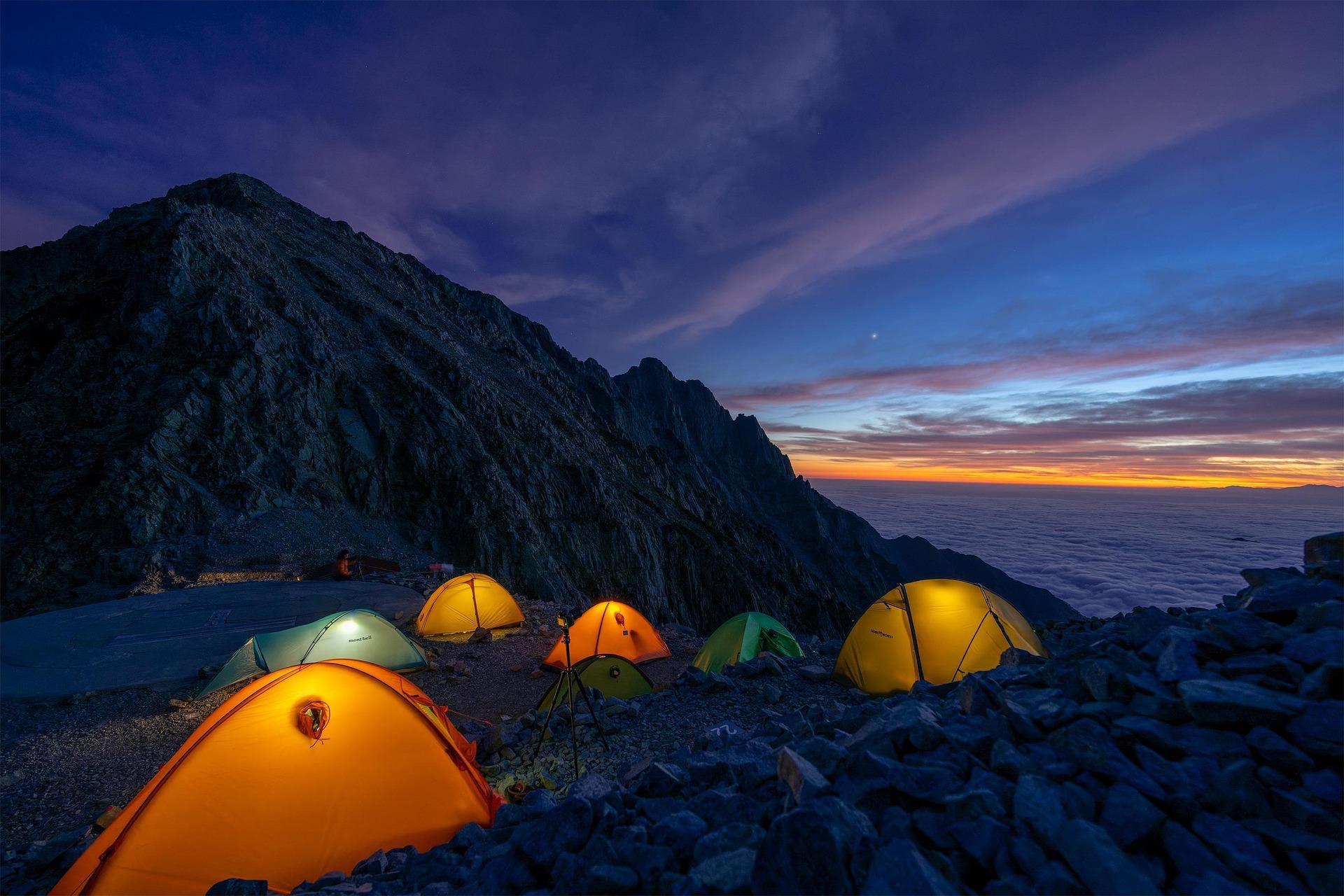
For Scouts interested in camping and outdoor skills, the Outdoors Challenge Award is one of the most substantial parts of the Gold Award.
It includes at least eight nights away, with at least four of those nights camping.
Scouts also develop practical campcraft skills, including helping organise a campsite, pitching and striking tents, cooking, campsite hygiene and following the Countryside Code. The requirements also include pioneering and safe use of tools.
There are further outdoor activities that can be used within the award, including wide games, campfires, menu planning, backwoods cooking, bivouacking and packing a rucksack.
For Scouts interested in outdoor survival and traditional Scout skills, this can be a particularly rewarding Challenge Award.
Adventure Challenge Award
The Adventure Challenge Award encourages Scouts to try adventurous activities.
Scouts take part in different adventurous activities and develop their skills while learning about the safety and environmental considerations associated with them.
This could lead to experiences involving climbing, paddlesports, cycling, hiking, orienteering or other suitable adventurous activities.
The emphasis is on experience and development, rather than simply ticking off an activity.
Expedition Challenge Award
The Expedition Challenge Award introduces Scouts to expedition-style planning and independent outdoor activity.
Scouts complete a two-day expedition or exploration, including a night away from home, with at least three other Scouts. The area should be unfamiliar to them.
They take an active role in planning the expedition, including areas such as:
Route planning
Navigation
Equipment
Food
Emergency arrangements
During the expedition, Scouts work as a team, navigate their route, cook a hot meal and complete an agreed task or investigation.
They then produce an individual report or presentation about the experience.
This is a major progression from the more closely supervised outdoor activities younger sections experience.
Teamwork Challenge Award
The Teamwork Challenge Award focuses on working effectively with other people.
Scouts take part in team activities, contribute towards shared goals and learn how different people can contribute to a successful team.
Good teamwork isn’t just about winning.
It involves listening, communicating, supporting others and taking responsibility for your part.
Team Leader Challenge Award
The Team Leader Challenge Award takes those skills further.
Scouts get opportunities to lead, organise and support others.
Leadership might involve planning an activity, coordinating a Patrol, helping someone learn a skill or making sure everyone has an opportunity to participate.
The award helps Scouts develop confidence in taking responsibility.
Personal Challenge Award
The Personal Challenge Award is about individual development.
Scouts complete two personal challenges agreed with their leader. One is chosen by the Scout and the other by the leader. The challenges should be different from those completed for the Beaver and Cub Personal Challenge Awards.
The important thing is that the challenges are genuinely meaningful to the individual Scout.
One Scout might challenge themselves to develop a practical skill.
Another might work on confidence, organisation, fitness, responsibility or something else that they find difficult.
It’s about personal progress rather than competing against other Scouts.
What Are Activity and Staged Activity Badges?
Alongside the nine Challenge Awards, Scouts need six Activity or Staged Activity Badges.
These can be badges Scouts earn through their normal programme or through activities outside regular meetings.
This is one of the parts of the Gold Award that gives Scouts considerable choice.
Someone interested in survival skills might choose outdoor-related badges.
Another Scout might choose cooking, science, sports, hobbies, creative activities or other subjects.
The award doesn’t require everyone to follow exactly the same route.
Can Staged Activity Badges Count?
Yes.
The Gold Award requirements specifically allow Activity or Staged Activity Badges.
This is useful because staged badges can allow a Scout to develop a particular skill progressively.
The six badges should reflect genuine participation and achievement rather than simply being selected because they’re easy to complete.
Do Scouts Have to Complete the Awards in Order?
No.
Scouts can work towards the Challenge Awards throughout their time in the section and at their own pace.
This means leaders can build requirements naturally into the Troop programme.
A camp can contribute towards Outdoors.
An expedition can contribute towards Expedition.
A community project can contribute towards World.
A team challenge can contribute towards Teamwork.
A new leadership opportunity can contribute towards Team Leader.
The award therefore doesn’t need to become a series of separate projects.
Don’t Turn Gold Into a Checklist
The Gold Award works best when Scouts are having genuine experiences.
Go camping because camping is fun.
Plan an expedition because Scouts want an adventure.
Try a new activity because they’re curious about it.
Run a community project because they want to make a difference.
Then record the achievements that come from those experiences.
The badge should be the result of the programme, rather than the entire purpose of it.
Give Scouts Ownership
One of the biggest differences between Scouts and younger sections is the amount of responsibility young people can begin taking.
Let Scouts help decide what the Troop does.
Give Patrols real jobs.
Let Scouts contribute to expedition planning.
Allow them to lead suitable activities.
Ask them which skills they want to develop.
This makes the Gold Award much more meaningful because Scouts can see it as their journey.
How Long Does It Take?
There isn’t one fixed timetable for every Scout.
Some requirements can be completed relatively quickly, while others naturally take much longer.
The eight nights away required for the Outdoors Challenge, for example, are something that will normally build up through multiple camps and nights away rather than being completed in one weekend.
The Gold Award is therefore best viewed as something Scouts work towards throughout their time in the section.
What If a Scout Doesn’t Finish Before Moving to Explorers?
A Scout who hasn’t quite completed the Gold Award before moving to Explorers has an opportunity to finish the outstanding requirements during their first term in the Explorer Unit.
This is particularly useful for Scouts who have completed almost everything but still have one or two requirements outstanding.
They can also continue wearing their Chief Scout’s Silver Award until they achieve Gold.
Why Is the Gold Award Important?
The Gold Award brings together many different aspects of Scouting.
A Scout can develop:
Outdoor skills
Navigation
Adventure
Leadership
Teamwork
Practical skills
Creativity
Community awareness
Personal confidence
That’s what makes the award more than a collection of badges.
It represents a broad range of experiences during the Scout years.
Celebrate the Journey
The final Gold Award deserves to be celebrated.
But the journey deserves recognition too.
Celebrate when a Scout completes a Challenge Award.
Celebrate a successful expedition.
Recognise someone taking on a leadership role.
Acknowledge a Scout who has overcome a difficult personal challenge.
The final award then becomes the culmination of all those achievements.
Scouts themselves describe the Gold Award as the culmination of everything a young person does in Scouts, and recommend celebrating the achievement as a meaningful personal journey.
What Comes Next?
The Chief Scout’s Gold Award is the highest award a Scout can earn before moving on to Explorers.
But it isn’t the end of Scouting.
Explorers offer new opportunities, greater independence and more advanced challenges.
For Scouts who enjoy outdoor and survival skills, this could mean progressing towards more demanding navigation, expedition, camping, first aid and leadership experiences.
The Gold Award provides a strong foundation for that next stage.
Final Thoughts
The Chief Scout’s Gold Award is about much more than completing nine Challenge Awards and six Activity or Staged Activity Badges.
It’s about what happens while Scouts are earning them.
The camps.
The expeditions.
The new skills.
The mistakes and lessons.
The leadership opportunities.
The challenges that seemed difficult at first.
The experiences shared with friends.
That’s what makes the Gold Award such an important milestone.
⚜️ THE BIG IDEA
Gold isn’t about being the perfect Scout. It’s about becoming a more capable one.
Try something new.
Learn something useful.
Take responsibility.
Help your team.
Challenge yourself.
Keep going when something is difficult.By the time a Scout earns their Chief Scout’s Gold Award, they should have much more than a badge. They should have a collection of experiences, skills and memories that they’re genuinely proud of.
And they should be ready for whatever comes next.
🔒Ready to test your survival skills?
Join Survival Guides UK for free, complete challenges, earn badges and increase your Survival Level.
JOIN FREE →
CRAIG BURR
FOUNDER · SURVIVAL GUIDES UK
I'm Craig, the person behind Survival Guides UK. I created SGUK because I wanted somewhere people could learn real outdoor skills in a practical, straightforward way — from lighting a fire and tying knots to navigation, campcraft and everything in between.
You can read more about the story behind SGUK here as well as our approach here.