Scouts Challenge Awards Explained
The Scouts Challenge Awards encourage young people to step outside their comfort zone, develop skills and take on new experiences.
There are nine Challenge Awards for Scouts:
Completing all nine is a major part of earning the Chief Scout’s Gold Award, the highest award a Scout can earn. Scouts also need six Activity or Staged Activity Badges of their choice.
The Challenge Awards are deliberately varied. Some focus on outdoor skills and adventure, while others develop teamwork, leadership, creativity and personal growth.
⚠️ SAFETY FIRST
Challenge Award activities should always be age-appropriate, properly planned and appropriately supervised. Some requirements involve camping, cooking, adventurous activities, tools, navigation or other potential hazards.
Leaders should follow the current Scouts safety, safeguarding and activity guidance, complete appropriate risk assessments and make suitable adjustments where necessary.
The aim is to give Scouts a genuine challenge while keeping the activity within appropriate safety arrangements.
World Challenge Award
The World Challenge Award encourages Scouts to understand their community and the wider world.
Scouts can explore aspects of local community life, learn about issues affecting their area and get involved with community service.
The award isn’t simply about learning facts.
It encourages Scouts to understand how communities work and consider how they can contribute positively.
This makes it a useful opportunity for volunteering, community projects and exploring subjects such as local history, faiths, beliefs, government or local industries.
Skills Challenge Award
The Skills Challenge Award is about developing a skill through practice.
Scouts work on physical activity over a period of weeks and keep track of their progress.
They also explore healthy living and learn about the harmful effects of smoking, alcohol and drugs.
The important part is improvement.
A Scout doesn’t have to be the best at the activity.
They need to show that they’re developing their ability and understanding.
Creative Challenge Award
The Creative Challenge Award gives Scouts an opportunity to explore creativity.
This could involve making, performing, designing or developing something of their own.
The emphasis is on using imagination and developing a creative idea rather than simply following instructions.
It can therefore work particularly well with Scouts who enjoy music, drama, art, photography, writing, design or making things.
Outdoors Challenge Award
The Outdoors Challenge Award is a major opportunity for Scouts to develop practical outdoor skills.
It includes taking part in at least eight nights away, with at least four of those nights camping.
Scouts also work together to pitch and strike tents, help organise a campsite, cook a meal using an appropriate fire or stove, understand the Countryside Code and practise campsite hygiene.
They also develop pioneering skills, learn about outdoor incidents and practise using tools such as an axe, saw or knife safely.
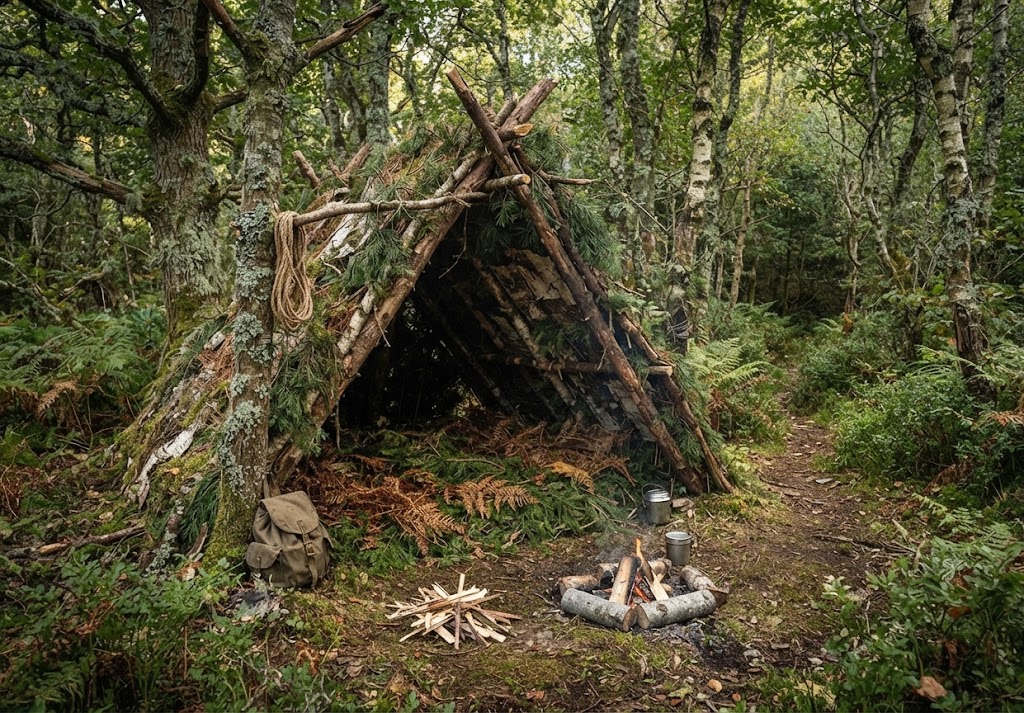
There are additional outdoor challenges to choose from, including wide games, campfires, planning menus, leading cooking, packing a rucksack, backwoods cooking and bivouacking.
For Scouts interested in camping, bushcraft and survival skills, this can be one of the most practical Challenge Awards.
Adventure Challenge Award
The Adventure Challenge Award encourages Scouts to experience adventurous activities.
Scouts take part in four different adventurous activities, with at least two being new to them.
They then demonstrate how they have developed their skills in one activity and understand the relevant safety and environmental considerations.
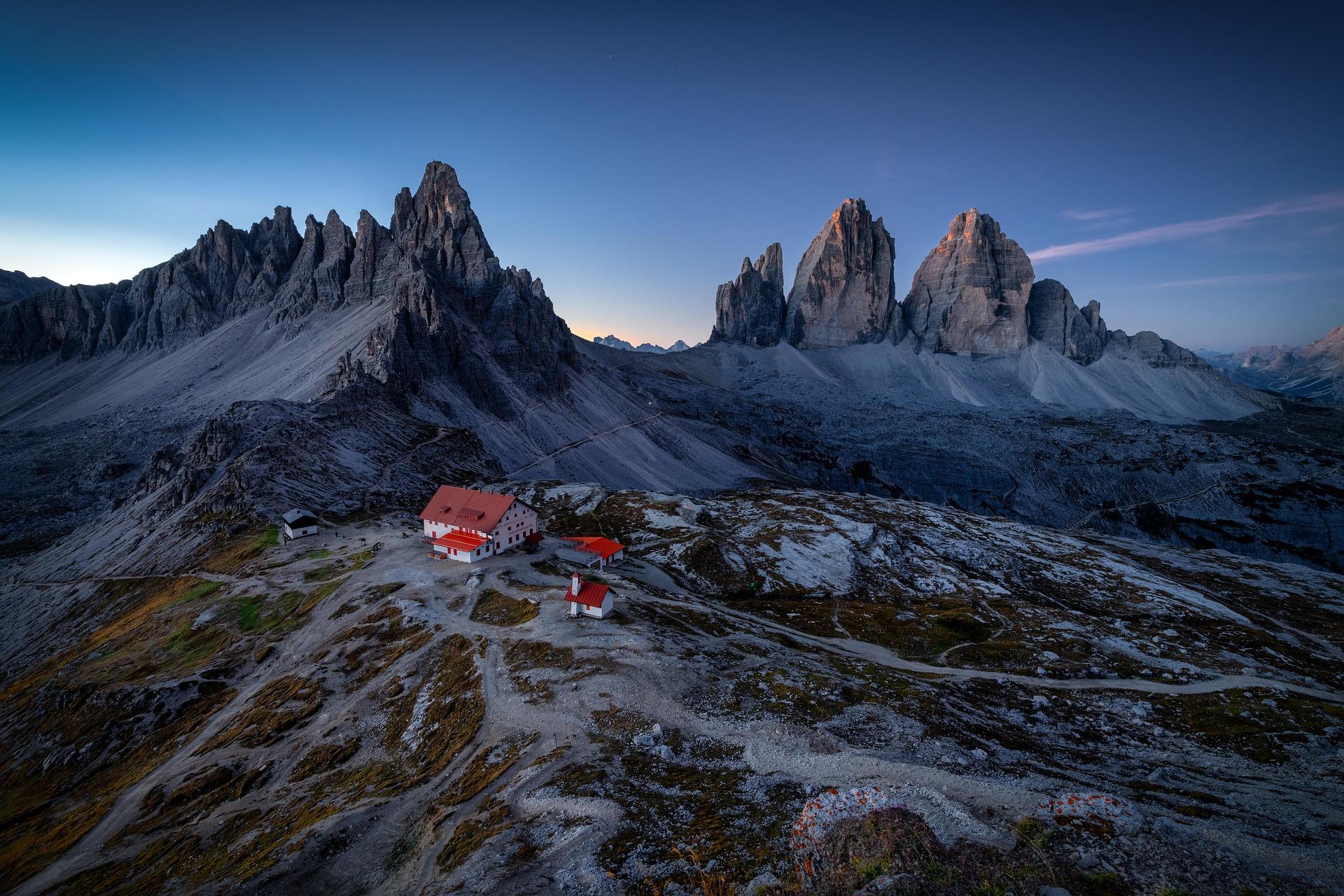
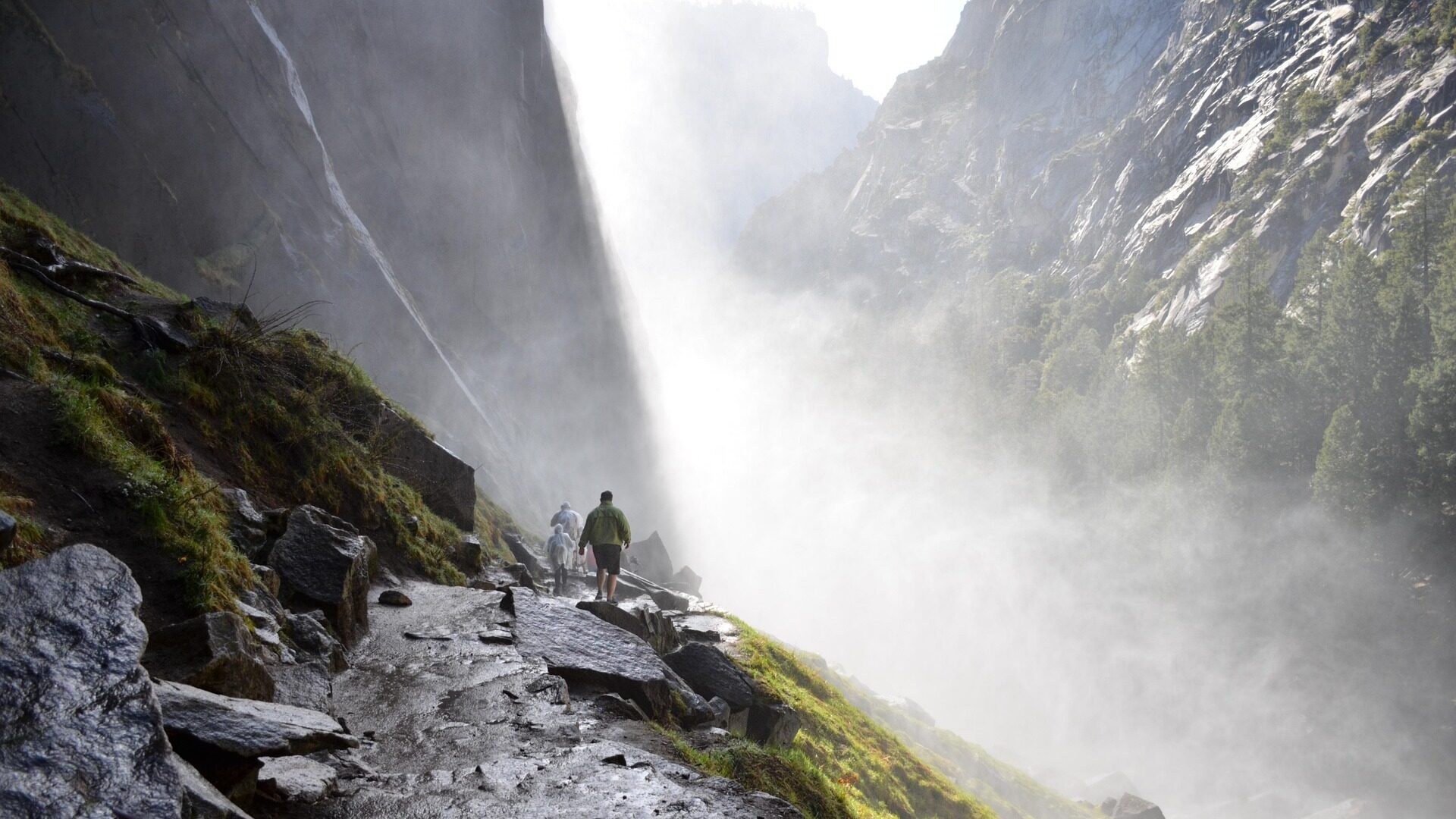
Possible activities include climbing, canoeing, cycling, hiking, orienteering, rafting, sailing and many other adventurous pursuits.
The aim isn’t simply to try something once.
Scouts are encouraged to develop their ability and continue exploring their chosen activities.
Expedition Challenge Award
The Expedition Challenge Award takes Scouts into more independent expedition-style activities.
Scouts take part in a two-day expedition or exploration with at least three other Scouts, including a night away from home. The area should be somewhere they’re not familiar with.
They take an active role in planning the expedition, including:
Route planning
Navigation
Equipment
Food
Emergency arrangements
During the expedition, they work as a team, navigate, cook a hot meal and complete an agreed task or investigation.
Afterwards, they produce an individual report or presentation about the experience.
This is a great progression from the more structured outdoor activities Cubs experience.
Teamwork Challenge Award
The Teamwork Challenge Award is about learning how to contribute effectively to a team.
Scouts work with others over a period of time to achieve shared goals.
They take part in different types of teams, complete team-building activities and contribute to Patrol or Troop Forums.
The emphasis isn’t on being the loudest person or the best leader.
A good team member also listens, supports others, communicates and does their share of the work.
Team Leader Challenge Award
The Team Leader Challenge Award develops leadership skills.
Scouts have opportunities to take responsibility, organise activities and help other people.
Leadership doesn’t necessarily mean standing at the front and telling everyone what to do.
It can mean planning carefully, listening to others, solving problems and making sure everyone gets involved.
This award provides a useful bridge towards the greater independence expected as Scouts move into Explorers.
Personal Challenge Award
The Personal Challenge Award is about setting meaningful challenges for yourself.
Scouts complete two personal challenges agreed with their leader. One is chosen by the Scout and the other by the leader. The challenges must be different from those completed for the Beaver and Cub Personal Challenge Awards.
The challenges should be things that are genuinely difficult but achievable with effort and commitment.
They can relate to Scouts, school, home, hobbies, fitness, helping others or almost any other suitable part of life.
The important thing is personal development, not comparison with other Scouts.
How the Nine Awards Fit Together
The nine Challenge Awards cover a broad range of experiences.
World develops community awareness.
Skills encourages improvement and healthy living.
Creative develops imagination and expression.
Outdoors builds practical outdoor confidence.
Adventure encourages new experiences.
Expedition develops planning and independence.
Teamwork develops cooperation.
Team Leader develops leadership.
Personal Challenge focuses on individual growth.
Together, they provide a balanced programme that goes well beyond simply learning Scout skills.
How Do They Link to the Chief Scout’s Gold Award?
The Challenge Awards are central to the Chief Scout’s Gold Award.
To earn the Gold Award, a Scout needs to complete:
All nine Challenge Awards
and
Six Activity or Staged Activity Badges of their choice.
The Gold Award is the highest award a Scout can earn.
It represents the culmination of their time in Scouts and provides a clear goal for Scouts who want to challenge themselves.
Do Scouts Have to Complete Them in Order?
No.
The nine Challenge Awards can be worked towards throughout a Scout’s time in the section.
A Troop can build requirements naturally into its programme.
A camping trip might contribute towards Outdoors.
A hiking expedition can support Expedition.
A community project could contribute towards World.
A team activity could help with Teamwork.
This means the awards don’t have to become separate projects that take over the programme.
Don’t Turn the Awards Into Homework
Challenge Awards work best when Scouts are actually doing things.
Don’t make every meeting about ticking off requirements.
Go camping because camping is fun.
Take on an expedition because it’s an adventure.
Run a community project because Scouts want to make a difference.
Try a new activity because they want to see what it’s like.
Then record the relevant achievements.
The badge should be the evidence of the experience rather than the entire purpose of it.
Give Scouts More Ownership
Scouts are at an age where they can take considerably more responsibility for their own activities.
Let them suggest challenges.
Allow them to help plan expeditions.
Give Patrols genuine decisions to make.
Let Scouts take leadership roles.
Ask them what skills they want to develop.
This fits particularly well with the Challenge Awards because many of them are designed around Scouts taking responsibility for their own progress.
The Gold Award Is a Journey
Completing nine Challenge Awards is a substantial achievement.
It’s unlikely to happen overnight.
Instead, Scouts gradually build their experience through camps, expeditions, projects, activities and challenges.
Some requirements may be completed during normal Troop meetings.
Others might take months.
That’s part of the point.
The Gold Award is intended to represent a Scout’s journey through the section.
What Happens If a Scout Doesn’t Finish?
Scouts who haven’t quite completed the Gold Award before moving to Explorers have an opportunity to finish the outstanding requirements during their first term in the Explorer Unit.
This gives Scouts some breathing space if they’ve completed most of the award but still have a few requirements remaining.
It also means that moving sections doesn’t automatically mean losing the opportunity to finish an award they’ve worked hard towards.
Celebrate the Achievement
Completing the Gold Award is a significant milestone.
But don’t wait until then to celebrate progress.
Recognise individual Challenge Awards.
Celebrate successful expeditions.
Acknowledge good leadership.
Celebrate when someone completes a difficult personal challenge.
The final Gold Award then becomes the culmination of all those smaller achievements.
Final Thoughts
The nine Scouts Challenge Awards provide opportunities to develop adventure, outdoor skills, creativity, teamwork, leadership, independence and personal confidence.
They also provide the main route towards the Chief Scout’s Gold Award.
The best Scout programmes won’t feel like a badge factory.
They’ll feel like a collection of experiences that happen to help Scouts complete their awards along the way.
⚜️ THE BIG IDEA
Challenge Awards are about pushing yourself further.
Try something new.
Learn something useful.
Lead something.
Work with others.
Explore somewhere unfamiliar.
Take on something that challenges you.By the time a Scout completes all nine Challenge Awards, they should have much more than a collection of badges. They should have a growing set of skills, experiences and memories that prepare them for the bigger challenges of Explorers.
🔒Ready to test your survival skills?
Join Survival Guides UK for free, complete challenges, earn badges and increase your Survival Level.
JOIN FREE →
CRAIG BURR
FOUNDER · SURVIVAL GUIDES UK
I'm Craig, the person behind Survival Guides UK. I created SGUK because I wanted somewhere people could learn real outdoor skills in a practical, straightforward way — from lighting a fire and tying knots to navigation, campcraft and everything in between.
You can read more about the story behind SGUK here as well as our approach here.