Cubs Cooking Activities: Fun Outdoor Food Ideas
Cooking is a brilliant outdoor skill for Cubs.
It combines practical skills with teamwork, creativity and a little bit of adventure.
A Cub who learns how to prepare a simple meal at a campsite is developing skills they can use long after they’ve left Cubs.
Cooking doesn’t always need to involve a campfire or camping stove either. You can introduce many of the basic skills at a normal Pack meeting before progressing to outdoor cooking.
⚠️ SAFETY FIRST
Cooking activities should be properly planned, risk assessed and appropriately supervised. Take particular care with knives, hot water, hot surfaces, cooking equipment and fires.
Cubs should only use equipment appropriate for their age and ability, with adults providing the level of supervision required. Teach Cubs safe food handling and hygiene, including handwashing and keeping raw and cooked foods separate.
Check for allergies and dietary requirements before the activity. Follow the current Scouts safety guidance and any relevant food safety requirements.
1. No-Cook Snack Challenge
Start with something simple.
Give Cubs a selection of suitable ingredients and challenge them to create a healthy snack without cooking.
They could make fruit kebabs, wraps, sandwiches or another simple snack.
The challenge is to create something tasty while thinking about presentation and ingredients.
2. Design a Camp Menu
Ask Cubs to design a menu for a camping weekend.
They need to think about:
Breakfast.
Lunch.
Dinner.
Snacks.
Drinks.
Then ask:
“What equipment would we need?”
“How would we keep the food safe?”
“Which ingredients need refrigeration?”
It introduces meal planning before any cooking takes place.
3. Campfire Toasting
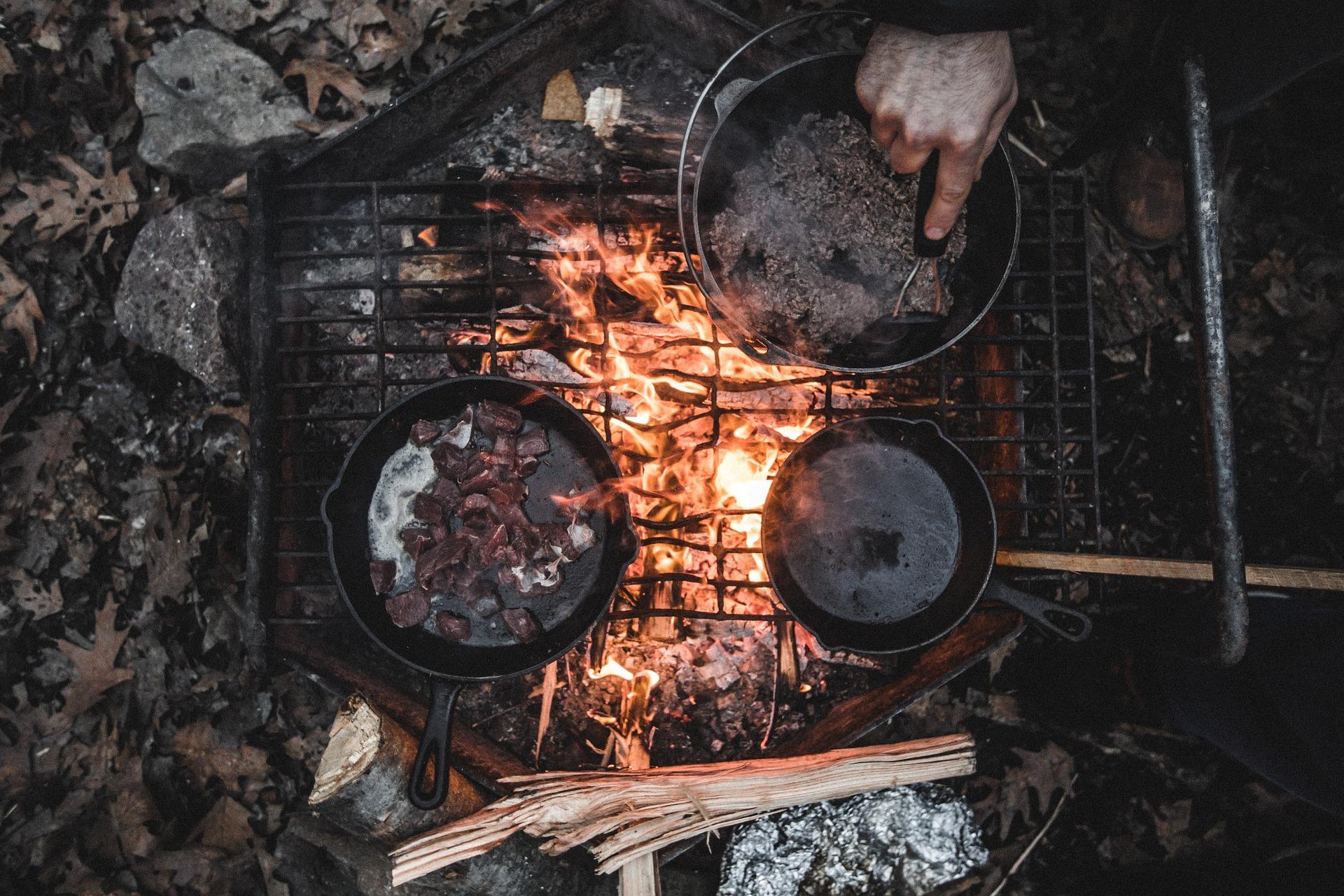
With appropriate adult supervision and a properly managed cooking fire, Cubs can experience simple campfire cooking.
Toasting suitable food over heat can be an enjoyable introduction to outdoor cooking.
Keep Cubs positioned safely and make sure adults manage the higher-risk aspects of the fire.
4. One-Pot Cooking
A simple one-pot meal can teach Cubs about preparing ingredients, measuring and cooking.
Depending on your equipment and supervision, this could be a basic pasta dish, vegetable stew or another suitable recipe.
The emphasis should be on learning how ingredients come together.
5. Outdoor Pizza
Make individual pizzas using suitable bases and toppings.
They can be cooked using an appropriate outdoor oven or other safe cooking setup.
Let Cubs design their own combinations.
For an extra challenge, give each Six a limited selection of ingredients.
6. Foil Parcel Challenge
Foil parcels can provide an interesting outdoor cooking activity when using an appropriate cooking setup.
Give Cubs suitable ingredients and ask them to design their own parcel.
An adult should manage the hot cooking equipment and supervise the activity closely.
Make sure the food is cooked thoroughly before eating.
7. Blind Taste Test
Prepare several safe foods and ask Cubs to identify them by taste.
You could compare different fruits, vegetables, breads or other suitable ingredients.
Check allergies and dietary requirements carefully before using this activity.
It can lead into a conversation about taste, texture and smell.
8. Food Hygiene Relay
Turn food safety into a game.
Create cards showing different actions.
For example:
Wash your hands.
Use a clean chopping board.
Put raw food next to cooked food.
Clean your equipment.
Cubs have to sort the actions into safe and unsafe.
9. Camp Cooking Equipment Hunt
Hide or display different pieces of cooking equipment.
Can Cubs identify them?
What are they used for?
Which ones can become hot?
Which ones should only be handled by an adult?
This introduces equipment before Cubs start cooking.
10. Breakfast Challenge
Give each Six a selection of breakfast ingredients.
Ask them to design a simple camping breakfast.
They need to think about what equipment is needed and how they would prepare everything.
The challenge can be more about planning and teamwork than producing a complicated meal.
11. Backwoods Cooking
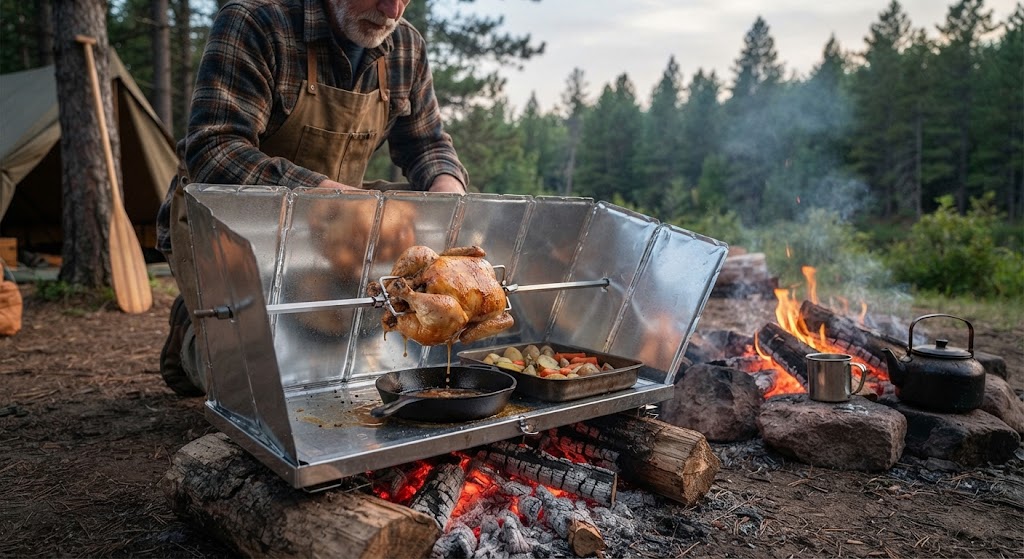
For Cubs who are ready for a more adventurous activity, introduce a suitable form of backwoods cooking.
This should only be done with appropriate equipment, supervision and a properly planned cooking area.
The Our Outdoors Challenge Award includes backwoods cooking among its optional outdoor activities.
12. Measuring Challenge
Cooking is a great way to practise measurements.
Give Cubs a simple recipe and ask them to measure the ingredients accurately.
You can introduce different units and discuss why accurate measurements matter.
13. Recipe Rescue
Give Cubs a recipe with something deliberately wrong.
Perhaps there’s too much of one ingredient.
Perhaps an important ingredient is missing.
Perhaps the quantities don’t make sense.
Can they work out what needs changing?
14. Cook With Limited Equipment
Give each Six a simple menu and a restricted equipment list.
They need to decide how they could prepare the meal using only those items.
It encourages planning and problem-solving.
15. Campfire Dessert
Outdoor desserts can make a camping meal feel special.
Choose a simple recipe suitable for your cooking setup and the Cubs taking part.
Keep hot equipment under appropriate adult supervision and make sure food is safe to eat before serving.
16. Food From Around the World
Choose a country and prepare a simple dish inspired by its cuisine.
Use the activity to introduce Cubs to different cultures and ingredients.
It can also link nicely with the Our World Challenge Award, which encourages Cubs to learn about other countries and cultures.
17. Pack Lunch Challenge
Ask Cubs to design a packed lunch suitable for a day hike.
They need to consider:
Weight.
Nutrition.
Packaging.
Food safety.
How easy it is to eat outdoors.
This is particularly useful before a Cub hike.
18. Camp Kitchen Team Challenge
Give each Six responsibility for part of a meal.
One person might prepare ingredients.
Another might organise equipment.
Another might help with cooking.
Another might be responsible for clearing up.
Rotate the jobs so everyone gets involved.
19. What’s Safe to Eat?
Give Cubs fictional camping food scenarios.
“This food has been left in the sun all afternoon.”
“Raw meat has been stored next to cooked food.”
“Someone has forgotten to wash their hands.”
Ask Cubs what the problem is and what should happen.
It’s a simple way to introduce food safety without needing to create an actual unsafe situation.
20. The Big Outdoor Cooking Challenge
Bring everything together.
Give each Six a simple meal to prepare.
They need to plan the ingredients, organise their equipment, prepare the food, cook it safely and clean up afterwards.
The cooking itself is only part of the challenge.
Good outdoor cooks also know how to plan, organise, work safely and leave the cooking area clean.
Teach the Skills Before the Recipe
It’s tempting to focus on what Cubs are going to eat.
But cooking activities can teach much more.
Show Cubs how to:
Wash their hands.
Prepare ingredients safely.
Use suitable equipment.
Measure ingredients.
Keep their workspace organised.
Clean up afterwards.
These are skills they’ll use every time they cook.
Cooking Outdoors Is Different
Outdoor cooking introduces additional challenges.
Wind can affect cooking.
Weather can change.
Equipment may be less familiar.
There may be limited washing facilities.
Food may need to be transported and stored safely.
These challenges make outdoor cooking a useful part of learning campcraft.
Don’t Make Every Activity About Fire
Outdoor cooking doesn’t have to mean cooking over flames.
Use:
Camping stoves
Outdoor ovens
No-cook meals
Cold snacks
Thermal cooking
where appropriate and properly supervised.
This gives Cubs a much broader understanding of outdoor food.
Let Cubs Take Responsibility
Where it is safe and appropriate, allow Cubs to make decisions.
Ask them what equipment they need.
Let them help plan the meal.
Give them jobs.
Ask them to check whether the cooking area is organised.
The aim is to develop confidence without giving Cubs responsibilities beyond their age, training or ability.
Clean Up Properly
Cooking isn’t finished when the food has been eaten.
Cubs should learn to clean their equipment, dispose of waste appropriately and leave the cooking area tidy.
This is especially important when camping.
A good cook leaves the kitchen ready for the next person.
Final Thoughts
Cooking activities give Cubs an excellent opportunity to develop practical skills while having fun.
They can start with a simple snack and gradually work towards planning and preparing a complete outdoor meal.
The most valuable lesson isn’t how to make one particular recipe.
It’s learning how to plan, prepare, cook safely and clean up afterwards.
🍳 THE BIG IDEA
Good outdoor cooking is about more than good food.
Plan the meal.
Prepare carefully.
Cook safely.
Work as a team.
Clean up afterwards.Give Cubs those skills and they’ll be better prepared for camping, adventures and everyday life.
🔒Ready to test your survival skills?
Join Survival Guides UK for free, complete challenges, earn badges and increase your Survival Level.
JOIN FREE →
CRAIG BURR
FOUNDER · SURVIVAL GUIDES UK
I'm Craig, the person behind Survival Guides UK. I created SGUK because I wanted somewhere people could learn real outdoor skills in a practical, straightforward way — from lighting a fire and tying knots to navigation, campcraft and everything in between.
You can read more about the story behind SGUK here as well as our approach here.