Outdoor Cooking Basics for Scouts
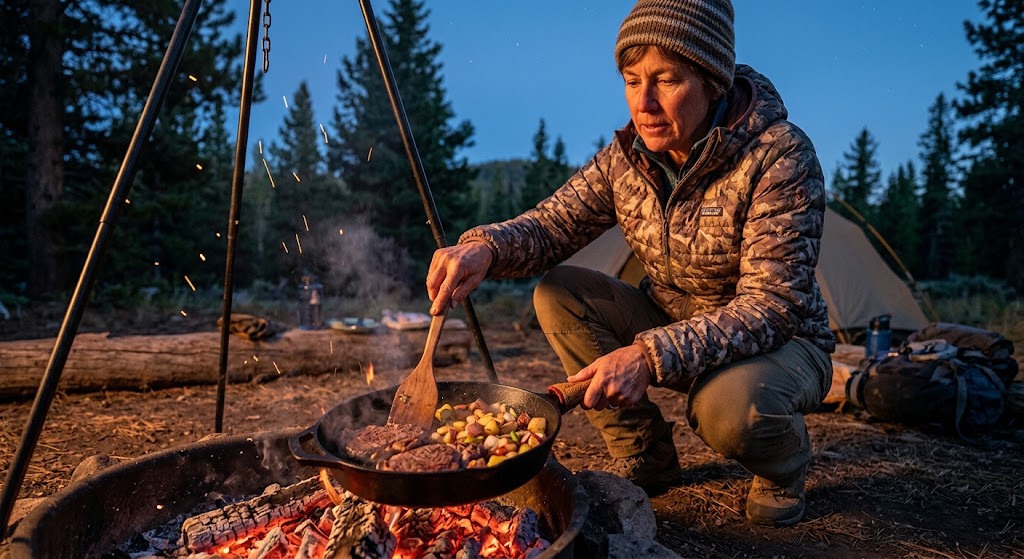
Outdoor cooking is a useful Scout skill that combines planning, food preparation, equipment management and safety.
Cooking outside is different from cooking in a kitchen. You have less space, fewer facilities and changing weather conditions to consider.
The aim is to prepare food safely while keeping your cooking area organised and leaving the site clean afterwards.
Plan Before You Start
Good outdoor cooking starts before you arrive.
Think about:
Keeping the plan simple makes outdoor cooking much easier.
Choose Suitable Food
Outdoor meals should match the activity.
For a short activity, you may only need a simple meal.
For a longer camp, consider meals that are practical to transport, store and prepare.
Think about preparation time as well as cooking time.
Organise Your Equipment
Keep the equipment you need together.
A basic outdoor cooking kit might include:
The exact equipment will depend on the meal and cooking method.
Keep Food Preparation Separate
Try to create separate areas for different tasks.
For example, keep raw ingredients away from ready-to-eat food.
Use clean utensils and surfaces for food that is ready to serve.
This helps reduce the risk of cross-contamination.
Wash Your Hands
Hand hygiene is particularly important outdoors.
Wash your hands before preparing food and after handling raw ingredients.
If proper handwashing facilities aren’t available, use the appropriate alternative provided for the activity.
Keep Food Protected
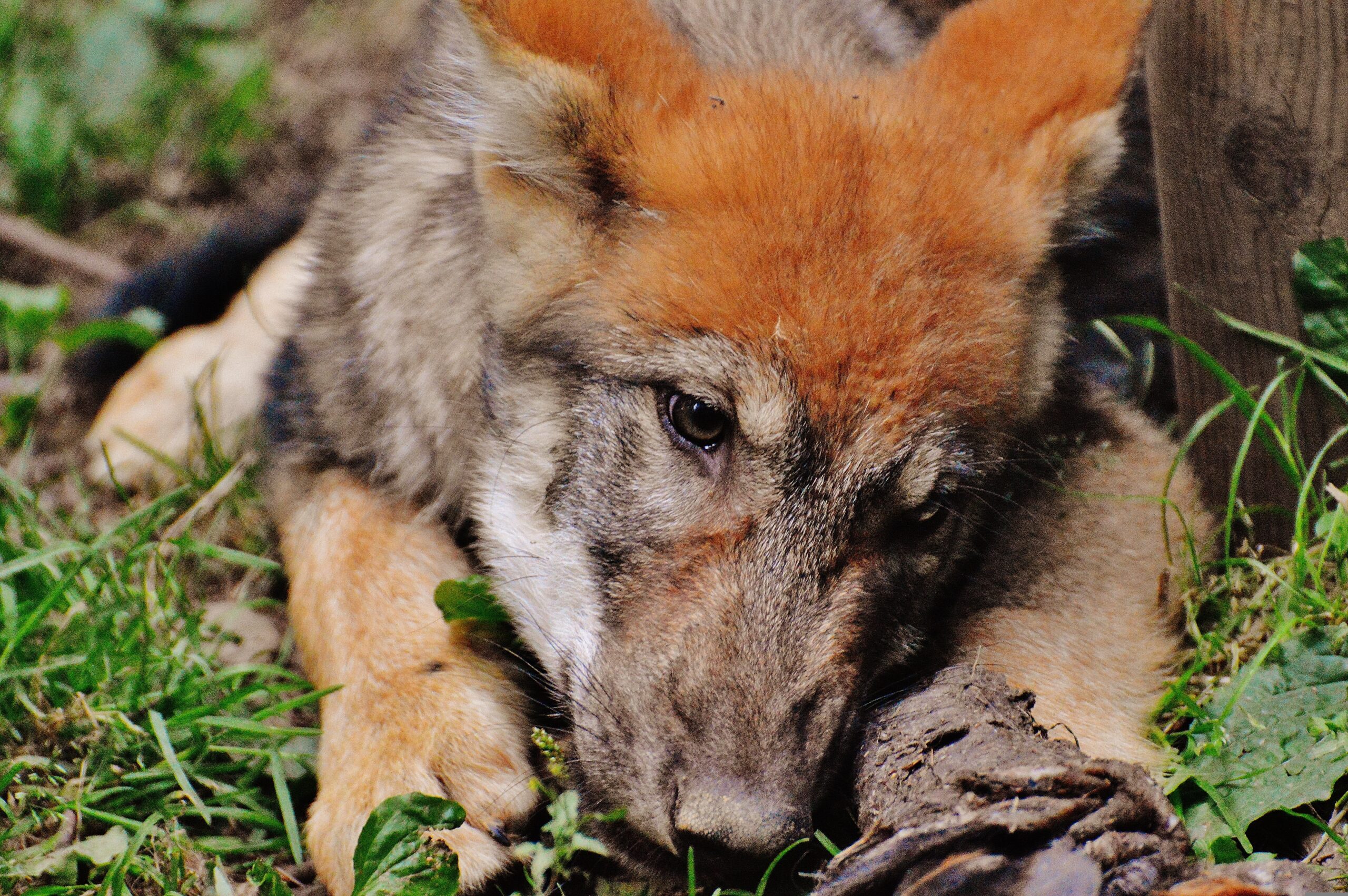
Food should be protected from dirt, insects, weather and animals.
Keep ingredients covered when you’re not using them.
Don’t leave food sitting around unnecessarily.
Think About Temperature
Some foods need to be kept chilled.
Plan how you’ll transport and store them before leaving home.
A suitable cool box or insulated container can help keep perishable food at the appropriate temperature.
Keep the Cooking Area Tidy
Outdoor cooking areas can become cluttered quickly.
Keep equipment organised and put things away when you’re finished with them.
A tidy cooking area is easier to work in and helps reduce accidents.
Follow Equipment Instructions
Different cooking equipment has different requirements.
Always use equipment according to the manufacturer’s instructions.
Make sure Scouts understand which equipment they are allowed to use and what requires adult supervision.
Think About the Weather
Weather can affect outdoor cooking significantly.
Rain can make equipment and surfaces wet.
Wind can make cooking equipment unstable and blow dirt or debris onto food.
Cold weather can also affect food storage and preparation.
Have a backup plan if conditions become unsuitable.
Don’t Cook Inside a Tent
Cooking equipment should not normally be used inside a tent or enclosed shelter.
Cooking can introduce serious fire, carbon monoxide and ventilation hazards.
Use a properly designated outdoor cooking area instead.
Manage Water Carefully
Water may be needed for:
Plan your supply before starting.
Don’t assume that water from a natural source is safe to use without appropriate treatment.
Clean as You Go
Cleaning shouldn’t be left until the end of the activity.
Wash or clean equipment as you finish using it.
This prevents dirty equipment from building up and makes the final clean-up much easier.
Dispose of Waste Properly
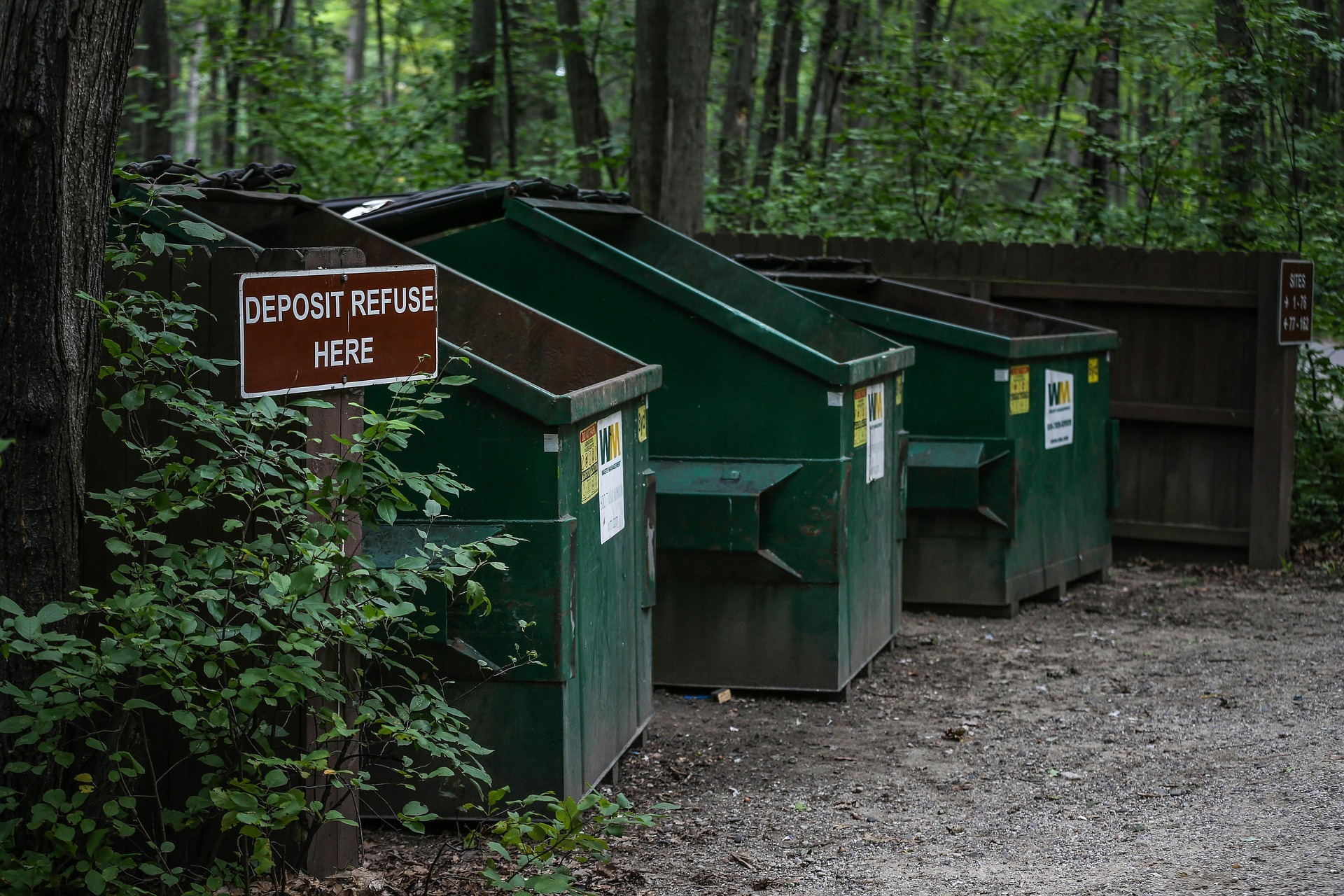
Food scraps, packaging and dirty water all need to be managed responsibly.
Don’t leave food waste around the campsite.
Follow the site’s arrangements for rubbish and wastewater.
Leave No Trace
When you’ve finished cooking, look around your cooking area.
Remove rubbish and leftover food.
Clean and pack away equipment.
Check the ground for anything you’ve dropped.
The aim is to leave the area as clean as—or cleaner than—you found it.
Younger Scouts
Younger Scouts can learn the basics through simple supervised cooking tasks.
They can help with:
Tasks should match their age, ability and the equipment being used.
Older Scouts
Older Scouts can take greater responsibility for planning a meal.
They can work out the ingredients, equipment and preparation sequence before cooking begins.
This helps develop independence, teamwork and practical problem-solving.
Leader Notes
Make sure the cooking method and equipment are appropriate for the Scouts involved.
Consider food allergies, dietary requirements, hygiene, equipment safety and weather conditions when planning activities.
Where cooking equipment presents additional hazards, provide appropriate instruction and supervision.
Safety
Keep food preparation areas clean.
Prevent raw and ready-to-eat foods from coming into contact.
Store perishable food appropriately.
Follow equipment instructions.
Never cook inside a tent or enclosed shelter.
Keep cooking areas organised and free from unnecessary clutter.
Manage food waste and wastewater responsibly.
Learning Outcomes
Scouts can learn to:
Final Thought for Scouts
Good outdoor cooking isn’t just about making food.
Plan well, keep things clean, stay organised and look after the place you’re cooking in.
Those habits will make outdoor cooking safer, easier and more enjoyable.
🔒Ready to test your survival skills?
Join Survival Guides UK for free, complete challenges, earn badges and increase your Survival Level.
JOIN FREE →
CRAIG BURR
FOUNDER · SURVIVAL GUIDES UK
I'm Craig, the person behind Survival Guides UK. I created SGUK because I wanted somewhere people could learn real outdoor skills in a practical, straightforward way — from lighting a fire and tying knots to navigation, campcraft and everything in between.
You can read more about the story behind SGUK here as well as our approach here.