Campfire Cooking Equipment
Having the right equipment makes campfire cooking safer, easier and more enjoyable.
The equipment you need will depend on what you’re cooking and how your fire is arranged. Scouts should learn to choose equipment that is suitable for the job rather than simply taking everything available.
Cooking Pots and Pans
Use cookware designed to withstand the heat of outdoor cooking.
Suitable options may include:
Avoid using cookware that isn’t intended for direct or campfire heat.
Grills
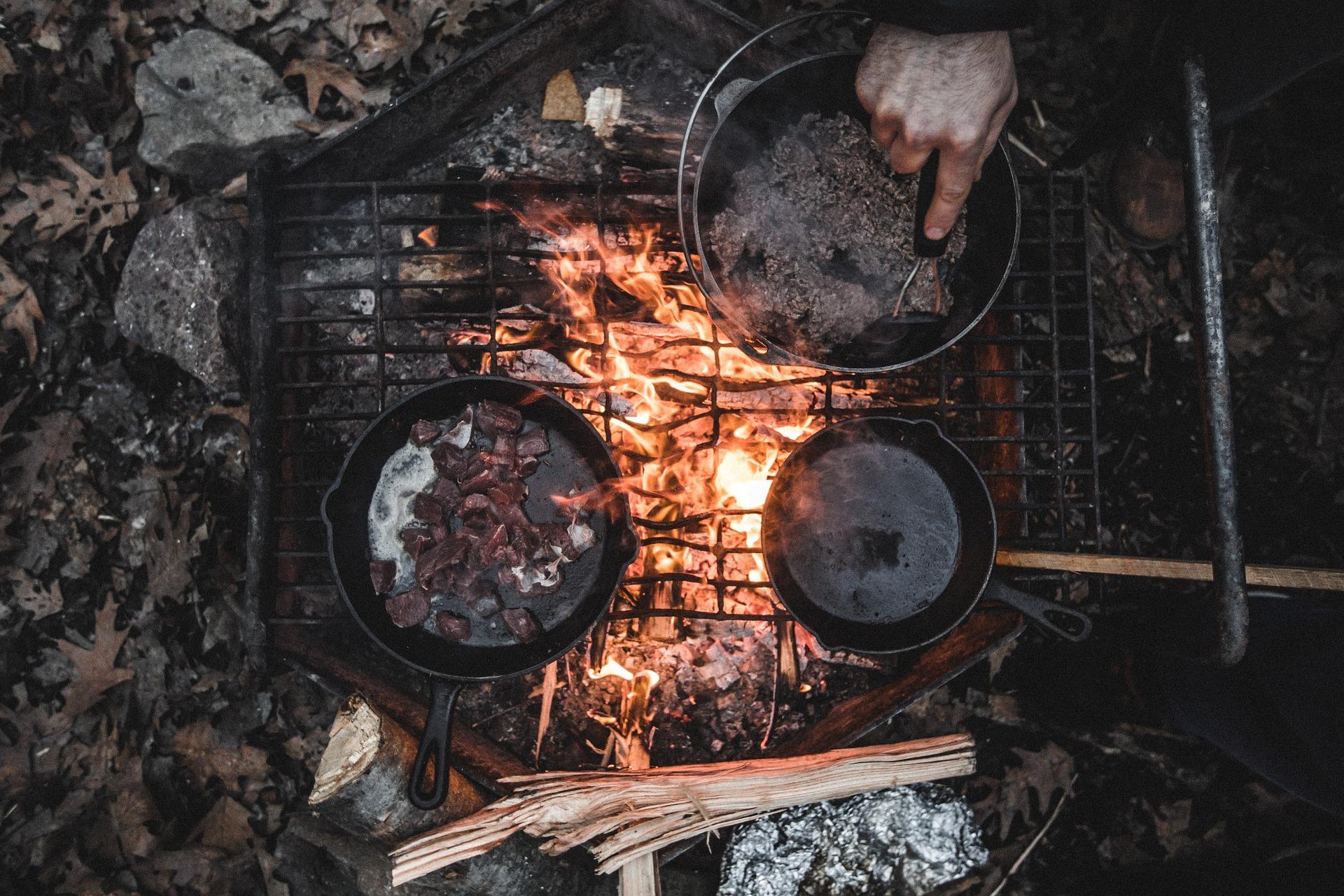
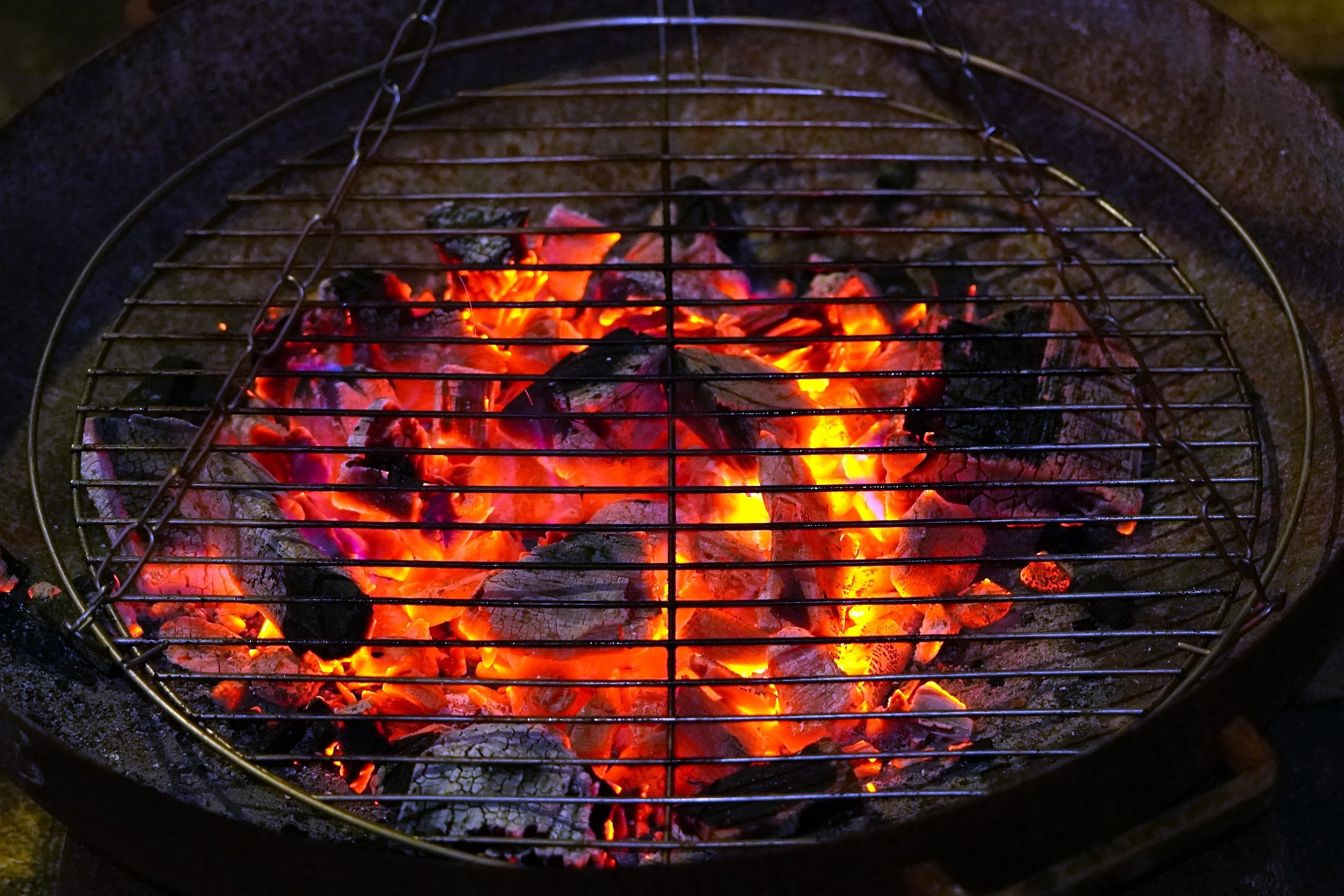
A cooking grill can provide a stable surface for pots, pans and suitable food.
Before cooking, check that the grill is stable and positioned securely.
Don’t overload it with heavy cookware.
Tripods
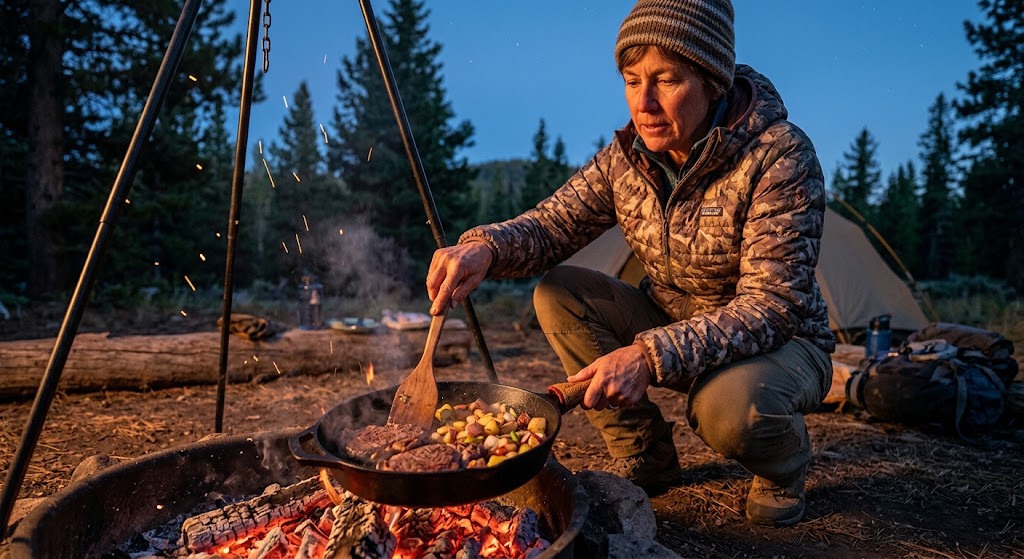
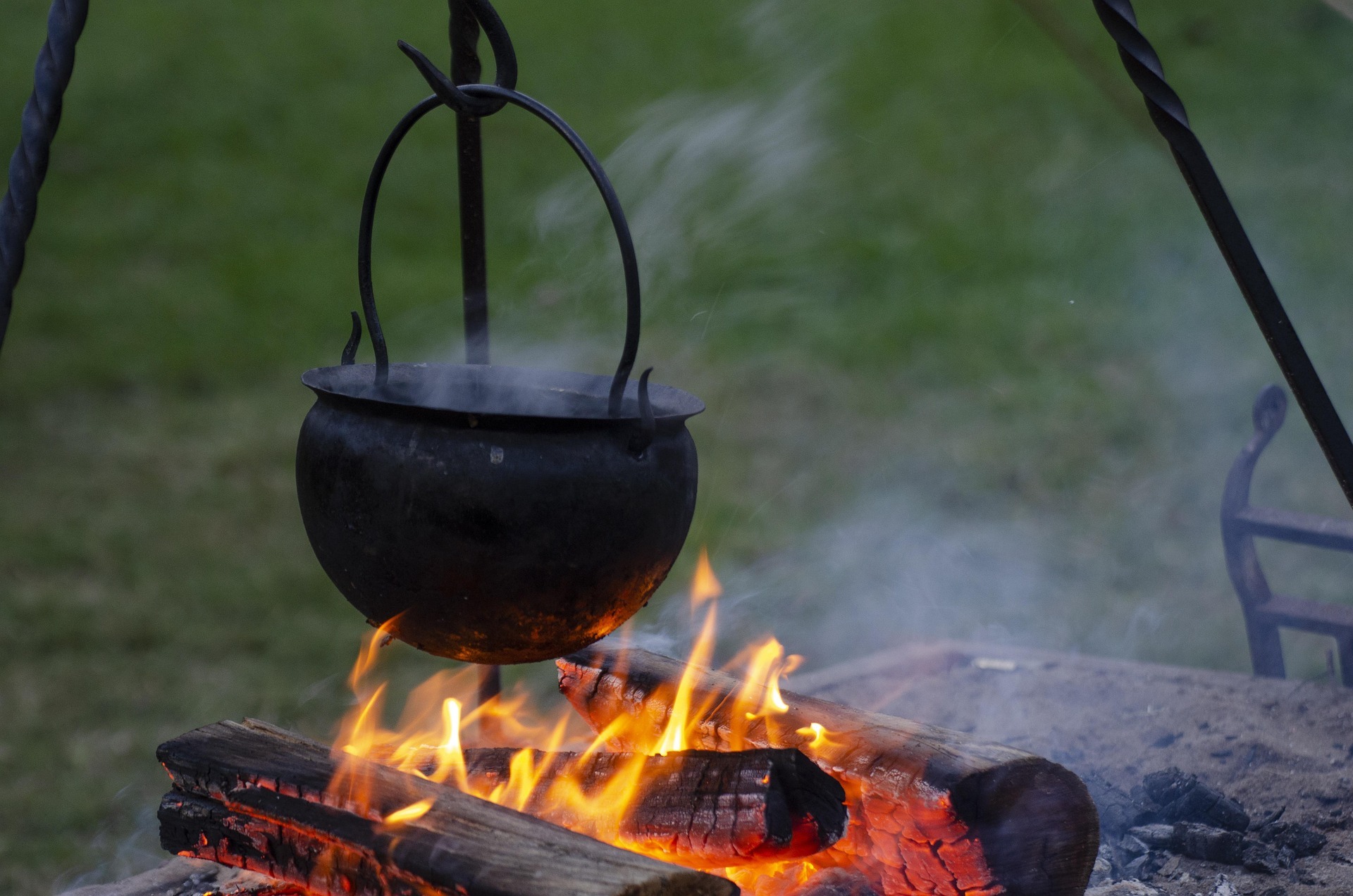
A campfire tripod can suspend a pot above the fire.
Some tripods allow the height of the pot to be adjusted, making it possible to move the cookware closer to or further from the heat.
Make sure the tripod is stable before placing a heavy pot on it.
Cooking Sticks
Suitable cooking sticks can be useful for simple campfire cooking activities.
They should be clean, strong and appropriate for the task.
Don’t use sticks that have been treated with chemicals, painted or otherwise contaminated.
Avoid using thin or brittle sticks that could break while holding food.
Long-Handled Utensils
Long-handled spoons, tongs and other utensils can make it easier to handle food while keeping hands further from the heat.
Choose equipment appropriate for the food being prepared.
Keep handles positioned so they cannot easily be knocked into the fire.
Heat-Resistant Gloves
Heat-resistant gloves can help when handling suitable hot equipment.
They should be appropriate for the temperatures involved.
Remember that gloves don’t make hot equipment harmless.
Always handle cookware carefully and follow the equipment manufacturer’s guidance.
Pot Grippers
Some camping cookware uses removable handles or pot grippers.
These can be useful for lifting compatible pots and pans.
Only use a gripper with cookware it is designed to fit, and check that it has a secure grip before lifting.
Tongs
Tongs are useful for moving food without putting hands close to the fire.
They can also help with turning food on a grill.
Keep them clean and avoid using the same utensils for raw and cooked food unless they have been cleaned appropriately.
Cooking Utensils
A basic campfire cooking kit might include:
The exact selection should match the meal.
Chopping Boards
Use a stable chopping board for food preparation.
Where appropriate, use separate boards for raw and ready-to-eat foods.
Keep chopping boards away from ash, dirt and other contaminants.
Plates, Bowls and Cups
Choose durable camping tableware that is suitable for outdoor use.
Keep clean items protected from the ground and away from dirty equipment.
Food Containers
Containers can protect ingredients from dirt, insects and weather.
Use suitable food-safe containers with secure lids.
Label containers where necessary, particularly when managing ingredients for a group.
Water Containers
Cooking requires water for food preparation, drinking and cleaning.
Bring an appropriate supply and make sure drinking water is kept separate from dirty wastewater.
If collecting natural water, remember that it needs appropriate treatment before drinking.
Cleaning Equipment
Don’t forget the equipment needed after the meal.
A campfire cooking kit may need:
Follow the site’s arrangements for disposing of wastewater.
Fire-Safety Equipment
Appropriate fire-safety equipment should be available according to the activity plan and site requirements.
Everyone involved should know where it is and how to raise the alarm if necessary.
Fire-safety equipment should never be buried under cooking equipment or bags.
Keep Equipment Organised
A good equipment layout makes cooking easier.
Keep frequently used utensils within reach but away from the fire.
Store sharp tools safely when they’re not being used.
Keep bags and unnecessary equipment outside the main cooking area.
Check Equipment Before Use
Inspect equipment before starting.
Look for:
Don’t use equipment that isn’t suitable for the task.
Don’t Improvise With Unsafe Equipment
Outdoor cooking sometimes encourages people to become inventive.
Creativity is useful, but don’t create makeshift equipment that could collapse, tip over or release harmful substances when heated.
Use equipment designed for the conditions wherever possible.
Younger Scouts
Younger Scouts can learn to identify different pieces of cooking equipment and understand what each one is used for.
They can help organise safe equipment before the activity begins.
Older Scouts
Older Scouts can plan an equipment list for a particular campfire meal.
Ask them to explain why each item is required and whether there is a simpler or lighter alternative.
Leader Notes
Check that all cookware and equipment are appropriate for the fire and cooking method being used.
Consider the age and experience of the Scouts when deciding which equipment they can handle.
Inspect equipment before use and remove damaged items from service.
Safety
Use cookware designed for outdoor heat.
Check grills, tripods and other supports for stability.
Use suitable heat-resistant equipment.
Keep handles and utensils positioned safely.
Don’t use damaged or unsuitable cookware.
Keep raw and cooked food utensils separate where appropriate.
Follow manufacturer instructions for specialist equipment.
Learning Outcomes
Scouts can learn to:
Final Thought for Scouts
You don’t need a huge collection of equipment to cook outdoors successfully.
Choose the right tools for the job, check them before use and look after them when you’re finished.
Good equipment management is an important part of good campcraft.
🔒Ready to test your survival skills?
Join Survival Guides UK for free, complete challenges, earn badges and increase your Survival Level.
JOIN FREE →
CRAIG BURR
FOUNDER · SURVIVAL GUIDES UK
I'm Craig, the person behind Survival Guides UK. I created SGUK because I wanted somewhere people could learn real outdoor skills in a practical, straightforward way — from lighting a fire and tying knots to navigation, campcraft and everything in between.
You can read more about the story behind SGUK here as well as our approach here.