Cooking Over Hot Embers
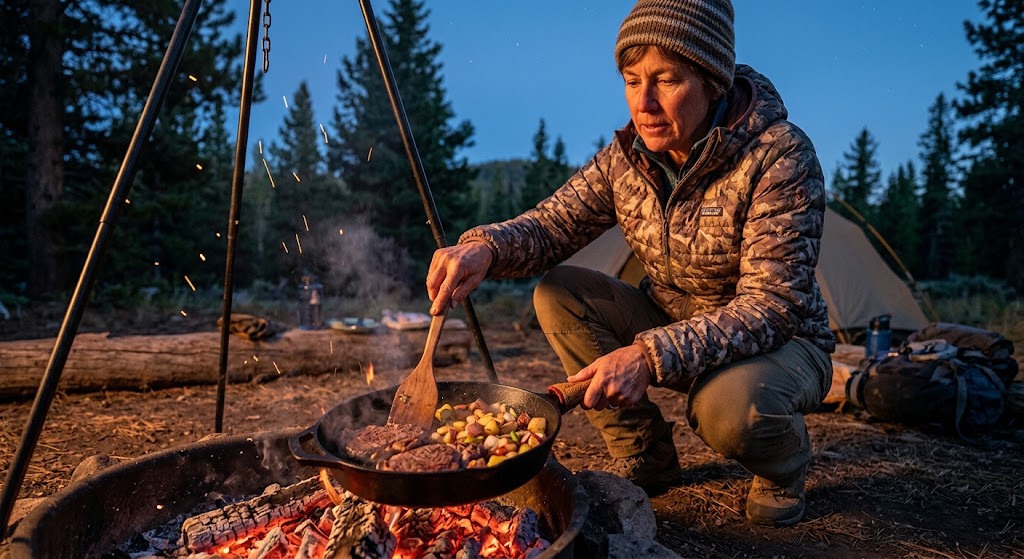
When cooking over a campfire, the most useful heat often comes from hot embers rather than tall flames.
Embers provide steady, radiant heat that can be easier to control for cooking. Learning to recognise and use them is an important campfire cooking skill for Scouts.
What Are Embers?
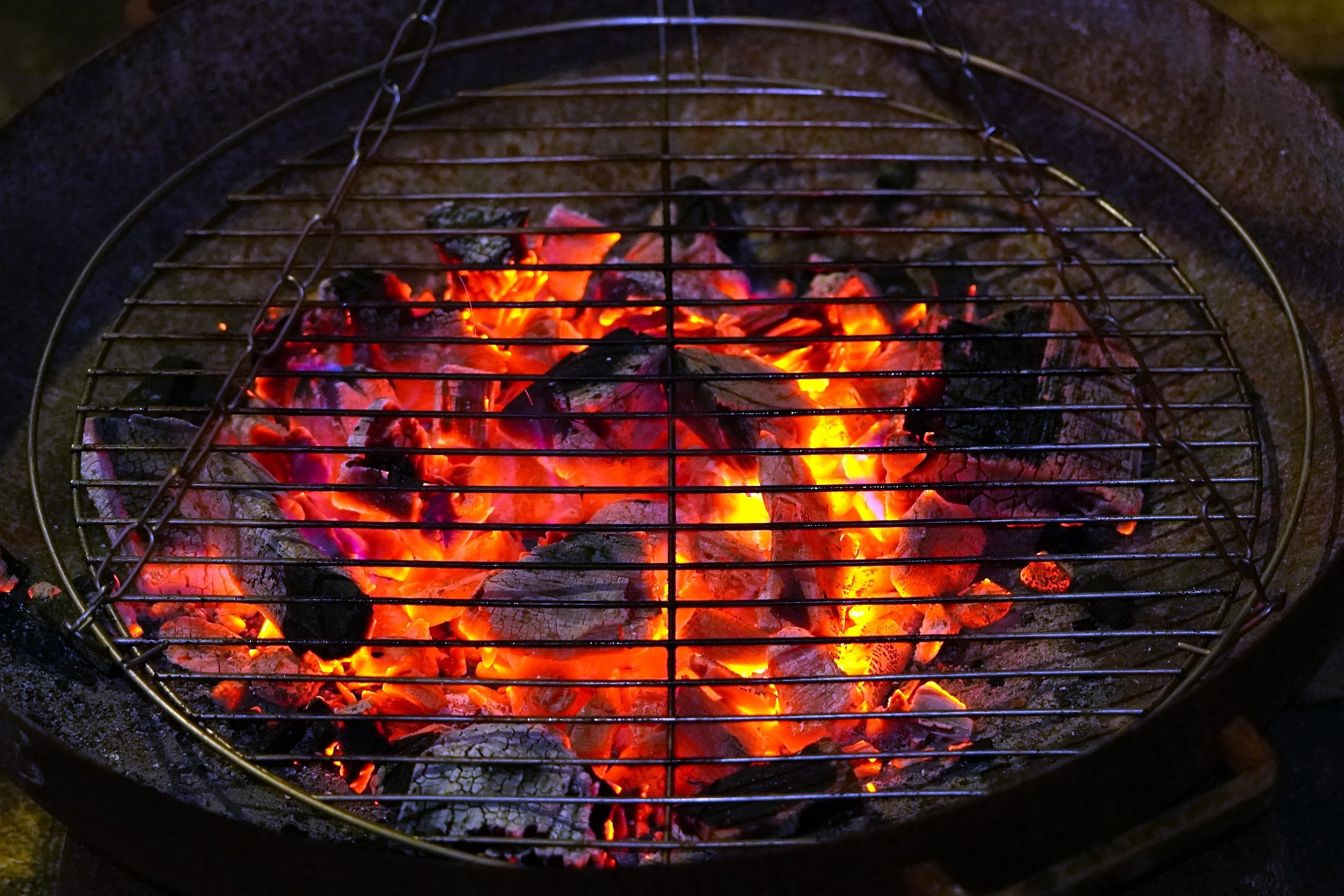
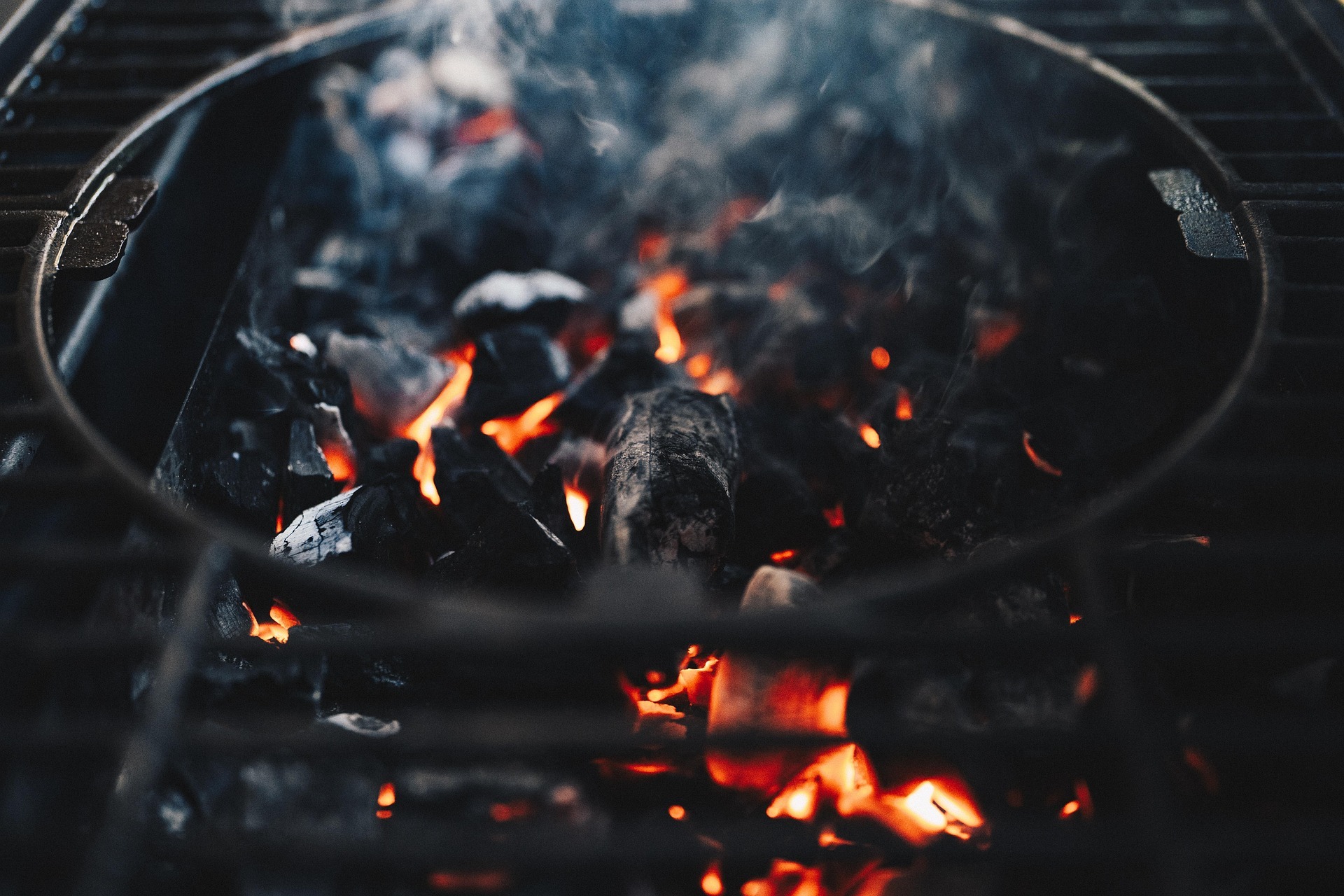
Embers are pieces of fuel that remain hot after the flames have reduced.
They may glow red or orange and can continue producing significant heat even when there is little visible flame.
Never assume a fire is safe to approach simply because the flames have disappeared.
Why Embers Are Useful
Large flames can make food difficult to control.
They may scorch the outside of food while leaving the inside undercooked.
A suitable bed of hot embers can provide more consistent heat for certain cooking methods.
Allow the Fire to Develop
Don’t rush to cook immediately after lighting the fire.
Allow the fire to develop and produce an appropriate amount of hot fuel for the meal you’re preparing.
The amount of time required will depend on the fire, fuel and cooking method.
Look for Consistent Heat
A useful cooking area should provide reasonably consistent heat.
Look for a good bed of glowing embers rather than relying entirely on tall flames.
Your leader can help you learn to recognise when the fire is ready for the particular cooking method being used.
Spread Embers Carefully
If the cooking method requires a wider area of heat, embers may need to be arranged appropriately.
This should only be done using suitable fire-management tools and under appropriate supervision.
Avoid kicking or casually moving burning material with your feet.
Keep Your Hands Away
Embers remain extremely hot.
Don’t reach into the fire or attempt to move hot material with your hands.
Use appropriate tools and follow instructions from the person supervising the activity.
Position Your Cookware Carefully
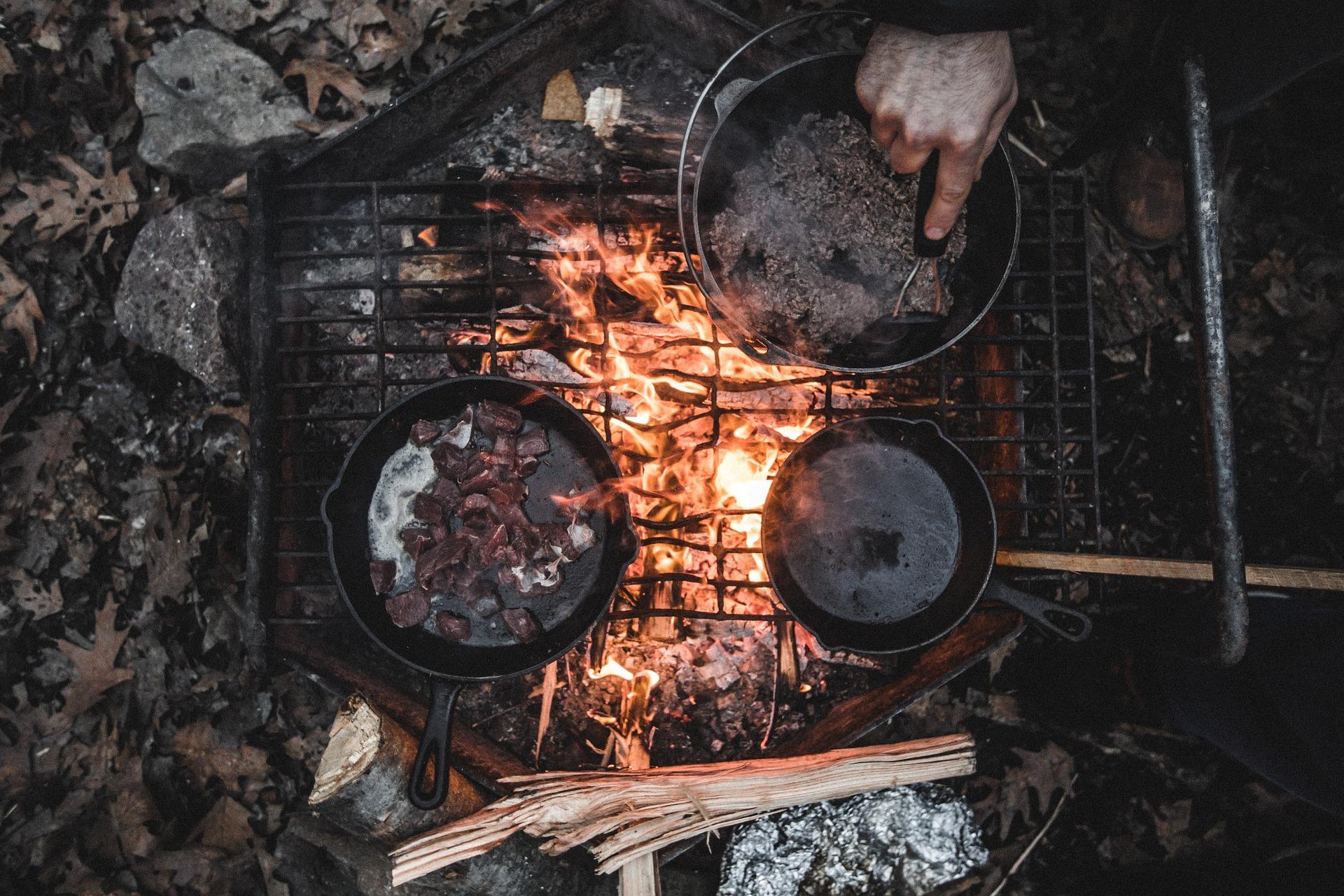
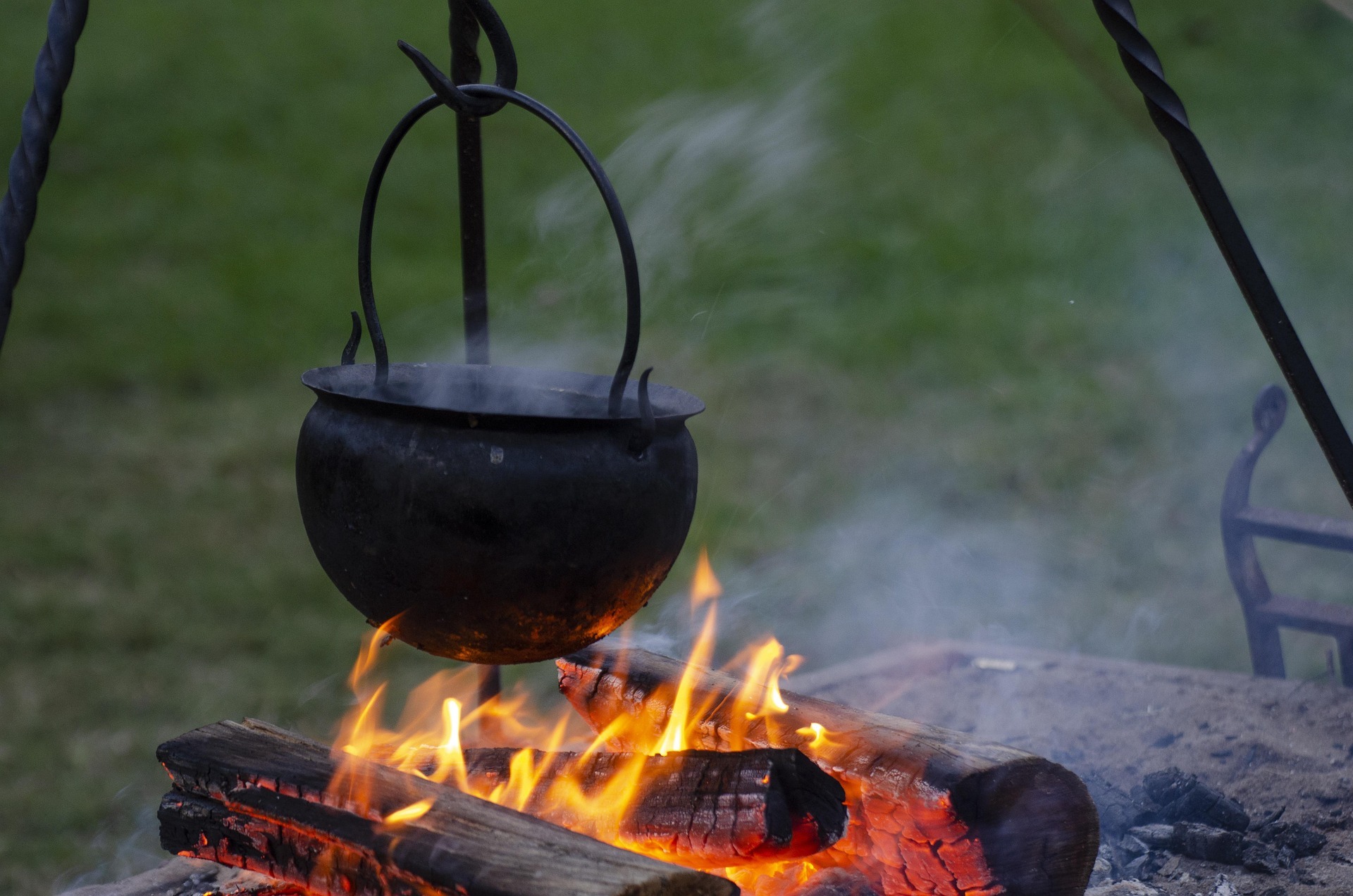
Once the embers are ready, position your grill, pot or other cookware securely.
Make sure the equipment is stable before adding food.
Don’t overload a grill or support system.
Control the Heat
One advantage of cooking over embers is that heat can often be adjusted by changing the position or height of the cookware.
If food is cooking too quickly, move it further from the heat where the equipment allows.
If it needs more heat, an appropriate adjustment may bring it closer.
Make changes carefully.
Watch for Flare-Ups
Fat and oils can cause flames to appear suddenly.
Don’t pour liquid onto a fire to try to control a flare-up unless your established fire-safety procedure specifically requires it.
Follow the cooking activity’s safety arrangements and keep appropriate fire-safety equipment available.
Avoid Ash on Food
Moving around a fire can disturb ash.
Ash can land on food and cooking equipment.
Keep food covered when practical and avoid unnecessarily disturbing the fire while cooking.
Don’t Use Embers From an Unknown Fire
Only cook over a fire that you know is suitable and has been properly prepared for the activity.
Don’t use an abandoned fire or unknown embers found outdoors.
Keep the Cooking Area Supervised
A bed of embers can remain dangerously hot long after visible flames disappear.
Maintain appropriate supervision throughout the activity.
Don’t leave the cooking area unattended.
When Cooking Is Finished
Once cooking is complete, don’t assume the fire is finished simply because the food has been removed.
Follow the site’s procedure for safely extinguishing and checking the fire.
Make sure the area is safe before leaving it.
Younger Scouts
Younger Scouts can learn to recognise the difference between flames and embers.
They should understand that no visible flame does not mean no heat.
Any handling or movement of embers should be carried out by appropriately trained and supervised people.
Older Scouts
Older Scouts can learn how heat changes as a fire develops.
They can practise identifying suitable cooking heat under supervision and learn how moving cookware affects the temperature received by the food.
Leader Notes
The appropriate cooking method will depend on the fire, cookware, food and conditions.
Make sure Scouts understand that embers can remain extremely hot and that fire management should only be carried out using appropriate methods and equipment.
Safety
Never touch hot embers with your hands.
Don’t assume a fire is safe because there are no visible flames.
Use suitable tools for fire management.
Keep food and cookware stable.
Watch for flare-ups.
Maintain appropriate supervision.
Don’t leave a fire unattended.
Follow the site’s procedures for extinguishing the fire when cooking is finished.
Learning Outcomes
Scouts can learn to:
Final Thought for Scouts
A fire doesn’t need big flames to be hot.
Learning to cook over a controlled bed of embers helps you understand how heat works and gives you much greater control over your cooking.
Just remember: glowing embers are still fire, and they need the same respect and supervision.
🔒Ready to test your survival skills?
Join Survival Guides UK for free, complete challenges, earn badges and increase your Survival Level.
JOIN FREE →
CRAIG BURR
FOUNDER · SURVIVAL GUIDES UK
I'm Craig, the person behind Survival Guides UK. I created SGUK because I wanted somewhere people could learn real outdoor skills in a practical, straightforward way — from lighting a fire and tying knots to navigation, campcraft and everything in between.
You can read more about the story behind SGUK here as well as our approach here.