How to Set Up a Campfire for Cooking
A cooking fire needs to provide controlled, steady heat rather than simply producing large flames.
The way you arrange and manage the fire affects how evenly food cooks and how safely the cooking equipment can be used.
Only light a campfire where fires are permitted and under appropriate supervision.
Check the Fire Site
Before setting up, make sure the location is suitable for a campfire.
Check:
Use an established fire area where one is provided.
Keep the Cooking Area Organised
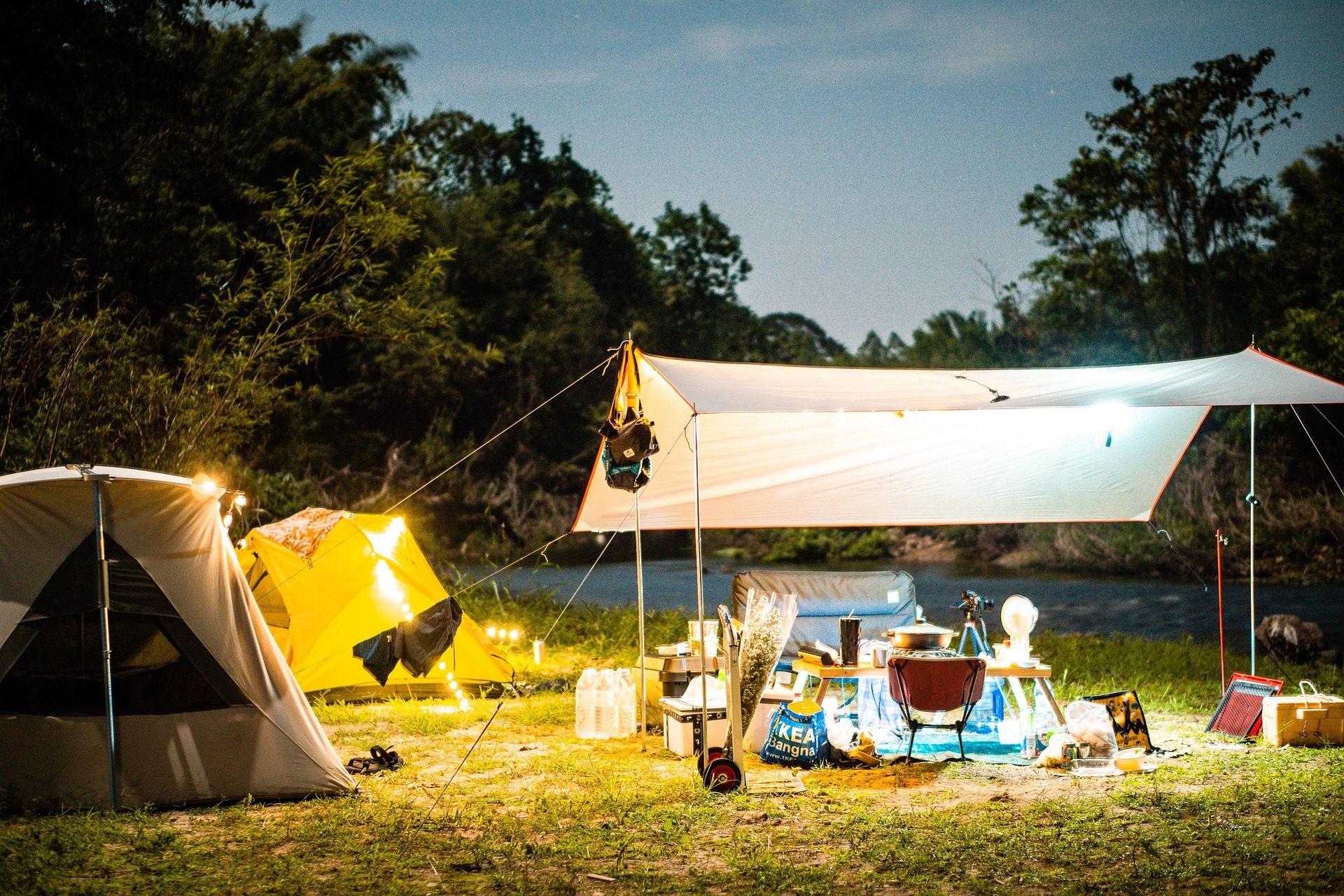
Leave enough space around the fire for Scouts to work safely.
Keep bags, clothing and unnecessary equipment away from the immediate fire area.
Establish clear boundaries so everyone knows where they should and shouldn’t stand.
Build a Stable Fire
A cooking fire should be stable and controllable.
Use suitable, dry fuel according to the site’s rules and the fire-lighting method being taught.
Avoid creating a very large fire when a smaller, controlled fire will provide sufficient heat.
Think About Heat, Not Height
Large flames aren’t necessarily useful for cooking.
Food can burn on the outside while remaining undercooked inside.
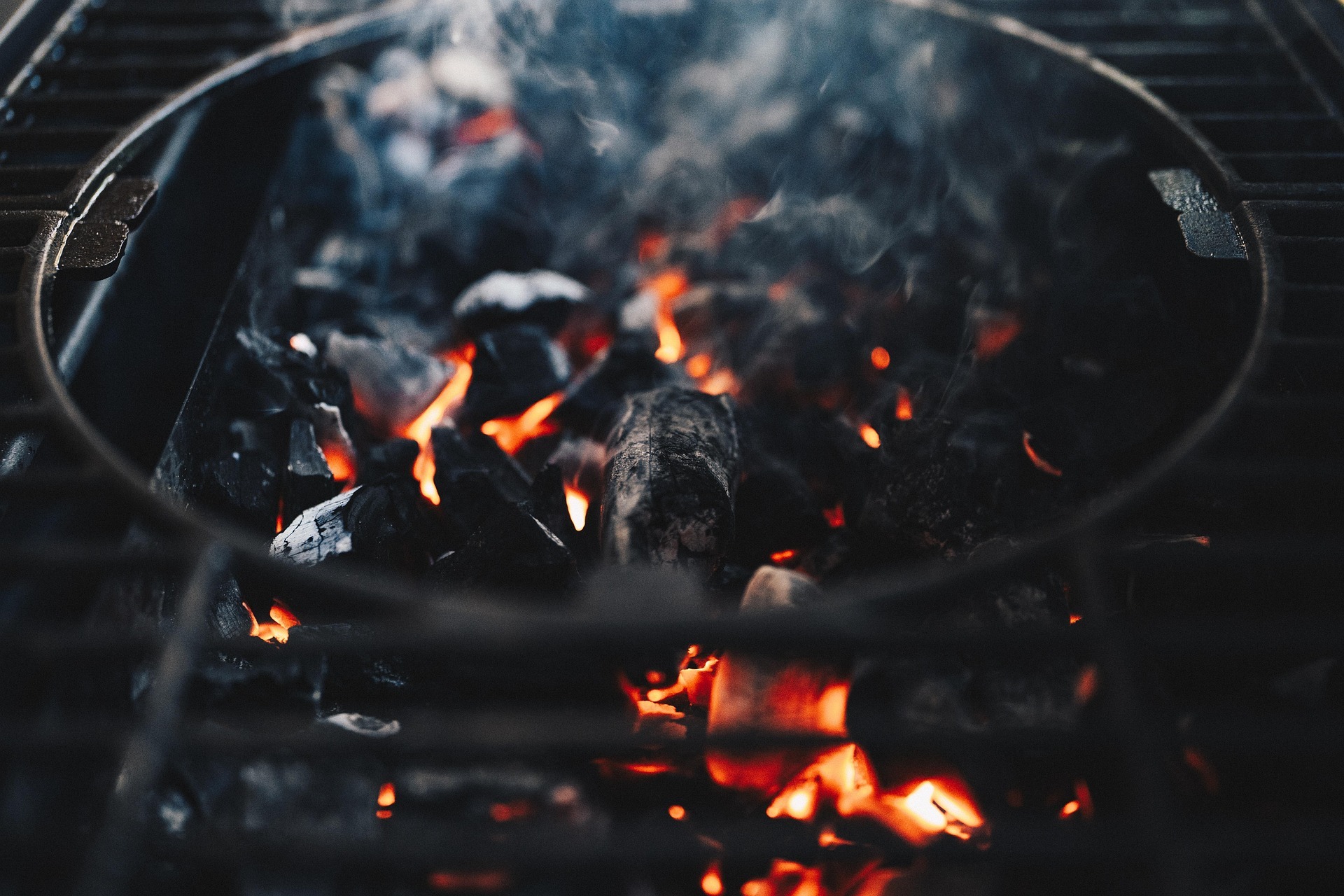
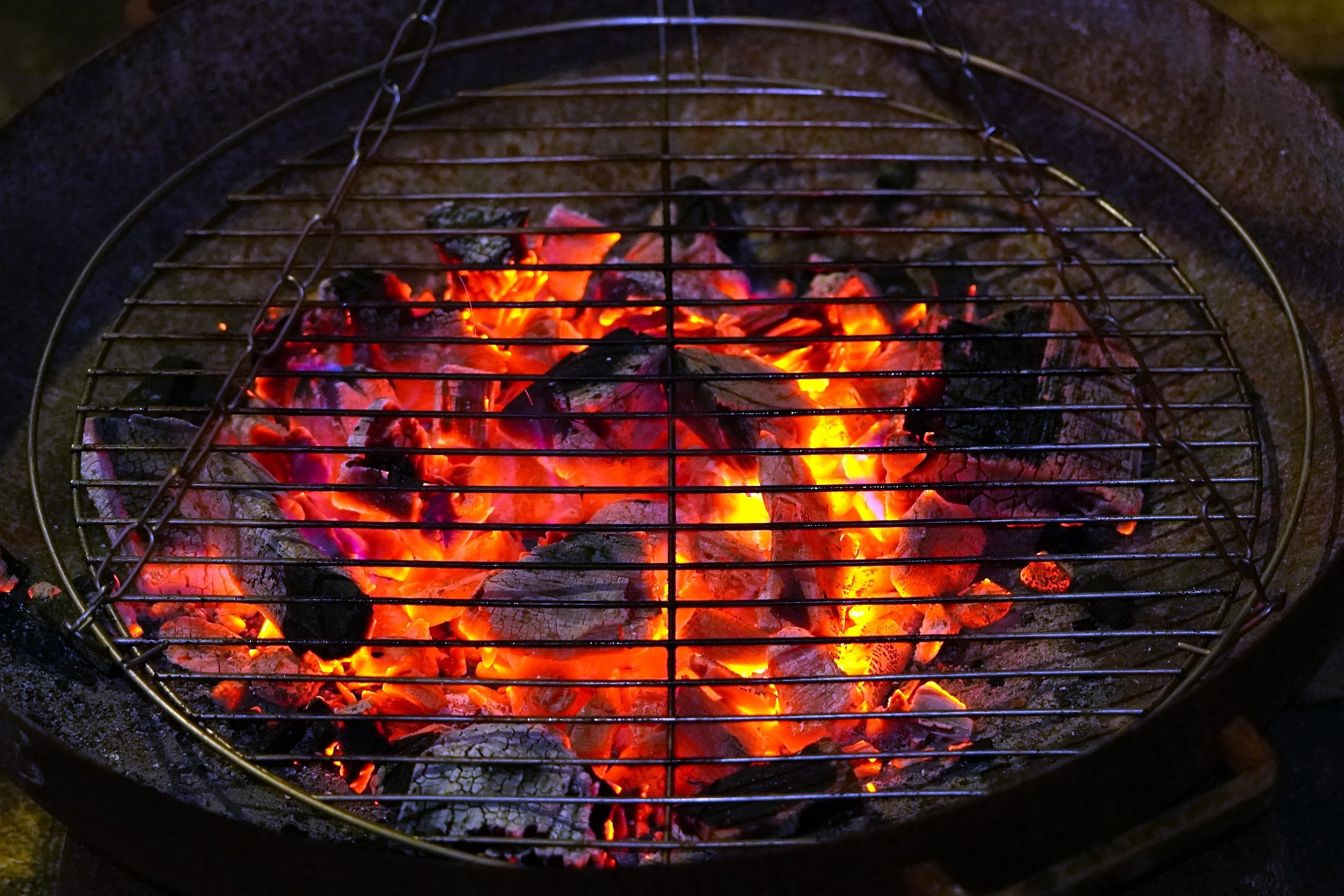
A controlled fire that produces a good bed of hot embers can provide more useful cooking heat.
Allow the Fire to Develop
Don’t immediately place cookware over a newly lit fire.
Give the fire time to establish itself and develop the heat needed for the cooking method.
The appropriate stage will depend on what you’re cooking and the equipment you’re using.
Create a Cooking Position
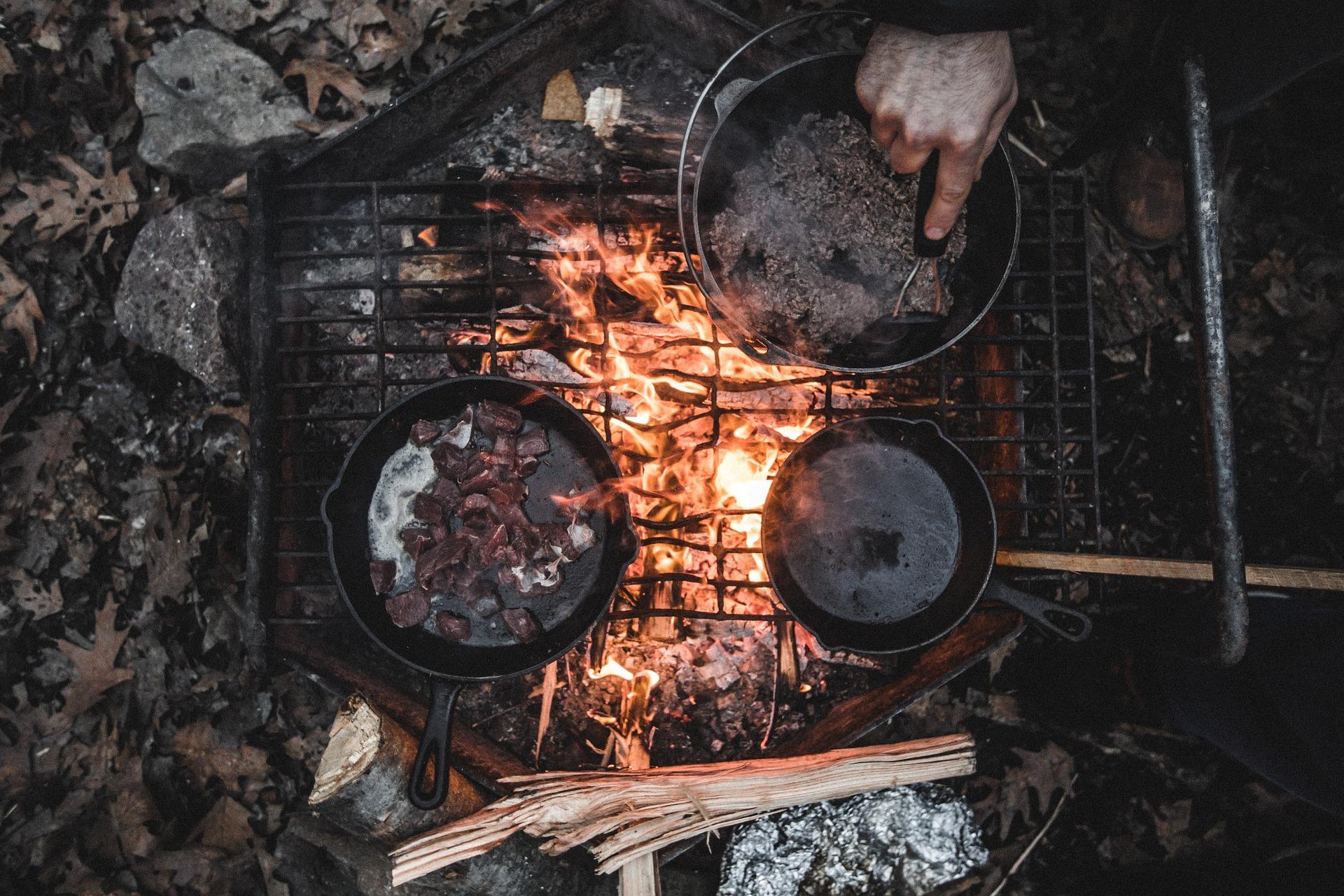
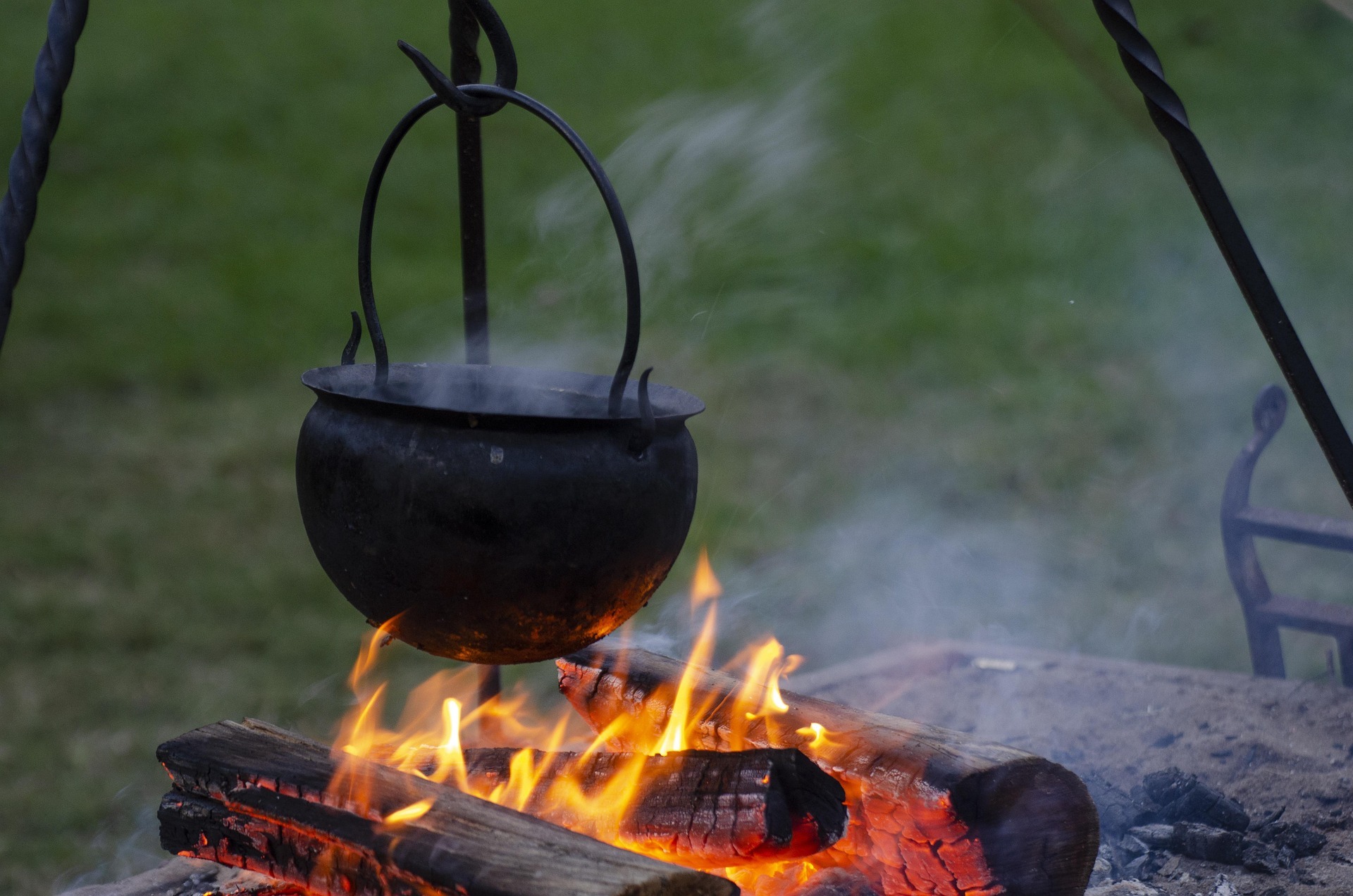
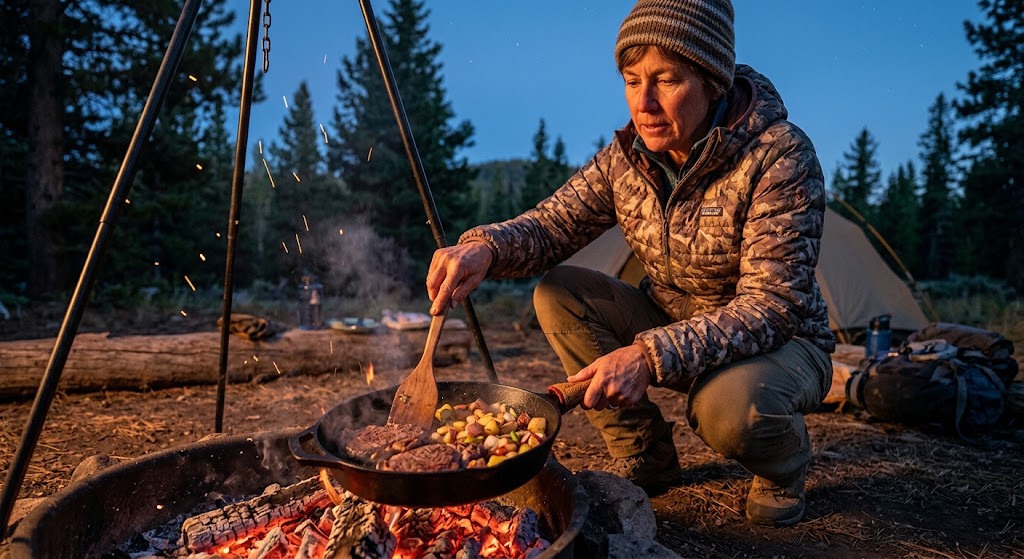
Once the fire is suitable, position your grill, tripod or other cooking equipment securely.
Check that it is stable before adding food or cookware.
Don’t place equipment somewhere it can easily be knocked over.
Adjust the Cooking Height
If your equipment allows you to change the distance between the food and the heat, use this to control cooking.
Moving cookware further away generally reduces the heat it receives.
Moving it closer increases the heat.
Make adjustments carefully and only using suitable equipment.
Use Different Heat Areas
A well-managed cooking fire can provide areas with different levels of heat.
For example, you may have a hotter area for boiling and a cooler area for keeping food warm.
Understanding these differences helps Scouts control cooking without constantly rebuilding the fire.
Watch the Wind
Wind can make a fire burn more strongly and can cause sparks and smoke to travel unexpectedly.
If wind conditions become unsuitable, stop cooking and follow the activity’s fire-safety procedures.
Never try to control an unsafe fire simply to continue cooking.
Keep Food Protected
Ash, dirt and smoke can contaminate food.
Keep ingredients covered when they aren’t being prepared and avoid positioning food where it can easily become covered in ash.
Use clean utensils and preparation surfaces.
Don’t Put Unnecessary Items on the Fire
Only use suitable fuel and equipment.
Don’t throw rubbish, packaging or unknown materials onto a cooking fire.
Some materials can produce harmful smoke or leave unwanted residues.
Don’t Leave the Fire Unattended
A cooking fire needs appropriate supervision throughout the activity.
Don’t leave it burning while everyone walks away.
If cooking has finished, follow the proper procedure for safely dealing with the fire.
Be Careful With Hot Equipment
Pots, pans and grills can become extremely hot.
Use suitable equipment for handling them and make sure Scouts understand which items are hot before they approach them.
Don’t assume that cookware is safe to touch simply because it isn’t currently over the flames.
Keep Water and Safety Equipment Accessible
Have the appropriate fire-safety arrangements ready before cooking begins.
Everyone involved should know how to raise the alarm and where relevant safety equipment is located.
Don’t position safety equipment where it could become inaccessible.
Younger Scouts
Younger Scouts can help prepare a cooking fire area under close supervision.
They can learn the difference between a large flame and useful cooking heat without being responsible for managing the fire independently.
Older Scouts
Older Scouts can learn how to judge whether a fire is developing into a suitable cooking fire.
They can practise identifying hotter and cooler areas and learn how moving cookware affects cooking temperature.
Leader Notes
The fire-lighting and management method should be appropriate to the Scouts’ age, experience and the activity setting.
Ensure the fire remains within the site’s rules and the activity’s risk assessment.
The objective is a controlled cooking fire, not the largest fire possible.
Safety
Only use campfires where they are permitted.
Keep the fire away from tents, shelters and combustible materials.
Maintain appropriate supervision.
Keep the cooking area clear and organised.
Don’t leave a cooking fire unattended.
Use suitable cooking equipment.
Stop the activity if weather or fire conditions become unsuitable.
Fully extinguish and leave the fire site safe according to the site’s procedures when finished.
Learning Outcomes
Scouts can learn to:
Final Thought for Scouts
A good cooking fire isn’t the biggest or brightest fire.
It’s the fire you can control.
Learn to work with steady heat, organise your cooking area and keep safety in mind throughout the activity.
🔒Ready to test your survival skills?
Join Survival Guides UK for free, complete challenges, earn badges and increase your Survival Level.
JOIN FREE →
CRAIG BURR
FOUNDER · SURVIVAL GUIDES UK
I'm Craig, the person behind Survival Guides UK. I created SGUK because I wanted somewhere people could learn real outdoor skills in a practical, straightforward way — from lighting a fire and tying knots to navigation, campcraft and everything in between.
You can read more about the story behind SGUK here as well as our approach here.