Camp Hygiene UK: Staying Clean and Healthy Outdoors
Activity Overview
Difficulty: Easy
Time: 15–30 minutes to learn; ongoing practice
Location: Campsites, Scout camps, woodland, countryside and outdoor bases
Best for: Cubs, Scouts, Explorers, Patrol Leaders and outdoor enthusiasts
Skills: Personal hygiene, food hygiene, campsite management, sanitation and outdoor living
Camp hygiene means keeping yourself, your food, equipment and campsite clean enough to reduce the spread of germs, illness and unpleasant smells.
The basics are simple: wash your hands regularly, keep cooking equipment clean, store food safely, use toilets properly, keep rubbish contained and separate dirty activities from clean ones.
You don’t need to keep a campsite spotless. The aim is to maintain sensible hygiene standards while working with the conditions available outdoors.
What You’ll Learn
You’ll learn how to maintain personal hygiene while camping, how to keep cooking and eating areas clean, and how to manage rubbish and toilet arrangements.
You’ll also learn why hand hygiene is one of the most important things you can do at camp and how good campsite organisation makes hygiene much easier.
🟡 SAFETY – MODERATE RISK
Poor hygiene can contribute to food poisoning, stomach illnesses and the spread of infections.
Water used for drinking, cooking, washing hands or cleaning equipment must be suitable for its intended purpose.
Take particular care with raw meat, unwashed hands, contaminated surfaces and shared equipment.
Never assume that clear-looking natural water is safe to drink.
If someone becomes seriously unwell, seek appropriate medical assistance rather than trying to manage a potentially serious illness through campsite hygiene measures alone.
Equipment
Basic camp hygiene equipment includes hand-cleaning supplies, clean water, washing-up equipment, rubbish bags and suitable food-storage containers.
Depending on the campsite, you may also need separate cloths or sponges for different cleaning tasks, sanitising products suitable for food-contact surfaces and personal toiletries.
At established campsites, use the toilet, washing and waste facilities provided.
Prerequisites
No previous experience is required.
Before a camp, find out what facilities are available and what you need to bring.
Check whether the campsite provides drinking water, toilets, showers, washing-up facilities and waste disposal.
For remote camping, make sure you understand the appropriate arrangements for water, washing and human waste before setting out.
Instructions
1. Wash Your Hands Regularly
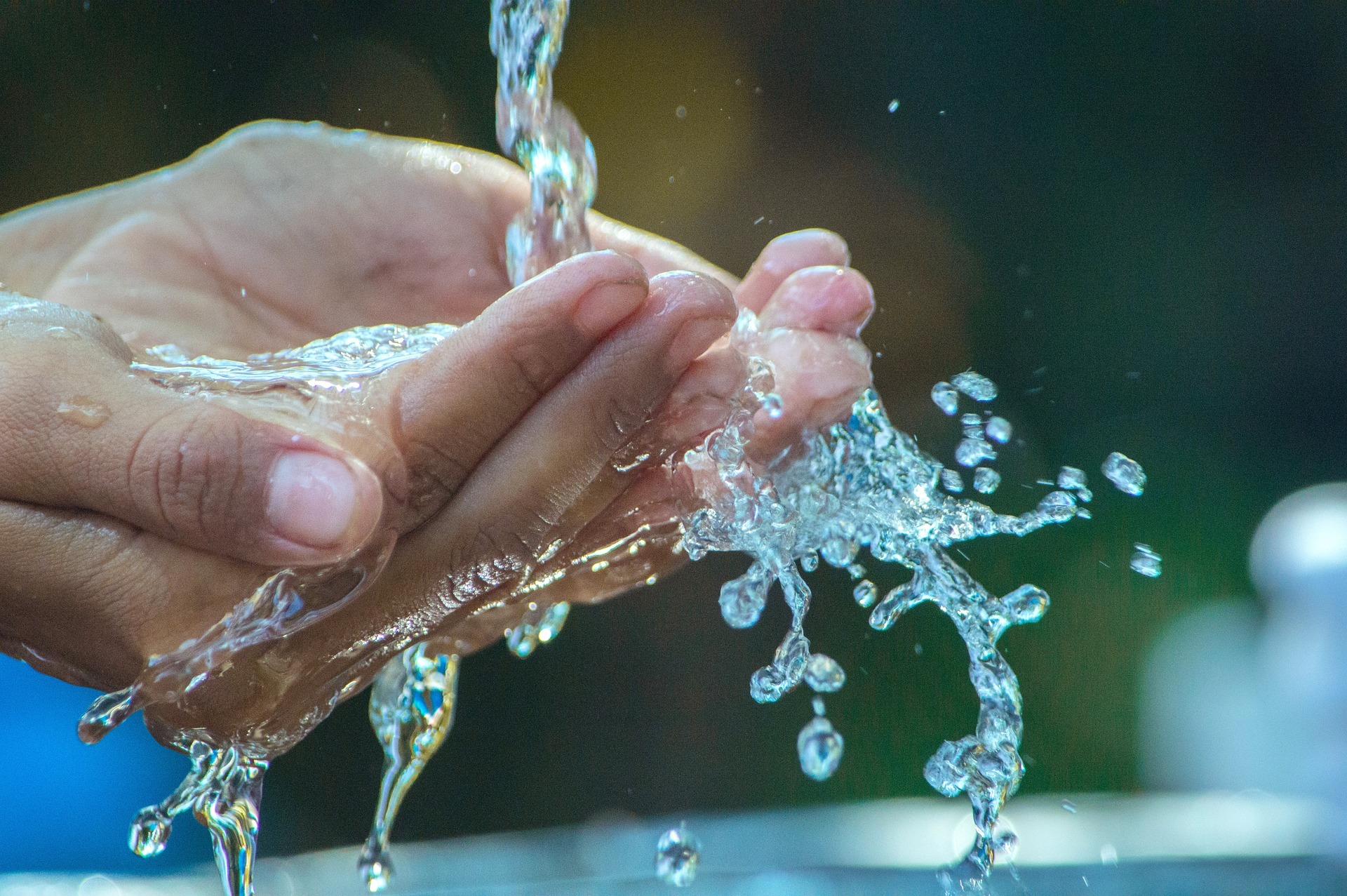
Hand hygiene is one of the simplest and most effective ways to reduce the spread of germs.
Wash your hands before preparing or eating food, after using the toilet and after handling rubbish, dirty equipment or raw food.
Make sure hands are cleaned properly rather than giving them a quick rinse.
If there is no suitable handwashing facility, use an appropriate alternative such as hand sanitiser when practical, while recognising that sanitiser is not a complete substitute for proper handwashing in every situation.
2. Keep Clean Water Separate From Dirty Water
Try to maintain a clear distinction between clean and dirty water.
Don’t allow dirty washing water to contaminate drinking-water containers or other clean equipment.
Keep containers covered where possible and avoid putting dirty hands or equipment inside drinking-water containers.
If you’re collecting water from a natural source, treat it appropriately before drinking or using it for activities where potable water is required.
3. Keep the Cooking Area Clean
The cooking area should be organised so that food preparation, cooking and washing-up can happen safely.
Clean work surfaces before preparing food and clean equipment after use.
Don’t leave food scraps around the cooking area because they can attract insects and wildlife.
Keep rubbish contained rather than allowing it to accumulate around the kitchen.
4. Prevent Cross-Contamination
Cross-contamination occurs when harmful microorganisms are transferred from one food, surface or piece of equipment to another.
Raw meat and ready-to-eat food are particularly important examples.
Keep raw and cooked foods separate and use clean equipment for food that is ready to eat.
Wash hands and clean surfaces after handling raw meat.
Don’t use a knife or chopping board for ready-to-eat food immediately after using it for raw food without properly cleaning it first.
5. Store Food Properly
Follow the storage instructions for the food you’re carrying.
Perishable food needs to be kept at a safe temperature, so don’t assume that an ordinary rucksack or tent is an adequate refrigerator.
Use an appropriate cool box or other suitable food-storage method when necessary.
Keep food covered and protected from insects, animals and contamination.
6. Keep Food Away From Sleeping Areas
Don’t store food casually inside sleeping bags or around tents.
Food smells can attract insects and animals and can create hygiene problems.
Use the food-storage arrangements recommended by the campsite or land manager.
For remote camping, understand the local guidance for storing food securely.
7. Wash Cooking Equipment Properly
Wash plates, mugs, cutlery, pans and other cooking equipment after use.
Use suitable hot water and cleaning products where available.
Pay particular attention to equipment that has come into contact with raw meat.
Allow equipment to dry properly rather than packing damp items away where they can develop unpleasant smells or mould.
8. Manage Washing-Up Water
Don’t simply throw dirty washing-up water onto the campsite.
Follow the campsite’s arrangements for disposing of wastewater.
Where you’re camping without facilities, follow local guidance and ensure wastewater doesn’t contaminate natural water sources.
Food scraps should be removed rather than left in the washing water.
9. Use Toilets Properly
Use campsite toilets and other designated facilities where available.
Keep toilet areas clean and follow any instructions provided.
Wash your hands thoroughly after using the toilet.
If you’re camping somewhere without toilet facilities, establish the correct arrangements before the activity. Human waste needs to be managed in a way that protects people, water and the environment.
10. Keep Toiletries Away From Water Sources
Don’t wash yourself or your equipment directly in natural streams or lakes using soap or other products.
Soaps, shampoos and detergents can introduce substances into the environment that don’t belong there.
Use designated washing facilities where available.
When facilities aren’t available, follow local guidance for washing and wastewater disposal.
11. Change Wet or Dirty Clothing
Outdoor clothing can become wet and muddy quickly.
Being dirty isn’t automatically a hygiene problem, but staying wet for long periods can make you cold and uncomfortable.
Have suitable spare clothing available, particularly for longer camps.
Keep dirty clothing separate from clean clothing so that the inside of your kit bag doesn’t become contaminated with mud or other material.
12. Keep Feet Clean and Dry
Feet spend a lot of time inside footwear at camp.
Change socks when necessary and allow damp footwear to dry.
Good foot care can help prevent soreness and problems caused by prolonged moisture and friction.
Don’t ignore persistent blisters or damaged skin.
13. Keep Personal Items Personal
Avoid unnecessary sharing of items such as towels, toothbrushes and personal hygiene equipment.
Shared camp equipment should be cleaned appropriately, particularly if it comes into contact with food.
Encourage everyone in a group to have their own basic hygiene supplies.
14. Deal With Rubbish Promptly
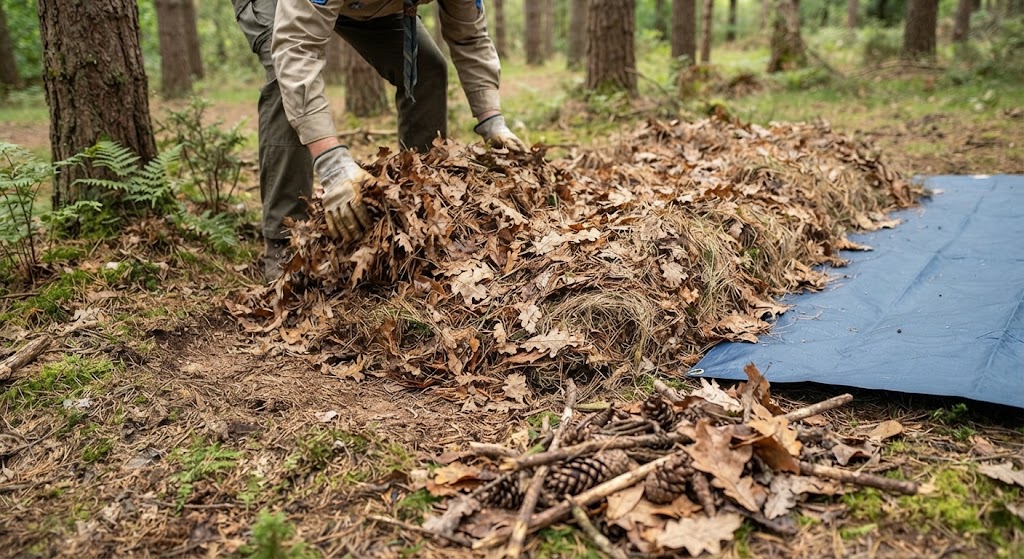
Don’t allow rubbish to build up around the campsite.
Keep food waste and general rubbish contained in suitable bags or bins.
Dispose of it using the campsite’s facilities or take it home when required.
A clean rubbish system makes the entire camp easier to manage.
15. Keep Sleeping Areas Clean
Your tent doesn’t need to be perfectly clean, but avoid bringing unnecessary mud, food and rubbish into sleeping areas.
Take muddy footwear off before getting into sleeping bags where practical.
Keep sleeping bags and bedding dry.
Don’t eat messy food directly inside a tent if doing so could create spills, smells or attract wildlife.
16. Deal With Illness Quickly
If someone develops vomiting, diarrhoea or another potentially infectious illness at camp, increase hygiene precautions.
Keep their food preparation and handling responsibilities to a minimum and pay particular attention to hand hygiene and shared surfaces.
Follow appropriate medical advice and campsite procedures.
Don’t assume that someone who feels slightly better is necessarily no longer infectious.
17. Clean Up Before Leaving
Before breaking camp, check the entire area.
Remove food scraps, rubbish and disposable hygiene items.
Clean and dry cooking equipment.
Make sure wastewater and toilet arrangements have been dealt with appropriately.
Leave the campsite clean and ready for the next users.
Camp Hygiene for a Patrol
A Patrol can divide basic hygiene responsibilities between its members.
One person might check the cooking area while another checks rubbish and another makes sure shared washing equipment is clean.
Everyone should still be responsible for their own personal hygiene.
The important principle is that camp hygiene is a shared responsibility. One person’s poor hygiene can affect the whole group.
Camp Hygiene in Wet Weather
Wet conditions make hygiene and organisation more difficult.
Mud can quickly spread through tents and cooking areas, while wet clothing and equipment can remain damp for long periods.
Create a clear area for wet footwear and clothing and keep food preparation surfaces as dry and clean as possible.
Don’t let poor weather become an excuse for poor food or hand hygiene.
Camp Hygiene Without Showers
You don’t need a shower every day to maintain sensible hygiene at camp.
Prioritise the things that matter most: clean hands, clean teeth, clean clothes when needed, clean cooking equipment and proper toilet hygiene.
Use appropriate washing facilities when available.
If you’re camping somewhere without showers, plan how you’ll wash and dispose of wastewater before you arrive.
Final Tip
Good camp hygiene isn’t about taking your bathroom routine into the wilderness.
It’s about focusing on the things that actually prevent illness and keep a campsite pleasant.
Keep your hands clean, protect drinking water, handle food safely, use toilets properly, manage rubbish and keep cooking equipment clean.
A well-organised camp is usually a hygienic camp — and good hygiene starts with simple habits that everyone follows.
🔒Ready to test your survival skills?
Join Survival Guides UK for free, complete challenges, earn badges and increase your Survival Level.
JOIN FREE →
CRAIG BURR
FOUNDER · SURVIVAL GUIDES UK
I'm Craig, the person behind Survival Guides UK. I created SGUK because I wanted somewhere people could learn real outdoor skills in a practical, straightforward way — from lighting a fire and tying knots to navigation, campcraft and everything in between.
You can read more about the story behind SGUK here as well as our approach here.