Cleaning Camping Equipment UK: How to Clean and Store Outdoor Kit
Activity Overview
Difficulty: Easy
Time: 30–90 minutes depending on equipment
Location: Home, garage, garden or suitable outdoor cleaning area
Best for: Cubs, Scouts, Explorers, Patrol Leaders, campers and outdoor enthusiasts
Skills: Equipment care, cleaning, maintenance, drying, storage and outdoor preparation
Cleaning camping equipment means removing dirt, mud, food and moisture from your kit and making sure it is properly dry before storage.
The most important rule is simple: clean equipment according to the manufacturer’s instructions and never put damp kit away for long-term storage.
After a camping trip, empty everything, remove loose dirt, clean items appropriately, allow them to dry completely and check for damage before storing them.
Regular cleaning helps equipment last longer and means you’re less likely to discover mould, mildew, damaged waterproofing or missing parts when you next need it.
What You’ll Learn
You’ll learn how to clean the main types of camping equipment, including tents, sleeping bags, sleeping mats, cooking equipment, boots and rucksacks.
You’ll also learn why drying equipment is so important, when deeper cleaning is necessary and how to inspect your kit while cleaning it.
🟢 SAFETY – LOW RISK
Most camping-equipment cleaning is low risk.
Take care when using cleaning products, particularly around food equipment. Follow product instructions and avoid mixing cleaning chemicals.
Never use a flammable cleaning product near flames, stoves or other ignition sources.
Electrical equipment should be cleaned according to the manufacturer’s instructions and should not be immersed unless specifically designed to be waterproof.
Equipment
You may need a soft brush, clean cloths, lukewarm water, a sponge and a suitable cleaning product.
A drying area with good airflow is particularly useful.
For cookware and food equipment, use appropriate washing-up equipment.
Avoid automatically using household detergents, bleach or strong chemicals on outdoor fabrics. Some products can damage waterproof coatings, fabrics, adhesives or specialist finishes.
Prerequisites
No previous experience is required.
Before cleaning specialist equipment, check its care label or manufacturer’s instructions.
Some items, particularly sleeping bags, waterproof clothing, technical tents and inflatable equipment, have specific cleaning requirements.
If you’re unsure, use the manufacturer’s recommended method rather than experimenting with a strong cleaner.
Instructions
1. Empty Everything
Start by completely emptying your rucksack, tent and other storage bags.
Check pockets, compartments and tent bags for rubbish, food wrappers, tent pegs and small pieces of equipment.
This is also a good opportunity to check that everything you took camping has come home with you.
2. Shake Off Loose Dirt
Remove loose soil, grass and grit before adding water.
A soft brush is useful for dried mud.
Don’t aggressively scrub technical fabrics because excessive rubbing can damage coatings or fibres.
For many items, gentle cleaning is better than trying to make them look brand new.
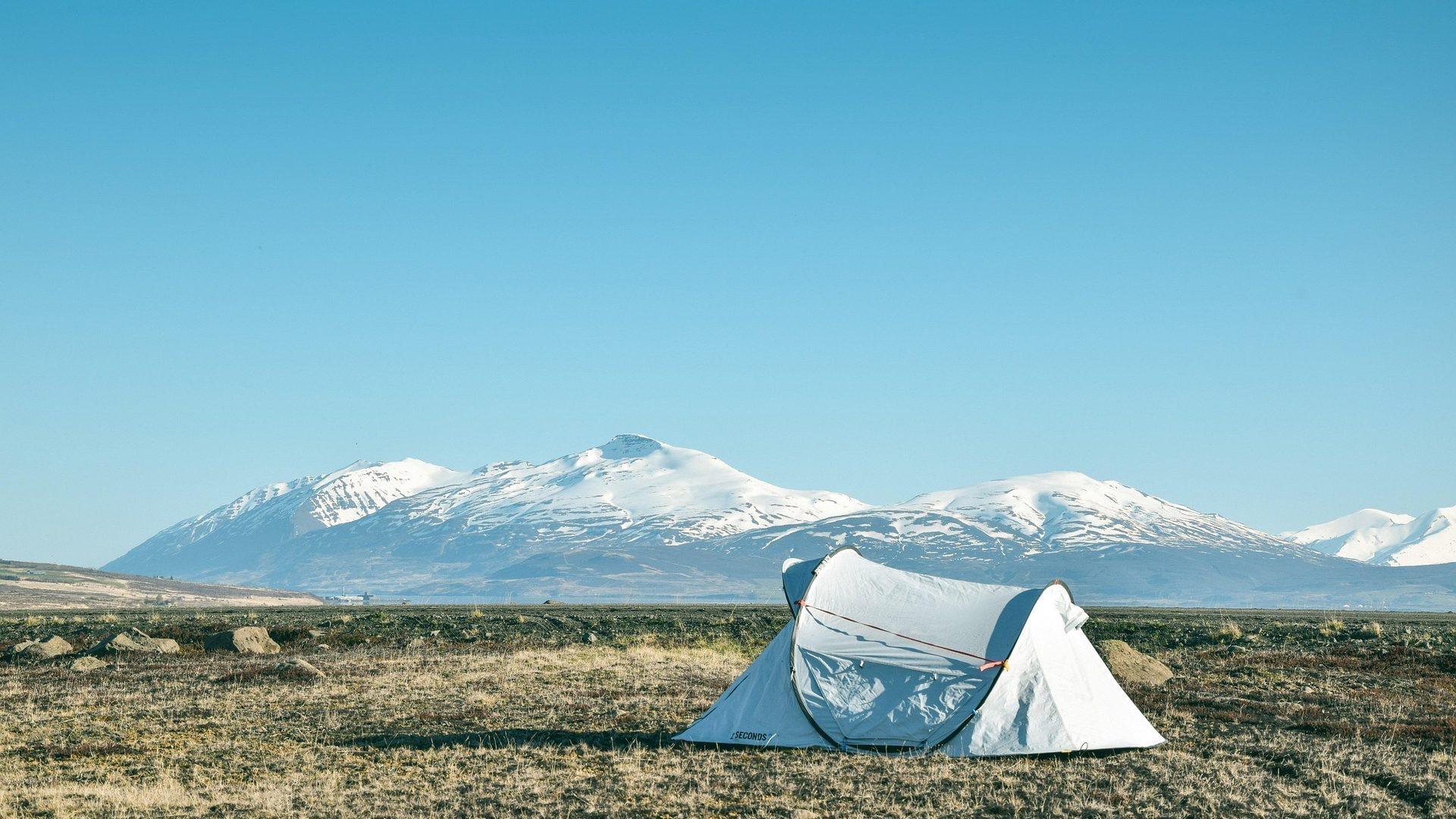
3. Clean Your Tent
A tent should generally be cleaned gently rather than put through a washing machine.
Shake out loose dirt and remove mud with a soft brush.
For heavier dirt, use a sponge or cloth with clean water and a suitable mild cleaning method recommended by the manufacturer.
Pay particular attention to areas that collect mud, such as the lower sections of the flysheet, groundsheets and poles.
Don’t scrub waterproof coatings unnecessarily.
4. Clean Tent Poles
Wipe tent poles down to remove mud, grit and moisture.
Pay attention to joints and connection points.
Allow them to dry before storing them.
If the poles are aluminium or another metal, removing moisture and dirt can help reduce corrosion and prevent grit from interfering with the connections.
5. Clean Tent Pegs
Remove soil from tent pegs before putting them back in their bag.
If they’re muddy, rinse them and allow them to dry.
Check that pegs haven’t bent or become damaged.
Keeping pegs clean also prevents the inside of your tent bag from becoming covered in mud.
6. Dry the Tent Completely
This is one of the most important parts of equipment care.
Never store a wet or damp tent for an extended period.
If possible, pitch the tent somewhere suitable so that the fabric can dry naturally.
Make sure the inner, flysheet, groundsheet, seams and areas around zips are dry.
If you have to pack a wet tent because you’re leaving camp, unpack and dry it as soon as you get home.
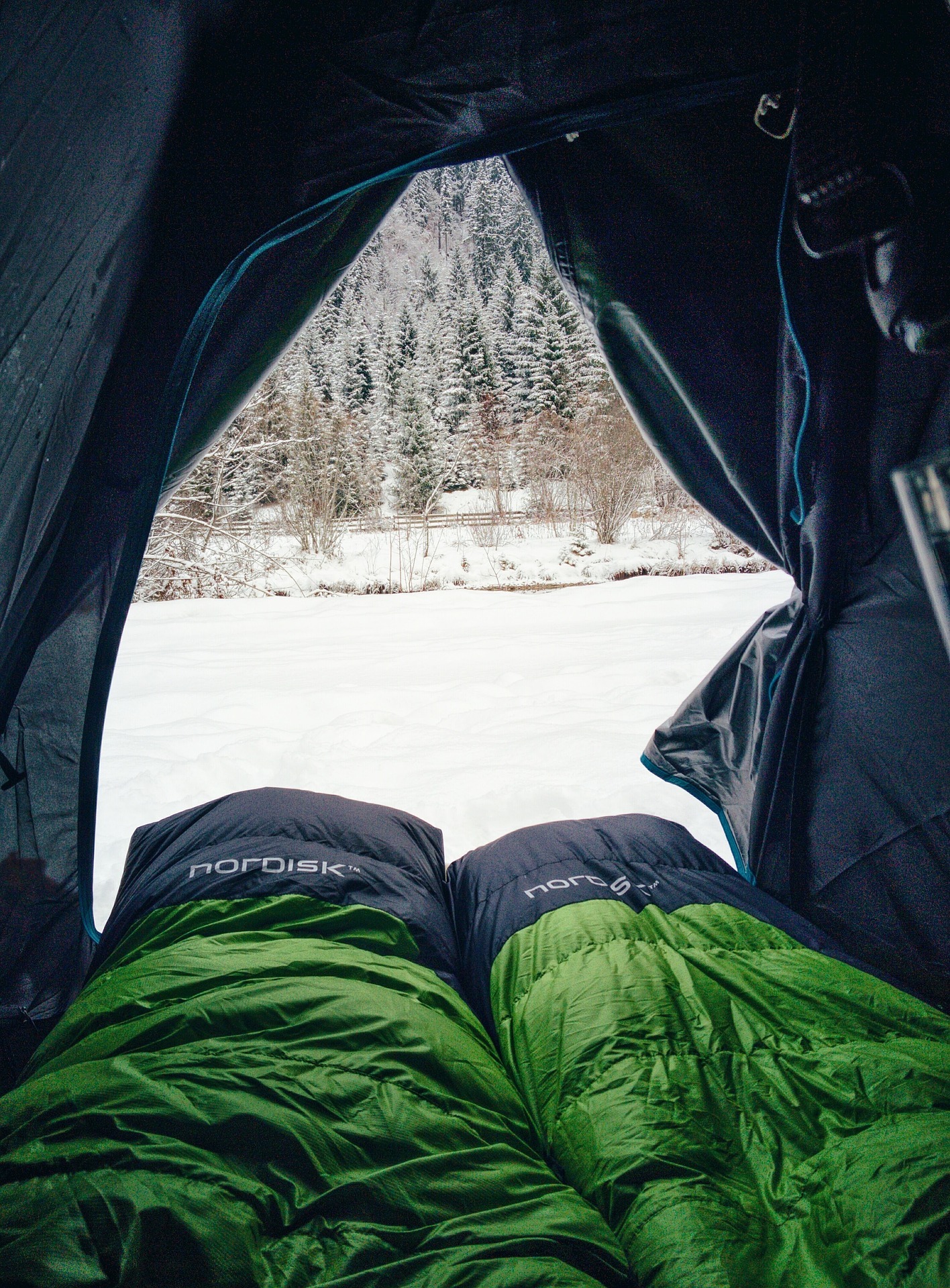
7. Clean Your Sleeping Bag Carefully
Sleeping bags shouldn’t automatically be washed after every trip.
Air the sleeping bag thoroughly after use and follow the manufacturer’s washing instructions when it actually needs cleaning.
Some sleeping bags can be machine washed, while others require specialist cleaning.
Never guess with expensive or technical insulation.
When drying a sleeping bag, make sure it is completely dry before storing it.
8. Store Sleeping Bags Correctly
Long-term storage can be just as important as cleaning.
Follow the manufacturer’s recommendation for storage. Many sleeping bags should be stored loosely rather than compressed in their small stuff sack.
Long-term compression can affect some types of insulation.
Keep the sleeping bag dry and away from damp areas.
9. Clean Sleeping Mats
For a foam mat, wipe the surface with a suitable damp cloth and allow it to dry.
For inflatable mats, follow the manufacturer’s instructions.
Check valves and seams for dirt and damage.
Don’t store an inflatable mat damp or contaminated with mud.
Avoid aggressive cleaning products that could damage the material.
10. Clean Cooking Equipment
Cooking equipment should be cleaned after every trip.
Wash pans, mugs, plates, cutlery and utensils appropriately and remove grease and food residue.
Pay particular attention to equipment used for raw meat.
Allow everything to dry before packing it away.
Don’t leave food residue inside pans or containers, even if you’re planning to use them again soon.
11. Clean Camping Stoves Carefully
Let the stove cool completely before cleaning it.
Remove loose dirt and food residue using the method recommended by the manufacturer.
Don’t immerse components in water unless the instructions specifically allow it.
Inspect the stove for damage while cleaning it and check that connectors, hoses and other components appear to be in good condition.
Any fuel-related equipment should be handled according to its specific instructions.
12. Clean Boots
Remove mud and dirt from boots as soon as practical.
Use a brush or suitable cloth and clean according to the boot manufacturer’s instructions.
Allow boots to dry naturally.
Avoid placing them directly against a radiator, heater or other intense heat source, as this can damage adhesives, leather and other materials.
Once dry, apply any recommended treatment appropriate to the boot material.
13. Clean Your Rucksack
Empty every compartment and remove loose dirt.
Brush off dried mud and wipe dirty areas with a damp cloth.
If deeper cleaning is necessary, check the manufacturer’s instructions before immersing or machine washing the rucksack.
Pay particular attention to straps, hip belts and areas that contact the ground.
Make sure the rucksack is completely dry before storing it.
14. Clean Waterproof Clothing
Follow the garment manufacturer’s washing instructions.
Waterproof clothing often requires specific detergents or washing methods.
Avoid ordinary fabric softener unless the manufacturer specifically says it is suitable.
After washing, the garment may require reproofing when its water repellency has deteriorated.
Don’t assume that simply washing waterproof clothing will restore its water resistance.
15. Clean Water Bottles and Hydration Systems
Wash bottles, reservoirs and drinking tubes thoroughly after use.
Allow them to dry completely before storage.
Pay attention to lids, valves, seals and other small components where moisture can remain trapped.
If a hydration system develops an unpleasant smell or visible contamination, clean it according to the manufacturer’s instructions before using it again.
16. Check Equipment While Cleaning
Cleaning is an excellent opportunity to inspect your equipment.
Look for:
Don’t wait until your next camping trip to discover that something needs repairing.
17. Repair Before Storing
Deal with straightforward repairs before putting equipment away.
Replace missing or damaged small parts where appropriate.
For specialist repairs, follow the manufacturer’s recommendations or use a suitable repair service.
A small tear in a tent is much easier to deal with at home than halfway through a wet weekend.
18. Store Equipment Somewhere Dry
Once everything is clean and dry, store it somewhere dry and reasonably well ventilated.
Avoid damp sheds, garages or loft spaces if they regularly experience condensation or high humidity.
Keep equipment away from direct heat and anything that could damage fabrics or coatings.
Don’t leave food inside camping equipment during storage.
19. Don’t Over-Clean
Cleaning camping equipment doesn’t mean scrubbing everything after every use.
Excessive washing and aggressive chemicals can shorten the life of some materials.
Clean equipment when it needs cleaning, deal with obvious dirt and contamination promptly, and follow the manufacturer’s care instructions.
The aim is clean, dry and functional, not necessarily spotless.
20. Make a Kit Checklist
Once your equipment is clean and stored, check that you still have everything.
A simple kit list can prevent problems before the next trip.
For group camping, this is particularly useful because equipment can easily become separated between tents, patrol stores and individual rucksacks.
Cleaning Camping Equipment at the End of Camp
Ideally, do a basic clean before leaving camp.
Remove food residue from cooking equipment, shake dirt from tents and pack equipment sensibly.
Don’t worry if your tent gets wet while packing up because of rain. The important thing is to dry it properly as soon as you get home.
A wet tent left in its bag is one of the easiest ways to create mould and unpleasant smells.
Cleaning Equipment After a Muddy Trip
Muddy equipment often needs more attention than equipment used in dry conditions.
Let heavy mud dry enough to brush off where appropriate, then clean the remaining dirt gently.
Avoid forcing mud deeper into fabric, zips or joints.
Once clean, allow everything to dry thoroughly before storage.
Final Tip
Cleaning camping equipment is really about three things:
Clean it. Dry it. Check it.
You don’t need to make every piece of kit look brand new. Remove dirt and contamination, dry everything properly and use the cleaning process to spot damage.
Look after your equipment between trips and it will be more reliable, more pleasant to use and likely to last considerably longer.
🔒Ready to test your survival skills?
Join Survival Guides UK for free, complete challenges, earn badges and increase your Survival Level.
JOIN FREE →
CRAIG BURR
FOUNDER · SURVIVAL GUIDES UK
I'm Craig, the person behind Survival Guides UK. I created SGUK because I wanted somewhere people could learn real outdoor skills in a practical, straightforward way — from lighting a fire and tying knots to navigation, campcraft and everything in between.
You can read more about the story behind SGUK here as well as our approach here.