Maintaining Camping Equipment UK: Keep Your Outdoor Kit Reliable
Activity Overview
Difficulty: Easy
Time: 30–60 minutes for a routine check; ongoing throughout the year
Location: Home, garage, garden, campsite or suitable outdoor area
Best for: Cubs, Scouts, Explorers, Patrol Leaders, campers and outdoor enthusiasts
Skills: Equipment maintenance, inspection, repair, storage, preparation and outdoor problem-solving
Maintaining camping equipment means checking, cleaning, repairing and storing your outdoor kit so that it remains safe and reliable.
Don’t wait until you’re standing on a rainy hillside to discover a broken zip, missing tent pole or damaged stove.
After each trip, clean and dry your equipment, inspect it for damage and repair or replace anything that needs attention. Store equipment properly and carry out a more thorough check before your next trip.
Good maintenance is less about fixing major problems and more about spotting small problems before they become big ones.
What You’ll Learn
You’ll learn how to maintain common camping equipment and how to build a simple routine for checking your kit.
You’ll also learn how to look after tents, sleeping systems, cooking equipment, footwear and rucksacks, and when a repair is appropriate versus when equipment should be replaced.
🟡 SAFETY – MODERATE RISK
Most equipment maintenance is low risk, but some camping equipment requires particular care.
Stoves, fuel systems, gas equipment and electrical equipment should always be maintained according to the manufacturer’s instructions.
Never attempt an improvised repair to safety-critical equipment if you don’t understand how it works.
Don’t test fuel-burning equipment indoors unless the manufacturer specifically permits it and suitable ventilation and safety arrangements are in place. Carbon monoxide can be fatal.
If equipment is damaged in a way that could affect its safe operation, don’t use it until it has been properly repaired or replaced.
Equipment
The equipment needed depends on what you’re maintaining.
A soft brush, cloths, water and suitable cleaning products will cover many routine jobs.
You may also need manufacturer-approved repair materials, spare tent poles or sections, replacement cord, zip lubricant or seam-repair products where appropriate.
Keep a small equipment-repair kit with your camping supplies rather than improvising repairs with unsuitable materials.
Prerequisites
No previous experience is required.
Before maintaining specialist equipment, read the manufacturer’s care and maintenance instructions.
Different materials and products require different methods. What works on a basic canvas tent may damage a lightweight technical tent.
Instructions
1. Start With a Full Kit Check
Lay out your equipment and check what you have.
Look for missing items, obvious damage and anything that needs cleaning.
This is particularly useful after group camps, where equipment can easily end up in the wrong bag or become separated from its original set.
2. Clean Equipment Before Storage
Dirt and mud can damage equipment if left on it for long periods.
Clean items appropriately before storing them.
You don’t necessarily need to deep-clean everything after every trip, but remove obvious dirt, food and contamination.
Always follow the manufacturer’s instructions for technical fabrics and specialist equipment.
3. Dry Everything Thoroughly
Moisture is one of the biggest enemies of camping equipment.
Never put a wet tent, sleeping bag, clothing or other fabric equipment into long-term storage.
If something had to be packed wet at camp, unpack it when you get home and dry it properly.
Check areas that are easy to overlook, such as tent corners, seams, pockets and the inside of stuff sacks.
4. Inspect Your Tent
Check the tent fabric for tears, holes and damaged waterproof coatings.
Inspect the seams, guy lines, attachment points and zips.
Look at the groundsheet for damage, particularly if you’ve camped on rough or stony ground.
A tiny hole is much easier to repair at home than during a storm.
5. Check Tent Poles
Inspect poles for bends, cracks, damaged sections and problems with joints.
Check the shock cord and connectors where applicable.
Assemble the poles occasionally so you know they still fit together correctly.
If a pole is damaged, use an appropriate replacement or repair method recommended for that particular system.
6. Check Tent Pegs and Guy Lines
Make sure you still have enough pegs and that none are seriously bent or damaged.
Check guy lines for fraying and inspect tensioners and attachment points.
Don’t wait until you’re pitching the tent in strong wind to discover that an important guy line is missing.
7. Look After the Waterproofing
Camping equipment doesn’t remain waterproof forever.
Over time, coatings can wear and water-repellent treatments can become less effective.
Follow the manufacturer’s guidance for cleaning and reproofing.
Don’t automatically apply waterproofing products simply because they are available. The wrong product can damage a fabric or interfere with its existing coating.
8. Maintain Your Sleeping Bag
Air your sleeping bag after trips and keep it dry.
Wash it only when necessary and follow the manufacturer’s instructions.
Check the zip, stitching and outer fabric for damage.
Store it according to the manufacturer’s recommendations. Some sleeping bags should be stored loosely rather than compressed for long periods.
9. Check Sleeping Mats
Inspect sleeping mats for punctures, leaks, damaged valves and worn areas.
Inflatable mats can be checked for leaks using the method recommended by the manufacturer.
Don’t assume that a slow leak will fix itself.
Repair punctures using the correct repair materials and instructions for the particular mat.
10. Maintain Your Stove
Camping stoves should be checked regularly, particularly before longer trips.
Look for damage to burners, connectors, hoses, seals and other components.
Clean the stove according to the manufacturer’s instructions.
Fuel systems should never be modified or repaired with improvised components.
If you’re unsure about a fault involving fuel or gas, stop using the stove and obtain appropriate advice or replacement parts.
11. Check Fuel and Gas Equipment
Make sure fuel containers and cartridges are suitable for the equipment and stored appropriately.
Inspect containers for obvious damage and follow storage instructions.
Don’t use damaged fuel containers or attempt to transfer fuel between containers unless the equipment and manufacturer specifically provide for it.
Keep fuel away from ignition sources and store it as directed.
12. Look After Cooking Equipment
Clean pans, mugs, plates and utensils after use.
Check handles, lids and other components for damage.
Inspect non-stick or specialist surfaces for deterioration and follow the manufacturer’s advice about whether damaged cookware should be replaced.
Keep cooking equipment dry before storage.
13. Maintain Your Rucksack
Check your rucksack for torn fabric, damaged buckles, worn straps and problems with zips.
Pay particular attention to shoulder straps, hip belts and load-bearing stitching.
Clean mud from the base and allow the pack to dry before storing it.
A damaged buckle is a minor inconvenience at home but can become a significant problem when carrying a heavy load outdoors.
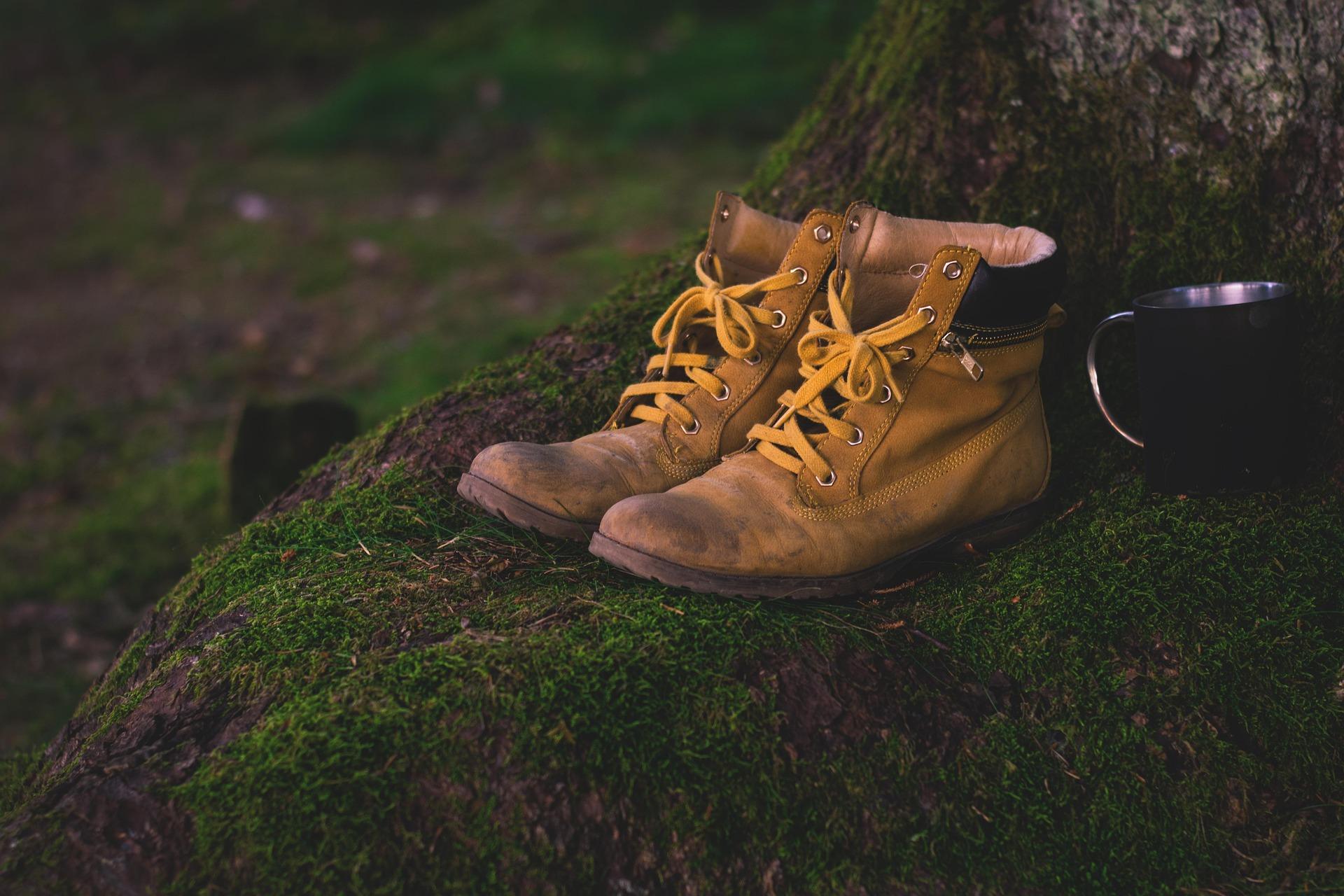
14. Look After Boots
Clean mud from boots after trips.
Allow them to dry naturally and follow the manufacturer’s instructions for conditioning or waterproofing.
Don’t dry boots against very high heat, as this can damage leather, adhesives and synthetic materials.
Inspect soles for excessive wear and check that stitching and other components remain secure.
15. Check Waterproof Clothing
Inspect waterproof jackets and trousers for tears, damaged seams and worn areas.
Wash them according to the manufacturer’s instructions.
If water no longer beads effectively on the outer fabric, the garment may need reproofing.
Remember that restoring the outer water-repellent finish isn’t the same thing as repairing a damaged waterproof membrane.
16. Maintain Navigation Equipment
Check maps for damage and replace anything that has become difficult to read.
Make sure compasses are functioning properly and that electronic navigation devices are charged and operational.
If you rely on a GPS device or phone for navigation, don’t forget that batteries can fail.
Carry an appropriate backup method for the type of trip you’re undertaking.
17. Check Lighting
Test headtorches, lanterns and other lighting equipment before trips.
Check batteries and rechargeable units.
Look for damaged cables, switches or battery compartments.
Don’t store equipment with batteries installed for long periods if the manufacturer advises removing them, particularly where leakage could damage the device.
18. Maintain Water Containers
Clean bottles and hydration systems regularly.
Check seals, valves, caps and hoses for damage.
Allow them to dry properly before storage.
Replace components that are worn or no longer seal correctly.
19. Keep a Repair Kit
A small repair kit can solve many minor problems at camp.
Depending on your equipment, this might include suitable repair tape, cord, patches, spare buckles and basic tools.
Don’t use repair materials as an excuse to continue using equipment that is fundamentally unsafe.
A repair kit is for sensible field repairs, not for making dangerously damaged equipment usable.
20. Check Everything Before a Trip
A final pre-trip inspection should happen before you leave rather than when you arrive at camp.
Pitch the tent if you’re unfamiliar with it or haven’t used it for a while.
Check that poles fit, zips work and all essential components are present.
Test cooking and lighting equipment according to their instructions.
For group equipment, use a checklist so that important items aren’t forgotten.
Maintaining Camping Equipment During Winter
Equipment stored for long periods needs particular attention.
Make sure everything is completely dry before storage.
Keep fabrics somewhere dry and ventilated and avoid prolonged compression where the manufacturer advises against it.
Check equipment periodically rather than assuming it will remain in perfect condition simply because it isn’t being used.
Maintaining Group Camping Equipment
Group equipment often receives more wear than personal kit.
Tents, cooking equipment, shelters and tools may be used repeatedly by different people.
Keep an equipment inventory and record damage when it occurs.
After each camp, identify items that need repair before they are returned to storage.
This prevents the classic problem of discovering several damaged items immediately before the next camp.
When to Repair and When to Replace
Minor damage can often be repaired.
A small tear, missing guy-line tensioner or damaged buckle may have a straightforward solution.
However, don’t repair equipment if the damage affects a critical structural or safety component and you aren’t confident the repair will restore its integrity.
When in doubt, follow the manufacturer’s advice.
Replacing an item is sometimes safer and more economical than repeatedly repairing something that has reached the end of its useful life.
Final Tip
A good maintenance routine is simple:
Clean it. Dry it. Check it. Repair it. Store it properly.
Then check it again before your next trip.
Camping equipment is an investment, and a few minutes of maintenance after each trip can prevent expensive replacements and frustrating failures when you’re outdoors.
🔒Ready to test your survival skills?
Join Survival Guides UK for free, complete challenges, earn badges and increase your Survival Level.
JOIN FREE →
CRAIG BURR
FOUNDER · SURVIVAL GUIDES UK
I'm Craig, the person behind Survival Guides UK. I created SGUK because I wanted somewhere people could learn real outdoor skills in a practical, straightforward way — from lighting a fire and tying knots to navigation, campcraft and everything in between.
You can read more about the story behind SGUK here as well as our approach here.