
Emergency Equipment Priorities
Affiliate disclosure: This article contains affiliate links. If you purchase something through one of our links, we may earn a commission at no additional cost to you.
What Are Emergency Equipment Priorities?
Emergency equipment priorities are about knowing which items are most important when something goes wrong outdoors.
It is easy to focus on carrying lots of equipment, but a large kit is not necessarily a useful kit. Good preparation means choosing equipment that helps deal with the most likely and most serious problems first.
For Scouts, understanding equipment priorities is an important part of learning how to prepare for hikes, camps and other outdoor activities.
The Basic Emergency Priorities
In an outdoor emergency, the exact priorities depend on the situation, weather, location and injuries involved.
However, a useful general order is:
- Raise the alarm and get help
- Deal with immediate injuries
- Stay warm and protected from the weather
- Obtain safe drinking water
- Navigate or remain in a safe location
- Obtain food if the situation is prolonged
The equipment you carry should support these priorities.
Communication and Emergency Signalling
Being able to summon help can be more important than almost any piece of survival equipment.
Depending on the activity and location, useful equipment may include:
A whistle is particularly useful because it is small, lightweight and can be heard over a greater distance than shouting.
A torch is also important if an emergency continues into darkness.
Keep Communication Equipment Protected
Mobile phones and other electronic equipment should be protected from rain and accidental damage.
Do not rely entirely on a phone. Batteries can run out, signals can be unavailable and devices can fail.
A whistle and torch provide simple alternatives for attracting attention.
First Aid Equipment
A suitable first aid kit should be matched to the activity and group.
It may contain items such as:
The most important part of a first aid kit is knowing how to use it.
Scouts should receive appropriate first aid training rather than relying on equipment alone.
Shelter and Protection
Protection from cold, wind and rain can become an emergency priority surprisingly quickly.
Useful equipment may include:
The correct equipment depends on the activity, season and environment.
A lightweight emergency shelter can be particularly valuable because it can provide protection while waiting for assistance.
Fire and Warmth
In some outdoor situations, maintaining warmth may become important.
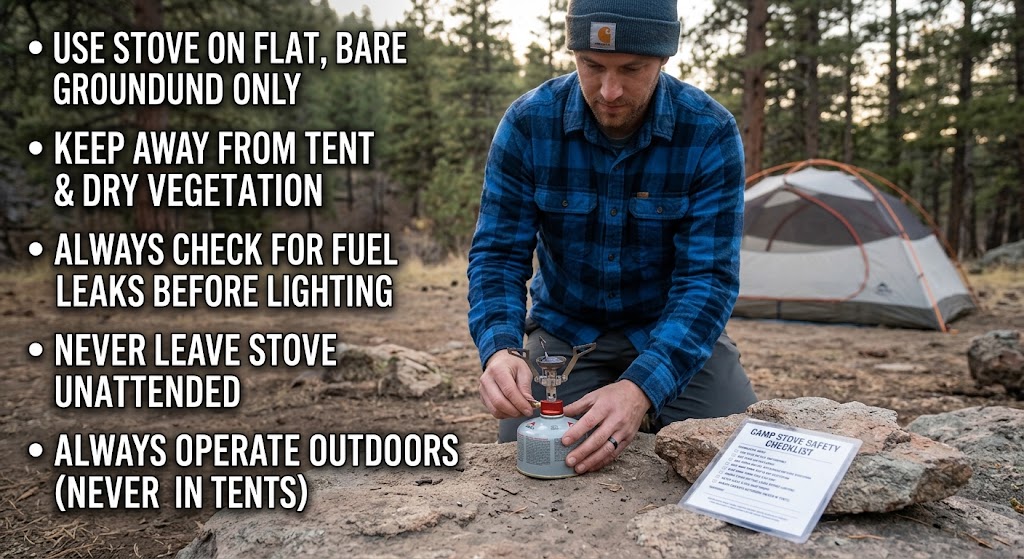
Suitable equipment could include a safe means of producing warmth where this is permitted, such as appropriate fire-lighting equipment or a camping stove.
However, fire should never be treated as an automatic survival solution.
Follow local rules and site restrictions, and never light a fire where it could spread or cause environmental damage.
Keeping warm through dry clothing, insulation and shelter should normally be considered before attempting to make an emergency fire.
Water and Hydration
Water is another major consideration during an extended emergency.
Carry enough drinking water for the planned activity, particularly in hot weather or when travelling away from reliable water supplies.
Useful equipment may include:
Never assume that clear-looking water is safe to drink.
Water from streams, rivers, lakes and other natural sources may contain harmful organisms or contaminants and may need appropriate treatment.
Navigation Equipment
Getting lost can quickly turn a manageable situation into an emergency.
Navigation equipment should therefore be considered part of your emergency preparation.
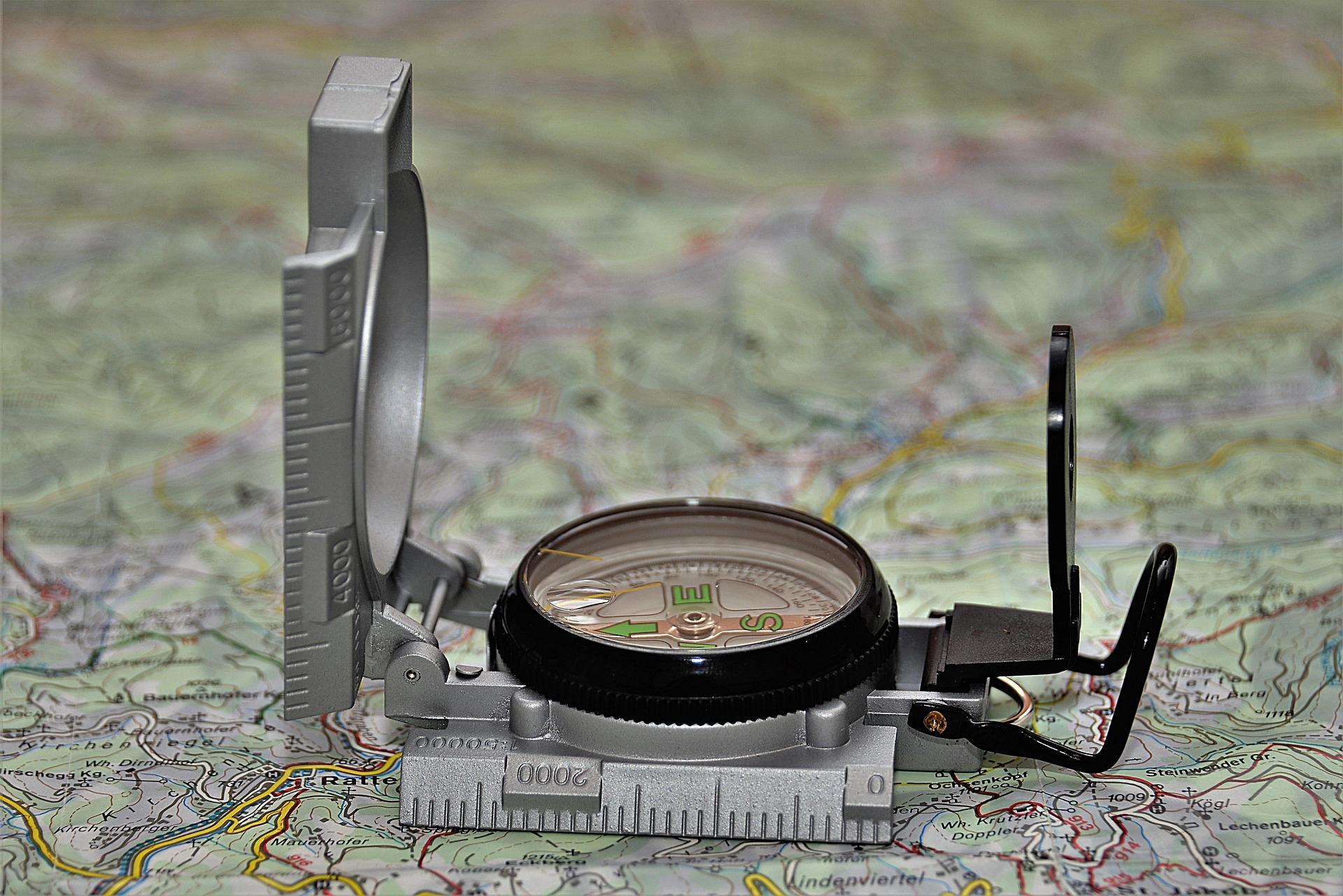
Useful items include:
Electronic navigation is useful, but it should not necessarily be your only method.
A paper map and compass do not depend on a mobile signal or battery.
Know Your Route Before You Leave
Equipment works best when combined with preparation.
Before setting out, make sure you understand the route, expected conditions, escape points and approximate timings.
Leave appropriate route information with a responsible person when required.
Food and Emergency Rations
Food is important, but it is often lower down the emergency priority list for a short-term incident.
Carrying an extra snack or emergency ration can be useful on longer activities.
Choose food that is:
Do not rely on finding wild food during an emergency. Identification errors can cause serious illness, and searching for food can use valuable energy.
Emergency Equipment by Activity
Not every activity requires the same equipment.
A short local walk may require much less emergency equipment than a full-day hike in remote countryside.
Consider:
The more remote and exposed the activity, the more important appropriate emergency preparation becomes.
The Emergency Equipment Check
Before leaving, carry out a simple equipment check.
Check Communication
Make sure phones are charged and emergency contact details are available.
Check First Aid
Ensure the first aid kit is complete and that any essential personal medication is available.
Check Protection
Confirm that everyone has suitable clothing and protection for the expected weather.
Check Navigation
Make sure maps, compass and route information are available and understood.
Check Water
Carry an appropriate amount of drinking water and know whether additional water sources are available.
Check Emergency Equipment
Confirm that torches, whistles, shelters and other emergency equipment are present and working.
Avoid Carrying Equipment You Cannot Use
Having specialist equipment does not automatically make you safer.
If you carry an item, you should understand what it does, how to use it safely and when it is appropriate.
This is particularly important with first aid equipment, navigation tools, stoves and emergency shelters.
Regularly practise using essential equipment during normal activities so that you are familiar with it before an emergency occurs.
A Simple Scout Emergency Kit
A basic emergency kit for an outdoor activity might include:
The exact contents should always be adapted to the activity and conditions.
Emergency Equipment Priority Challenge
A useful Scout activity is to give a group a list of equipment and ask them to rank the items in order of importance for a particular scenario.
For example, imagine that a group is delayed overnight during a wet and windy hike.
Give them equipment such as:
Ask the Scouts to decide which items they would use first and explain their reasoning.
There does not always have to be one perfect answer. The aim is to encourage Scouts to consider the conditions, hazards and priorities before choosing equipment.
Final Tips for Emergency Equipment Priorities
Emergency equipment is most useful when it supports good preparation and sensible decision-making.
Remember to:
The best emergency kit is not necessarily the biggest one. It is the equipment that is appropriate for the situation, that you know how to use and that helps you deal with the most important risks first.
🔒Ready to test your survival skills?
Join Survival Guides UK for free, complete challenges, earn badges and increase your Survival Level.
JOIN FREE →
CRAIG BURR
FOUNDER · SURVIVAL GUIDES UK
I'm Craig, the person behind Survival Guides UK. I created SGUK because I wanted somewhere people could learn real outdoor skills in a practical, straightforward way — from lighting a fire and tying knots to navigation, campcraft and everything in between.
You can read more about the story behind SGUK here as well as our approach here.